कहानियाँ विंग · कहानी · Music History · 1931
आलम आरा का बनना
The Making of Alam Ara
प्रकाशित19 June 2026
आमुख
रातों की शूटिंग, लैंपों में छिपे माइक्रोफ़ोन, और तानार कैमरे पर सीधी ध्वनि — 'आलम आरा' (1931) के बनने की कथा, जिसके तीन मिनट के फ़कीर-गीत ने भारतीय सिनेमा को उसकी मातृभाषा दी।
अंग्रेज़ी में पढ़ें · Read in English
Night shoots, microphones hidden in lamps, sound straight onto the Tanar camera — the making of Alam Ara (1931), whose three-minute fakir's song gave Indian cinema its mother tongue.
रेल की पटरियों के बीच एक स्टूडियो
A studio between train tracksइम्पीरियल का टीन-छत स्टूडियो दिन में रेलों के शोर से काँपता था, सो अर्देशिर ईरानी ने रातों को चुना। तानार सिंगल-सिस्टम कैमरा ध्वनि सीधे फ़िल्म पर लेता था — न अलग रिकॉर्डिंग, न दूसरा मौक़ा। माइक्रोफ़ोन लैंपों, गमलों और परदों में छिपे; अभिनेता उनकी ओर झुककर बोलते-गाते।
अंग्रेज़ी में पढ़ें · Read in English
Imperial's tin-roofed studio shook with train noise by day, so Ardeshir Irani chose the nights. The Tanar single-system camera took sound straight onto film — no separate recording, no second chance. Microphones hid in lamps, pots and curtains; actors leaned toward them to speak and sing.
दौड़ — और पहला गीत
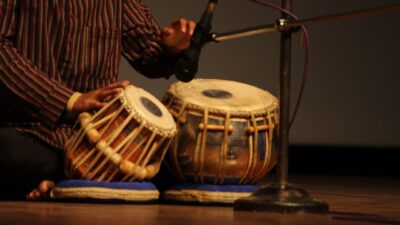
The race — and the first songमदन थिएटर्स भी सवाक् दौड़ में था; ईरानी हफ़्तों से जीते। 14 मार्च 1931 को मैजेस्टिक में टिकटों पर दंगा-सा था। और परदे पर जब डब्ल्यू.एम. ख़ान के फ़कीर ने 'दे दे ख़ुदा के नाम पे' उठाया — हारमोनियम-तबला बग़ल में छिपे — तो भारतीय सिनेमा को उसकी मातृभाषा मिल गई: गीत।
अंग्रेज़ी में पढ़ें · Read in English
Madan Theatres was racing too; Irani won by weeks. On 14 March 1931 the Majestic nearly rioted for tickets. And when W.M. Khan's fakir raised 'De De Khuda Ke Naam Pe' — harmonium and tabla hidden at his side — Indian cinema found its mother tongue: the song.
खोई हुई पहली
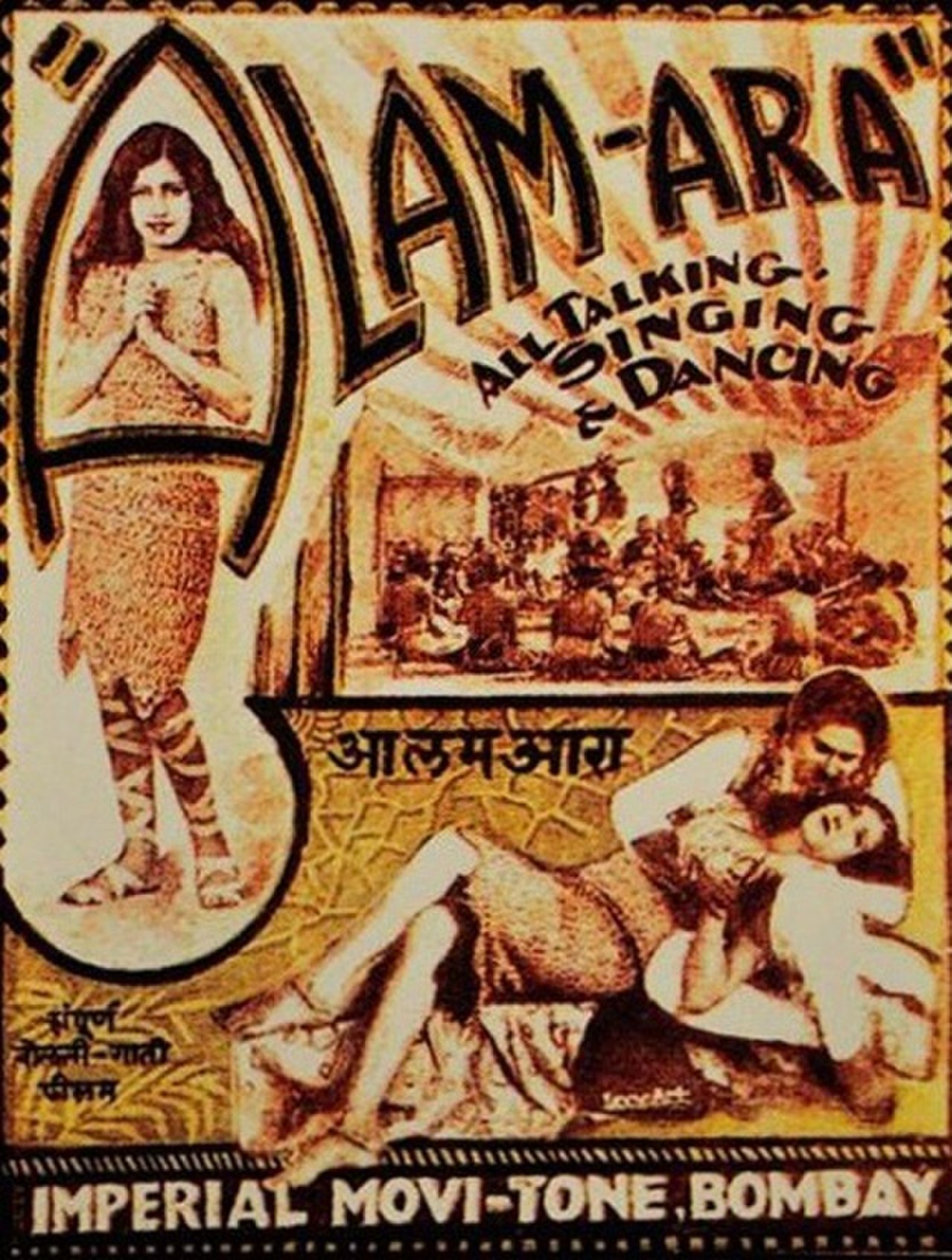
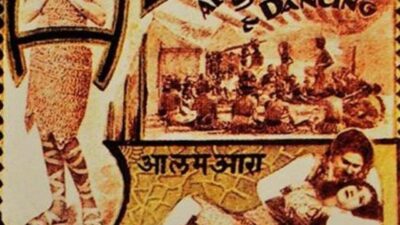
The lost first'आलम आरा' का कोई प्रिंट नहीं बचा — आख़िरी ज्ञात रीलें दशकों पहले नष्ट हुईं। भारत की पहली बोलती फ़िल्म अब तस्वीरों, विज्ञापनों और स्मृतियों में जीती है। उसकी अनुपस्थिति हर फ़िल्म-संग्रहालय की सबसे ख़ाली और सबसे ऊँची अलमारी है।
अंग्रेज़ी में पढ़ें · Read in English
No print of Alam Ara survives — the last known reels perished decades ago. India's first talkie now lives in stills, advertisements and memories. Its absence is the emptiest, loudest shelf in every film archive.
परिचय
Identity- Epithet
- Night shoots, hidden microphones, and the first song
अन्य विवरण
More DetailsKey Figures
कहानी-नमूना
The Story Specimen| शीर्षक | आलम आरा का बनना · The Making of Alam Ara |
|---|---|
| श्रेणी | Music History |
| प्रकार | विशेष लेख |
| प्रकाशित | 19 June 2026 — admin |
| वर्ष | 1931 |
और कहानियाँ
More Stories from the Atlas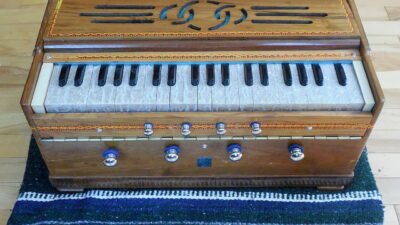
साझा कीजिए · Share this Plate
यह पन्ना आगे बढ़ाइए
सवाल-जवाब
Questions & Answersभारत का पहला फ़िल्मी गीत कौन-सा है? · What is India's first film song?
'दे दे ख़ुदा के नाम पे' — 'आलम आरा' (14 मार्च 1931) में डब्ल्यू.एम. ख़ान के फ़कीर का गाया हुआ; संगत में छिपे हारमोनियम-तबला।
'De De Khuda Ke Naam Pe' — sung by W.M. Khan's fakir in Alam Ara (14 March 1931), to hidden harmonium and tabla.
क्या 'आलम आरा' आज देखी जा सकती है? · Can Alam Ara be seen today?
नहीं — कोई प्रिंट नहीं बचा। भारत की पहली टॉकी एक खोई हुई फ़िल्म है; तस्वीरें, विज्ञापन और स्मृतियाँ ही उसके अवशेष हैं।
No — no print survives. India's first talkie is a lost film; stills, advertisements and memories are its remains.