कहानियाँ विंग · कहानी · Behind The Scenes · 1958
मेरा नाम चिन चिन चू: कैबरे की रानी का राजतिलक
Mera Naam Chin Chin Choo: The Crowning of a Cabaret Queen
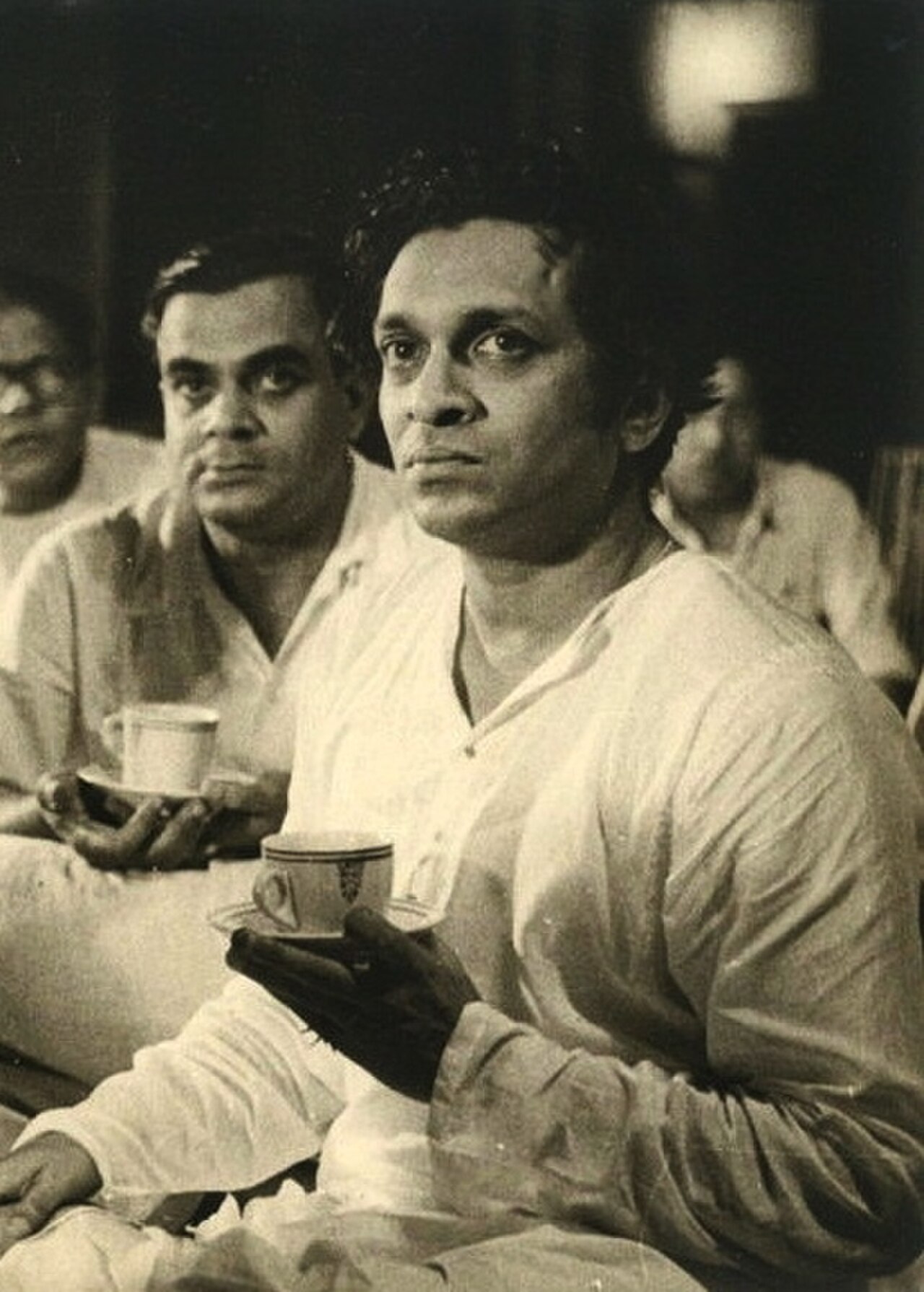
1958 की 'हावड़ा ब्रिज' में ओ.पी. नय्यर ने कलकत्ता के क्लबों का धुआँ संगीत में घोल दिया — गीता दत्त की शरारत, आशा भोसले की मदहोशी, मधुबाला का जादू, और उन्नीस बरस की हेलन का राजतिलक।
प्रकाशित19 June 2026 पाठ८ मिनट का पाठ
आमुख
हावड़ा ब्रिज (1958) के संगीत की कहानी — शक्ति सामंत की कलकत्ता-नॉयर थ्रिलर के लिए ओ.पी. नय्यर ने क्लब-संगीत का ऐसा रंग रचा जो हिंदी सिनेमा की पहचान बन गया: गीता दत्त के गाए 'मेरा नाम चिन चिन चू' पर उन्नीस साल की हेलन रातोंरात सितारा बनीं, आशा भोसले के 'आइए मेहरबाँ' पर मधुबाला अमर हुईं — और इन्हीं दो गीतों के बीच नय्यर की संगीत-दुनिया में मशाल गीता से आशा के हाथ में गई।
अंग्रेज़ी में पढ़ें · Read in English
The story of Howrah Bridge (1958): for Shakti Samanta's Calcutta-noir thriller O.P. Nayyar invented a club sound that became Hindi cinema's own — nineteen-year-old Helen became a star overnight on Geeta Dutt's 'Mera Naam Chin Chin Choo', Madhubala was immortalised on Asha Bhosle's 'Aaiye Meherbaan', and between those two songs the torch of Nayyar's musical world passed from Geeta to Asha.
कलकत्ता नॉयर
Calcutta Noir1958 में शक्ति सामंत परदे पर वह कलकत्ता लाए जो पोस्टकार्डों में नहीं छपता था — हावड़ा पुल के नीचे का शहर: बंदरगाह की धुंध, तस्करों के अड्डे, चाइनाटाउन की तंग गलियाँ और रात भर जागते क्लब। 'हावड़ा ब्रिज' में अशोक कुमार अपने भाई के क़ातिलों और एक चुराई हुई विरासत की तलाश में रंगून से कलकत्ता आते हैं, और सुराग़ों की यह तलाश बार-बार एक ही दरवाज़े पर पहुँचती है — क्लब के दरवाज़े पर। ऐसी फ़िल्म का संगीत दफ़्तर में नहीं, धुएँ में बनता है; और धुएँ का संगीतकार उस दौर में एक ही था — ओ.पी. नय्यर। 'आर पार' और 'सी.आई.डी.' से नय्यर ने हिंदी फ़िल्म-संगीत में जो पश्चिमी झूम, पीतल के साज़ और थिरकती चाल उतारी थी, 'हावड़ा ब्रिज' उसका पूरा मयख़ाना थी। क़मर जलालाबादी के बोल, नय्यर की धुनें — और परदे पर वह जोड़ी जो आने वाले दशकों तक क्लब-गीत की परिभाषा लिखने वाली थी।
अंग्रेज़ी में पढ़ें · Read in English
In 1958 Shakti Samanta brought to the screen a Calcutta that never appeared on postcards — the city beneath the Howrah bridge: dockside fog, smugglers' dens, the narrow lanes of Chinatown and clubs that stayed awake all night. In Howrah Bridge, Ashok Kumar comes from Rangoon to Calcutta hunting his brother's killers and a stolen heirloom, and the trail of clues keeps arriving at the same door — the door of a nightclub. The music for such a film is not written in an office but in smoke; and the composer of smoke in that era was one man — O.P. Nayyar. The Western swing, brass and strutting gait that Nayyar had brought into Hindi film music with Aar Paar and CID found its full tavern in Howrah Bridge. Qamar Jalalabadi's words, Nayyar's tunes — and on screen, a pairing that would write the definition of the Hindi club song for decades to come.
मेरा नाम चिन चिन चू
My Name Is Chin Chin Chooक्लब की रोशनी गिरती है एक उन्नीस-बीस बरस की लड़की पर — हेलन। रंगून से जान बचाकर आए एंग्लो-बर्मी परिवार की बेटी, जो बरसों से कोरस की क़तार में नाचती आई थी। 'हावड़ा ब्रिज' के इस चीनी-थीम वाले क्लब-नंबर ने उसे क़तार से निकालकर रोशनी के ठीक बीच खड़ा कर दिया। और आवाज़? वह शैम्पेन-सी झागदार आवाज़ गीता दत्त की थी। 'मेरा नाम चिन चिन चू... हैलो मिस्टर, हाउ डू यू डू' — क़मर जलालाबादी की हिंग्लिश शरारत, नय्यर का रॉक-एंड-रोल और शंघाई के क्लबों की चाल का घालमेल, और गीता की गायकी की वह मुस्कुराती हुई अदा जो शब्दों के बीच आँख मारती चलती थी। गाना रिलीज़ होते ही जलसा बन गया। हेलन रातोंरात सितारा थीं — आने वाले तीस बरसों तक हिंदी परदे की कैबरे-रानी। यह राजतिलक गीता दत्त की आवाज़ ने किया था; इतिहास की विडंबना देखिए कि यही ताज आगे चलकर जिन गीतों से चमकता रहा, उनकी आवाज़ कोई और होने वाली थी।
अंग्रेज़ी में पढ़ें · Read in English
The club spotlight falls on a girl of nineteen or twenty — Helen. Daughter of an Anglo-Burmese family that had fled Rangoon for its life, she had danced for years in the chorus line. This Chinese-themed club number in Howrah Bridge pulled her out of the line and stood her dead centre in the light. And the voice? That champagne-fizz voice belonged to Geeta Dutt. 'Mera naam Chin Chin Choo... hello mister, how do you do' — Qamar Jalalabadi's Hinglish mischief, Nayyar's blend of rock-and-roll with the strut of Shanghai clubs, and that smiling something in Geeta's singing that winked between the words. The song became a sensation on release. Helen was a star overnight — the cabaret queen of the Hindi screen for the next thirty years. The coronation had been performed by Geeta Dutt's voice; history's irony is that the songs which would keep that crown shining were soon to be sung by someone else.
आइए मेहरबाँ
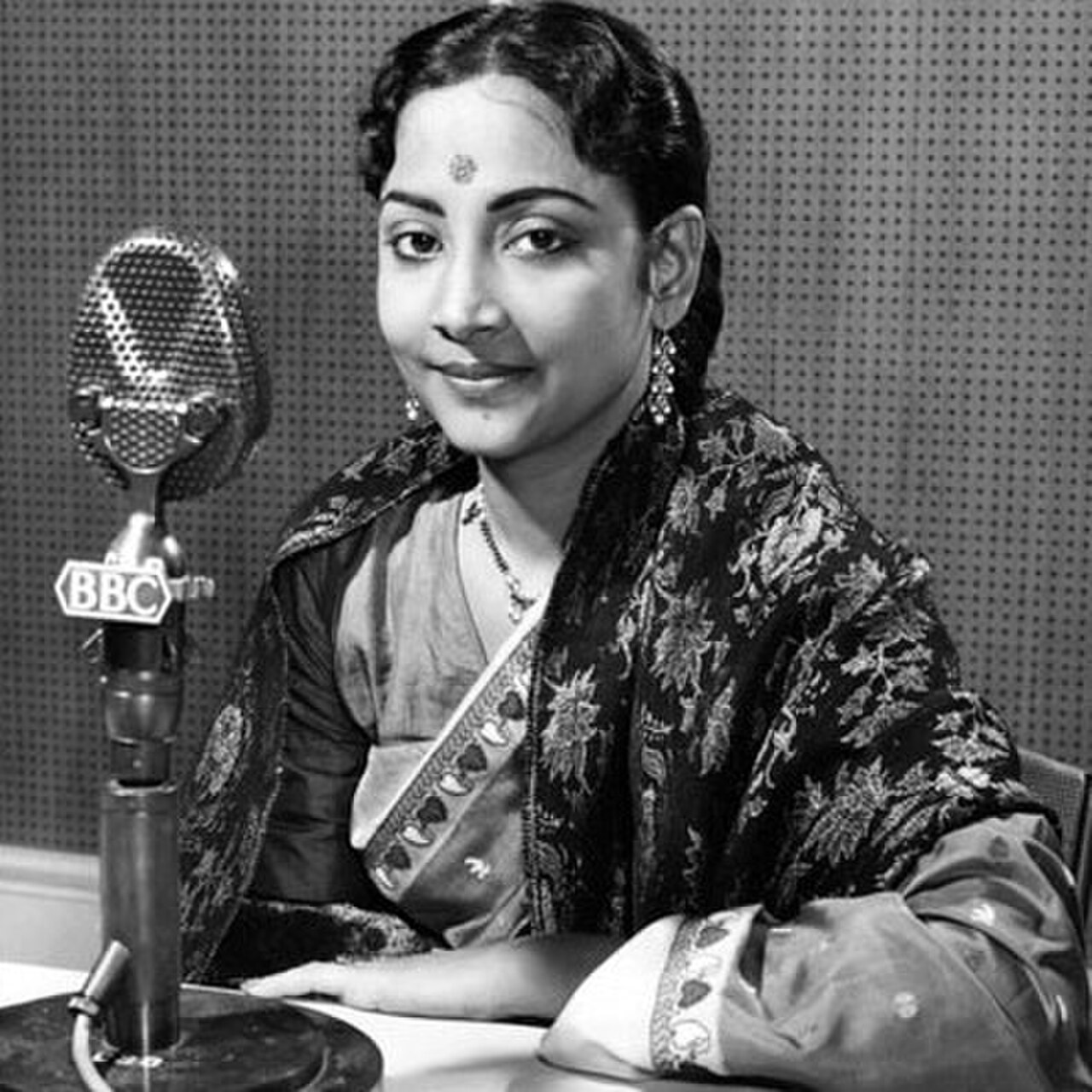
Aaiye Meherbaanउसी फ़िल्म में दूसरा क्लब है, दूसरी रात है — और परदे पर मधुबाला हैं: क्लब-गायिका एडना। 'आइए मेहरबाँ, बैठिए जाने-जाँ' में नय्यर ने रफ़्तार धीमी कर दी; पीतल के साज़ अब फुसफुसाते हैं, और आशा भोसले की आवाज़ धुएँ की तरह लहराती हुई आती है — हर शब्द एक न्योता, हर ठहराव एक अदा। मधुबाला की वह झुकी पलकों वाली मुस्कान और आशा की वह रेशमी मदहोशी ऐसी घुलीं कि आज साठ साल बाद भी यह हिंदी सिनेमा की सबसे प्रतिष्ठित गीत-तस्वीरों में गिना जाता है। 'नया दौर' (1957) में नय्यर आशा को गाँव की धूप में तपा चुके थे; 'आइए मेहरबाँ' में उन्होंने उसी आवाज़ से रात का पहला जाम बनवाया। यह आशा का वह रजिस्टर था जो लता की दुनिया में था ही नहीं — और नय्यर जानते थे कि यही उनकी सबसे बड़ी पूँजी है। क्लब, कैबरे, छेड़छाड़, नशा — हिंदी फ़िल्म-संगीत का यह पूरा इलाक़ा धीरे-धीरे एक ही नाम के हवाले होने वाला था: आशा भोसले।
अंग्रेज़ी में पढ़ें · Read in English
In the same film there is another club, another night — and on screen is Madhubala: the club singer Edna. For 'Aaiye Meherbaan, baithiye jaane-jaan' Nayyar slowed the tempo; the brass now whispers, and Asha Bhosle's voice drifts in like smoke — every word an invitation, every pause a flourish. Madhubala's lowered-lash smile and Asha's silken languor fused so completely that sixty years on, this is still counted among Hindi cinema's most iconic song picturisations. In Naya Daur (1957) Nayyar had tempered Asha in the village sun; in 'Aaiye Meherbaan' he had the same voice pour the night's first drink. This was a register of Asha's that simply did not exist in Lata's world — and Nayyar knew it was his greatest capital. Club, cabaret, banter, intoxication — this whole territory of Hindi film music was slowly to be handed over to one name: Asha Bhosle.
गीता और आशा — एक मशाल का सफ़र
Geeta and Asha: A Torch Passes'हावड़ा ब्रिज' में नय्यर की दोनों प्रिय आवाज़ें आमने-सामने खड़ी हैं — एक ही स्कोर के भीतर। गीता दत्त, जिनकी मस्ती-भरी लचक पर नय्यर ने 'आर पार' और 'सी.आई.डी.' की इमारतें खड़ी की थीं; और आशा भोसले, जिन्हें वे 'नया दौर' से अपनी मुख्य आवाज़ बना चुके थे। 1953 में गुरु दत्त से विवाह के बाद गीता की घरेलू ज़िंदगी की उलझनें बढ़ती जा रही थीं और काम धीरे-धीरे कम हो रहा था; 'मेरा नाम चिन चिन चू' उनकी चुलबुली गायकी की सबसे चमकीली आख़िरी मिसालों में है। दूसरी ओर आशा का ग्राफ़ हर महीने ऊपर जा रहा था। यह कोई षड्यंत्र नहीं था, वक़्त की करवट थी — पर नतीजा इतिहास बन गया: 1960 के दशक में हेलन के सबसे अमर कैबरे — 'ओ हसीना ज़ुल्फ़ोंवाली' से 'पिया तू अब तो आजा' तक — आशा की आवाज़ में गूँजे। जिस रानी का राजतिलक गीता ने किया था, उसका राज-पाट आशा की आवाज़ ने सँभाला। हिंदी फ़िल्म-संगीत में मशाल इसी तरह हाथ बदलती है — एक फ़िल्म के दो गानों के फ़ासले में।
अंग्रेज़ी में पढ़ें · Read in English
In Howrah Bridge, Nayyar's two beloved voices stand face to face within a single score. Geeta Dutt, on whose playful swing Nayyar had built the edifices of Aar Paar and CID; and Asha Bhosle, whom he had made his lead voice with Naya Daur. After her 1953 marriage to Guru Dutt, the knots of Geeta's domestic life kept tightening and the work slowly thinned; 'Mera Naam Chin Chin Choo' stands among the last and brightest examples of her impish style. Asha's graph, meanwhile, climbed by the month. It was no conspiracy, only time turning over — but the result became history: in the 1960s Helen's most immortal cabarets, from 'O Haseena Zulfonwali' to 'Piya Tu Ab To Aaja', rang out in Asha's voice. The queen Geeta had crowned would have her reign sung by Asha. That is how the torch changes hands in Hindi film music — in the distance between two songs of the same film.
पुल के नीचे बहती विरासत
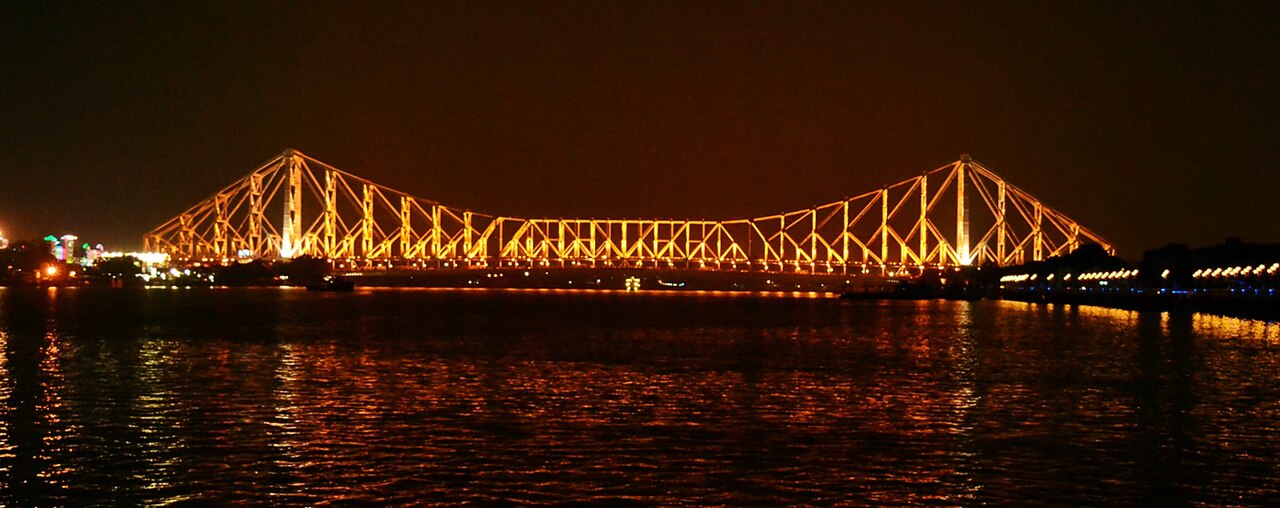
The Legacy Under the Bridgeफ़िल्म चली, पर गाने दौड़े। 'मेरा नाम चिन चिन चू' हिंदी सिनेमा के क्लब-युग का घोषणापत्र बन गया — वह गाना जिसने साबित किया कि हिंदी फ़िल्म-संगीत रॉक-एंड-रोल से लेकर चीनी रंगत तक कुछ भी पचा सकता है, और जिसकी 'हैलो मिस्टर हाउ डू यू डू' वाली हिंग्लिश अदा आज भी हर रेट्रो-नाइट और फ़ैन्सी-ड्रेस की पहली पसंद है। 'आइए मेहरबाँ' सिखाता रहा कि गीत में मदहोशी सुर से आती है, शोर से नहीं। शक्ति सामंत ने आगे 'चाइना टाउन' और 'एन इवनिंग इन पेरिस' जैसी फ़िल्मों में यही नुस्ख़ा बार-बार आज़माया, और हेलन के लिए तो यह गाना जीवन-रेखा ही था — दशकों बाद भी हर इंटरव्यू में उनसे चिन चिन चू ज़रूर पूछा जाता। ओ.पी. नय्यर के लिए 'हावड़ा ब्रिज' इस बात का सबूत थी कि उनका तथाकथित 'पश्चिमी' संगीत दरअसल ठेठ हिंदुस्तानी तबीयत का था — वरना कलकत्ता के एक काल्पनिक क्लब का गाना पंजाब की बारातों से लेकर आज की प्लेलिस्टों तक यूँ न बहता। पुल वही है; नीचे संगीत आज भी बह रहा है।
अंग्रेज़ी में पढ़ें · Read in English
The film did well, but the songs ran ahead of it. 'Mera Naam Chin Chin Choo' became the manifesto of Hindi cinema's club age — the song that proved Hindi film music could digest anything from rock-and-roll to chinoiserie, and whose Hinglish hook of 'hello mister how do you do' remains the first pick of every retro night and fancy-dress party. 'Aaiye Meherbaan' went on teaching that intoxication in a song comes from the note, not the noise. Shakti Samanta would retry the recipe in China Town and An Evening in Paris; for Helen the song was a lifeline itself — decades later no interview with her was complete without Chin Chin Choo. For O.P. Nayyar, Howrah Bridge was proof that his so-called 'Western' music was in fact thoroughly Indian in temperament — otherwise a song from an imaginary Calcutta club would not have flowed from Punjabi weddings to today's playlists. The bridge stands where it stood; the music still flows beneath it.
परिचय
IdentityEpithet
1958 की 'हावड़ा ब्रिज' में ओ.पी. नय्यर ने कलकत्ता के क्लबों का धुआँ संगीत में घोल दिया — गीता दत्त की शरारत, आशा भोसले की मदहोशी, मधुबाला का जादू, और उन्नीस बरस की हेलन का राजतिलक।
In Howrah Bridge (1958) O.P. Nayyar bottled the smoke of Calcutta's nightclubs — Geeta Dutt's mischief, Asha Bhosle's intoxication, Madhubala's magic, and the coronation of nineteen-year-old Helen.
अन्य विवरण
More Details- रात चाँदनी, मैं और तू — हैलो मिस्टर, हाउ डू यू डू! · Raat chandni, main aur tu — hello mister, how do you do!
- ओ.पी. नय्यर
- गीता दत्त
- आशा भोसले
- हेलन
- मधुबाला
- क़मर जलालाबादी
- Jerry Pinto, 'Helen: The Life and Times of an H-Bomb' (Penguin India, 2006)
- Ganesh Anantharaman, 'Bollywood Melodies: A History of the Hindi Film Song' (Penguin India, 2008)
- Raju Bharatan, 'A Journey Down Melody Lane' (Hay House India, 2010)
Pull Quotes
Key Figures
References
कहानी-नमूना
The Story Specimen| शीर्षक | मेरा नाम चिन चिन चू: कैबरे की रानी का राजतिलक · Mera Naam Chin Chin Choo: The Crowning of a Cabaret Queen |
|---|---|
| श्रेणी | Behind The Scenes |
| प्रकार | विशेष लेख |
| पाठ-समय | ८ मिनट का पाठ |
| प्रकाशित | 19 June 2026 — admin |
| वर्ष | 1958 |
| टैग | howrah_bridge · op_nayyar · geeta_dutt · asha_bhosle · helen · madhubala · cabaret · 1958 · shakti_samanta |
इस कहानी में
In This Story · The Cast & Its Platesकहानी में आए नामों के अटलस में अपने पन्ने हैं — यहीं से यात्रा जारी रखिए।
कलाकार-सूत्र · Artists
और कहानियाँ
More Stories from the Atlas
साझा कीजिए · Share this Plate