कहानियाँ विंग · कहानी · Social History · 1922
कोठे से कॉन्सर्ट तक: 1922 की नई आवाज़ें
From Kotha to Concert Hall: The New Voices of 1922
1922 में संगीत की दुनिया ने करवट ली: हीराबाई बड़ोदेकर टिकट वाले मंच पर गाईं, इंदुबाला तवों पर जमीं, बालगंधर्व और मास्टर कृष्णराव ने नाटकघर को रिकॉर्ड की दुकान से जोड़ा — और गाने का 'सम्मानजनक' होना नए सिरे से परिभाषित हुआ।
प्रकाशित19 June 2026 पाठ९ मिनट का पाठ
आमुख
1922 की पीढ़ी-बदल की कहानी: गौहर जान और जानकी बाई का युग ढलता है; हीराबाई बड़ोदेकर का सार्वजनिक पदार्पण स्त्री-गायन को 'भले घरों' के लिए खोलता है; इंदुबाला तवायफ़-परंपरा की तालीम को रिकॉर्ड-युग की दूसरी पीढ़ी में ले जाती हैं; और महाराष्ट्र का नाट्य-संगीत — बालगंधर्व, मास्टर कृष्णराव, और इसी वर्ष दिवंगत गुरु भास्करबुवा बखले — शास्त्रीय संगीत का सबसे बड़ा जन-माध्यम बनता है।
अंग्रेज़ी में पढ़ें · Read in English
The story of 1922's generational turn: the era of Gauhar Jaan and Janki Bai wanes; Hirabai Barodekar's public debut opens women's singing to 'good families'; Indubala carries the tawaif tradition's taleem into the record age's second generation; and Maharashtra's natya sangeet — Bal Gandharva, Master Krishnarao, and their guru Bhaskarbuwa Bakhale, who died this year — becomes classical music's biggest mass medium.
एक मंच, जो स्त्रियों के लिए बंद था
A Stage Closed to Womenबीसवीं सदी के आरंभ का भारतीय संगीत एक अजीब बँटवारे पर खड़ा था। गाने वाली स्त्रियाँ थीं — गौहर जान, जानकी बाई, ज़ोहरा बाई — और उनकी कला शिखर पर थी; पर वे तवायफ़-परंपरा से थीं, और 'भले घरों' की बेटियों के लिए सार्वजनिक गायन लगभग वर्जित था। मंच पर स्त्री-भूमिकाएँ तक पुरुष निभाते थे — बालगंधर्व इसी व्यवस्था के महानायक थे। संगीत-सुधारकों — पलुस्कर और भातखंडे की पीढ़ी — ने विद्यालय खोलकर संगीत को 'सम्मानजनक' बनाने का अभियान छेड़ा था, पर मंच की दहलीज़ अब भी ऊँची थी। 1922 के आसपास वह दहलीज़ टूटनी शुरू हुई — और तोड़ने वाली सत्रह बरस की एक लड़की थी।
अंग्रेज़ी में पढ़ें · Read in English
Indian music at the start of the twentieth century stood on a strange divide. There were women who sang — Gauhar Jaan, Janki Bai, Zohra Bai — and their art was at its summit; but they came from the tawaif tradition, and public singing was all but forbidden to daughters of 'good families'. Even women's roles on stage were played by men — Bal Gandharva was that system's great hero. The music reformers — the generation of Paluskar and Bhatkhande — had opened schools to make music 'respectable', but the stage's threshold remained high. Around 1922 that threshold began to break — and the one breaking it was a girl of seventeen.
हीराबाई का पहला जलसा
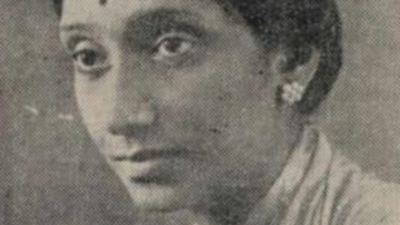
Hirabai's First Concertहीराबाई बड़ोदेकर किराना घराने के युगपुरुष उस्ताद अब्दुल करीम ख़ान और बड़ौदा के प्रतिष्ठित माने परिवार की ताराबाई की बेटी थीं। माता-पिता के अलगाव के बाद बच्चों ने माँ का पक्ष और 'बड़ोदेकर' नाम अपनाया; तालीम मिली पिता के चचेरे भाई, किराना के तपस्वी उस्ताद अब्दुल वहीद ख़ान से, और भाई सुरेशबाबू माने से। 1922 के आसपास — स्रोत 1921-22 के बीच झूलते हैं — किशोरी हीराबाई ने टिकट वाले सार्वजनिक जलसे में गाया। आज यह वाक्य साधारण लगता है; तब यह विस्फोट था। एक प्रतिष्ठित घर की बेटी, मंच पर, पैसे लेकर, अनजान श्रोताओं के सामने — और गरिमा के साथ। उनकी मिठास भरी, सधी गायकी और शालीन मंच-छवि ने आलोचकों को निरुत्तर कर दिया। आगे के दशकों में उन्होंने इस रास्ते को राजमार्ग बनाया — संगीत-नाटक, एचएमवी के तवे, देशभर के जलसे, पद्म भूषण (1970)। गंगूबाई हंगल से लेकर आज तक की हर मंच-गायिका उस 1922 के जलसे की क़र्ज़दार है।
अंग्रेज़ी में पढ़ें · Read in English
Hirabai Barodekar was the daughter of the Kirana colossus Ustad Abdul Karim Khan and Tarabai of Baroda's distinguished Mane family. After the parents separated, the children took their mother's side and the 'Barodekar' name; her taleem came from her father's cousin, the ascetic Kirana master Ustad Abdul Wahid Khan, and from her brother Sureshbabu Mane. Around 1922 — sources waver between 1921 and 1922 — the teenaged Hirabai sang at a ticketed public concert. The sentence sounds ordinary today; then it was an explosion. A daughter of a respectable house, on stage, for money, before strangers — and with dignity intact. Her sweet, disciplined singing and composed presence left the critics unanswered. In the decades that followed she turned the path into a highway — musical theatre, HMV discs, concerts across India, the Padma Bhushan (1970). Every woman concert artist from Gangubai Hangal's generation to today is in debt to that 1922 jalsa.
इंदुबाला: परंपरा का दूसरा जन्म
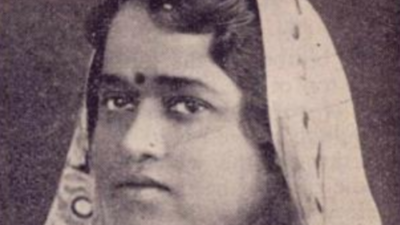
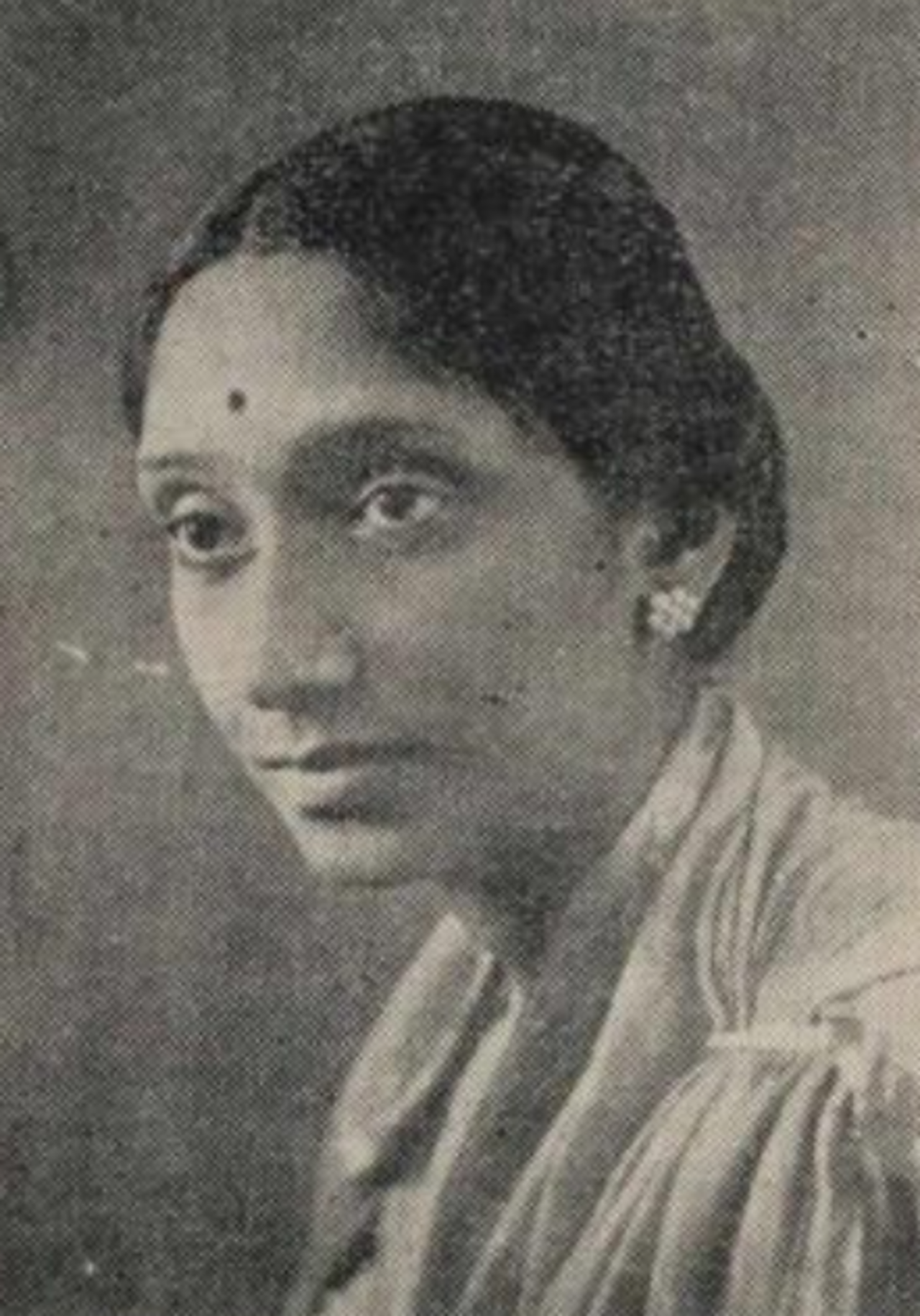
Indubala: The Tradition Rebornउसी समय कलकत्ता में बदलाव की दूसरी धारा बह रही थी। हीराबाई 'सम्मानित घर' से मंच पर आई थीं; इंदुबाला उस पुरानी पेशेवर परंपरा के भीतर से नई दुनिया में दाख़िल हुईं। रामबागान में पली, गौहर जान से तालीम पाई इस गायिका ने लगभग 1921 में एचएमवी के लिए पहला तवा काटा — गुरु की विदाई के लगभग साथ-साथ। 1922 तक वे कैटलॉग की जमी हुई आवाज़ थीं: बांग्ला तप्पा-कीर्तन से हिंदुस्तानी ठुमरी-दादरा तक। आगे रेडियो आया (कलकत्ता, 1927) तो वे उसकी आरंभिक स्त्री-स्वर बनीं; फ़िल्में आईं तो वहाँ भी गाईं; और 1984 में निधन तक वे गौहर-परंपरा की जीवित स्मृति कहलाती रहीं। हीराबाई और इंदुबाला — एक मंच की ओर से, एक तवे की ओर से — दोनों ने मिलकर वही किया: गाने वाली स्त्री को भविष्य दिया।
अंग्रेज़ी में पढ़ें · Read in English
In Calcutta, meanwhile, a second current of change was flowing. Hirabai had come to the stage from a 'respectable home'; Indubala entered the new world from inside the old professional tradition. Raised in Rambagan and trained by Gauhar Jaan, she cut her first disc for HMV around 1921 — almost in step with her teacher's exit. By 1922 she was a settled voice of the catalogue: Bengali tappa and kirtan to Hindustani thumri and dadra. When radio came (Calcutta, 1927) she was among its first women's voices; when films came she sang there too; and until her death in 1984 she was called the living memory of the Gauhar tradition. Hirabai and Indubala — one from the stage's side, one from the disc's — together did the same thing: they gave the singing woman a future.
नाटकघर, तवा और एक गुरु की विदाई
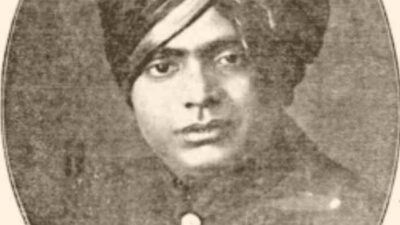
The Playhouse, the Disc, and a Guru's Passingपश्चिम भारत में यह करवट तीसरे रास्ते से आई — नाट्य-संगीत से। गंधर्व नाटक मंडळी अपनी साम्राज्यी दोपहर में थी: बालगंधर्व की रुक्मिणी और सिंधु घर-घर की कथा थीं, और उनके राग-आधारित पदों के एचएमवी तवे उन घरों तक पहुँचते थे जो कभी थिएटर नहीं देख पाते। बगल में युवा मास्टर कृष्णराव के तवे आने लगे थे — आलंदी का वह विलक्षण लड़का जो ख़याल की बिजली नाट्य-पद में भरता था। और इसी 1922 में इन दोनों के गुरु — भास्करबुवा बखले — चल बसे। आग्रा-ग्वालियर-जयपुर के समन्वय वाले उस महागुरु की विरासत अब मंच और तवे, दोनों पर उनके शिष्यों के हवाले थी। यही 1922 की असल तस्वीर है: एक ओर गौहर जान-जानकी बाई का युग विदा ले रहा था, दूसरी ओर हीराबाई, इंदुबाला, कृष्णराव की पीढ़ी अपने-अपने दरवाज़ों से भीतर आ रही थी। ध्वनिक भोंपू के पास अब गिनती के बरस थे; माइक्रोफ़ोन, रेडियो और टॉकी क़तार में खड़े थे। पर संगीत का समाजशास्त्र बदल चुका था — और वह बदलाव किसी मशीन ने नहीं, इन आवाज़ों ने किया था।
अंग्रेज़ी में पढ़ें · Read in English
In western India the turn came by a third road — natya sangeet. The Gandharva Natak Mandali stood at its imperial noon: Bal Gandharva's Rukmini and Sindhu were household legends, and the HMV discs of his raag-based pads reached homes that would never see a theatre. Beside him, the discs of young Master Krishnarao had begun to appear — the prodigy from Alandi who packed khayal's lightning into the natya-pad. And in this same 1922 the guru of them both — Bhaskarbuwa Bakhale — died. The legacy of that great teacher of the Agra-Gwalior-Jaipur synthesis now rested with his disciples, on stage and on shellac alike. That is the true picture of 1922: on one side the age of Gauhar Jaan and Janki Bai taking its leave; on the other, the generation of Hirabai, Indubala and Krishnarao entering by their separate doors. The acoustic horn had only a few years left; the microphone, the radio and the talkie stood in line. But the sociology of music had already changed — and it was changed not by any machine, but by these voices.
परिचय
IdentityEpithet
1922 में संगीत की दुनिया ने करवट ली: हीराबाई बड़ोदेकर टिकट वाले मंच पर गाईं, इंदुबाला तवों पर जमीं, बालगंधर्व और मास्टर कृष्णराव ने नाटकघर को रिकॉर्ड की दुकान से जोड़ा — और गाने का 'सम्मानजनक' होना नए सिरे से परिभाषित हुआ।
In 1922 the music world turned over: Hirabai Barodekar sang on the ticketed stage, Indubala settled onto disc, Bal Gandharva and Master Krishnarao wired the playhouse to the record shop — and what it meant for singing to be 'respectable' was defined anew.
अन्य विवरण
More Details- गाने वाली स्त्री को भविष्य चाहिए था — 1922 ने उसे दो दरवाज़ों से भीतर आने दिया: मंच से, और तवे से। · The singing woman needed a future — 1922 let her in by two doors: the stage, and the disc.
- हीराबाई बड़ोदेकर
- इंदुबाला
- बालगंधर्व
- मास्टर कृष्णराव
- भास्करबुवा बखले
- Wikipedia — Hirabai Barodekar; Indubala Devi; Bal Gandharva; Krishnarao Phulambrikar; Bhaskarbuwa Bakhale
- Vikram Sampath, 'My Name Is Gauhar Jaan!' (Rupa, 2010)
- Michael Kinnear, early Indian discographies (Bajakhana)
Pull Quotes
Key Figures
References
कहानी-नमूना
The Story Specimen| शीर्षक | कोठे से कॉन्सर्ट तक: 1922 की नई आवाज़ें · From Kotha to Concert Hall: The New Voices of 1922 |
|---|---|
| श्रेणी | Social History |
| प्रकार | विशेष लेख |
| पाठ-समय | ९ मिनट का पाठ |
| प्रकाशित | 19 June 2026 — admin |
| वर्ष | 1922 |
| टैग | hirabai_barodekar · indubala · bal_gandharva · master_krishnarao · 1922 · women_in_music · natya_sangeet · respectability |
इस कहानी में
In This Story · The Cast & Its Platesकहानी में आए नामों के अटलस में अपने पन्ने हैं — यहीं से यात्रा जारी रखिए।
कलाकार-सूत्र · Artists
और कहानियाँ
More Stories from the Atlas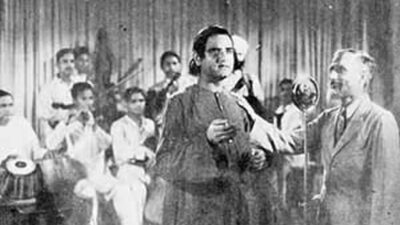
साझा कीजिए · Share this Plate