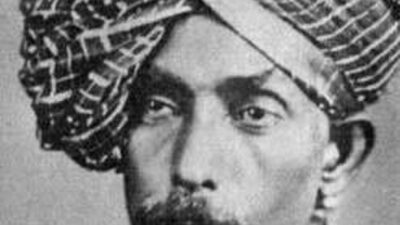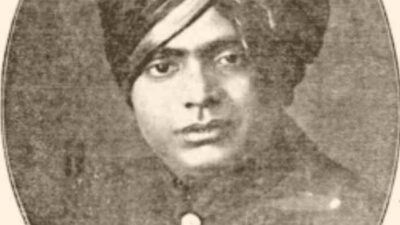
कलाकार विंग · कलाकार-पट्टिका · Artist Plate
मास्टर कृष्णराव
Master Krishnarao · Krishnarao Ganesh Phulambrikar
मास्टर कृष्णराव
जन्म20 January 1898 — आलंदी, बंबई प्रेसीडेंसी, ब्रिटिश भारत
निधन20 October 1974 — Pune, Maharashtra, India
जीवन-पट्टी
The Life Specimen| नाम | मास्टर कृष्णराव · Master Krishnarao |
|---|---|
| जन्म नाम | कृष्णराव गणेश फुलंब्रीकर · Krishnarao Ganesh Phulambrikar |
| उपनाम | मास्टर कृष्णराव |
| जन्म | 20 January 1898 — आलंदी, बंबई प्रेसीडेंसी, ब्रिटिश भारत · Alandi, Bombay Presidency, British India |
| निधन | 20 October 1974 — Pune, Maharashtra, India |
| भूमिकाएँ | गायक · रचनाकार · संगीतकार · अभिनेता |
| सक्रिय वर्ष | c. 1910–1970s |
| युग | gramophone-era |
| राष्ट्रीयता | Indian |
| विधाएँ | Hindustani Classical · Natya Sangeet · भजन · फ़िल्मी |
| भाषाएँ | Marathi · Hindi |
हस्ताक्षर-पंक्ति · The Signature
हस्ताक्षर-पंक्ति
मास्टर कृष्णराव
In EnglishBakhale's prodigy who sang khayal on the Marathi stage, composed for the talkies, and spent his last decades campaigning to make Vande Mataram singable by a nation.
पट्टिका-लेख
The Monographजीवनी Biography
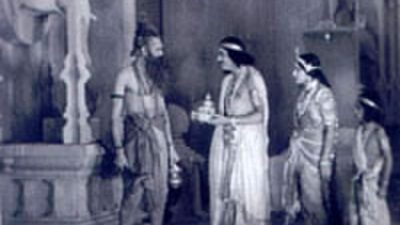
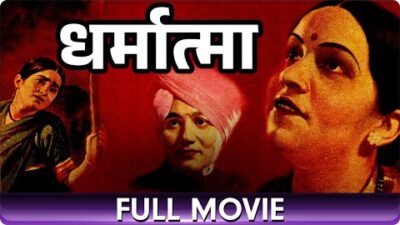
मास्टर कृष्णराव — पूरा नाम कृष्णराव गणेश फुलंब्रीकर (20 जनवरी 1898 – 20 अक्टूबर 1974) — हिंदुस्तानी ख़याल, मराठी नाट्य-संगीत और फ़िल्म-संगीत, तीनों धाराओं में शिखर छूने वाले विरले कलाकार थे। आलंदी में जन्मे कृष्णराव बचपन से असाधारण गले के धनी थे; उन्हें युग के महान गुरु भास्करबुवा बखले की तालीम मिली, जिनसे ख़याल की आग्रा-ग्वालियर-जयपुर रंगों वाली समृद्ध गायकी उनमें उतरी। 1918 के आसपास वे गंधर्व नाटक मंडळी से जुड़े और बालगंधर्व के साथ मराठी रंगभूमि के चमकते गायक-अभिनेता बने; उनके नाट्य-पद और ख़याल-प्रस्तुतियाँ 1920 के दशक के आरंभ से ग्रामोफ़ोन तवों पर दर्ज होने लगीं। बोलती फ़िल्मों के युग में वे प्रभात फ़िल्म कंपनी के संगीतकार बने — 'धर्मात्मा' (1935), 'गोपाल कृष्ण' (1938), 'माणूस' (1939) जैसी फ़िल्मों का संगीत उनकी देन है। स्वतंत्रता के बाद उनका सबसे चर्चित अभियान था 'वंदे मातरम्' — उन्होंने इसे सरल, सामूहिक गान और बैंड पर बजाने योग्य रूप में ढालकर संविधान सभा तक के सामने प्रस्तुत किया और जीवन-भर इसे राष्ट्रगान का दर्जा दिलाने की वकालत की। शास्त्रीय मंच पर वे अंत तक सम्मानित रहे; 1974 में पुणे में निधन हुआ। मराठी संगीत-परंपरा उन्हें 'मास्टर' कहकर ही याद करती है — वह उपाधि जो बाल-गायक को मिली थी और आजीवन सार्थक रही।
अंग्रेज़ी में पढ़ें · Read in English
Master Krishnarao — Krishnarao Ganesh Phulambrikar in full (20 January 1898 – 20 October 1974) — was that rare artist who reached the summit in three streams at once: Hindustani khayal, Marathi natya sangeet, and film music. Born in Alandi with an extraordinary boyhood voice, he received his taleem from the era's great guru Bhaskarbuwa Bakhale, absorbing a khayal style rich with Agra, Gwalior and Jaipur colours. Around 1918 he joined the Gandharva Natak Mandali and became, alongside Bal Gandharva, a shining singer-actor of the Marathi stage; his natya-pads and khayal performances began appearing on gramophone discs from the early 1920s. In the talkie era he became a composer for the Prabhat Film Company — the music of 'Dharmatma' (1935), 'Gopal Krishna' (1938) and 'Manoos' (1939) is his. After Independence his most celebrated campaign concerned 'Vande Mataram' — he arranged it in a simple, mass-singable, band-playable form, demonstrated it before the Constituent Assembly, and advocated all his life for its elevation. Honoured on the classical concert stage to the end, he died in Pune in 1974. The Marathi tradition still remembers him simply as 'Master' — the title given to the boy singer, earned for a lifetime.
प्रारंभिक जीवन Early Life
20 जनवरी 1898 को पुणे के पास आलंदी में जन्मे कृष्णराव बचपन से विलक्षण गायन-प्रतिभा के धनी थे और बाल-कलाकार के रूप में मराठी संगीत-मंच पर गाते थे — 'मास्टर' उपाधि का यही स्रोत है। उनकी निर्णायक तालीम भास्करबुवा बखले से हुई, जिनके 1922 में निधन के बाद कृष्णराव उनकी शैली के प्रमुख वाहकों में रहे।
अंग्रेज़ी में पढ़ें · Read in English
Born on 20 January 1898 at Alandi, near Pune, Krishnarao showed prodigious vocal talent as a child and was performing on the Marathi musical stage as a boy — the source of the 'Master' title. His decisive training came under Bhaskarbuwa Bakhale, whose death in 1922 left Krishnarao among the chief carriers of his style.
करियर Career
उनका करियर तीन पटरियों पर चला: संगीत-मंच (पाँच दशकों तक देशभर में ख़याल और उपशास्त्रीय गायन), रंगभूमि (अनु. 1918 से गंधर्व नाटक मंडळी के प्रमुख गायक-अभिनेता; 1920 के दशक के आरंभ से नाट्य-पदों के रिकॉर्ड), और स्टूडियो (1930 के दशक में प्रभात की क्लासिक फ़िल्मों के संगीतकार; एचएमवी के रिकॉर्डिंग कलाकार)। 1947 के बाद 'वंदे मातरम्' की उनकी धुनें और वकालत ने उन्हें संगीत-जगत से बाहर भी सार्वजनिक व्यक्तित्व बनाया।
अंग्रेज़ी में पढ़ें · Read in English
His career ran on three rails: the concert platform (khayal and light classical, performed across India for five decades), the theatre (lead singer-actor with the Gandharva Natak Mandali from c. 1918, with natya-pad records from the early 1920s), and the studio (composer for Prabhat classics in the 1930s, and music director and recording artist for HMV). His post-1947 'Vande Mataram' arrangements and advocacy made him a public figure beyond music circles.
विरासत Legacy
मास्टर कृष्णराव संपूर्ण महाराष्ट्रीय संगीतकार के आदर्श हैं: शास्त्रीय अधिकार, मंच-स्टारडम, फ़िल्म-शिल्प और सार्वजनिक मिशन — सब एक व्यक्ति में। उनकी रिकॉर्डिंग्स बखले-परंपरा सहेजती हैं; उनके प्रभात-संगीत भारतीय फ़िल्म-संगीत के आरंभिक मील-पत्थर हैं; और 'वंदे मातरम्' का उनका अभियान इस गीत के राष्ट्रीय इतिहास का प्रसिद्ध अध्याय है।
अंग्रेज़ी में पढ़ें · Read in English
Master Krishnarao is the model of the complete Maharashtrian musician: classical authority, stage stardom, film craft and public mission in one person. His recordings preserve Bakhale's lineage; his Prabhat scores are early landmarks of Indian film music; and his Vande Mataram campaign remains a famous chapter in the song's national history.
गायन-शैली Musical Style
चमकदार, फुर्तीला कंठ और विलक्षण तान-कारी — बखले-समन्वय (आग्रा-ग्वालियर-जयपुर) के ख़याल, राग-आधारित नाट्य-पदों और सुगठित धुनों वाले फ़िल्म-गीतों में प्रयुक्त। उनकी रचनाओं में स्पष्ट राग-रेखाओं को मंच और परदे के लिए गेय बनाने का आग्रह है।
अंग्रेज़ी में पढ़ें · Read in English
A brilliant, agile tenor with dazzling taan-work, applied to khayal of the Bakhale synthesis (Agra-Gwalior-Jaipur), to raag-based natya-pads, and to crisply melodic film songs. His compositions favour clear raag outlines made singable for the stage and screen.
तालीम, विधाएँ और भाषाएँ
Training · Genres · Languagesतालीम · Training
भास्करबुवा बखले (1910s (until Bakhale's death in 1922))
ख़याल — आग्रा, ग्वालियर, जयपुर का समन्वय
Krishnarao is counted among Bakhale's foremost disciples.
विधाएँ · Genres
भाषाएँ · Languages Sung
जीवन-रेखा
Career Highlights-
1918
बालगंधर्व के साथ गंधर्व नाटक मंडळी में गायक-अभिनेता के रूप में प्रवेश (वर्ष अनुमानित)
Joins the Gandharva Natak Mandali as singer-actor alongside Bal Gandharva (approximate year)
-
1922
1920 के दशक के आरंभ में नाट्य-पदों और शास्त्रीय रचनाओं की आरंभिक ग्रामोफ़ोन रिकॉर्डिंग; इसी वर्ष गुरु भास्करबुवा बखले का निधन
Early gramophone recordings of natya-pads and classical pieces in the early 1920s; his guru Bhaskarbuwa Bakhale dies the same year
-
1935
प्रभात फ़िल्म कंपनी के लिए संगीत — 'धर्मात्मा'; आगे 'गोपाल कृष्ण' (1938) और 'माणूस' (1939)
Composes for Prabhat Film Company — 'Dharmatma'; later 'Gopal Krishna' (1938) and 'Manoos' (1939)
-
1948
संविधान सभा और राष्ट्रीय नेताओं के समक्ष सामूहिक-गेय 'वंदे मातरम्' की प्रस्तुति; दशकों तक इसके पक्ष में अभियान
Demonstrates his mass-singable 'Vande Mataram' arrangements before national leaders and the Constituent Assembly; campaigns for the song for decades
- 1974 20 अक्टूबर को पुणे में निधन Dies in Pune on 20 October
रोचक तथ्य
Margin Notes'मास्टर' उपाधि उन्हें बाल-गायक के रूप में मिली और जीवन-भर नाम का हिस्सा बनी रही।
अंग्रेज़ी में पढ़ें · Read in English
The title 'Master' came to him as a boy singer and remained part of his name for life.
उन्होंने 'वंदे मातरम्' को बैंड पर बजाने योग्य और जन-समूह द्वारा गाने योग्य रूप में ढाला और इसे राष्ट्रगान बनाने के लिए वर्षों अभियान चलाया।
अंग्रेज़ी में पढ़ें · Read in English
He arranged 'Vande Mataram' in band-playable, mass-singable form and campaigned for years for its elevation as the national anthem.
वे उन गिने-चुने कलाकारों में थे जो एक ही जीवन में शास्त्रीय मंच, संगीत-नाटक और फ़िल्म स्टूडियो — तीनों के शिखर पर रहे।
अंग्रेज़ी में पढ़ें · Read in English
He was among the very few artists who stood at the top of the classical stage, the musical theatre and the film studio in a single lifetime.
अन्य विवरण
More Details- Birth Year
- 1898
- Death Year
- 1974
- Active Years
- c. 1910–1970s
- Bal Gandharva — stage partner in the Gandharva Natak Mandali
- Bhaskarbuwa Bakhale — guru
- Prabhat Film Company — composer for V. Shantaram-era classics
Early Life
20 जनवरी 1898 को पुणे के पास आलंदी में जन्मे कृष्णराव बचपन से विलक्षण गायन-प्रतिभा के धनी थे और बाल-कलाकार के रूप में मराठी संगीत-मंच पर गाते थे — 'मास्टर' उपाधि का यही स्रोत है। उनकी निर्णायक तालीम भास्करबुवा बखले से हुई, जिनके 1922 में निधन के बाद कृष्णराव उनकी शैली के प्रमुख वाहकों में रहे।
Born on 20 January 1898 at Alandi, near Pune, Krishnarao showed prodigious vocal talent as a child and was performing on the Marathi musical stage as a boy — the source of the 'Master' title. His decisive training came under Bhaskarbuwa Bakhale, whose death in 1922 left Krishnarao among the chief carriers of his style.
Career
उनका करियर तीन पटरियों पर चला: संगीत-मंच (पाँच दशकों तक देशभर में ख़याल और उपशास्त्रीय गायन), रंगभूमि (अनु. 1918 से गंधर्व नाटक मंडळी के प्रमुख गायक-अभिनेता; 1920 के दशक के आरंभ से नाट्य-पदों के रिकॉर्ड), और स्टूडियो (1930 के दशक में प्रभात की क्लासिक फ़िल्मों के संगीतकार; एचएमवी के रिकॉर्डिंग कलाकार)। 1947 के बाद 'वंदे मातरम्' की उनकी धुनें और वकालत ने उन्हें संगीत-जगत से बाहर भी सार्वजनिक व्यक्तित्व बनाया।
His career ran on three rails: the concert platform (khayal and light classical, performed across India for five decades), the theatre (lead singer-actor with the Gandharva Natak Mandali from c. 1918, with natya-pad records from the early 1920s), and the studio (composer for Prabhat classics in the 1930s, and music director and recording artist for HMV). His post-1947 'Vande Mataram' arrangements and advocacy made him a public figure beyond music circles.
Legacy
मास्टर कृष्णराव संपूर्ण महाराष्ट्रीय संगीतकार के आदर्श हैं: शास्त्रीय अधिकार, मंच-स्टारडम, फ़िल्म-शिल्प और सार्वजनिक मिशन — सब एक व्यक्ति में। उनकी रिकॉर्डिंग्स बखले-परंपरा सहेजती हैं; उनके प्रभात-संगीत भारतीय फ़िल्म-संगीत के आरंभिक मील-पत्थर हैं; और 'वंदे मातरम्' का उनका अभियान इस गीत के राष्ट्रीय इतिहास का प्रसिद्ध अध्याय है।
Master Krishnarao is the model of the complete Maharashtrian musician: classical authority, stage stardom, film craft and public mission in one person. His recordings preserve Bakhale's lineage; his Prabhat scores are early landmarks of Indian film music; and his Vande Mataram campaign remains a famous chapter in the song's national history.
Musical Style
चमकदार, फुर्तीला कंठ और विलक्षण तान-कारी — बखले-समन्वय (आग्रा-ग्वालियर-जयपुर) के ख़याल, राग-आधारित नाट्य-पदों और सुगठित धुनों वाले फ़िल्म-गीतों में प्रयुक्त। उनकी रचनाओं में स्पष्ट राग-रेखाओं को मंच और परदे के लिए गेय बनाने का आग्रह है।
A brilliant, agile tenor with dazzling taan-work, applied to khayal of the Bakhale synthesis (Agra-Gwalior-Jaipur), to raag-based natya-pads, and to crisply melodic film songs. His compositions favour clear raag outlines made singable for the stage and screen.
Collaborations
अभिलेख-सार
Discography Summary| संग्रह में गीत | 24 — नीचे जुड़े हुए पन्नों में सूचीबद्ध |
|---|---|
| कुल ज्ञात रिकॉर्डिंग | 1 — 1 संग्रह में उपलब्ध |
| रिकॉर्डिंग-काल | 1921 · पहला सत्र early 1920s (undocumented) |
| रिकॉर्ड लेबल | The Gramophone Company (HMV) |
| प्रमुख भूमिका | गायक · रचनाकार |
| नित्य सहयोगी | Bal Gandharva · Bhaskarbuwa Bakhale |
| हस्ताक्षर-गीत | Natya-pad and khayal recordings of the early 1920s |
| स्रोत | derived from the HindiGeet song archive |
अभिलेख व संदर्भ
Archives & References| विकिपीडिया | Wikipedia |
|---|---|
| संदर्भ | Krishnarao Phulambrikar — Wikipedia |
| प्रसिद्ध सहयोग |
अंग्रेज़ी में पढ़ें · Read in English
|
जुड़े हुए पन्ने
Connected Plates · The Graph Made Visibleअटलस में कोई पन्ना अकेला नहीं — मास्टर कृष्णराव से उनके गीत, फ़िल्में, घराना, समकालीन और युग, सब यहाँ से खुलते हैं।
हस्ताक्षर-गीत · Signature Songs
फ़िल्में · The Films
सहयोगी और समकालीन · Collaborators & Contemporaries
युग · The Era
साझा कीजिए · Share this Plate
यह पन्ना आगे बढ़ाइए
सवाल-जवाब
Questions & Answersमास्टर कृष्णराव कौन थे?
कृष्णराव फुलंब्रीकर (1898–1974) — भास्करबुवा बखले के शिष्य, गंधर्व नाटक मंडळी के गायक-अभिनेता, प्रभात फ़िल्म कंपनी के संगीतकार और 'वंदे मातरम्' अभियान के नायक। हिंदुस्तानी ख़याल, नाट्य-संगीत और फ़िल्म-संगीत तीनों के शिखर-पुरुष।
What is Master Krishnarao's connection to Vande Mataram?
After Independence he arranged Vande Mataram so that crowds could sing it and bands could play it, demonstrated the arrangements before the Constituent Assembly, and campaigned for decades for the song's national status.
जुड़ी हुई दुनिया
Explore ConnectionsSongs Composed · संगीतबद्ध गीत (65)
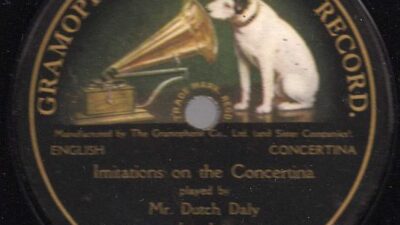
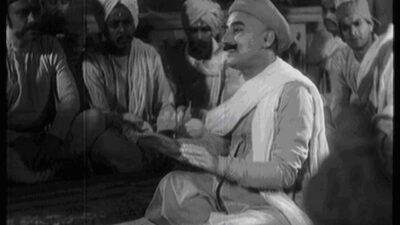
Songs Sung · गाए गीत
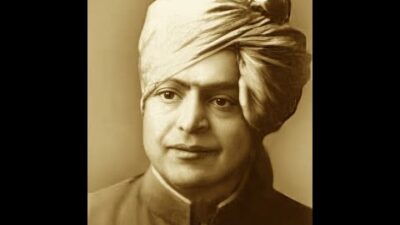
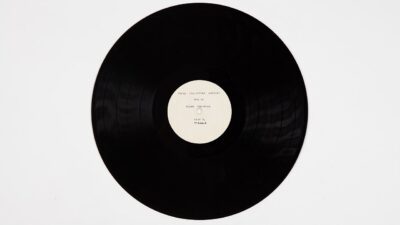
नाट्य-पद — आरंभिक रिकॉर्डिंग, मास्टर कृष्णराव
Natya-Pad — Early Recordings, Master Krishnarao
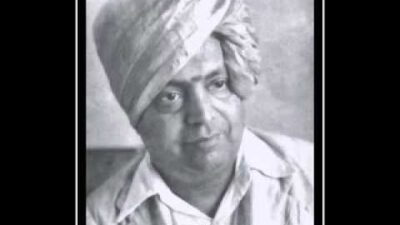
नाट्य-पद और ख़याल — मास्टर कृष्णराव के तवे
Natya-Pad and Khayal Sides — Master Krishnarao