गीत विंग · गीत-पट्टिका · Song Plate
मुरली वाले तुम जवाब दो
Murali Wale Tum Jawab Do
मुरली वाले से जवाब माँगता भक्त — बंद रहते मंदिर पर बनी प्रभात की फ़िल्म का सबसे तीखा शीर्षक।
भावभक्ति · तीव्र · दार्शनिक
भाषाhindi
श्रेय
The Creditsसूत्र-वाक्य · The Hook
सूत्र-वाक्य
मुरली वाले से जवाब माँगता भक्त — बंद रहते मंदिर पर बनी प्रभात की फ़िल्म का सबसे तीखा शीर्षक।
In EnglishA devotee demanding an answer from the flute-player — the sharpest title in a Prabhat film about a temple that stays shut.
पट्टिका-लेख
The Monographपरिचय Overview
'मुरली वाले तुम जवाब दो' 'लाखारानी' (1945) के छह गीतों में से एक है — वही प्रभात फिल्म कंपनी की फ़िल्म जिससे गुरु दत्त ने अभिनय की शुरुआत की। इसे क़मर जलालाबादी ने लिखा और मास्टर कृष्णराव फुलंब्रीकर ने स्वरबद्ध किया। इस दौर का मानक संदर्भ-ग्रंथ 'हिंदी फ़िल्म गीत कोश' गीत और उसका रिकॉर्ड नंबर तो देता है, गायक नहीं, और रिकॉर्डिंग की कोई प्रति ऑनलाइन नहीं मिली; इसलिए यहाँ केवल वे ही श्रेय दर्ज हैं जो प्रमाणित हैं।
अंग्रेज़ी में पढ़ें · Read in English
'Murali Wale Tum Jawab Do' is one of the six songs of Lakharani (1945), the Prabhat Film Company production in which Guru Dutt made his acting debut. Qamar Jalalabadi wrote it and Master Krishnarao Phulambrikar set it. Hindi Film Geet Kosh, the standard reference for the period, gives the song and its record number but no singer, and no copy of the recording has been traced online; the credits recorded here are therefore limited to those that are documented.
संगीत The Music
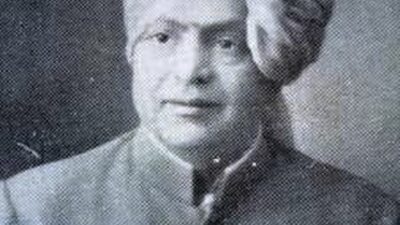
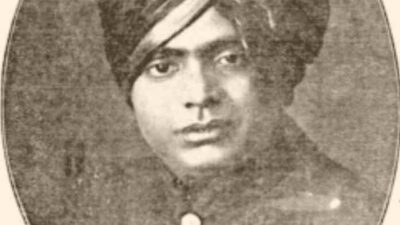
रिकॉर्डिंग नहीं मिली, इसलिए इसकी धुन, संयोजन और स्वर का वर्णन बिना गढ़े नहीं किया जा सकता। जो एक बात भरोसे से कही जा सकती है, वह इसके पीछे का हाथ है। कृष्णाजी गणेश फुलंब्रीकर (1898–1974) हिंदुस्तानी गायक थे, जिन्होंने 1911 से भास्करबुवा बखले और उससे पहले सवाई गंधर्व के सान्निध्य में तालीम ली, जो मराठी संगीत-रंगमंच के संगीतकार रहे और बाद में संगीत नाटक अकादमी फ़ेलो बने — और उनके फ़िल्मी गीत उसी तालीम के प्रति वफ़ादार रहे।
अंग्रेज़ी में पढ़ें · Read in English
The recording has not been traced, so its melody, scoring and voice cannot be described without inventing them. The one thing that can be said with confidence is the hand behind it. Krishnaji Ganesh Phulambrikar (1898–1974) was a Hindustani vocalist trained from 1911 under Bhaskarbuwa Bakhale and earlier around Sawai Gandharva, a composer for the Marathi musical stage, later a Sangeet Natak Akademi Fellow, and the film songs he wrote stayed loyal to that training.
काव्य The Poetry
शीर्षक-पंक्ति वहाँ माँग रखती है जहाँ भक्ति-गीत आमतौर पर विनती रखते हैं: कृपा की याचना नहीं, जवाब का तलब। कृष्ण को मुरली वाले कहकर संबोधित करना और फिर उनसे हिसाब माँगना भक्ति-काव्य की एक स्वीकृत धारा है — भक्त का उलाहना देने का अधिकार — और जिस फ़िल्म का पूरा विषय ही मंदिर के दरवाज़े के बाहर रोक दिए गए उपासकों का समुदाय है, उसमें विनम्र के बजाय इस तेवर का चुनाव पढ़ा जा सकता है। चूँकि रिकॉर्डिंग नहीं मिली, शीर्षक से आगे यहाँ कुछ वर्णित नहीं है।
अंग्रेज़ी में पढ़ें · Read in English
The title line puts a demand where devotional songs usually put a plea: not a request for grace but a summons to answer. Addressing Krishna as the flute-player and then asking him to account for himself is a recognised strain in bhakti poetry — the devotee's right to complain — and in a film whose whole subject is a community of worshippers kept outside the temple door, the choice of that register rather than a submissive one is legible. Because the recording has not been found, nothing beyond the title is described here.
कहानी The Story
प्रभात ने 'लाखारानी' को मंदिर-प्रवेश के प्रश्न के इर्द-गिर्द बनाया — 1940 के दशक के जीवंत सामाजिक सुधार-विवादों में से एक — और उसे आदिवासी तथा वन-जीवन की पृष्ठभूमि में रखा। दुर्गा खोटे बिछवा हैं, उस श्रद्धालु पर बहिष्कृत समुदाय की रानी; उनकी बेटी लाखारानी पड़ोसी नास्तिक समुदाय में विवाह कर अपने ही लोगों से निकाल दी जाती है; दोनों समूह खुले संघर्ष में उतर आते हैं, जब तक ईश्वर पृथ्वी पर प्रकट नहीं होते और अस्पृश्यता समाप्त नहीं हो जाती। विश्राम बेडेकर ने इसे लिखा और निर्देशित किया। फ़िल्म असफल रही — कुछ इसलिए कि दर्शक इस परिवेश से जुड़ नहीं पाए, और कुछ इसलिए, जैसा उस दौर के इतिहासकार मानते हैं, कि संगीत 1945 की रुचि से मेल नहीं खाता था।
अंग्रेज़ी में पढ़ें · Read in English
Prabhat built Lakharani around the temple-entry question, one of the live social reform arguments of the 1940s, and set it among tribal and forest people. Durga Khote plays Bichwa, queen of the devout but excluded community; her daughter Lakharani marries into a neighbouring community of unbelievers and is cast out by her own; the two groups fall into open conflict until God appears on earth and untouchability is abolished. Vishram Bedekar wrote and directed. The film failed, partly because the audience could not identify with the setting and partly, in the judgement of historians of the period, because the music no longer matched the taste of 1945.
विरासत The Legacy
'लाखारानी' का कोई प्रिंट नहीं बचा और इसके अधिकांश रिकॉर्ड चलन से ग़ायब हो गए; छह गीतों में से कुछ ही पिछले दशक में सामने आए — एक निजी संग्रहकर्ता के ज़रिए और बाद में सारेगामा के अपने अपलोड से। यह गीत अब भी लापता है। 'हिंदी फ़िल्म गीत कोश' और मानक गीत-डेटाबेस में इसकी प्रविष्टि ही इसका एकमात्र निशान है, और यह रिकॉर्ड मिल जाना मास्टर कृष्णराव के फ़िल्मी काम के बहुत छोटे बचे-खुचे साक्ष्य में एक और कड़ी जोड़ देगा।
अंग्रेज़ी में पढ़ें · Read in English
No print of Lakharani survives and most of its records vanished from circulation; of the six songs, only a few have resurfaced in the last decade, through a private collector and later through Saregama's own uploads. This one is still missing. Its listing in Hindi Film Geet Kosh and on the standard song databases is the only trace of it, and recovering the disc would add a fifth or sixth data point to a very small body of surviving evidence about Master Krishnarao's film work.
वर्गीकरण
ClassificationGenre
अन्य विवरण
More Details- https://www.hindigeetmala.net/movie/lakharani.htm
- https://en.wikipedia.org/wiki/List_of_Hindi_films_of_1945
- https://en.wikipedia.org/wiki/Krishnarao_Phulambrikar
References
रोचक तथ्य
Margin Notes'लाखारानी' के छह में से तीन गीत किसी न किसी रूप में कृष्ण को संबोधित हैं — मुरली वाले के रूप में, श्याम के रूप में, और फ़िल्म के मंदिर-वाले शीर्षक-गीत में।
अंग्रेज़ी में पढ़ें · Read in English
Three of Lakharani's six songs are addressed to Krishna in one form or another — as Murli Wale, as Shyam, and in the film's temple theme song.
मास्टर कृष्णराव को तीन नए हिंदुस्तानी राग रचने का श्रेय दिया जाता है और वे संगीत नाटक अकादमी फ़ेलो थे — 1940 के दशक के किसी बंबइया फ़िल्म-संगीतकार के लिए असामान्य रूप से शास्त्रीय पृष्ठभूमि।
अंग्रेज़ी में पढ़ें · Read in English
Master Krishnarao is credited with creating three new Hindustani raags and was a Sangeet Natak Akademi Fellow — an unusually classical pedigree for a 1940s Bombay film composer.
नमूना-पट्टी
The Specimen Table| शीर्षक | मुरली वाले तुम जवाब दो · Murali Wale Tum Jawab Do |
|---|---|
| फ़िल्म | लाखारानी · 1945 |
| वर्ष · युग | 1945 |
| गीतकार | Qamar Jalalabadi |
| संगीतकार | Master Krishnarao |
| भाषा | hindi |
| भाव | भक्ति · तीव्र · दार्शनिक |
| लोकप्रियता | Obscure |
| बोल-स्थिति | केवल झलक |
जुड़े हुए पन्ने
Connected Plates · The Graph Made Visibleअटलस में कोई पन्ना अकेला नहीं — इस गीत से जुड़े गीत, कलाकार, फ़िल्म, राग-ताल-विधा, सब यहाँ से खुलते हैं।
कलाकार · The Artists
फ़िल्म · The Film
साझा कीजिए · Share this Plate