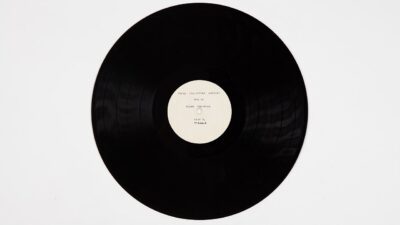
गीत विंग · गीत-पट्टिका · Song Plate
ना माने कोई दिल की बातें
Na Mane Koi Dil Ki Baatein
दिल जो कह रहा है उसे कोई सुनने को तैयार नहीं — 'नीलम' में रोशन आरा बेगम के दो गीतों में से दूसरा।
भावमीठा-कड़वा · उदास
भाषाhindi-urdu गतिमध्यम स्वरूपएकल महिला
श्रेय
The Creditsसूत्र-वाक्य · The Hook
सूत्र-वाक्य
दिल जो कह रहा है उसे कोई सुनने को तैयार नहीं — 'नीलम' में रोशन आरा बेगम के दो गीतों में से दूसरा।
In EnglishNobody will listen to what the heart is saying — the second of Roshan Ara Begum's two songs in Neelam.
पट्टिका-लेख
The Monographपरिचय Overview
'नीलम' में रोशन आरा बेगम का दूसरा एकल, और फ़िल्म के नौ गीतों में से दूसरा जिसका ऑडियो बचा है। लगभग तीन मिनट की यह रचना याचना नहीं, शिकायत पर टिकी है: दिल को कुछ कहना है और दुनिया ने पहले ही तय कर रखा है कि उस पर यक़ीन नहीं करना। 'आज बस में नहीं दिल मेरा' के साथ मिलकर यही जोड़ी आज पूरे संगीत-संकलन की पहचान है।
अंग्रेज़ी में पढ़ें · Read in English
The second Roshan Ara Begum solo in Neelam, and the second of the film's nine songs for which audio survives. It runs to about three minutes and turns on a complaint rather than a plea: the heart has something to say and the world has decided in advance not to believe it. Along with 'Aaj Bas Mein Nahin Dil Mera' it forms the pair by which the whole soundtrack is now known.
संगीत The Music
ख़ान मस्ताना यह गीत उसी ख़ाके पर रचते हैं जिस पर फ़िल्म का दूसरा रोशन आरा बेगम वाला गीत बना है — सादी संगत, एक आरामदेह दायरे में रहती धुन, और गायिका के लिए खुले छोड़े गए वाक्यांश-अंत। ख़याल में तालीम पाई आवाज़ पर इस संयम का असर यह होता है कि अलंकार जब आता है तो प्रदर्शन नहीं, भाव बनकर दर्ज होता है; संगीत-संयोजन में कुछ भी उससे होड़ नहीं करता।
अंग्रेज़ी में पढ़ें · Read in English
Khan Mastana writes to the same brief as the film's other Roshan Ara Begum number — a modest accompaniment, a melody that stays within a comfortable range, and phrase-ends left open for the singer. The effect of that restraint on a voice trained in khayal is that the ornament, when it comes, registers as feeling rather than as display; nothing in the arrangement competes with it.
काव्य The Poetry
शीर्षक स्थिति को सपाट ढंग से रख देता है — दिल की बात का कोई सुनने वाला नहीं — और यही सपाटपन ही असल बात है। 1940 के दशक के उर्दू-हिंदी फ़िल्मी बोलों में 'जिस पर यक़ीन न किया जाए' वह प्रेमी एक जाना-पहचाना चरित्र है, लेकिन आम तौर पर वह बहस करता है: क़समें खाता है, सबूत देता है, प्रिय के पुराने वादे याद दिलाता है। हुनर की नायिका इनमें से कुछ नहीं करती। वह बस दर्ज करती है कि दिल की बात कोई नहीं मानता और उस टिप्पणी को वहीं छोड़ देती है — जिससे प्रेमी का विरोध एक आम टिप्पणी में बदल जाता है कि सच्चाई को दुनिया कैसे लेती है। एक ऐसी फ़िल्म के लिए लिखी गई यह पंक्ति, जिसे बस 'सोशल' कहा गया, प्रिय के संदेह पर भी उतनी ही ठीक बैठती है जितनी घर की नामंज़ूरी पर।
अंग्रेज़ी में पढ़ें · Read in English
The title states the situation flatly — the heart's words find no listener — and that flatness is the point. In the Urdu-Hindi film lyric of the 1940s the disbelieved lover is a stock figure, but the usual move is to argue: to swear, to offer proof, to invoke the beloved's own past promises. Hunar's speaker does none of that. She notes that nobody accepts what the heart says and lets the observation stand, which converts a lover's protest into something closer to a general statement about how sincerity is received. Written for a picture classed simply as a 'Social', the line reads as well against family disapproval as against a beloved's doubt.
कहानी The Story
'नीलम' (1945) ए. एच. प्रोडक्शंस, बंबई की एक सामाजिक फ़िल्म थी, जिसका निर्देशन अहमद ईसा ने किया; नौ के नौ गीत सी. एम. हुनर ने लिखे और संगीत ख़ान मस्ताना का है। कास्ट का नेतृत्व हरीश और मीना ने किया, और उनके साथ जगदीश सेठी, यशोधरा काटजू, कन्हैयालाल, कल्याणी, सत्यरानी, मेहदी रज़ा, सयानी तथा अब्दुल हुसैन थे। फ़िल्म की कथा-रूपरेखा कहीं भी सुरक्षित नहीं है और न ही इसका कोई प्रिंट प्रचलन में जाना जाता है; गीत एचएमवी के बजाय स्वदेशी लेबल 'यंग इंडिया' पर जारी हुए, और वही शेलैक तवे इस फ़िल्म का संगीत आज तक ले आए हैं।
अंग्रेज़ी में पढ़ें · Read in English
Neelam (1945) was a social picture from A. H. Productions, Bombay, directed by Ahmed Essa, with all nine songs written by C. M. Hunar and composed by Khan Mastana. The cast was led by Harish and Meena, with Jagdish Sethi, Yashodhara Katju, Kanhaiyalal, Kalyani, Satyarani, Mehdi Raza, Sayani and Abdul Hussain in support. No plot summary of the film survives anywhere, and no print is known to circulate; the songs were issued on the indigenous Young India label rather than on HMV, and it is those shellac discs that carried the film's music into the present.
विरासत The Legacy
अपने साथी गीत की तरह यह भी सिर्फ़ इसलिए दोबारा प्रचलन में आया क्योंकि लगभग 2018 में एक संग्राहक ने इसका ऑडियो एक वीडियो मंच पर डाल दिया। न इसका कोई चार्ट-इतिहास है, न पुनर्प्रकाशन, न रेडियो-जीवन; रोशन आरा बेगम की ये दो रिकॉर्डिंगें बस उस फ़िल्म का बचा हुआ टुकड़ा हैं जो बाक़ी सब तरह से केवल शीर्षकों की सूची भर है। ये जो दर्ज करती हैं वह एक सचमुच दिलचस्प करियर-टिप्पणी है — किराना घराने की एक उस्ताद गायिका का, विभाजन द्वारा उनका जीवन बदल देने से ठीक पहले के वर्षों में, बंबई की एक छोटी स्वतंत्र फ़िल्म को कुछ देर अपनी आवाज़ देना।
अंग्रेज़ी में पढ़ें · Read in English
Like its companion piece, this song came back into circulation only because a collector uploaded the audio to a video-sharing platform around 2018. It has no chart history, no reissue and no radio life; the two Roshan Ara Begum recordings are simply the surviving fragment of a film that otherwise exists as a list of titles. What they document is a career footnote of real interest — a Kirana gharana master briefly lending her voice to a small Bombay independent in the last years before Partition redrew her life.
वर्गीकरण
Classification- Tempo
- Medium
Genre
अन्य विवरण
More Details- https://www.hindigeetmala.net/movie/neelam.htm
- https://myswar.co/album/neelam-1945
- https://en.wikipedia.org/wiki/List_of_Hindi_films_of_1945
- https://atulsongaday.me/2021/08/24/aaj-bas-mein-nahin-dil-mera/
- https://archive.org/details/a_20210503_20210503_1724
- https://en.wikipedia.org/wiki/Khan_Mastana
- https://en.wikipedia.org/wiki/Roshan_Ara_Begum
- https://www.cinemaazi.com/people/khan-mastana-
- https://www.theheritagelab.in/young-india-record-label-homegrown/
- https://atulsongaday.me/tag/neelam/
- https://www.youtube.com/watch?v=ARQiVEFMceo
References
रोचक तथ्य
Margin Notesरोशन आरा बेगम (1917–1982) ने किराना घराने में अब्दुल करीम ख़ाँ से तालीम पाई और आगे चलकर पाकिस्तान में उन्हें 'मलिका-ए-मौसीक़ी' की उपाधि मिली; उन्होंने गिनी-चुनी फ़िल्मों में ही पार्श्वगायन किया। 'नीलम' उन्हीं में से एक है — 'पहली नज़र' (1945) और 'जुगनू' (1947) के साथ।
अंग्रेज़ी में पढ़ें · Read in English
Roshan Ara Begum (1917–1982), trained in the Kirana gharana by Abdul Karim Khan and later honoured in Pakistan as Malika-e-Mauseeqi, the Queen of Music, sang playback in only a handful of films. Neelam is one of them, alongside Pehli Nazar (1945) and Jugnu (1947).
सी. एम. हुनर ने 'नीलम' के नौ के नौ गीत लिखे। सिनेमाज़ी विश्वकोश उनकी कुल पाँच फ़िल्मों की सूची दर्ज करता है — 'नीलम' (1945), 'कांगू' (1946), 'दिलदार' (1947), 'नाइट बर्ड' (1961) और 'काला जादू' (1963) — और इसके अलावा उनके बारे में लगभग कुछ भी दर्ज नहीं है।
अंग्रेज़ी में पढ़ें · Read in English
C. M. Hunar wrote all nine of Neelam's songs. The Cinemaazi encyclopaedia records a filmography of only five films for him — Neelam (1945), Kangoo (1946), Dildar (1947), Night Bird (1961) and Kala Jadoo alias Black Magic (1963) — and almost nothing else about him is recorded.
'नीलम' के गीत 'यंग इंडिया' पर जारी हुए — बंबई का वह लेबल जिसे नैशनल ग्रामोफ़ोन रिकॉर्ड मैन्युफ़ैक्चरिंग कं. लि. ने 1934 में विदेशी ग्रामोफ़ोन कंपनियों के स्वदेशी प्रतिद्वंद्वी के रूप में शुरू किया था। उसने सैकड़ों 78-आरपीएम शेलैक तवे दबाए और उभरते कलाकारों को प्रोत्साहित करने पर ज़ोर दिया, और 1955 में उसका वडाला कारख़ाना बंद हो गया — यही वजह है कि उस पर छपा लगभग कुछ भी दोबारा जारी नहीं हुआ।
अंग्रेज़ी में पढ़ें · Read in English
Neelam's songs were issued on Young India, the Bombay label founded in 1934 by The National Gramophone Record Manufacturing Co. Ltd. as an indigenous rival to the foreign-owned gramophone companies. It pressed hundreds of 78-rpm shellac discs and made a point of encouraging emerging talent, and its Wadala plant shut in 1955 — which is why almost nothing on it was ever reissued.
नमूना-पट्टी
The Specimen Table| शीर्षक | ना माने कोई दिल की बातें · Na Mane Koi Dil Ki Baatein |
|---|---|
| फ़िल्म | नीलम · 1945 |
| वर्ष · युग | 1945 |
| गायक | रोशन आरा बेगम |
| गीतकार | सी. एम. हुनर |
| संगीतकार | Khan Mastana |
| स्वरूप | एकल महिला |
| गति | मध्यम |
| भाषा | hindi-urdu |
| भाव | मीठा-कड़वा · उदास |
| लोकप्रियता | Obscure |
| बोल-स्थिति | केवल झलक |
जुड़े हुए पन्ने
Connected Plates · The Graph Made Visibleअटलस में कोई पन्ना अकेला नहीं — इस गीत से जुड़े गीत, कलाकार, फ़िल्म, राग-ताल-विधा, सब यहाँ से खुलते हैं।
मिलते-जुलते गीत · Related Songs
कलाकार · The Artists
फ़िल्म · The Film
साझा कीजिए · Share this Plate