कहानियाँ विंग · कहानी · Music History · 1934
अमृत मंथन: वह आँख जिसने भारतीय सिनेमा को चौंका दिया
Amrit Manthan: The Eye That Stunned Indian Cinema
प्रकाशित20 June 2026
आमुख
वी. शांताराम का 'अमृत मंथन' (1934) — प्रभात का पहला अखिल-भारतीय विजय — वह फ़िल्म जिसने टेलीफ़ोटो लेंस से पुजारी की आँख का पहला एक्सट्रीम क्लोज़-अप दिखाया, 'सिल्वर जुबिली' शब्द को जन्म दिया, और केशवराव भोळे के शास्त्रीय संगीत के साथ हिंदी-मराठी दोनों में एक साथ धर्मांधता को चुनौती दी।
अंग्रेज़ी में पढ़ें · Read in English
V. Shantaram's Amrit Manthan (1934) — Prabhat's first all-India triumph — the film that delivered Indian cinema's first telephoto extreme close-up (a priest's eye), coined the term 'silver jubilee', and challenged religious fanaticism simultaneously in Hindi and Marathi, to music by the classically trained Keshavrao Bhole.
एक आँख — और एक नया सिनेमा
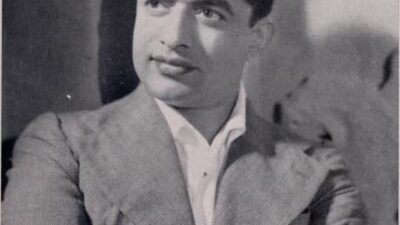
One eye — and a new cinema1934 में पुणे के प्रभात के नए ध्वनि-रोधी स्टूडियो में वी. शांताराम एक ऐसे दृश्य की तैयारी कर रहे थे जो भारतीय परदे पर पहले कभी नहीं दिखा था। कैमरे के सामने था चन्द्र मोहन का चेहरा — अभिनय की शुरुआत का क्षण, उनकी पहली फ़िल्म। शांताराम ने जर्मनी से मँगाया एक विशेष टेलीफ़ोटो लेंस लगाया और कैमरा एक पुजारी की दाहिनी आँख पर ले आए। वह आँख — कपटी, धर्मान्ध, सम्मोहक — पूरे पर्दे पर फैल गई। दर्शक सिहर उठे। भारतीय सिनेमा में यह पहला एक्सट्रीम क्लोज़-अप था — और टेलीफ़ोटो लेंस का पहला उपयोग। जर्मन एक्सप्रेशनिज़्म की छाया और रोशनी के खेल को शांताराम ने 'सैरंध्री' (1933) की जर्मन यात्रा से सीखा था; 'अमृत मंथन' में वह ज्ञान अपनी पहली पूर्ण अभिव्यक्ति पा रहा था।
अंग्रेज़ी में पढ़ें · Read in English
In 1934, inside Prabhat's newly built sound-proof studio in Pune, V. Shantaram was preparing a shot that had never been seen on an Indian screen. Before the camera stood Chandra Mohan — in his very first film — playing the High Priest. Shantaram fitted a telephoto lens specially imported from Germany, moved the camera close, and held the priest's right eye in frame. That eye — cunning, fanatical, hypnotic — swelled to fill the entire screen. Audiences were stunned. This was Indian cinema's first extreme close-up, and its first use of a telephoto lens. The play of light and shadow drawn from German Expressionism — a lesson absorbed during Prabhat's German journey for Sairandhri (1933) — was finding its fullest voice in Amrit Manthan.
राजा और पुजारी: एक समाज-सुधारक कथा
King and priest: a reformist fableनारायण हरि आप्टे के उपन्यास 'भाग्यश्री' पर आधारित 'अमृत मंथन' एक पौराणिक वेश में आधुनिक प्रश्न उठाता था: क्या धर्म के नाम पर होने वाले नरबलि और पशुबलि को सहन किया जाए? राजा क्रान्तिवर्मा इन कुरीतियों को बंद करते हैं; राजगुरु — वह कपटी महायाजक — षड्यंत्र रचता है और राजा की हत्या कराता है। राजकुमारी और उसके भाई भागते हैं; अंत में प्रजा और सत्य की जीत होती है। यह कथा अपने समय से बहुत आगे थी — अंधविश्वास और धार्मिक कट्टरता पर सीधा प्रहार। फ़िल्म एक साथ हिंदी और मराठी, दोनों भाषाओं में बनाई गई थी: एक ही सेट पर, एक ही शॉट, दो बार — दोनों संस्करणों में शांता आप्टे और चन्द्र मोहन की मुख्य भूमिकाएँ थीं। प्रभात की पहली बिलिंग्वल प्रस्तुति, और पहली अखिल-भारतीय सफलता।
अंग्रेज़ी में पढ़ें · Read in English
Based on Narayan Hari Apte's novel Bhagyashree, Amrit Manthan posed a modern question in ancient costume: should animal and human sacrifice in the name of religion be tolerated? King Krantivarma bans these practices; the Rajguru — that scheming High Priest — conspires to have him assassinated. The king's children flee; in the end truth and the people prevail. The story was ahead of its time — a direct indictment of blind faith and religious fanaticism. The film was made simultaneously in Hindi and Marathi on the same sets with the same shots, both versions led by Shanta Apte and Chandra Mohan. It was Prabhat's first bilingual production and its first all-India hit.
रजत जयंती — और एक नया शब्द
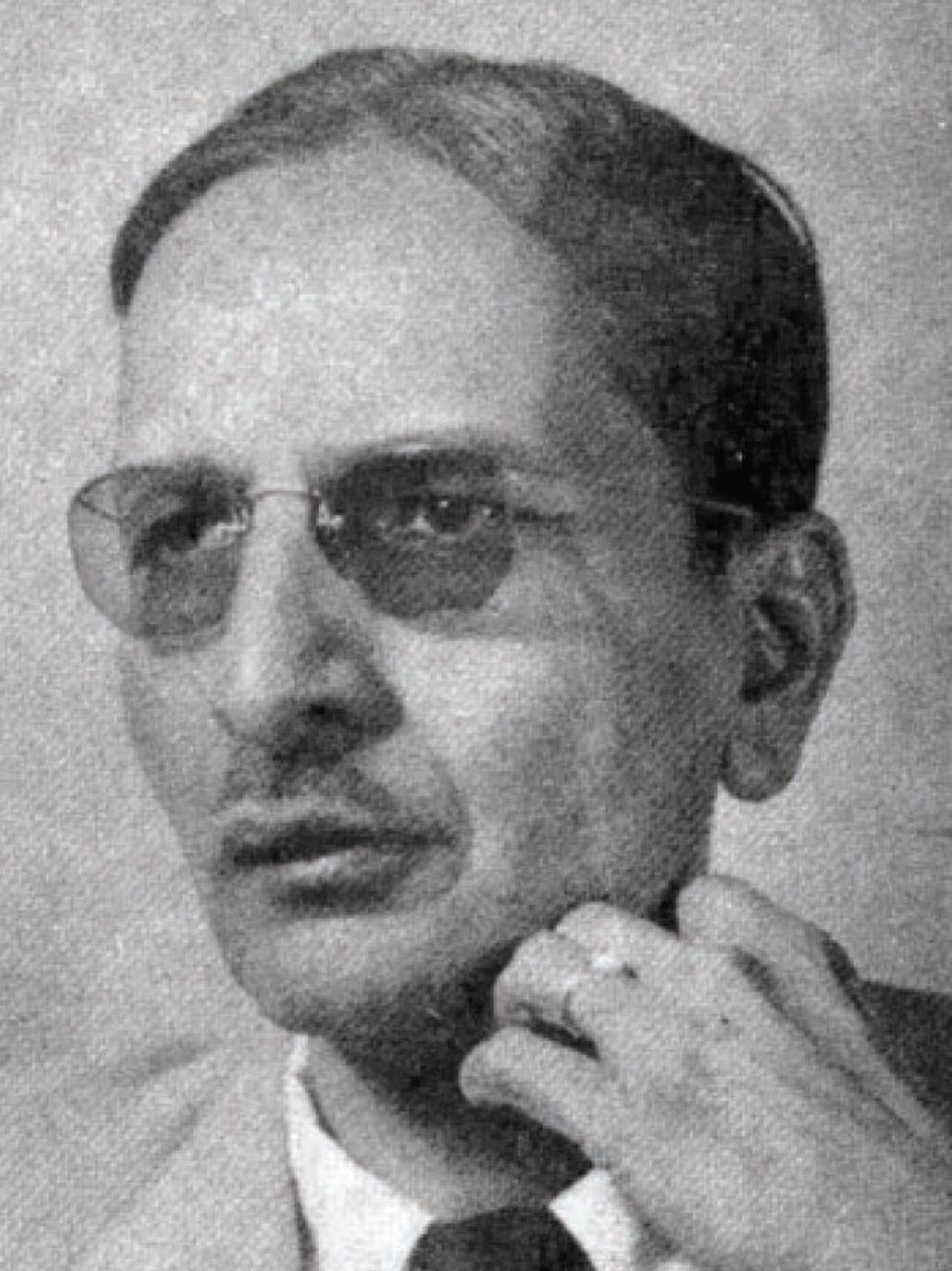
Silver jubilee — and a new wordजब 'अमृत मंथन' का हिंदी संस्करण मुंबई के एक सिनेमाघर में लगातार पचीसवें सप्ताह चल रहा था, तब प्रभात के वितरक बाबूराव पाई के मन में एक विचार आया। उन्होंने उस उपलब्धि को एक नाम दिया — 'सिल्वर जुबिली'। यह शब्द उसी दिन भारतीय सिनेमा में प्रवेश कर गया और आज तक वहाँ है। फ़िल्म एक सिनेमाघर में तीस सप्ताह तक चली — 1934 में यह एक अकल्पनीय उपलब्धि थी। संगीत केशवराव भोळे का था, जो 1933 में प्रभात से जुड़े थे और जिनकी शास्त्रीय पृष्ठभूमि — गोहरजान की ग्रामोफ़ोन रिकॉर्डों से सीखी, विष्णु दिगंबर पलुस्कर और बाल गंधर्व के साथ रचाई — ने 'अमृत मंथन' के नाटकीय क्षणों को संगीत की गहराई दी। शांता आप्टे ने चार गीत गाए; भारतीय सिनेमा की एक ग़ज़ल का श्रेय भी इसी फ़िल्म को दिया जाता है। 'अमृत मंथन' ने वेनिस अंतरराष्ट्रीय फ़िल्म महोत्सव में भी भारत का प्रतिनिधित्व किया — लंदन के अख़बारों में तस्वीरें छपीं — और प्रभात फ़िल्म कंपनी को उस ऊँचाई तक पहुँचाया जहाँ से वह अगले एक दशक तक भारतीय सिनेमा की अंतरात्मा बनी रही।
अंग्रेज़ी में पढ़ें · Read in English
When Amrit Manthan's Hindi version was completing its twenty-fifth week at a Bombay cinema, Prabhat's distributor Baburao Pai reached for a phrase to mark the occasion. He coined 'silver jubilee' — and the term has never left Indian cinema since. The film ran for thirty weeks at that single theatre, an unimaginable feat in 1934. Music was by Keshavrao Bhole, who had joined Prabhat in 1933: his classical background — self-taught through Goharjan's gramophone records, refined alongside Bal Gandharva and Vishnu Digambar Paluskar — gave Amrit Manthan's dramatic moments genuine musical depth. Shanta Apte sang four songs; the film is also credited with featuring Indian cinema's first recorded ghazal. Amrit Manthan went on to represent India at the Venice International Film Festival, earned notices in London newspapers, and raised Prabhat Film Company to the height from which it would remain the conscience of Indian cinema for a decade.
परिचय
IdentityEpithet
Silver jubilee, telephoto close-up, and Prabhat's first all-India triumph
अन्य विवरण
More DetailsKey Figures
कहानी-नमूना
The Story Specimen| शीर्षक | अमृत मंथन: वह आँख जिसने भारतीय सिनेमा को चौंका दिया · Amrit Manthan: The Eye That Stunned Indian Cinema |
|---|---|
| श्रेणी | Music History |
| प्रकार | विशेष लेख |
| प्रकाशित | 20 June 2026 — admin |
| वर्ष | 1934 |
और कहानियाँ
More Stories from the Atlas
साझा कीजिए · Share this Plate
यह पन्ना आगे बढ़ाइए
सवाल-जवाब
Questions & Answers'अमृत मंथन' ने 'सिल्वर जुबिली' शब्द को कैसे जन्म दिया? · How did Amrit Manthan give birth to the term 'silver jubilee'?
जब 1934 में यह फ़िल्म मुंबई के एक सिनेमाघर में पचीसवें सप्ताह पहुँची, तो प्रभात के वितरक बाबूराव पाई ने इस उपलब्धि को 'सिल्वर जुबिली' नाम दिया — भारतीय सिनेमा में यह पहली बार था। फ़िल्म उसी सिनेमाघर में तीस सप्ताह तक चली।
When the film completed its twenty-fifth week at a Bombay cinema in 1934, Prabhat's distributor Baburao Pai named the achievement 'silver jubilee' — a first in the Indian film industry. The film went on to run for thirty weeks at that same theatre.
टेलीफ़ोटो लेंस का भारतीय सिनेमा में पहला उपयोग कैसे हुआ? · How was the telephoto lens first used in Indian cinema?
वी. शांताराम ने जर्मनी से विशेष टेलीफ़ोटो लेंस मँगाया और 'अमृत मंथन' (1934) में राजगुरु की दाहिनी आँख का एक्सट्रीम क्लोज़-अप लिया — ताकि उसकी सम्मोहक और कपटी शक्ति को पर्दे पर अभूतपूर्व तीव्रता से दिखाया जा सके। यह भारतीय सिनेमा का पहला ऐसा शॉट था।
V. Shantaram imported a special telephoto lens from Germany and used it in Amrit Manthan (1934) to capture an extreme close-up of the High Priest's right eye — conveying his hypnotic and malevolent power with unprecedented intensity on screen. It was the first such shot in Indian cinema.