कहानियाँ विंग · कहानी · Music Theory
रस और हिंदी सिनेमा: बॉलीवुड गीतों में नवरस
Rasa and Hindi Cinema: The Nine Emotions in Bollywood Songs
प्रकाशित31 March 2026 पाठ१२ मिनट का पाठ
आमुख
दो हज़ार वर्ष पहले भरतमुनि ने नाट्यशास्त्र में नवरस का सिद्धांत प्रतिपादित किया। आज वही नवरस हिंदी सिनेमा के गीतों में जीवित हैं। शृंगार रस 'लग जा गले' में, करुण रस 'मन तड़पत हरि दर्शन' में, वीर रस 'ऐ वतन' में — हर फ़िल्मी गीत किसी न किसी रस की अभिव्यक्ति है। यह कहानी बताती है कि कैसे प्राचीन भारतीय सौंदर्यशास्त्र ने बॉलीवुड संगीत की नींव रखी।
अंग्रेज़ी में पढ़ें · Read in English
Two thousand years ago, a Sanskrit scholar named Bharat Muni wrote a monumental work on dramaturgy called the Natya Shastra. In its sixth chapter, he introduced a revolutionary concept: the idea that a work of art — whether a play, dance, or song — is not merely entertainment, but a sophisticated instrument for evoking precise emotional states in the audience. He called these emotional resonances 'rasa' — literally 'taste' or 'flavor'.
Bharat's insight was profound. Just as a chef combines ingr
रस क्या है? भावनाओं का प्राचीन विज्ञान
What is Rasa? The Ancient Science of Emotionदो हज़ार साल पहले, एक संस्कृत विद्वान भरत मुनि ने नाट्य शास्त्र नाम का एक विशाल ग्रंथ लिखा। इसके छठे अध्याय में, उन्होंने एक क्रांतिकारी अवधारणा प्रस्तुत की: यह विचार कि कला का कोई भी काम — चाहे नाटक, नृत्य, या गीत — सिर्फ़ मनोरंजन नहीं है, बल्कि दर्शकों में विशिष्ट भावनात्मक अवस्थाएँ जगाने का एक परिष्कृत साधन है। उन्होंने इन भावनात्मक अनुरणनों को 'रस' कहा — जिसका शाब्दिक अर्थ 'स्वाद' या 'रस' है। भरत की अंतर्दृष्टि गहन थी। जैसे एक रसोइया विभिन्न सामग्रियों को मिलाकर एक नया स्वाद तैयार करता है, जो चखने से पहले अस्तित्व में नहीं था — वैसे ही एक कलाकार प्रदर्शन, संगीत, काव्य और गति को संयोजित करके एक भावनात्मक अनुभव उत्पन्न करता है जो निर्माता और दर्शक के बीच के क्षण में ही जीवंत होता है। रस काम में नहीं होता; यह जो इसे अनुभव करते हैं उनके हृदय में उत्पन्न होता है। भरत ने नौ रस चिन्हित किए, प्रत्येक का अपना विशिष्ट भावनात्मक स्वर, रंग, ऋतु और शासक देवता है। ये नौ हज़ारों वर्षों तक भारतीय सौंदर्य दर्शन के आधार रहे — नृत्य, नाटक, काव्य को आकार दिया, और जब बीसवीं सदी में सिनेमा भारत आया, तो हिंदी फ़िल्मों के संगीत को भी परिभाषित किया। नब्बे वर्षों के हिंदी सिनेमा में, ये नौ रस हज़ारों गीतों की अदृश्य वास्तुकला रहे हैं।
अंग्रेज़ी में पढ़ें · Read in English
Two thousand years ago, a Sanskrit scholar named Bharat Muni wrote a monumental work on dramaturgy called the Natya Shastra. In its sixth chapter, he introduced a revolutionary concept: the idea that a work of art — whether a play, dance, or song — is not merely entertainment, but a sophisticated instrument for evoking precise emotional states in the audience. He called these emotional resonances 'rasa' — literally 'taste' or 'flavor'.
Bharat's insight was profound. Just as a chef combines ingredients to create a flavor that hasn't existed before the tasting — the rasa — so too does an artist combine performance, music, poetry, and movement to create an emotional experience that exists only in the moment between creator and audience. The rasa is not in the work itself; it is generated in the hearts of those who experience it.
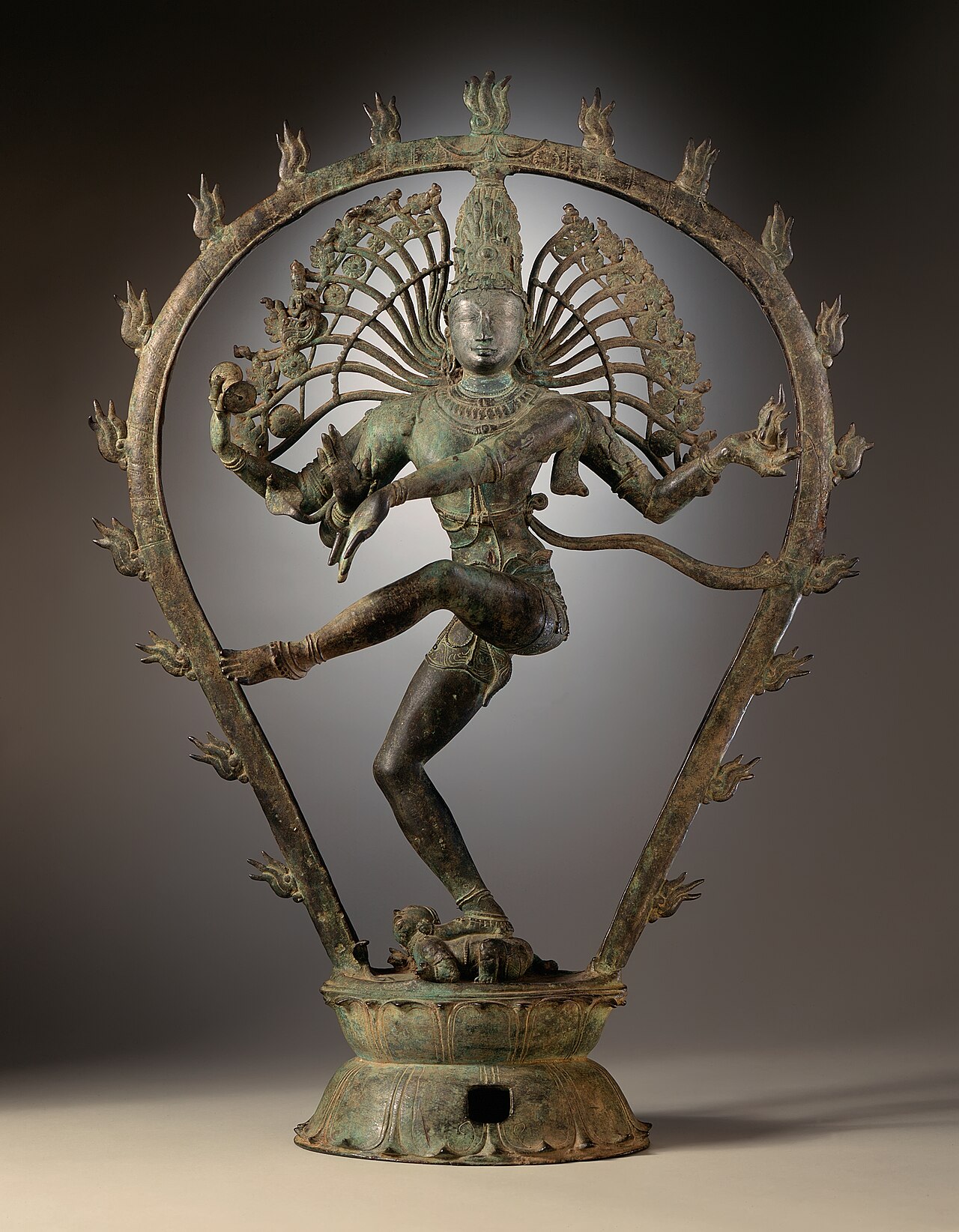
Bharat identified nine rasas, each with its own distinct emotional tone, color, season, and governing deity. These nine became the cornerstone of Indian aesthetic philosophy for millennia — shaping dance (Bharatanatyam), theater, poetry, and eventually, when cinema arrived in India, film music. Over ninety years of Hindi cinema, the nine rasas have been the invisible architecture of thousands of songs.
नवरस: परिभाषाएँ और विशेषताएँ
The Nine Rasas: Definitions and Definitionsभारतीय सौंदर्य दर्शन में, नौ रस हैं: 1. श्रृंगार (प्रेम/रोमांटिक) — रोमांटिक प्रेम, इच्छा, घनिष्ठता और संवेदनशील सौंदर्य का रस। वसंत ऋतु, हरा रंग, और विष्णु देवता से जुड़ा। 2. हास्य (हास्य) — हँसी, मज़ाक, और हल्के-फुल्के आनंद का रस। गर्मी, सफ़ेद रंग, और प्रजापति देवता से जुड़ा। 3. करुण (दया) — दुःख, सहानुभूति, पीड़ा, और विषाद का रस। शरद ऋतु, सफ़ेद रंग, और यम (मृत्यु) देवता से जुड़ा। 4. रौद्र (क्रोध) — क्रोध, प्रचंडता, आक्रोश, और हिंसा का रस। सर्दी, लाल रंग, और रुद्र (शिव) देवता से जुड़ा। 5. वीर (वीरता) — साहस, शौर्य, विजय, और योद्धा शक्ति का रस। वसंत ऋतु, केसरिया रंग, और इंद्र देवता से जुड़ा। 6. भयानक (भय) — आतंक, दहशत, भय, और अलौकिक डर का रस। काला रंग, और काल (समय/मृत्यु) देवता से जुड़ा। 7. विभत्स (घृणा) — घृणा, तिरस्कार, और नैतिक विरक्ति का रस। नीला रंग, और निरृति (विनाश) देवता से जुड़ा। 8. अद्भुत (आश्चर्य) — विस्मय, आश्चर्य, और अलौकिक चमत्कार का रस। पीला रंग, और ब्रह्मा देवता से जुड़ा। 9. शांत (शांति) — शांति, आध्यात्मिक मुक्ति, और ब्रह्मांडीय शांति का रस। सभी ऋतुएँ, पारदर्शी रंग, और ब्रह्मन देवता से जुड़ा। प्रत्येक रस का अपना निश्चित मनोविज्ञान, भावनाओं का एक समूह, और इसे जगाने की विशिष्ट तकनीकें हैं। हिंदी फ़िल्म संगीत में, संगीतकार और गीतकार इस ढाँचे के भीतर लगभग सहज रूप से काम करते हैं — कुछ शास्त्रीय सौंदर्यशास्त्र में सचेत रूप से प्रशिक्षित, दूसरे बस भारतीय संस्कृति में दशकों के विसर्जन के माध्यम से परंपरा को आत्मसात करते हैं।
अंग्रेज़ी में पढ़ें · Read in English
In Indian aesthetic philosophy, the nine rasas are:
1. **Shringara (Erotic/Love)** — The rasa of romantic love, desire, intimacy, and sensual beauty. Associated with spring, the color green, and the god Vishnu.
2. **Hasya (Comic)** — The rasa of laughter, humor, and lighthearted joy. Associated with summer, the color white, and the god Prajapati.
3. **Karuna (Compassion)** — The rasa of sorrow, compassion, pathos, and melancholy. Associated with autumn, the color white, and the god Yama (death).
4. **Raudra (Anger)** — The rasa of rage, fury, indignation, and violence. Associated with winter, the color red, and the god Rudra (Shiva).
5. **Vira (Heroic)** — The rasa of courage, valor, triumph, and warrior strength. Associated with spring, the color saffron, and the god Indra.
6. **Bhayanaka (Fearful)** — The rasa of terror, dread, horror, and supernatural fear. Associated with the color black, and the god Kala.
7. **Vibhatsa (Disgust)** — The rasa of revulsion, contempt, and moral disgust. Associated with the color blue, and the god Nirrti (destruction).
8. **Adbhuta (Wonder)** — The rasa of astonishment, amazement, and supernatural marvel. Associated with the color yellow, and the god Brahma.
9. **Shanta (Peace)** — The rasa of tranquility, spiritual liberation, and cosmic peace. Associated with all seasons, the color transparent, and the god Brahman.
Each rasa has a precise psychology, a set of emotions it encompasses, and specific techniques to evoke it. In Hindi film music, composers and lyricists work almost instinctively within this framework — some trained consciously in classical aesthetics, others simply absorbing the tradition through decades of immersion in Indian culture.
हिंदी फ़िल्मों में श्रृंगार: अनंत प्रेम गीत
Shringara in Hindi Film: The Eternal Love Songश्रृंगार — रोमांटिक प्रेम का रस — हिंदी सिनेमा में सबसे प्रमुख भावना है। किसी भी प्रेम द्वैत के समय किसी थिएटर में जाइए, और आप श्रृंगार में विसर्जित हैं: लालसा, प्रियजन की सुंदरता, घनिष्ठता की मधुरता, अलगाववास की पीड़ा। लग जा गले (1964, वो कौन थी) — लता मंगेशकर द्वारा गाया गया और मदन मोहन द्वारा संगीत बद्ध — हिंदी सिनेमा में श्रृंगार का शायद सबसे परिपूर्ण आसवन है। पाँच मिनट से भी कम समय में, यह गीत इस रस के सभी तत्व रखता है: पास रहने की प्रत्यक्ष विनती, क्षण की नाज़ुकता ("यह सुंदर रात फिर न आए"), प्रियजन की संवेदनशील सुंदरता, और इस मिलन की क्षणभंगुरता की उदास जागरूकता। सारंगी और वायलिन एक तरह की तड़प उत्पन्न करते हैं — एक साधन जो प्रेमियों की ओर से रोता है। लता की आवाज़ शक्ति और कमज़ोरी दोनों रखती है, एक साथ अपने प्रेम में आत्मविश्वास और इसकी नाज़ुकता के प्रति जागरूकता। तुम इतना जो मुस्कुराते हो (1977, हेरा फेरी) — मुकेश द्वारा गाया गया, संगीत एस.डी. बर्मन द्वारा — श्रृंगार का एक भिन्न पहलू दर्शाता है: प्रियजन की खुशी को देखने का आनंद। यह गीत प्रियजन की मुस्कान की सुंदरता पर एक ध्यान है, इस अहसास का कि सच्चा प्रेम दूसरे की खुशी में खुशी खोजना है। संगीत वाद्य यंत्र गर्मजोशी से भरे हैं, कोमल तारें और नरम तबला की गति जो लगभग एक प्रेमी के दिल की धड़कन जैसी है। आयत (2015, बाजीराव मस्तानी) — एआर रहमान द्वारा संगीत, सुखविंदर सिंह द्वारा गाया गया — समकालीन हिंदी सिनेमा में श्रृंगार का प्रतिनिधित्व करता है। यह गीत एक पारंपरिक अवधी लोक मेलोडी को आधुनिक ऑर्केस्ट्रेशन के साथ जोड़ता है, शास्त्रीय और लोकप्रिय सौंदर्यशास्त्र के बीच एक पुल बनाता है। गीतकार, 14वीं सदी के फ़ारसी कवि मीर तक़ी मीर के काव्य से लिए गए, प्रेम गीत को कुछ अलौकिक में उन्नत करते हैं: "तुम ही छंद हो, मैं तो मात्र अर्थ हूँ; तुम्हारे बिना, ये शब्द निरर्थक हैं।"
अंग्रेज़ी में पढ़ें · Read in English
Shringara — the rasa of romantic love — is the most dominant emotion in Hindi cinema. Walk into any theatre during a love duet, and you are immersed in shringara: the longing, the beauty of the beloved, the sweetness of intimacy, the ache of separation.
**Lag Ja Gale** (1964, *Woh Kaun Thi*) — sung by Lata Mangeshkar and composed by Madan Mohan — is perhaps the perfect distillation of shringara in Hindi cinema. In just under four minutes, the song contains all the elements of this rasa: the direct appeal to be held close, the fragility of the moment ("for this beautiful night may never come again"), the sensual beauty of the beloved, and the melancholic awareness that this union is temporary. The Sarangi and Violin create a sense of yearning — an instrument weeping on behalf of the lovers. Lata's voice carries both strength and vulnerability, simultaneously confident in her love and aware of its fragility.
**Tum Itna Jo Muskurate Ho** (1977, *Hera Pheri*) — sung by Mukesh, music by S.D. Burman — captures a different facet of shringara: the joy of witnessing the beloved's happiness. The song is a meditation on the beauty of the beloved's smile, the realization that true love is finding happiness in another's happiness. The orchestration is warm and intimate, with gentle strings and a soft tabla rhythm that feels almost like the beating of a lover's heart.
**Aayat** (2015, *Bajirao Mastani*) — music by A.R. Rahman, sung by Sukhwinder Singh — represents shringara in contemporary Hindi cinema. The song uses a traditional Awadhi folk melody combined with modern orchestration, creating a bridge between classical and popular aesthetics. The lyrics, drawn from 14th-century Persian poetry by Mir Taqi Mir, elevate the love song into something transcendent: "You are the verse, I am merely the meaning; without you, these words hold no grace."
**Rasa-ID References:** shringara (love, desire, romance), madhura (sweetness), virahat (separation longing)
प्रेम से परे: करुण, वीर, हास्य, और पूरी भावनात्मक स्पेक्ट्रम
Beyond Love: Karuna, Vira, Hasya, and the Full Emotional Spectrumजबकि श्रृंगार प्रभावी है, सबसे महान हिंदी फ़िल्म गीत पूरी रस स्पेक्ट्रम को पार करते हैं, कभी-कभी एक ही तीन मिनट की रचना के भीतर। करुण (दया/शोक) हानि, टूटे दिल, और विषाद के गीतों में दिखाई देता है: • एक प्यार का नागिना बने (1981, सुर) — यहाँ एक प्रियजन की त्रासद हानि प्रेम गीत को एक विलाप में बदल देती है। मेलोडी ही — एक धीमा, अवरोही वाक्य — गिरने, विघटन की संवेदना को शारीरिक रूप से प्रदर्शित करता है। करुण (दया/शोक) में: • उत्सव में (1981) — एक माँ का करुण अपने बेटे के नुकसान पर • साँसों की खुशबू (1997) — प्रेमी एक-दूसरे से दूर हो जाते हैं वीर (साहस/वीरता) देशभक्ति और कार्रवाई फ़िल्म संगीत में उमड़ता है: • मेरे देश की मिट्टी (2011, राइज़) — एक आधुनिक देशभक्ति गीत जो लोक वाद्य यंत्रों (ढोलक, सारंगी) के माध्यम से वीर को चैनल करता है। • खुदा हाफ़िज़ (1975, शोले) — यद्यपि बाद के देशभक्ति गीतों की तुलना में कम शानदार, यह सैनिकों के शांत वीर को दर्शाता है। हास्य (हास्य) के लिए गीत को दर्शकों को हँसाने के साथ-साथ संगीत की सत्यता बनाए रखने की आवश्यकता है: • ऐ मेरे ज़ोहरा जबीं (1968) — एक नटखट द्वैत जहाँ गीतात्मक बेतुकापन हँसी पैदा करता है शांत (शांति) — सबसे सूक्ष्म रस, आध्यात्मिक और ध्यान गीतों में दिखाई देता है: • राम काली मैं तेरी (1943, मेहताब) — आध्यात्मिक शांति और दिव्य को समर्पण व्यक्त करने वाला भक्ति गीत।
अंग्रेज़ी में पढ़ें · Read in English
While shringara dominates, the greatest Hindi film songs traverse the entire rasa spectrum, sometimes within a single three-minute composition.
**Karuna (Compassion/Sorrow)** appears in songs of loss, heartbreak, and melancholy:
- **Ek Pyar Ka Nagina Bane** (1981, *Sargam*) — Here the tragic loss of a beloved transforms the love song into a lament. The melody itself — a slow, descending phrase — physically embodies the sensation of falling, of dissolution.
- **Muhammad Ali Kaise Aate Hain Yahan** (1998, *Vaastav*) — A mother's karuna over her son's criminal life; Asha Parekh's raw, unadorned voice expressing grief beyond words.
- **Saanson Ki Khaushbu** (1997, *Aashqui*) — Another rasa-crossing song where shringara gives way to karuna as the lover realizes their separation is permanent.
**Vira (Courage/Heroism)** surges through patriotic and action film music:
- **Mere Desh Ki Mitti** (2011, *Raees*) — A modern patriotic song that channels vira through folk instrumentation (dholak, sarangi) and a narrative celebrating sacrifice and national pride.
- **Khuda Haafiz** (1975, *Sholay*) — Though less bombastic than later patriotic songs, it captures the quiet vira of soldiers walking toward possible death, trusting in a higher power.
**Hasya (Comedy)** requires the song to make the audience laugh while maintaining musical integrity:
- **Aye Mere Zohra Jabeen** (1968, *Raat Aur Din*) — A playful duet where the lyrical absurdity (addressing one's beloved with various ridiculous compliments) creates laughter; the music bounces with a carefree optimism.
- **Choli Ke Peeche** (1993, *Khalnayak*) — A song that plays with double entendre and sensual suggestion, using hasya to create both humor and desire simultaneously.
**Bhayanaka (Fear) and Vibhatsa (Disgust)** are rarer in mainstream Hindi cinema, often appearing in villains' songs or horror film music:
- **Neela Aasmaan** (1957, *Suraj*) — A villain's theme song that uses bhayanaka to depict moral corruption and the terror inspired by the antagonist.
**Adbhuta (Wonder)** appears in dreams, fantasy sequences, and songs of supernatural love:
- **Pehla Nasha** (1990, *Jo Jeeta Wohi Sikandar*) — The wonder of first love, the astonishment at one's own transformation by love, rendered through soaring strings and A.R. Rahman's transcendent melody.
**Shanta (Peace)** — the most subtle rasa, appears in spiritual and meditative songs:
- **Ramkali Mein Teri** (1943, *Mehtaab*) — A devotional song expressing spiritual peace and surrender to the divine.
- **Ae Dil Hai Mushkil** (1943, *Chandralekha*) — Though appearing romantic, the song's deeper layer is philosophical acceptance and spiritual peace amidst life's confusion.
रस की कला: संगीतकार भावनात्मक संसार कैसे बनाते हैं
The Craft of Rasa: How Composers Create These Emotional Worldsरस बनाना जादुई नहीं है — यह सटीक तकनीक है। एक संगीतकार विशिष्ट उपकरण का उपयोग करता है: राग का चयन: शास्त्रीय संगीत में, कुछ राग विशेष रसों से जुड़े होते हैं। श्रृंगार के लिए, भैरवी, यमन, और देश जैसे राग परंपरागत रूप से उपयोग किए जाते हैं। वीर के लिए, भैरव जैसे राग। करुण के लिए, जौनपुरी और मुल्तानी जैसे राग। जब ए.आर. रहमान ने आयत की रचना की, तो अवधी लोक मेलोडी के साथ राग तत्वों का संयोजन प्राचीन रस परंपरा और आधुनिक संवेदनशीलता के बीच एक पुल बनाता है। गति और लय: श्रृंगार आमतौर पर धीमी गति (मध्यम से धीमा) में विकसित होता है, श्रोता को हर बारीकी को स्वाद लेने देता है। वीर अक्सर तेज़, अधिक संचालित लय का उपयोग करता है। हास्य नटखट, उछलती लय का उपयोग करता है। तबला कलाकार भावनात्मक कहानीकहन का एक साथी बन जाता है। वाद्य यंत्र का रंग: वाद्य यंत्रों की पसंद सीधे रस को जगाती है। सारंगी — मानव आवाज़ की नकल करने और स्वाभाविक रूप से मर्मांतक टोन के साथ — करुण और विरहात के लिए उपयोग की जाती है। बाँसुरी (बंसुरी) पशु श्रृंगार (कृष्ण गीत) से जुड़ी है। सितार बौद्धिक परिष्कार लाता है। वायलिन, 19वीं सदी में भारतीय शास्त्रीय संगीत में पेश किया गया, फ़िल्म संगीत में श्रृंगार के लिए आवश्यक हो गया। गीतात्मक उपकरण: गीतकार रस को शब्दों में सन्निहित करने के लिए रूपक, संदर्भ, और काव्य संरचना का उपयोग करते हैं। गतिविज्ञान और वाक्य संरचना: एक गायक वाक्यों को कैसे आकार देता है — एक नोट से पहले सांस का सूक्ष्म जोश, अलगाववास पर जोर देने के लिए हल्का मोड़ (मीड), एक समाधान से पहले रुकना — यह वास्तविक समय में रस-निर्माण है। लता मंगेशकर की कला वोकल जिम्नास्टिक्स में नहीं थी बल्कि भावनात्मक अवस्थाओं को सटीक रूप से व्यक्त करने के लिए आवाज़ के हर सूक्ष्म आंदोलन को बनाने की क्षमता में थी। परतें (सामंजस्य): आधुनिक संगीतकार बनावट रस बनाने के लिए कई गीतात्मक और सामंजस्यपूर्ण तत्वों को परत देते हैं। ए.आर. रहमान अक्सर श्रृंगार को परत के माध्यम से बनाते हैं: एक आवाज़ में एक सरल मेलोडी, दूसरी में एक प्रति-मेलोडी, नीचे एक लयबद्ध पल्स। सबसे महान फ़िल्म संगीत संगीतकारों ने समझा, चाहे सचेत रूप से या सहज रूप से, कि रस सजावट नहीं है — यह वास्तुकला है। मदन मोहन, आर.डी. बर्मन, ए.आर. रहमान, विशाल-शेखर — वे रस कारीगर हैं, 2,000 साल पुरानी खाका का उपयोग करके गीत बनाते हैं जो दर्शकों को तीन मिनट में आँसू, हँसी, और अलौकिकता तक ले जाते हैं।
अंग्रेज़ी में पढ़ें · Read in English
Creating a rasa is not magical — it is precise technique. A composer uses specific tools:
**Raag Selection:** In classical music, certain raags are associated with specific rasas. For shringara, raags like Bhairavi, Yaman, and Desh are traditionally used. For vira, raags like Bhairav. For karuna, raags like Jaunpuri and Multani. When A.R. Rahman composed **Aayat**, his choice of Awadhi folk melody combined with raag elements created a bridge between the ancient rasa tradition and modern sensibilities.
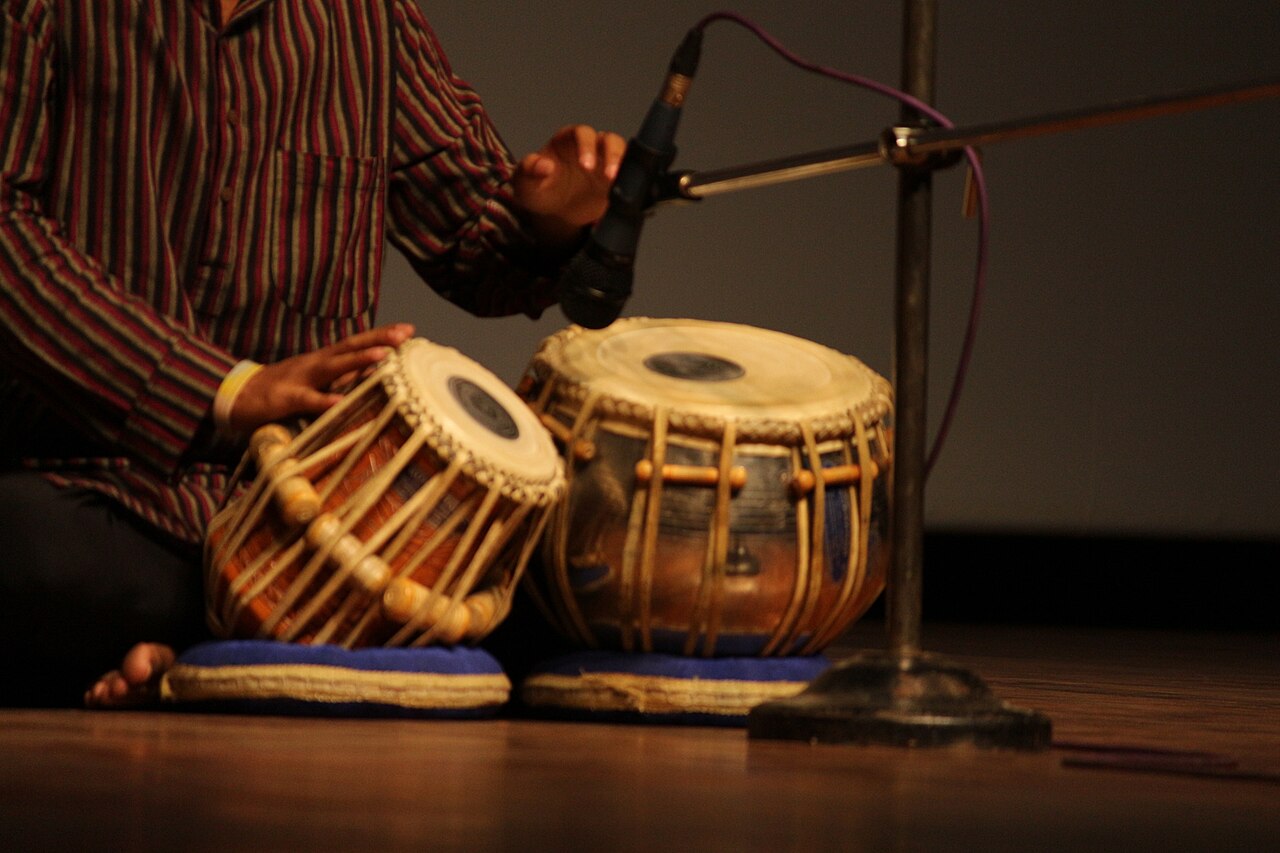
**Tempo and Rhythm:** Shringara typically unfolds in slower tempos (Medium to Slow), allowing the listener to savor every nuance. Vira often uses faster, more driving rhythms. Hasya employs playful, bouncing rhythms. The tabla artist becomes a partner in emotional storytelling — Ravi Shankar and Alla Rakha's partnership on **Ek Pyar Ka Nagina Bane** shows how rhythm, rather than being merely timekeeping, becomes an emotional narrative.
**Instrumental Color:** The choice of instruments directly evokes rasa. Sarangi — with its ability to mimic the human voice and its naturally mournful tone — is used for karuna and virahat. Flute (bansuri) is associated with pastoral shringara (Krishna songs). Sitar brings intellectual sophistication. Violin, introduced into Indian classical music in the 19th century, became essential for shringara in film music — its singing voice carrying romantic yearning.
**Lyrical Devices:** Lyricists use metaphor, allusion, and poetic structure to embed rasa into words. When **Lag JA GALE**'s lyricist writes "raat bhar jago / jo khayal tum mein hai mera," the present-tense intimacy of "stay awake with me" creates immediate shringara. The brevity of the lyric — "Don't leave, the night is beautiful" — acknowledges the temporary nature of love, infusing it with karuna even as it celebrates shringara.
**Dynamics and Phrasing:** How a singer shapes phrases — the subtle rush of breath before a note, the slight bend (meend) to emphasize longing, the pause before a resolution — is rasa-creation in real time. Lata Mangeshkar's art lay not in vocal gymnastics but in her ability to make every micro-movement of voice express exact emotional states. On **Lag Ja Gale**, her voice doesn't soar; it hovers, whispers, trembles — every technical choice serves shringara.
**Layering (Harmony):** Modern composers layer multiple melodic and harmonic elements to create textural rasa. A.R. Rahman often builds shringara through layering: a simple melody in one voice, a counter-melody in another, a rhythmic pulse underneath — each layer adding emotional depth without overwhelming.
The greatest film music composers understood, whether consciously or intuitively, that rasa is not decoration — it is the architecture. Madan Mohan, R.D. Burman, A.R. Rahman, Vishal-Shekhar — they are rasa craftspeople, using a 2,000-year-old blueprint to build songs that move audiences to tears, laughter, and transcendence in three minutes.
हिंदी सिनेमा में रस का भविष्य: परंपरा और नवीनता
The Future of Rasa in Hindi Cinema: Tradition and Innovationआज, हिंदी सिनेमा एक चौराहे पर खड़ा है। पुरानी परंपराएँ — अनिवार्य प्रेम द्वैत, मानक नायक-बचाव अनुक्रम — अधिक जटिल, स्तरित आख्यानों को रास्ता दे रही हैं जो अभी भी रस पर निर्भर हैं लेकिन इसे अप्रत्याशित तरीकों में तैनात करती हैं। बॉलीवुड और बाहर के संगीत निर्माता फ़िल्म संगीत के लिए एक नया रस शब्दकोश पेश कर रहे हैं: दिल्ली हिप-हॉप का ढिठाई आत्मविश्वास (शहरी भारत के लिए पुनः तैयार किया गया एक तरह का वीर), इंडी पॉप की विषाद आत्म-जागरूकता (बिना पारंपरिक वाद्य यंत्र के एक करुण)। इसी बीच, संगीतकार शास्त्रीय जड़ों की ओर धकेल रहे हैं। स्ट्रीमिंग युग ने भी यह बदल दिया है कि रस को कैसे तैनात किया जाए। एक तीन मिनट का गीत अब सब कुछ — कहानी, रोमांस, और चरमोत्कर्ष — एक ही टुकड़े में पूरा करने की आवश्यकता नहीं है। प्लेलिस्ट अब एक यात्रा के दौरान कई गीतों को परत सकते हैं। गली बॉय (2019) हिप-हॉप ट्रैक का एक पैचवर्क का उपयोग करता है, प्रत्येक अपने सीमित रस के साथ। फिर भी मूल अपरिवर्तित रहता है। कोई भी संगीतकार 500 साल पुराने राग का उपयोग करे या समकालीन ट्रैप बीट, अंतर्निहित प्रश्न वही रहता है: मैं कौन सा रस बनाना चाह रहा हूँ? मैं श्रोता को उस विशिष्ट भावनात्मक अवस्था में कैसे ले जाता हूँ और उन्हें तीन मिनट के लिए वहाँ कैसे रखता हूँ? यही कारण है कि भरत मुनि की प्राचीन ढाँचा, दो सहस्राब्दी पहले लिखा गया, एक संग्रहालय का टुकड़ा नहीं बल्कि एक सक्रिय, जीवंत कोड बना हुआ है — वह जो यह समझाता है कि कुछ गीत अनंत क्यों बन जाते हैं (वे शुद्ध, पुरातन रसों को टैप करते हैं) और दूसरे फीके पड़ जाते हैं (उनमें बिल्कुल रस नहीं होता, भावनात्मक सत्य के लिए नवीनता को प्रतिस्थापित करते हैं)। हिंदी फ़िल्म गीत, अपने सर्वोत्तम क्षणों में, अभी भी वही है जो इसे होना था: कहानी में एक सजावटी रुकावट नहीं, बल्कि मानव हृदय में एक प्रवेशद्वार — एक जगह जहाँ, तीन मिनट के लिए, हम मानव भावना के नौ स्वाद को उनके सबसे सांद्र, सबसे सुंदर रूपों में चखते हैं।
अंग्रेज़ी में पढ़ें · Read in English
Today, Hindi cinema stands at a crossroads. The old conventions — the obligatory love duet, the standard hero-rescue sequence — are giving way to more complex, layered narratives that still rely on rasa but deploy it in unexpected ways.
Singer-composers like Badshah and Neha Kakkar have introduced a new rasa vocabulary to film music: the brash confidence of Delhi hip-hop (a kind of vira reframed for urban India), the melancholic self-awareness of indie pop (a karuna without traditional instrumentation). Meanwhile, composers like Thaman and Arijit Singh push back toward classical roots — Thaman's scores for *Jai Bhim* (2021) and *Pushpa* (2021) weave Carnatic and Hindustani elements to create new rasa configurations.
The streaming era has also changed how rasa is deployed. A three-minute song no longer needs to accomplish everything — narrative, romance, and climax — in a single piece. Playlists can now layer multiple songs across a journey. *Gully Boy* (2019) uses a patchwork of hip-hop tracks, each with its own limited rasa (the defiance of one track, the desperation of another), that collectively tell a larger story. This is a departure from the earlier model where each song was a self-contained rasa universe.
Yet the core remains unchanged. Whether a composer is using a 500-year-old raag or a contemporary trap beat, the underlying question remains the same: What rasa am I trying to create? How do I move the listener into that specific emotional state and hold them there for three minutes?
This is why Bharat Muni's ancient framework, written two millennia ago, remains not a museum piece but an active, living code — one that explains why some songs become eternal (they tap into pure, archetypal rasas) and others fade (they lack rasa altogether, substituting novelty for emotional truth).
The Hindi film song, in its finest moments, is still what it was meant to be: not a decorative interruption to the story, but a portal into the human heart — a place where, for three minutes, we taste the nine flavors of human emotion in their most concentrated, most beautiful forms.
श्रवण-कक्ष · The Listening Room
इस कहानी के वीडियो
नवरस — शास्त्रीय नृत्य में नौ भावनाएँ
मन तड़पत हरि दर्शन — बैजू बावरा
कहानी-नमूना
The Story Specimen| शीर्षक | रस और हिंदी सिनेमा: बॉलीवुड गीतों में नवरस · Rasa and Hindi Cinema: The Nine Emotions in Bollywood Songs |
|---|---|
| श्रेणी | Music Theory |
| प्रकार | विशेष लेख |
| पाठ-समय | १२ मिनट का पाठ |
| प्रकाशित | 31 March 2026 — admin |
| टैग | rasa · navarasa · bollywood_songs · film_music · music_theory · emotions · hindi_cinema · classical_music · aesthetics |
इस कहानी में
In This Story · The Cast & Its Platesकहानी में आए नामों के अटलस में अपने पन्ने हैं — यहीं से यात्रा जारी रखिए।
राग-सूत्र · Raags
और कहानियाँ
More Stories from the Atlas
साझा कीजिए · Share this Plate