शास्त्र विंग · वाद्य-पट्टिका · Instrument Plate
सैक्सोफोन
Saxophone
बॉलीवुड का जैज़ी दिल — रोमांस, कैबरे, और दार्शनिकता का यंत्र
अन्य नामसैक्स · Sax · Alto Sax · Tenor Sax
एक पंक्तिसैक्सोफोन एक पश्चिमी काष्ठ-धातु वाद्य यंत्र है जो हिंदी फ़िल्म संगीत के अनगिनत अमर गानों का हिस्सा बना।
परिचय
Overviewसैक्सोफोन की कहानी इस बात का अद्भुत उदाहरण है कि संगीत कैसे राष्ट्रीय सीमाएं पार करता है और नई संस्कृतियों में अपनी जड़ें जमाता है। एडोल्फ़ सैक्स ने इस यंत्र को १८४०-४१ में बेल्जियम में बनाया था — एक अनोखा संकर यंत्र जो लकड़ी (रीड) और धातु (शरीर) का मेल था। यूरोपीय संगीत में इसे पहले संदेह से देखा गया, फिर अपनाया गया। और जब यह भारत पहुँचा, तो मुंबई के स्टूडियो में इसका जो स्वागत हुआ, वह इतिहास बन गया। हिंदी फ़िल्म संगीत में सैक्सोफोन को एक विशेष 'भावना-यंत्र' का दर्जा मिला। जब संगीत निर्देशक किसी दृश्य में गहरी उदासी, अकेलापन, या जैज़ी उल्लास चाहते थे — सैक्सोफोन पहली पसंद था। मनोहारी सिंह जैसे कलाकारों ने इस यंत्र को एक नई आत्मा दी। उनकी उँगलियों के स्पर्श से सैक्सोफोन बोलता था — कभी हँसते हुए, कभी रोते हुए, कभी मुस्कुराते हुए। आज जब हम पुराने हिंदी गानों का इंटरल्यूड सुनते हैं, तो अक्सर वहाँ सैक्सोफोन की वह पुरानी आवाज़ मिलती है जो समय को पीछे खींच लाती है। 'ज़िंदगी कैसी है पहेली' का इंटरल्यूड, 'दिल का भँवर' की मीठी ध्वनि, 'पिया तू अब तो आजा' की ऊर्जा — ये सब सैक्सोफोन के बिना अकल्पनीय हैं। सैक्सोफोन ने भारत को यह भी सिखाया कि पश्चिमी यंत्र भारतीय भावनाओं को उतनी ही गहराई से व्यक्त कर सकते हैं जितना कि कोई शास्त्रीय भारतीय यंत्र। इस यंत्र ने पूरब-पश्चिम के संगीत के बीच एक अदृश्य पुल बनाया जो आज भी मज़बूत खड़ा है।
अंग्रेज़ी में पढ़ें · Read in English
Saxophone's story is a wonderful example of how music crosses national boundaries and takes root in new cultures. Adolphe Sax created this instrument in Belgium in 1840-41 — a unique hybrid combining wood (reed) and metal (body). Initially viewed with skepticism in European music, it was eventually embraced. When it reached India, the welcome it received in Mumbai's studios became history.
In Hindi film music, saxophone received the status of a special 'emotion instrument'. When music directors wanted deep sadness, loneliness, or jazzy exuberance — saxophone was the first choice. Artists like Manohari Singh gave this instrument a new soul. Under his fingers, saxophone spoke — sometimes laughing, sometimes weeping, sometimes smiling.
Today when we listen to old Hindi song interludes, we often find that old saxophone voice pulling time backward. 'Zindagi Kaisi Hai Paheli's interlude, 'Dil Ka Bhanwar's sweet sound, 'Piya Tu Ab Toh Aaja's energy — all unimaginable without saxophone.
Saxophone also taught India that Western instruments can express Indian emotions with equal depth as any classical Indian instrument. This instrument built an invisible bridge between Eastern and Western music that stands strong today.
काव्य-पंक्ति · The Verse
काव्य-पंक्ति
सैक्सोफोन की सुरीली साँस में, दिल की सारी बात कह जाती है।
— हिंदीगीत संपादकीय In saxophone's melodious breath, All that the heart holds is spoken.
वर्गीकरण
ClassificationNatya Shastra
सुषिर — वायु वाद्य यंत्र
Sushira — Wind Instrument
नाट्यशास्त्र के अनुसार सैक्सोफोन 'सुषिर' वर्ग में आता है, जहाँ ध्वनि वायु के कंपन से उत्पन्न होती है। हालांकि यह यंत्र भारतीय परंपरा का नहीं है, लेकिन इसकी ध्वनि-उत्पत्ति शहनाई, बाँसुरी, और क्लारिनेट जैसे सुषिर वाद्यों से मिलती-जुलती है।
According to Natya Shastra, saxophone falls under 'Sushira' category where sound originates from air vibration. Though not an Indian instrument, its sound production parallels shehnai, bansuri, and clarinet.
Western
Woodwind
Single Reed Aerophone
पश्चिमी वर्गीकरण में सैक्सोफोन एकल-रीड वायु वाद्य यंत्र है। इसमें लकड़ी की रीड और धातु (पीतल) का शरीर होता है — यह एकमात्र ऐसा यंत्र है जो दोनों श्रेणियों (woodwind और brass) का संगम है।
In Western classification, saxophone is a single-reed aerophone. It has a wooden reed and metal (brass) body — the only instrument combining both woodwind and brass categories.
Hornbostel Sachs
422.212.71
Single-reed aerophone with conical metal tube and keys
सिनेमा में
In Cinemaहिंदी फ़िल्म संगीत में सैक्सोफोन का एक विशेष और अनूठा स्थान है। १९४०-५० के दशक में जब हिंदी फ़िल्म ऑर्केस्ट्रे पश्चिमी स्वर को अपनाने लगे, तब सैक्सोफोन सबसे पहले कैबरे और नाइटक्लब दृश्यों में सुना गया। ओ.पी. नय्यर के तेज़-तर्रार गानों में सैक्सोफोन की धमाकेदार उपस्थिति थी। शंकर-जयकिशन के ऑर्केस्ट्रेशन में सैक्सोफोन एक अनिवार्य रंग था। लेकिन सैक्सोफोन का सबसे यादगार उपयोग आर.डी. बर्मन के गानों में हुआ — जहाँ मनोहारी सिंह ने यह यंत्र और क्लारिनेट दोनों बजाकर एक अनूठी आवाज़ बनाई। 'आनंद' (१९७१) में 'ज़िंदगी कैसी है पहेली' के इंटरल्यूड में सैक्सोफोन की करुण ध्वनि आज भी दिल छू लेती है। राज कपूर की फ़िल्मों में सैक्सोफोन रोमांस और उदासी दोनों का प्रतीक था।
अंग्रेज़ी में पढ़ें · Read in English
Saxophone has a special and unique place in Hindi film music. In the 1940s-50s as Hindi film orchestras adopted Western sounds, saxophone was first heard in cabaret and nightclub scenes. O.P. Nayyar's energetic songs prominently featured saxophone. Shankar-Jaikishan's orchestrations used saxophone as an essential color. But saxophone's most memorable use was in R.D. Burman's songs — where Manohari Singh created a unique voice playing both saxophone and clarinet. In 'Anand' (1971), the saxophone's poignant sound in 'Zindagi Kaisi Hai Paheli's interlude still touches hearts. In Raj Kapoor's films, saxophone symbolized both romance and melancholy.
वर्तमान स्थिति
Modern Statusविवरण
आज सैक्सोफोन भारत में पेशेवर और शौकिया दोनों स्तर पर बजाया जाता है। हिंदी फ़िल्म संगीत में इलेक्ट्रॉनिक उपकरणों के आगमन के साथ लाइव सैक्सोफोन का उपयोग कम हुआ है, लेकिन जैज़, फ्यूज़न, और इंडी संगीत में इसकी उपस्थिति बढ़ी है। बड़े शहरों में जैज़ क्लब और संगीत उत्सवों में सैक्सोफोन एक मुख्य यंत्र बना हुआ है।
अंग्रेज़ी में पढ़ें · Read in English
Today saxophone is played in India at both professional and amateur levels. Live saxophone use decreased in Hindi film music with electronic instruments, but its presence increased in jazz, fusion, and indie music. Saxophone remains a main instrument in jazz clubs and music festivals in large cities.
Estimated Players
Thousands in professional/semi-professional capacity across India
Revival Efforts
जैज़ उत्सव और भारत-पश्चिम फ्यूज़न परियोजनाएं सैक्सोफोन को नई पीढ़ी से जोड़ रही हैं।
अंग्रेज़ी में पढ़ें · Read in English
Jazz festivals and India-West fusion projects are connecting saxophone with new generations.
बनावट
Physicalविवरण
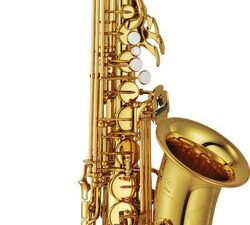
सैक्सोफोन एक अद्वितीय वाद्य यंत्र है जिसमें लकड़ी की रीड, धातु का मुखपत्र (mouthpiece), और पीतल से बनी शंकु के आकार की नली होती है। नली में कई चाबियाँ (keys) होती हैं जिन्हें उँगलियों से दबाकर अलग-अलग स्वर निकाले जाते हैं। सबसे अधिक उपयोग होने वाले प्रकार हैं — ऑल्टो (alto) सैक्सोफोन, जो मध्यम आकार का होता है; टेनर (tenor), जो बड़ा और गहरी आवाज़ वाला है; और सोप्रानो (soprano), जो छोटा और ऊँची आवाज़ वाला है। हिंदी फ़िल्म संगीत में ऑल्टो और टेनर सैक्सोफोन सबसे अधिक सुने गए हैं। यंत्र की लंबाई ऑल्टो के लिए लगभग ७० सेमी होती है। यंत्र को पट्टे से गले में लटकाकर बजाया जाता है।
अंग्रेज़ी में पढ़ें · Read in English
Saxophone is a unique instrument with a wooden reed, metal mouthpiece, and brass conical tube with multiple keys. Keys are pressed with fingers to produce different pitches. Most common types: alto saxophone (medium size), tenor (larger, deeper sound), soprano (smaller, higher pitched). In Hindi film music, alto and tenor saxophones were most frequently heard. Alto saxophone is approximately 70 cm long. The instrument is suspended from a neck strap during playing.
Dimensions
Alto: ~70 cm; Tenor: ~85 cm
Alto: 2-3 kg; Tenor: 3-4 kg
Strings Or Keys
सैक्सोफोन में तार नहीं होते। इसमें चाबियाँ (keys) होती हैं जो नली में छेद खोलती या बंद करती हैं। प्रत्येक संयोजन (combination) एक अलग स्वर देता है।
Saxophone has no strings. It has keys that open or close holes in the tube. Each combination produces a different pitch.
20-25 keys
Nickel-silver, stainless steel
Tuning
समान स्वरान्तर (Equal Temperament) — पश्चिमी प्रणाली
Equal Temperament — Western system
Eb (Alto), Bb (Tenor, Soprano) — transposing instruments
Alto: Db3-Ab5; Tenor: Ab2-E5
Construction
मुँह में डालने का हिस्सा जहाँ रीड लगी होती है। मुखपत्र की सामग्री और आकार ध्वनि के चरित्र को प्रभावित करते हैं।
The part placed in the mouth where the reed is attached. Mouthpiece material and shape significantly affect tonal character.
नरकुल घास (cane) से बनी पतली पट्टी जो कंपित होकर ध्वनि उत्पन्न करती है। रीड की कठोरता (strength) वादक की शैली के अनुसार चुनी जाती है।
Thin strip of cane grass that vibrates to produce sound. Reed strength is chosen according to player's style.
शंकु के आकार की पीतल की नली जो ध्वनि को बढ़ाती और आकार देती है। अधिकांश सैक्सोफोन में यह सुनहरे रंग की होती है।
Conical brass tube that amplifies and shapes the sound. Most saxophones have golden-colored body.
नली पर लगे यांत्रिक वाल्व जिन्हें उँगलियों से दबाकर अलग-अलग स्वर निकाले जाते हैं। सैक्सोफोन में आमतौर पर २०-२५ चाबियाँ होती हैं।
Mechanical valves on the tube pressed with fingers to produce different pitches. Saxophone typically has 20-25 keys.
नली का चौड़ा निचला सिरा जहाँ से ध्वनि बाहर निकलती है। बेल का आकार ध्वनि की दिशा और गुणवत्ता को प्रभावित करता है।
Flared lower end of the tube from which sound projects outward. Bell shape affects sound direction and quality.
ध्वनि-चरित्र
SoundTonal Character
सैक्सोफोन की ध्वनि में एक विशेष मानवीय गुण है — यह मानव कंठ स्वर के सबसे निकट पहुँचती है। इसकी आवाज़ में गर्माहट, भावुकता, और गहराई होती है। ऑल्टो सैक्सोफोन में मखमली मिठास है, जबकि टेनर में एक पुरुषीय गहराई। हिंदी फ़िल्म संगीत में सैक्सोफोन ने मुख्यतः तीन भूमिकाएं निभाई — रोमांटिक गानों में भावनात्मक गहराई, कैबरे और नाइटक्लब दृश्यों में जैज़ी जीवंतता, और दार्शनिक गानों में एकाकी करुणा। मनोहारी सिंह के हाथों यह यंत्र आर.डी. बर्मन के गानों में एक विशेष पहचान बना।
अंग्रेज़ी में पढ़ें · Read in English
Saxophone's sound has a distinctly human quality — it comes closest to the human voice. It carries warmth, emotionality, and depth. Alto saxophone has velvety sweetness; tenor has masculine depth. In Hindi film music, saxophone played three key roles: emotional depth in romantic songs, jazzy vivacity in cabaret/nightclub scenes, and solitary pathos in philosophical songs. In Manohari Singh's hands, it became a distinctive voice in R.D. Burman's songs.
Timbre
मखमली, भावुक, और मानव-कंठ जैसी गर्माहट
अंग्रेज़ी में पढ़ें · Read in English
Velvety, emotional, and human-throat-like warmth
Dynamic Range
पियानिसिमो से फ़ोर्टे तक — व्यापक भावनात्मक सीमा
अंग्रेज़ी में पढ़ें · Read in English
Pianissimo to forte — wide emotional range
Comparison
मानव कंठ स्वर, क्लारिनेट की मिठास, और शहनाई की भावनात्मकता का संगम
अंग्रेज़ी में पढ़ें · Read in English
Blend of human voice, clarinet's sweetness, and shehnai's emotionality
वादन-तकनीक
Playing Techniqueविवरण
सैक्सोफोन बजाने में मुखपत्र और रीड को ठीक प्रकार से मुँह में रखना सबसे पहला और महत्वपूर्ण चरण है। इसे 'एम्ब्रोशर' (embouchure) कहते हैं। साँस को नियंत्रित करके ध्वनि की शक्ति और गुण को बदला जाता है। चाबियों को दाएं और बाएं हाथ की उँगलियों से सुनियोजित तरीके से दबाया जाता है। भारतीय सैक्सोफोन वादक विशेष रूप से 'वाइब्राटो' (कंपन) और 'बेंडिंग' (स्वर खिंचाव) का उपयोग करते हैं जो भारतीय संगीत की 'गमक' और 'मींड' तकनीकों से मेल खाते हैं। हिंदी फ़िल्म संगीत में सैक्सोफोन अक्सर इंटरल्यूड और पोस्टल्यूड में एकल भूमिका निभाता था।
अंग्रेज़ी में पढ़ें · Read in English
Playing saxophone begins with correctly placing the mouthpiece and reed in the mouth — called 'embouchure'. Breath control determines tone strength and quality. Keys are pressed systematically with left and right hand fingers. Indian saxophonists particularly use 'vibrato' and 'bending' that correspond to Indian music's 'gamak' and 'meend'. In Hindi film music, saxophone often played solo roles in interludes and postludes.
Posture
खड़े या बैठकर, यंत्र को पट्टे से गले में लटकाकर, यंत्र का बेल थोड़ा सामने की ओर झुका हुआ
अंग्रेज़ी में पढ़ें · Read in English
Standing or seated, instrument suspended from neck strap, bell angled slightly forward
Techniques
मुखपत्र को मुँह में सही ढंग से रखना — होंठों का दबाव, जबड़े की स्थिति, और जीभ का उपयोग। यह सैक्सोफोन वादन की नींव है।
Correctly positioning mouthpiece in mouth — lip pressure, jaw position, and tongue use. This is the foundation of saxophone playing.
स्वर को नियमित कंपन देना जो ध्वनि में जीवंतता और भावना भरता है। भारतीय गमक के समान यह तकनीक हिंदी फ़िल्म इंटरल्यूड में व्यापक रूप से उपयोग हुई।
Giving regular vibration to notes, adding vitality and emotion. Similar to Indian gamak, this technique was widely used in Hindi film interludes.
स्वर से स्वर के बीच खिसकना — एम्ब्रोशर और वायु दबाव बदलकर एक स्वर से दूसरे स्वर में धीरे-धीरे जाना। भारतीय रागों की प्रस्तुति के लिए अनिवार्य।
Gliding between notes — gradually moving from one pitch to another by changing embouchure and air pressure. Essential for Indian raga performance.
सैक्सोफोन की सामान्य सीमा से ऊपर के अत्यंत ऊँचे स्वर निकालना — विशेष एम्ब्रोशर और वायु नियंत्रण से।
Producing extremely high notes beyond saxophone's standard range — requires special embouchure and air control.
एक साथ कई स्वर निकालना — उन्नत तकनीक जो विशेष एम्ब्रोशर और फिंगरिंग से प्राप्त होती है।
Producing multiple pitches simultaneously — advanced technique achieved through special embouchure and fingering.
निर्माण-प्रक्रिया
Making Processविवरण
सैक्सोफोन का निर्माण एक जटिल औद्योगिक प्रक्रिया है। पीतल की चादर को काटकर शंकु के आकार की नली बनाई जाती है। फिर विभिन्न यांत्रिक भाग — चाबियाँ, स्प्रिंग, पैड — जोड़े जाते हैं। अंत में यंत्र को लाक (lacquer) या सिल्वर-प्लेट किया जाता है। भारत में सैक्सोफोन निर्माण नहीं होता — ये यंत्र मुख्यतः जर्मनी, फ्रांस, जापान (Yamaha, Yanagisawa), और चीन से आयात होते हैं। भारत में Hobner और कुछ अन्य ब्रांड आयातित यंत्र बेचते हैं।
अंग्रेज़ी में पढ़ें · Read in English
Saxophone manufacturing is a complex industrial process. Brass sheets are cut and formed into conical tubes. Mechanical parts — keys, springs, pads — are assembled. Finally, the instrument is lacquered or silver-plated. India does not manufacture saxophones — they are mainly imported from Germany, France, Japan (Yamaha, Yanagisawa), and China. In India, Hobner and some other brands sell imported instruments.
Materials
मुख्य शरीर के लिए — कॉपर और ज़िंक का मिश्रण।
For the main body — alloy of copper and zinc.
रीड के लिए — दक्षिणी फ्रांस से विशेष नरकुल।
For reeds — special cane from southern France.
चाबियों के नीचे छिद्रों को बंद करने के लिए।
Under keys to seal tone holes.
Artisan Centers
भारत में सबसे अधिक बिकने वाले पेशेवर सैक्सोफोन यमाहा के हैं।
Yamaha is the most sold professional saxophone brand in India.
विश्व के सर्वश्रेष्ठ सैक्सोफोन ब्रांड में से एक जो पेशेवर भारतीय कलाकार उपयोग करते हैं।
One of the world's finest saxophone brands used by professional Indian artists.
Time To Craft
Industrial production — 2-4 weeks
Price Range
₹15,000 (entry level) — ₹5,00,000+ (professional Selmer)
संगीत-समूह में भूमिका
Role In EnsemblePrimary Role
हिंदी फ़िल्म ऑर्केस्ट्रा में एकल और कभी-कभी हार्मोनी वाद्य
अंग्रेज़ी में पढ़ें · Read in English
Solo and occasional harmony instrument in Hindi film orchestra
Solo Capability
सैक्सोफोन एक शक्तिशाली एकल यंत्र है जो बिना अन्य संगत के पूर्ण प्रदर्शन दे सकता है।
अंग्रेज़ी में पढ़ें · Read in English
Saxophone is a powerful solo instrument capable of full performance without accompaniment.
Accompaniment For
इंटरल्यूड में एकल भूमिका और मुखड़े में पृष्ठभूमि हार्मोनी।
Solo role in interludes and background harmony in refrains.
बॉलीवुड कैबरे दृश्यों में सैक्सोफोन की जैज़ी ध्वनि अनिवार्य थी।
Saxophone's jazzy sound was essential in Bollywood cabaret scenes.
लोक संगीत में
In Folk Musicभारतीय लोक संगीत में सैक्सोफोन की परंपरागत उपस्थिति नहीं है। हालांकि, कुछ क्षेत्रों में — विशेषकर गोवा, केरल, और पूर्वोत्तर भारत — चर्च बैंड और सांस्कृतिक कार्यक्रमों में सैक्सोफोन का उपयोग होता है। मिज़ोरम और मेघालय में सैक्सोफोन स्थानीय पॉप और चर्च संगीत का हिस्सा बन गया है। बंगाली और उड़िया के कुछ पारंपरिक बैंड भी सैक्सोफोन का उपयोग करते हैं।
अंग्रेज़ी में पढ़ें · Read in English
Saxophone has no traditional presence in Indian folk music. However, in some regions — especially Goa, Kerala, and northeast India — church bands and cultural events use saxophone. In Mizoram and Meghalaya, saxophone has become part of local pop and church music. Some Bengali and Odia traditional bands also use saxophone.
क्षेत्रीय रूप
Regional Variantsभारत में सबसे लोकप्रिय — मध्यम आकार और मखमली ध्वनि के कारण हिंदी फ़िल्म संगीत में सर्वाधिक उपयुक्त।
Most popular in India — medium size and velvety sound make it most suitable for Hindi film music.
गहरी, पुरुषीय ध्वनि के कारण जैज़ और फ्यूज़न में अधिक प्रयुक्त।
Deeper, masculine sound makes it more used in jazz and fusion.
प्रसिद्ध वादक
Famous Playersआर.डी. बर्मन के सबसे महत्वपूर्ण संगीतकारों में से एक, मनोहारी सिंह ने सैक्सोफोन और क्लारिनेट दोनों में असाधारण कौशल दिखाया। वे पंचम-दा के 'बैंड' के अपरिहार्य सदस्य थे। 'आनंद', 'शोले', 'कारवाँ' सहित सैकड़ों फ़िल्मों में उनका अद्वितीय योगदान है। उन्होंने हिंदी फ़िल्म संगीत को सैक्सोफोन की आत्मा दी।
One of R.D. Burman's most important musicians, Manohari Singh showed exceptional skill in both saxophone and clarinet. He was an indispensable member of Pancham-da's band. He contributed uniquely to hundreds of films including 'Anand', 'Sholay', 'Caravan'. He gave Hindi film music the soul of the saxophone.
मुंबई के प्रमुख स्टूडियो संगीतकार केरसी लॉर्ड ने शंकर-जयकिशन, एस.डी. बर्मन, और आर.डी. बर्मन के साथ काम किया। उन्होंने सैक्सोफोन के अलावा क्लारिनेट, फ़्लूट, और अन्य वाद्य यंत्र भी बजाए। हिंदी फ़िल्म संगीत के स्वर्णिम युग में उनका योगदान अनमोल है।
Mumbai's leading studio musician Kersi Lord worked with Shankar-Jaikishan, S.D. Burman, and R.D. Burman. Besides saxophone, he played clarinet, flute, and other instruments. His contribution to Hindi film music's golden era is invaluable.
मुंबई के गोयन ईसाई समुदाय से आए क्लेरेंस पेरेरा ने हिंदी फ़िल्म संगीत में सैक्सोफोन की जड़ें जमाईं। नौशाद, सी. रामचंद्र, और ओ.पी. नय्यर के साथ उनके काम ने सैक्सोफोन को बॉलीवुड में स्थापित किया।
From Mumbai's Goan Christian community, Clarence Pereira established saxophone's roots in Hindi film music. His work with Naushad, C. Ramchandra, and O.P. Nayyar cemented saxophone in Bollywood.
गोयन पृष्ठभूमि से आए रेनी फर्नांडिस मुंबई के प्रमुख सैक्सोफोनिस्ट थे। उन्होंने राज कपूर, देव आनंद, और दिलीप कुमार के युग की फ़िल्मों में सैक्सोफोन को एक विशेष भाव और रंग दिया।
Of Goan background, Rene Fernandes was a leading Mumbai saxophonist. He gave saxophone a special expression in films of the Raj Kapoor, Dev Anand, and Dilip Kumar era.
भारत के अग्रणी जैज़ संगीतकार लुईस बैंक्स ने सैक्सोफोन को भारतीय जैज़ और फ्यूज़न में एक नई पहचान दिलाई। उन्होंने भारत-पश्चिम संगीत के पुल बनाने में महत्वपूर्ण भूमिका निभाई।
India's pioneering jazz musician Louis Banks gave saxophone a new identity in Indian jazz and fusion. He played an important role in building bridges between Indian and Western music.
राग-उपयुक्तता
Raag Suitabilityभैरवी की करुण, भावुक प्रकृति सैक्सोफोन की मानव-कंठ जैसी ध्वनि के साथ असाधारण रूप से मेल खाती है। सैक्सोफोन पर भैरवी एक गहरी उदासी और आध्यात्मिक शांति दोनों व्यक्त करती है।
Bhairavi's poignant, emotional nature matches exceptionally with saxophone's human-voice-like sound. Bhairavi on saxophone expresses both deep sorrow and spiritual peace.
पीलू की मिश्रित, अर्ध-शास्त्रीय प्रकृति सैक्सोफोन की लचीली शैली के लिए उपयुक्त है। ठुमरी और दादरा आधारित गानों में सैक्सोफोन पर पीलू की ध्वनि विशेष रूप से प्रभावशाली है।
Pilu's mixed, semi-classical nature suits saxophone's flexible style. Saxophone's Pilu sound is particularly effective in thumri and dadra-based songs.
यमन का उज्ज्वल, खुला चरित्र सैक्सोफोन की उच्च रेजिस्टर में अद्भुत निकलता है। शाम के रोमांटिक माहौल में सैक्सोफोन पर यमन एक अलौकिक प्रभाव पैदा करता है।
Yaman's bright, open character produces wonderfully on saxophone's upper register. Yaman on saxophone in evening romantic atmosphere creates an extraordinary effect.
काफ़ी का ब्लूज़-जैसा माइनर टोन सैक्सोफोन की स्वाभाविक ध्वनि से मेल खाता है। जैज़ और भारतीय संगीत के संगम में काफ़ी-सैक्स एक स्वाभाविक जोड़ी है।
Kafi's blues-like minor tone aligns with saxophone's natural sound. In jazz-Indian fusion, Kafi-sax is a natural pairing.
घराना-संबंध
Gharana Connectionsसैक्सोफोन का मुंबई फ़िल्म स्टूडियो में एक विशेष स्थान था — मुख्यतः गोयन ईसाई और पारसी संगीतकारों के माध्यम से जो इस यंत्र के विशेषज्ञ थे।
Saxophone had a special place in Mumbai film studios — primarily through Goan Christian and Parsi musicians who were specialists in this instrument.
सीखने का मार्ग
Learning Pathविवरण
सैक्सोफोन सीखना एक मध्यम-कठिन प्रक्रिया है। पहले महीने में एम्ब्रोशर (मुखपत्र की सही स्थिति) और बेसिक स्केल पर ध्यान दिया जाता है। मध्यम स्तर पर जैज़ स्केल, ब्लूज़ लिक्स, और भारतीय राग स्केल सीखे जाते हैं। उन्नत स्तर पर वाइब्राटो, बेंडिंग, और इम्प्रोवाइज़ेशन की क्षमता विकसित होती है। भारत में बड़े शहरों में सैक्सोफोन सिखाने वाले अच्छे शिक्षक उपलब्ध हैं, लेकिन छोटे शहरों में यह दुर्लभ है।
अंग्रेज़ी में पढ़ें · Read in English
Learning saxophone is moderately difficult. First month focuses on embouchure and basic scales. Intermediate level covers jazz scales, blues licks, and Indian raga scales. Advanced level develops vibrato, bending, and improvisation. Good saxophone teachers are available in large Indian cities but rare in smaller towns.
Beginner Steps
पहले दो हफ्ते केवल मुखपत्र से ध्वनि निकालने का अभ्यास।
First two weeks practicing sound production with just the mouthpiece.
Bb major स्केल और C major स्केल का अभ्यास — दोनों हाथों की उँगलियों को सुनियोजित करना।
Practice Bb major and C major scales — coordinating fingers of both hands.
परिचित हिंदी गानों की सरल धुनें बजाना शुरू करें।
Begin playing simple melodies from familiar Hindi songs.
सामान्य अवधि
3-6 months basic; 2-4 years intermediate; 10+ years jazz/fusion mastery
संस्थान
मुंबई की प्रतिष्ठित संगीत संस्था जहाँ पश्चिमी और भारतीय यंत्र सिखाए जाते हैं।
Mumbai's prestigious music institution teaching both Western and Indian instruments.
सांस्कृतिक महत्व
Cultural Significanceसैक्सोफोन भारतीय सांस्कृतिक इतिहास में एक अनोखी भूमिका निभाता है — यह उस 'पश्चिमी' और 'आधुनिक' की आकांक्षा का प्रतीक है जो नवस्वतंत्र भारत ने पोषित किया। नेहरू युग में आधुनिकता और परंपरा का मेल हिंदी फ़िल्म संगीत में हुआ, और सैक्सोफोन उस मेल का एक सुंदर प्रतीक है। कैबरे दृश्यों में सैक्सोफोन की ध्वनि, रोमांटिक इंटरल्यूड में उसकी करुण गूंज — ये सब मिलकर एक ऐसी सांस्कृतिक स्मृति बनाते हैं जो भारतीय मानस में गहरे उतरी है।
अंग्रेज़ी में पढ़ें · Read in English
Saxophone plays a unique role in Indian cultural history — it symbolizes the aspiration for 'Western' and 'modern' that newly independent India nurtured. In the Nehru era, the blend of modernity and tradition found expression in Hindi film music, and saxophone is a beautiful symbol of that blend. Saxophone's sound in cabaret scenes, its poignant resonance in romantic interludes — together these create a cultural memory deeply embedded in the Indian psyche.
सुनने का मार्गदर्शन
The Listening Guideसैक्सोफोन को पहचानना सीखने के लिए पुरानी हिंदी फ़िल्मों के इंटरल्यूड सुनें। ऑल्टो सैक्सोफोन की मखमली, मध्यम-उच्च ध्वनि और टेनर की गहरी, पुरुषीय ध्वनि में अंतर पहचानने का प्रयास करें। आर.डी. बर्मन के गानों में मनोहारी सिंह की सैक्सोफोन लाइन सुनें — विशेष रूप से 'आनंद', 'कारवाँ', और 'शोले' में। सैक्सोफोन के वाइब्राटो (कंपन) पर ध्यान दें जो इसे एक जीवित, सांस लेती ध्वनि देता है।
अंग्रेज़ी में पढ़ें · Read in English
To learn to identify saxophone, listen to old Hindi film interludes. Try to distinguish between alto saxophone's velvety, medium-high sound and tenor's deep, masculine tone. Listen to Manohari Singh's saxophone lines in R.D. Burman songs — especially in 'Anand', 'Caravan', and 'Sholay'. Focus on saxophone's vibrato that gives it a living, breathing quality.
श्रवण-कक्ष · The Listening Room
देखें-सुनें
ज़िंदगी कैसी है पहेली — आनंद (सैक्सोफोन इंटरल्यूड) · आर.डी. बर्मन, मनोहारी सिंह · varies
मनोहारी सिंह — आर.डी. बर्मन का सैक्सोफोन · मनोहारी सिंह · varies
परिचय
Identity- Year Of Origin
- 1840
वर्गीकरण
Classification- Code
- 422.212.71
- Description
- Single-reed aerophone with conical metal tube and keys
- Category
- सुषिर — वायु वाद्य यंत्र
- Category En
- Sushira — Wind Instrument
- Description
- नाट्यशास्त्र के अनुसार सैक्सोफोन 'सुषिर' वर्ग में आता है, जहाँ ध्वनि वायु के कंपन से उत्पन्न होती है। हालांकि यह यंत्र भारतीय परंपरा का नहीं है, लेकिन इसकी ध्वनि-उत्पत्ति शहनाई, बाँसुरी, और क्लारिनेट जैसे सुषिर वाद्यों से मिलती-जुलती है।
- Description En
- According to Natya Shastra, saxophone falls under 'Sushira' category where sound originates from air vibration. Though not an Indian instrument, its sound production parallels shehnai, bansuri, and clarinet.
Hornbostel Sachs
Natya Shastra
अन्य विवरण
More Details- मुखपत्र / माउथपीस (Mouthpiece) — मुँह में डालने का हिस्सा जहाँ रीड लगी होती है। मुखपत्र की सामग्री और आकार ध्वनि के चरित्र को प्रभावित करते हैं। · Mouthpiece
- रीड (Reed) — नरकुल घास (cane) से बनी पतली पट्टी जो कंपित होकर ध्वनि उत्पन्न करती है। रीड की कठोरता (strength) वादक की शैली के अनुसार चुनी जाती है। · Reed
- नली / बॉडी (Body Tube) — शंकु के आकार की पीतल की नली जो ध्वनि को बढ़ाती और आकार देती है। अधिकांश सैक्सोफोन में यह सुनहरे रंग की होती है। · Body Tube
- चाबियाँ / कीज़ (Keys) — नली पर लगे यांत्रिक वाल्व जिन्हें उँगलियों से दबाकर अलग-अलग स्वर निकाले जाते हैं। सैक्सोफोन में आमतौर पर २०-२५ चाबियाँ होती हैं। · Keys
- घंटी / बेल (Bell) — नली का चौड़ा निचला सिरा जहाँ से ध्वनि बाहर निकलती है। बेल का आकार ध्वनि की दिशा और गुणवत्ता को प्रभावित करता है। · Bell
- System
- समान स्वरान्तर (Equal Temperament) — पश्चिमी प्रणाली
- System En
- Equal Temperament — Western system
- Standard Tuning
- Eb (Alto), Bb (Tenor, Soprano) — transposing instruments
- Range
- Alto: Db3-Ab5; Tenor: Ab2-E5
- Timbre
- मखमली, भावुक, और मानव-कंठ जैसी गर्माहट
Construction
Tuning
रोचक तथ्य
Margin Notesमनोहारी सिंह ने आर.डी. बर्मन के साथ ३५ से अधिक वर्षों तक काम किया। उन्होंने न केवल सैक्सोफोन बल्कि क्लारिनेट, बाँसुरी, और अन्य वायु यंत्र भी बजाए। उन्हें 'पंचम का अवाज़' कहा जाता था — आर.डी. बर्मन की संगीत-भाषा का एक अभिन्न हिस्सा।
Manohari Singh worked with R.D. Burman for over 35 years. He played not just saxophone but clarinet, flute, and other wind instruments. He was called 'Pancham's voice' — an integral part of R.D. Burman's musical language.
सैक्सोफोन वास्तव में एक 'woodwind' यंत्र है, लेकिन इसका शरीर धातु (brass) से बना है। यह एकमात्र ऐसा प्रमुख यंत्र है जिसे एक व्यक्ति ने एकल रूप से आविष्कार किया — एडोल्फ़ सैक्स ने। इसीलिए इसका नाम 'सैक्सोफोन' है — 'सैक्स' (उनके नाम से) + 'फोन' (आवाज़)।
Saxophone is technically a 'woodwind' instrument but has a metal (brass) body. It is the only major instrument invented by a single person — Adolphe Sax. That's why it's called 'saxophone' — 'Sax' (from his name) + 'phone' (voice/sound).
हिंदी फ़िल्म संगीत में सैक्सोफोन के कई प्रसिद्ध वादक गोयन ईसाई समुदाय से थे — जैसे क्लेरेंस पेरेरा, रेनी फर्नांडिस। यह समुदाय पुर्तगाली संगीत परंपरा में पला-बढ़ा था और पश्चिमी वाद्य यंत्रों में विशेषज्ञता रखता था।
Many famous saxophone players in Hindi film music were from the Goan Christian community — like Clarence Pereira, Rene Fernandes. This community grew up in the Portuguese music tradition and had expertise in Western instruments.
जैज़ संगीत में सैक्सोफोन के महान वादक जॉन कोल्ट्रेन ने एक बार कहा था कि उन्हें भारतीय संगीत से बड़ी प्रेरणा मिलती है। उनके 'My Favorite Things' और 'India' जैसे एल्बम में भारतीय संगीत का स्पष्ट प्रभाव है।
Jazz saxophone great John Coltrane once said he was greatly inspired by Indian music. His albums like 'My Favorite Things' and 'India' show clear Indian music influence.
भारत में सैक्सोफोन रीड मुख्यतः फ्रांस से आयात होती है। फ्रांस के 'Vandoren' ब्रांड की रीड विश्व की सर्वश्रेष्ठ मानी जाती है और भारत के पेशेवर सैक्सोफोनिस्ट इसे ही पसंद करते हैं।
Saxophone reeds in India are mainly imported from France. France's 'Vandoren' brand reeds are considered world's finest and preferred by Indian professional saxophonists.
क्या आप जानते हैं?
Did You Knowएडोल्फ़ सैक्स ने अपने जीवनकाल में कई बार दिवालियापन का सामना किया क्योंकि अन्य यंत्र-निर्माता उनके पेटेंट की नकल करते थे। उन्होंने सैक्सोफोन का आविष्कार किया लेकिन इससे उन्हें वह धन नहीं मिला जिसके वे हकदार थे।
Adolphe Sax faced bankruptcy several times in his lifetime because other instrument makers copied his patents. He invented the saxophone but never received the wealth he deserved.
सैक्सोफोन परिवार में आठ प्रकार के यंत्र होते हैं — सोप्रानिनो से कॉन्ट्राबास तक। लेकिन सर्वाधिक उपयोग होने वाले हैं: ऑल्टो, टेनर, सोप्रानो, और बेरीटोन।
The saxophone family has eight types — from sopranino to contrabass. But the most used are: alto, tenor, soprano, and baritone.
आर.डी. बर्मन के ऐतिहासिक 'बैंड' में सैक्सोफोन, क्लारिनेट, बाँसुरी, तबला, धोलक, गिटार, बेस, और सितार — सभी एक साथ रिकॉर्ड होते थे। यह लाइव रिकॉर्डिंग की पद्धति थी जो आधुनिक डिजिटल युग में दुर्लभ हो गई है।
R.D. Burman's historic 'band' recorded saxophone, clarinet, flute, tabla, dholak, guitar, bass, and sitar — all together live. This live recording method has become rare in the modern digital era.
सूक्तियाँ
Words of the Masters“सैक्सोफोन बोलता है जैसे कोई इंसान बोलता है — बिना शब्दों के।”
“Saxophone speaks the way a human speaks — without words.”
— — मनोहारी सिंह
“पंचम-दा जब बोलते थे, तो हम सुनते थे। जब वो सैक्सोफोन बजाने कहते थे, तो मनोहारी सुनाते थे।”
— — आर.डी. बर्मन के बारे में सहयोगी का वर्णन“When Pancham-da spoke, we listened. When he asked for saxophone, Manohari would deliver.”
“सैक्सोफोन भारत का यंत्र नहीं है, लेकिन इसने भारतीय दिलों की बात कही।”
— — हिंदी संगीत इतिहासकार“Saxophone is not India's instrument, but it spoke the language of Indian hearts.”
सवाल-जवाब
Questions & Answersहिंदी फ़िल्म संगीत में सबसे प्रसिद्ध सैक्सोफोन वादक कौन थे?
हिंदी फ़िल्म संगीत में सबसे प्रसिद्ध सैक्सोफोन वादक मनोहारी सिंह थे। उन्होंने आर.डी. बर्मन के साथ ३५ से अधिक वर्षों तक काम किया और 'आनंद', 'कारवाँ', 'शोले' सहित सैकड़ों फ़िल्मों में सैक्सोफोन और क्लारिनेट बजाया। उनकी आवाज़ ही पंचम-दा के संगीत की पहचान बन गई थी।
सैक्सोफोन का आविष्कार किसने किया और कब?
सैक्सोफोन का आविष्कार बेल्जियन वाद्य-यंत्र निर्माता एडोल्फ़ सैक्स (Adolphe Sax) ने १८४०-४१ में किया था। उन्होंने इसे पेरिस में बनाया और १८४६ में पेटेंट कराया। यह एकमात्र ऐसा प्रमुख वाद्य यंत्र है जिसे एक ही व्यक्ति ने बनाया — इसीलिए इसका नाम उनके नाम पर है।
सैक्सोफोन woodwind है या brass instrument?
सैक्सोफोन तकनीकी रूप से 'woodwind' (काष्ठ-वायु) यंत्र है क्योंकि इसमें लकड़ी (cane) की रीड होती है जो ध्वनि उत्पन्न करती है। लेकिन इसका शरीर धातु (पीतल / brass) से बना है। यह अनोखा संकर स्वभाव ही सैक्सोफोन की विशेषता है — यह दोनों परिवारों की सर्वोत्तम विशेषताएं अपने में समाए हुए है।
इतिहास
The Historyउत्पत्ति — १८४०-४५ — बेल्जियम में आविष्कार Origin
सैक्सोफोन का आविष्कार एडोल्फ़ सैक्स (Adolphe Sax, 1814-1894) ने किया था। वे एक बेल्जियन वाद्य-यंत्र निर्माता थे जो पेरिस में काम करते थे। उन्होंने एक ऐसा यंत्र बनाने का सपना देखा जो ब्रास बैंड और ऑर्केस्ट्रा के बीच की खाई को पाट सके — जिसमें बास क्लारिनेट की कोमलता और बास टुबा की शक्ति दोनों हों। १८४१ में उन्होंने पहला सैक्सोफोन बनाया और १८४६ में इसका पेटेंट कराया। फ्रांसीसी संगीतकार हेक्टर बर्लियोज़ ने इसकी प्रशंसा की और इसे ऑर्केस्ट्रा में शामिल करने की वकालत की।
अंग्रेज़ी में पढ़ें · Read in English
Saxophone was invented by Adolphe Sax (1814-1894), a Belgian instrument maker working in Paris. He dreamed of creating an instrument to bridge brass bands and orchestras — combining bass clarinet's softness with bass tuba's power. He created the first saxophone in 1841 and patented it in 1846. French composer Hector Berlioz praised it and advocated its inclusion in orchestras.
विकास-यात्रा · Evolution
- १८४५-१९०० — यूरोपीय संगीत में स्थापना सैक्सोफोन को धीरे-धीरे यूरोपीय संगीत में स्वीकृति मिली। सैन्य बैंड, ओपेरा, और ऑर्केस्ट्रा में इसका उपयोग होने लगा।
- १९२०-४० — जैज़ का हृदय अमेरिकी जैज़ संगीत ने सैक्सोफोन को एक नई जीवन दी। लुई आर्मस्ट्रॉन्ग, कोलमैन हॉकिन्स, जॉनी हॉजेस जैसे कलाकारों ने इसे जैज़ का प्रतीक बनाया।
- १९४०-७० — भारतीय फ़िल्म संगीत में भारत में पश्चिमी संगीत के प्रभाव के साथ सैक्सोफोन हिंदी फ़िल्म ऑर्केस्ट्रा में शामिल हुआ। मनोहारी सिंह और गोयन संगीतकारों ने इसे भारतीय आत्मा दी।
- १९९०-वर्तमान — जैज़ फ्यूज़न और इंडी इलेक्ट्रॉनिक युग में लाइव ऑर्केस्ट्रे कम हुए, लेकिन जैज़ फ्यूज़न और इंडी संगीत में सैक्सोफोन नई ऊर्जा के साथ जीवित है।
प्रमुख पड़ाव · Key Milestones
- 1841 एडोल्फ़ सैक्स ने पहला सैक्सोफोन बनाया
- 1846 सैक्सोफोन का पेटेंट — एडोल्फ़ सैक्स द्वारा
- 1940 सैक्सोफोन हिंदी फ़िल्म संगीत में प्रवेश
- 1955 मनोहारी सिंह मुंबई फ़िल्म उद्योग से जुड़े
- 1971 आर.डी. बर्मन का 'आनंद' — सैक्सोफोन की दार्शनिक आत्मा का प्रकटीकरण
- 1971 आर.डी. बर्मन का 'हरे रामा हरे कृष्णा' — सैक्सोफोन की कैबरे-ऊर्जा का चरम
नमूना-पट्टी
The Specimen Table| नाम | सैक्सोफोन · Saxophone |
|---|---|
| अन्य नाम | सैक्स · Sax · Alto Sax · Tenor Sax · बेसर वाद्य |
| उद्गम | 1840 |
| काल | १८४०-४५ — बेल्जियम में आविष्कार |
| प्रकार | वाद्य · Instruments |
जुड़े हुए पन्ने
Connected Plates · The Graph Made Visibleअटलस में कोई पन्ना अकेला नहीं — इस वाद्य से जुड़े गीत, कलाकार, शास्त्र और कहानियाँ, सब यहाँ से खुलते हैं।
इस वाद्य के गीत
Songs of this Instruments




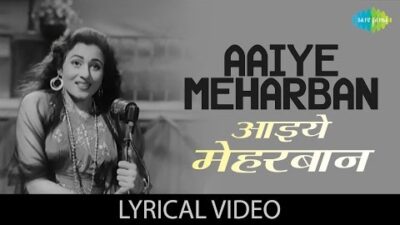
साझा कीजिए · Share this Plate