गीत विंग · गीत-पट्टिका · Song Plate
जाने कहाँ मेरा जिगर गया जी
Jaane Kahan Mera Jigar Gaya Ji
ओ.पी. नय्यर ने गीता दत्त को हँसने की इजाज़त दी — और जब वे हँसीं, हिंदी फ़िल्म संगीत ने एक नई तरह की खुशी खोज ली।
भावउत्सव · चुलबुला · रोमांटिक
भाषाHindi · Urdu गतितेज़ स्वरूपएकल महिला
श्रेय
The Creditsबोल · The Lyrics
बोल — झलक · Lyrics Preview
अभी यहाँ था अभी कहाँ गया जी
देखा दिखाया ढूँढ के लाना
मेरे जीवन का जो साथी है वो
Abhi yahan tha abhi kahan gaya ji
कॉपीराइट के कारण केवल झलक — पूरे बोल आधिकारिक मंचों पर।
शब्दकोश
Word Meaningsसूत्र-वाक्य · The Hook
सूत्र-वाक्य
ओ.पी. नय्यर ने गीता दत्त को हँसने की इजाज़त दी — और जब वे हँसीं, हिंदी फ़िल्म संगीत ने एक नई तरह की खुशी खोज ली।
In EnglishO.P. Nayyar gave Geeta Dutt permission to laugh — and when she laughed, Hindi film music discovered a new kind of joy.
पट्टिका-लेख
The Monographपरिचय Overview
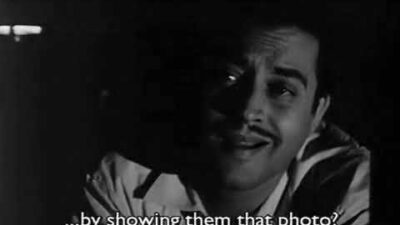
गुरु दत्त की 'मि. एण्ड मिसेज़ ५५' (१९५५) का 'जाने कहाँ मेरा जिगर गया जी' ओ.पी. नय्यर की सबसे चतुर कॉमेडी-रचनाओं और गीता दत्त के सबसे आनंदमय प्रदर्शनों में से एक है। उर्दू में 'जिगर' भावनाओं का केंद्र है — 'दिल' की तरह ही। यहाँ वह 'खो' गया है। पंजाबी-पश्चिमी संगीत-ऊर्जा — ट्रम्पेट, ढोल, तेज़ केहरवा — एक अप्रतिरोध्य कॉमिक नृत्य-संख्या बनाती है। गीता दत्त अपनी आवाज़ की पूरी रेंज दिखाती हैं जो आमतौर पर दुःख से जुड़ी है।
अंग्रेज़ी में पढ़ें · Read in English
"Jaane Kahan Mera Jigar Gaya Ji" from Guru Dutt's Mr. & Mrs. '55 (1955) is one of O.P. Nayyar's most brilliantly comic compositions and Geeta Dutt's most delightful performances. The premise is an Urdu-inflected joke: the singer's 'jigar' (heart — since in Urdu poetry the jigar/liver is the seat of deep emotion) has gone missing, and she needs it found. The song's Punjabi-Western musical energy — trumpet, dhol, fast Keherwa — creates an irresistible comic dance number. Geeta Dutt brings lightness and wit to a voice more often associated with sorrow, showing the full range of her remarkable instrument. This was O.P. Nayyar at his most playful — his early hit-making formula combining folk joy with Western rhythmic drive fully realized.
संगीत The Music
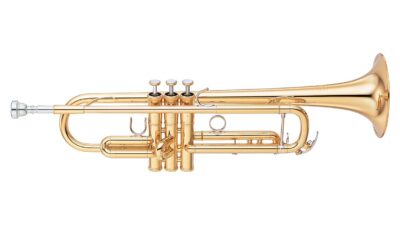
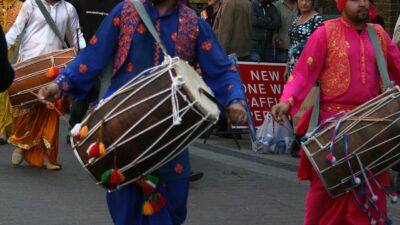
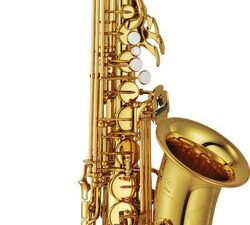
इस गाने के लिए नय्यर की व्यवस्था उनकी सबसे उत्साही कल्पना है: ट्रम्पेट की धूमधाम से शुरुआत, ढोल की लय, सैक्सोफोन का पाश्चात्य रंग — सब कुछ तेज़ केहरवा में जो गीत को लगभग मार्च जैसी ऊर्जा देता है। धुन जानबूझकर छोटी और दोहराई जाने वाली है — यह एक जादुई वाक्यांश है जो कानों में बस जाता है। गीता दत्त यहाँ अपने देवदास वाले रूप से बिल्कुल अलग हैं।
अंग्रेज़ी में पढ़ें · Read in English
Nayyar's arrangement for this song is perhaps his most exuberantly inventive: a trumpet fanfare opens, the dhol drives the rhythm, and the saxophone provides Westernized color — all in a fast Keherwa that gives the song an almost march-like energy. The melody is short and repetitive by design — it's a chant, a hook, something you can't unhear. Nayyar understood that comic songs work by getting into your head and refusing to leave. The tempo is fast enough to feel like chasing the missing 'jigar' through the streets. Geeta Dutt is asked here to be light, bright, quick — and she delivers a performance as different from her Devdas persona as possible, showing the full range of a voice that could do everything.
काव्य The Poetry
जाँ निसार अख़्तर की कॉमेडी-रचना उर्दू काव्य के एक प्रसिद्ध कल्पना-खेल पर बनी है: जिगर एक जीवित वस्तु की तरह उठकर चला गया। 'जाने कहाँ मेरा जिगर गया जी' — पता नहीं मेरा दिल कहाँ गया! इसे खोई हुई वस्तु की तरह ढूँढने का नाटक कविता की केंद्रीय कॉमेडी है। प्रत्येक वाक्यांश के अंत में 'जी' का जोड़ विलाप को एक मज़ाकिया औपचारिक गुण देता है।
अंग्रेज़ी में पढ़ें · Read in English
Jan Nisar Akhtar's comic lyric here is built on a classic Urdu poetic conceit: the jigar (which in Urdu poetry means liver but functionally means heart/emotion-centre) as a living thing that can get up and walk away. 'Jaane kahan mera jigar gaya ji' — who knows where my heart has gone! The pretense of searching for it, as if it were a lost object, is the poem's central comedy. The addition of 'ji' (a respectful suffix) at the end of each phrase gives the lament a mock-formal quality — she is being very serious about a very comic predicament.
कहानी The Story
गुरु दत्त की 'मि. एण्ड मिसेज़ ५५' समकालीन १९५० की बंबई में थी और शहरी परिष्कार और विवाह-प्रेम की कॉमिक संवेदनशीलता को दर्शाती थी। ओ.पी. नय्यर की रचनात्मक रेंज इसके लिए आदर्श थी। एक ही साल में 'जाने कहाँ मेरा जिगर' की कॉमिक हल्कापन और 'देवदास' के गहरे दुःख दोनों को निभाना गीता दत्त की असाधारण बहुमुखी प्रतिभा का प्रमाण है।
अंग्रेज़ी में पढ़ें · Read in English
Guru Dutt's Mr. & Mrs. '55 was set in contemporary 1950s Bombay and reflected the era's urban sophistication and comic sensibility about marriage, love, and social arrangements. The film required songs that could move from comedy to romance and back again, and O.P. Nayyar's compositional range proved ideal for this. Geeta Dutt's ability to inhabit both the comic lightness of 'Jaane Kahan Mera Jigar Gaya Ji' and the deep sorrow of her Devdas songs in the same year demonstrated her extraordinary versatility. Guru Dutt and Geeta Dutt's personal relationship was complicated by 1955, but the professional collaboration remained at its peak.
विरासत The Legacy
यह गीत सुनहरे युग के सबसे पहचाने जाने वाले कॉमेडी गीतों में से एक है। इसके विचार — खोया हुआ जिगर — को बाद की फ़िल्मों में संदर्भित और पैरोडी किया गया। गुरु दत्त की फ़िल्मों के लिए ओ.पी. नय्यर की शुरुआती करियर-कृतियाँ अब 'हिंदी सिनेमा के सर्वश्रेष्ठ कॉमिक गीत' संकलनों में नियमित हैं।
अंग्रेज़ी में पढ़ें · Read in English
The song remains one of the most recognized comic songs of the Golden Era. Its premise — the jigar/heart gone missing — has been referenced and parodied in later films. O.P. Nayyar's early career masterworks for Guru Dutt films are now studied as examples of how rhythmic energy and melodic hook can combine into perfect pop songwriting. The song appears regularly on 'Best Comic Songs of Hindi Cinema' compilations.
वर्गीकरण
Classification- Tempo
- Fast
Genre
अन्य विवरण
More Details- Wikipedia: Mr. & Mrs. '55. https://en.wikipedia.org/wiki/Mr._%26_Mrs._%2755
- Wikipedia: O. P. Nayyar. https://en.wikipedia.org/wiki/O._P._Nayyar
- Wikipedia: Geeta Dutt. https://en.wikipedia.org/wiki/Geeta_Dutt
- Hindi Film Geet Kosh Vol. 3, Harmandir Singh Hamraaz
References
रोचक तथ्य
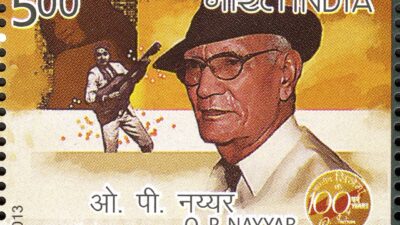
Margin Notesओ.पी. नैयर ने अपनी रचनाओं में लता मंगेशकर का इस्तेमाल कभी नहीं किया — यह बात प्रसिद्ध है और हिंदी फ़िल्म संगीत के इतिहास के सबसे असामान्य पेशेवर निर्णयों में से एक है। गीता दत्त और आशा भोसले के प्रति उनकी प्राथमिकता ने उनकी संगीत-शैली को परिभाषित किया।
अंग्रेज़ी में पढ़ें · Read in English
O.P. Nayyar famously never used Lata Mangeshkar in his compositions — one of the most unusual professional decisions in Hindi film music history. His preference for Geeta Dutt and Asha Bhosle defined his sound.
फ़िल्म मिस्टर एंड मिसेज़ '55 एक ही कैलेंडर वर्ष में बनाई गई थी — गुरु दत्त 1950 के दशक में अपनी तेज़ निर्माण गति के लिए जाने जाते थे।
अंग्रेज़ी में पढ़ें · Read in English
The film Mr. & Mrs. '55 was made in a single calendar year — Guru Dutt was known for his rapid production pace in the 1950s.
उर्दू शायरी में गहरी भावना के केंद्र के रूप में 'जिगर' शब्द का प्रयोग प्राचीन है — इस शब्द का शाब्दिक अर्थ यकृत होता है, लेकिन फ़ारसी और उर्दू शास्त्रीय काव्य के समय से यह गहरी भावना के लिए पसंदीदा रूपक रहा है।
अंग्रेज़ी में पढ़ें · Read in English
The use of 'jigar' in Urdu poetry as the seat of deep emotion is ancient — the word literally means liver but has been the preferred metaphor for deep feeling since Persian and Urdu classical poetry.
नमूना-पट्टी
The Specimen Table| शीर्षक | जाने कहाँ मेरा जिगर गया जी · Jaane Kahan Mera Jigar Gaya Ji |
|---|---|
| वर्ष · युग | 1955 — Golden Era |
| गायक | Geeta Dutt |
| गीतकार | जाँ निसार अख़्तर |
| संगीतकार | O.P. Nayyar |
| स्वरूप | एकल महिला |
| गति | तेज़ |
| अवधि | circa 3:10 |
| भाषा | Hindi · Urdu |
| वाद्य | trumpet · dhol · harmonium · saxophone |
| भाव | उत्सव · चुलबुला · रोमांटिक |
| लोकप्रियता | Popular |
| बोल-स्थिति | केवल झलक |
जुड़े हुए पन्ने
Connected Plates · The Graph Made Visibleअटलस में कोई पन्ना अकेला नहीं — इस गीत से जुड़े गीत, कलाकार, फ़िल्म, राग-ताल-विधा, सब यहाँ से खुलते हैं।
मिलते-जुलते गीत · Related Songs
कलाकार · The Artists
युग · The Era
साझा कीजिए · Share this Plate
यह पन्ना आगे बढ़ाइए
जाने कहाँ मेरा जिगर गया जी — एक सवाल में, प्यार की सारी मीठी बेबसी एक गाना बन गई।
Jaane kahan mera jigar gaya ji — in one question, all of love's delicious helplessness was made into a song.
— Music journalist (Filmfare retrospective, 1980)
सवाल-जवाब
Questions & Answersजाने कहाँ मेरा जिगर गया जी किस फ़िल्म का गाना है? · Which film is Jaane Kahan Mera Jigar Gaya Ji from?
गुरु दत्त की रोमांटिक कॉमेडी 'मि. एण्ड मिसेज़ ५५' (१९५५) से। ओ.पी. नय्यर का संगीत, गीता दत्त की आवाज़।
From Guru Dutt's romantic comedy Mr. & Mrs. '55 (1955). Music by O.P. Nayyar, sung by Geeta Dutt.
इस गाने में 'जिगर' का क्या अर्थ है? · What does 'jigar' mean in the song?
जिगर का शाब्दिक अर्थ यकृत है, लेकिन उर्दू कविता में इसका अर्थ दिल है — गहरी भावनाओं का केंद्र। गीत मज़ाकिया ढंग से कहता है कि दिल खो गया है।
Jigar literally means liver, but in Urdu poetry it is used to mean heart — the seat of deep emotion. The song comically says the heart has gone missing.