गीत विंग · गीत-पट्टिका · Song Plate
ऐ दिल-ए-बेक़रार झूम
Ae Dil-E-Beqaar Jhoom
एक मरता हुआ बादशाह अपने टूटे दिल को झूमने का हुक्म देता है — और यह गाने वाले सहगल ख़ुद भी उस रात की ओर बढ़ रहे थे जहाँ से वापसी न हो।
भावअविस्मरणीय · उदास · दार्शनिक
भाषाUrdu · Hindi गतिधीमी स्वरूपएकल पुरुष
श्रेय
The Creditsबोल · The Lyrics
बोल — झलक · Lyrics Preview
ग़म के इस दौर-ए-बेशुमार झूम
तू ही तो है मेरी उम्मीद की डोर
झूम झूम झूम
Gham ke is daur-e-beshumaar jhoom
Tu hi to hai meri ummeed ki dor
Jhoom jhoom jhoom
कॉपीराइट के कारण केवल झलक — पूरे बोल आधिकारिक मंचों पर।
शब्दकोश
Word Meaningsसूत्र-वाक्य · The Hook
सूत्र-वाक्य
एक मरता हुआ बादशाह अपने टूटे दिल को झूमने का हुक्म देता है — और यह गाने वाले सहगल ख़ुद भी उस रात की ओर बढ़ रहे थे जहाँ से वापसी न हो।
In EnglishA dying emperor commands his own restless heart to sway into grief — sung by a dying man who knew exactly what he was singing.
पट्टिका-लेख
The Monographपरिचय Overview
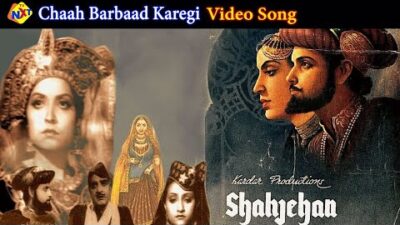
नौशाद के संगीत और मजरूह के नहीं, बल्कि युवा ख़ुमार बाराबंकवी की क़लम से जन्मा 'ऐ दिल-ए-बेक़रार झूम' वह गीत है जो के. एल. सहगल की आवाज़ का सबसे गहरा पड़ाव माना जाता है। निर्देशक अब्दुल रशीद कारदार की 1946 की मुग़ल नाट्य-फ़िल्म 'शाहजहाँ' के लिए रचा गया यह गीत — जिसमें एक बादशाह अपने टूटे दिल को झूमने का आदेश देता है — उस वक़्त गाया गया जब सहगल स्वयं मृत्यु के निकट थे। राग भैरवी की छाया में, सारंगी और तबले की सुर-संगत में, यह गीत दर्द को उत्सव बना देता है — यह सहगल का हिंदी सिनेमा को विदाई-गीत था।
अंग्रेज़ी में पढ़ें · Read in English
Composed by Naushad and sung by K.L. Saigal for the 1946 Mughal drama Shahjehan, directed by Abdul Rashid Kardar, 'Ae Dil-E-Beqaar Jhoom' is one of Hindi cinema's most searching laments — a ghazal in which the poet commands his own broken heart to sway into grief rather than resist it. With lyrics by the young Khumar Barabankvi (then twenty-six years old, in one of his earliest film compositions), set against Naushad's orchestration rooted in Raag Bhairavi, Saigal poured into this song the weight of a life ending — he would die in January 1947, only months after completing Shahjehan. The song remains the definition of 'dard bhara' — a melody that hurts beautifully.
संगीत The Music
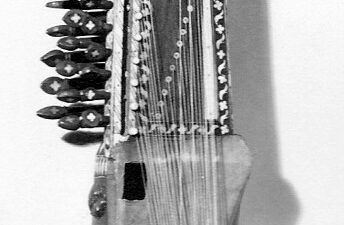
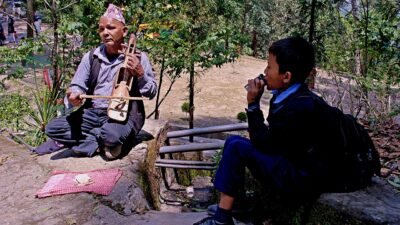
नौशाद ने इस गीत की नींव राग भैरवी पर रखी — वह राग जो विदाई, भोर की पीड़ा और समापन का पर्याय है। सारंगी की पहली तान से ही रात का वह घना अँधेरा उतर आता है जिसमें सहगल की आवाज़ एक दीपक की तरह जलती है। हारमोनियम की निरंतर सुर-धारा के ऊपर सहगल का बेसुर न होने वाला बैरिटोन — जो उम्र और बीमारी से थका हुआ था पर टूटा नहीं था — उस एक शब्द 'झूम' को बार-बार इस तरह गाता है जैसे हर बार नई गहराई से निकाल रहा हो। ताल की मध्यम गति में एक अनोखा विरोधाभास है: झूमने की लय और दर्द का बोझ — दोनों साथ चलते हैं, एक-दूसरे को काटते नहीं, बल्कि एक-दूसरे को और गहरा करते हैं। यही नौशाद की प्रतिभा थी।
अंग्रेज़ी में पढ़ें · Read in English
Naushad constructed this song on the foundation of Raag Bhairavi, the raga most associated with pathos, dawn farewells, and endings — an emotionally loaded choice for a lament from a doomed emperor. The sarangi opens the composition, drawing a mournful thread through the darkness; the harmonium sustains the drone beneath Saigal's baritone. What makes the arrangement distinctive is its use of a medium-paced jhoom — a swaying rhythm that contradicts the content's heaviness, suggesting that the heart, even broken, still moves. Naushad understood Saigal's voice better than any other composer: he gave him space to breathe, to pause, to let the silence say what the words could not. Khumar Barabankvi's ghazal structure, with its repeated command 'jhoom' (sway), creates a hypnotic refrain that pulls the listener into the rhythm of grief.
काव्य The Poetry
ख़ुमार बाराबंकवी उस वक़्त मुश्किल से छब्बीस साल के थे जब यह ग़ज़ल लिखी। उनकी क़लम की ख़ासियत यह है कि यह ग़ज़ल शिकायत नहीं करती — आदेश देती है। 'झूम' एक मंत्र की तरह बार-बार आता है, मानो शायर अपने दिल को समझा रहा हो: रो मत, टूट मत, झूम जा। 'बेक़रार' शब्द उर्दू शायरी में उस दिल के लिए है जो ठिकाना न पा सके — और इस गीत में यही बेक़रारी को एक नई दिशा मिलती है: ग़म में भी एक लय है, दर्द में भी एक नृत्य है।
अंग्रेज़ी में पढ़ें · Read in English
Khumar Barabankvi was barely twenty-six when he wrote this lyric. The ghazal uses the imperative mood throughout — 'jhoom' (sway) is repeated as a mantra, a command the poet issues to his own heart. Rather than narrating grief, the lyric demands surrender to it: don't fight the restlessness, become the restlessness, sway within it. The word 'beqaar' — literally 'out of work, without occupation' — in Urdu poetry specifically means the heart that cannot find rest, the soul unmoored. Khumar transforms despair into motion, grief into dance.
कहानी The Story
'शाहजहाँ' (1946) की रिकॉर्डिंग उस दौर में हुई जब के. एल. सहगल की सेहत बुरी तरह टूट चुकी थी। शराब ने उनकी आवाज़ और शरीर दोनों को खोखला कर दिया था। निर्देशक ए. आर. कारदार और नौशाद दोनों जानते थे कि सहगल खिंचते-खिंचते काम कर रहे हैं। नौशाद ने बाद में बताया था कि रिकॉर्डिंग सत्र छोटे-छोटे रखने पड़ते थे क्योंकि सहगल जल्दी थक जाते थे। 'ऐ दिल-ए-बेक़रार झूम' में जो काँपती हुई, थकी हुई आवाज़ है — वह अभिनय नहीं था, वह सच था। 18 जनवरी 1947 को सहगल चले गए। यह गीत उनकी विदाई बन गया।
अंग्रेज़ी में पढ़ें · Read in English
Shahjehan (1946) was filmed while K.L. Saigal was in severe physical decline — his alcoholism had ravaged his health and his voice had taken on a fragile, trembling quality. Director A.R. Kardar and music director Naushad were aware that Saigal was gravely ill during the shoot. According to accounts by Naushad, recording sessions had to be shortened because Saigal tired easily. The physical frailty in his voice during 'Ae Dil-E-Beqaar Jhoom' was not acting — it was the truth of a man saying farewell. Saigal would die on 18 January 1947, just months after Shahjehan released. The song became a requiem for the golden age of early playback singing.
विरासत The Legacy
आठ दशक बाद 'ऐ दिल-ए-बेक़रार झूम' सहगल की पहचान का दूसरा नाम है — 'जब दिल ही टूट गया' के साथ यह गीत उनके संगीत का शिखर माना जाता है। ख़ुमार बाराबंकवी के करियर की शुरुआत इस गीत से हुई और वे आगे जाकर हिंदी फ़िल्म शायरी के बड़े नामों में शामिल हुए। नौशाद की रचनाओं पर जब भी चर्चा होती है, यह गीत अनिवार्य रूप से आता है। सरेगामा के संकलनों में यह आज भी सक्रिय है। सहगल की आवाज़ की कमज़ोरी इस गीत की ताक़त बन गई — कला और कलाकार की मृत्युता इस गीत में एक हो गई हैं।
अंग्रेज़ी में पढ़ें · Read in English
Eight decades on, 'Ae Dil-E-Beqaar Jhoom' defines the Saigal canon alongside 'Jab Dil Hi Toot Gaya'. It is among the most cited songs whenever the early golden era of playback singing is discussed. For Khumar Barabankvi, it was a breakthrough lyric at the very start of a career that would span five decades. The song has been featured in retrospectives on Naushad's compositions and remains in active rotation on Saregama's catalogue. Saigal's interpretation is considered definitive — the physical frailty in his voice only deepens the song's emotional truth, making it impossible to separate the art from the artist's mortality.
वर्गीकरण
Classification- Tempo
- Slow
Genre
अन्य विवरण
More Details- Wikipedia — Shahjehan (1946 film)
- Hindigeetmala.net — Shahjehan (1946) song list
- Wikipedia — Khumar Barabankvi
- Wikipedia — K.L. Saigal
- Wikipedia — Naushad
- Songs of Yore — Best songs of 1946
References
रोचक तथ्य
Margin Notesके.एल. सहगल का निधन 18 जनवरी 1947 को हुआ, जो 'शाहजहाँ' की रिलीज़ के एक वर्ष से भी कम समय बाद था, जिससे इस फ़िल्म के सभी गीत उनके अंतिम रिकॉर्ड किए गए कार्यों में शुमार होते हैं।
अंग्रेज़ी में पढ़ें · Read in English
K.L. Saigal died on 18 January 1947, less than a year after Shahjehan's release, making all his songs from this film among his last recorded work.
ख़ुमार बाराबंकवी का जन्म 1919 में उत्तर प्रदेश के बाराबंकी में हुआ था; 'ऐ दिल-ए-बेक़रार' उनके शुरुआती प्रमुख फ़िल्मी गीतों में से एक था, जो उन्होंने 26 वर्ष की आयु में लिखा।
अंग्रेज़ी में पढ़ें · Read in English
Khumar Barabankvi was born in Barabanki, Uttar Pradesh in 1919; 'Ae Dil-E-Beqaar' was among his first major film songs, written at age 26.
नौशाद ने साक्षात्कारों में याद किया कि 1945-46 तक सहगल की सहनशक्ति इतनी क्षीण हो चुकी थी कि उन्हें कभी-कभी पद्यों को अलग-अलग टेक में रिकॉर्ड करना पड़ता था।
अंग्रेज़ी में पढ़ें · Read in English
Naushad recalled in interviews that Saigal would sometimes have to record verses in separate takes because his stamina had declined so severely by 1945-46.
फ़िल्म 'शाहजहाँ' का निर्देशन अब्दुल रशीद कारदार (ए.आर. कारदार) ने किया था, जो बॉम्बे सिनेमा में सक्रिय एक अग्रणी पाकिस्तानी-मूल के फ़िल्मकार थे।
अंग्रेज़ी में पढ़ें · Read in English
The film Shahjehan was directed by Abdul Rashid Kardar (A.R. Kardar), a pioneering Pakistani-origin filmmaker active in Bombay cinema.
'शाहजहाँ' 1946 की शीर्ष पाँच बॉक्स-ऑफ़िस सफल फ़िल्मों में से एक थी — सहगल के बिगड़ते स्वास्थ्य की सार्वजनिक जानकारी के बावजूद, या शायद उसी के कारण।
अंग्रेज़ी में पढ़ें · Read in English
Shahjehan was one of the top five box-office hits of 1946, despite — or perhaps because of — the public awareness of Saigal's declining health.
नमूना-पट्टी
The Specimen Table| शीर्षक | ऐ दिल-ए-बेक़रार झूम · Ae Dil-E-Beqaar Jhoom |
|---|---|
| फ़िल्म | शाहजहाँ · 1946 |
| वर्ष · युग | 1946 — Pre-Independence |
| गायक | K.L. Saigal |
| गीतकार | ख़ुमार बाराबंकवी |
| संगीतकार | Naushad |
| स्वरूप | एकल पुरुष |
| गति | धीमी |
| अवधि | c. 4:00 |
| भाषा | Urdu · Hindi |
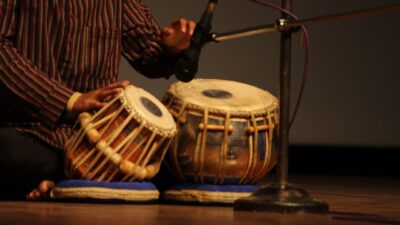
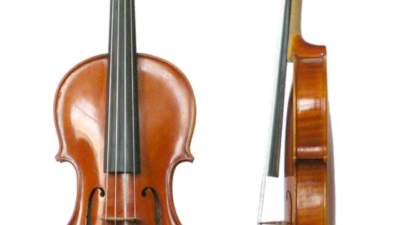
| वाद्य | sarangi · tabla · harmonium · violin |
| भाव | अविस्मरणीय · उदास · दार्शनिक |
| लोकप्रियता | Legendary |
| बोल-स्थिति | केवल झलक |
जुड़े हुए पन्ने
Connected Plates · The Graph Made Visibleअटलस में कोई पन्ना अकेला नहीं — इस गीत से जुड़े गीत, कलाकार, फ़िल्म, राग-ताल-विधा, सब यहाँ से खुलते हैं।
मिलते-जुलते गीत · Related Songs
कलाकार · The Artists
फ़िल्म · The Film
साझा कीजिए · Share this Plate
यह पन्ना आगे बढ़ाइए
सहगल की आवाज़ में ग़म झूमना सीख गया — और झूमने से ही वह सहा जाने लायक़ बना।
In Saigal's voice, grief learned to sway — and by swaying, it became bearable.
— Music critic (paraphrased)
सवाल-जवाब
Questions & Answers'ऐ दिल-ए-बेक़रार झूम' के बोल किसने लिखे? · Who wrote the lyrics of Ae Dil-E-Beqaar Jhoom?
बोल ख़ुमार बाराबंकवी ने लिखे — जो उस समय क़रीब छब्बीस साल के थे और बाराबंकी, उत्तर प्रदेश से थे। यह उनके करियर के शुरुआती बड़े गीतों में से एक था। वे मजरूह सुल्तानपुरी नहीं हैं जिन्होंने 'शाहजहाँ' के अधिकांश अन्य गीत लिखे।
The lyrics were written by Khumar Barabankvi (born 1919, Barabanki, U.P.), who was only about 26 years old at the time. This was one of his earliest major film songs. He is not Majrooh Sultanpuri, who wrote most other Shahjehan songs.
क्या के. एल. सहगल इस गीत की रिकॉर्डिंग के समय गंभीर रूप से बीमार थे? · Was K.L. Saigal seriously ill when he recorded this song?
हाँ। 1945-46 तक सहगल का स्वास्थ्य शराब के कारण बहुत बिगड़ चुका था। नौशाद ने बताया कि रिकॉर्डिंग सत्र छोटे रखने पड़ते थे क्योंकि वे जल्दी थक जाते थे। 'शाहजहाँ' की रिलीज़ के कुछ महीनों बाद 18 जनवरी 1947 को उनका निधन हुआ।
Yes. By 1945-46, Saigal's health had badly deteriorated due to alcoholism. Naushad recalled that recording sessions were kept brief because Saigal tired quickly. He died on 18 January 1947, months after Shahjehan's release.
'ऐ दिल-ए-बेक़रार झूम' में 'बेक़रार' का क्या अर्थ है? · What does 'beqaar' mean in Ae Dil-E-Beqaar Jhoom?
उर्दू में 'बेक़रार' का अर्थ है — व्याकुल, बेचैन, जो कहीं ठिकाना न पा सके। उर्दू शायरी में यह शब्द उस दिल के लिए है जो किसी भी सुख में स्थिर न हो सके — एक आत्मा जो किनारे को तरसती हो।
'Beqaar' in Urdu means restless, troubled, unable to find peace or occupation. In Urdu poetry the word specifically describes a heart that cannot find its resting place — a soul unmoored from any comfort.
क्या 'ऐ दिल-ए-बेक़रार झूम' और 'जब दिल ही टूट गया' एक ही फ़िल्म के गीत हैं? · Is Ae Dil-E-Beqaar Jhoom from the same film as Jab Dil Hi Toot Gaya?
हाँ, दोनों 'शाहजहाँ' (1946) के गीत हैं — निर्देशक ए. आर. कारदार, संगीत नौशाद। लेकिन गीतकार अलग हैं: 'ऐ दिल-ए-बेक़रार' ख़ुमार बाराबंकवी ने लिखा जबकि 'जब दिल ही टूट गया' मजरूह सुल्तानपुरी की क़लम से है।
Yes, both are from Shahjehan (1946), directed by A.R. Kardar with music by Naushad. However they have different lyricists: Khumar Barabankvi wrote 'Ae Dil-E-Beqaar' while Majrooh Sultanpuri wrote 'Jab Dil Hi Toot Gaya'.