गीत विंग · गीत-पट्टिका · Song Plate
चाह बर्बाद करेगी
Chaah Barbaad Karegi
चाह बर्बाद करेगी — मालूम न था — जब एक ऐसे आदमी ने यह गाया जिसकी अपनी ज़िंदगी पहले से ही यही साबित कर रही थी।
भावमीठा-कड़वा · उदास · दार्शनिक
भाषाUrdu · Hindi गतिधीमी स्वरूपएकल पुरुष
श्रेय
The Creditsबोल · The Lyrics
बोल — झलक · Lyrics Preview
इस क़दर ज़ालिम होगी चाहत मालूम न था
जानते हम तो कभी प्यार न करते तुमसे
Is qadar zaalim hogi chaahat maalum na tha
Jaante ham to kabhi pyaar na karte tumse
कॉपीराइट के कारण केवल झलक — पूरे बोल आधिकारिक मंचों पर।
शब्दकोश
Word Meaningsसूत्र-वाक्य · The Hook
सूत्र-वाक्य
चाह बर्बाद करेगी — मालूम न था — जब एक ऐसे आदमी ने यह गाया जिसकी अपनी ज़िंदगी पहले से ही यही साबित कर रही थी।
In EnglishLove will ruin me — I did not know — sung by a man whose life already proved it.
पट्टिका-लेख
The Monographपरिचय Overview
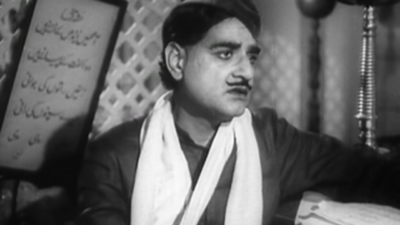
'शाहजहाँ' (1946) का यह गीत — नौशाद का संगीत, मजरूह सुल्तानपुरी के बोल, के. एल. सहगल की आवाज़ — प्रेम की तबाही का एक दार्शनिक हिसाब है। 'चाह बर्बाद करेगी हमें मालूम न था' — यह पंक्ति पछतावे की नहीं, एक कड़वी प्रज्ञा की है। मजरूह उस समय नवोदित शायर थे, लेकिन यह पंक्ति एक बुजुर्ग दर्शन का आभास देती है। सहगल की आवाज़ ने इसे और गहरा किया — एक ऐसा आदमी जिसकी अपनी ज़िंदगी शराब से तबाह हो रही थी, वह 'बर्बादी' के बारे में गा रहा था: यह अभिनय नहीं, यह जीवन का सच था। समकालीन आलोचकों ने इसे 1946 के सर्वश्रेष्ठ गीतों में गिना।
अंग्रेज़ी में पढ़ें · Read in English
From the 1946 Mughal drama Shahjehan, directed by A.R. Kardar with music by Naushad, 'Chaah Barbaad Karegi' is K.L. Saigal's philosophical reckoning with love's destruction. Majrooh Sultanpuri's lyric — one of the young poet's first major film songs — builds on a paradox: the speaker says had he known love would ruin him, he would have never loved; yet the listener senses the song is itself an act of love, a tribute paid in the currency of regret. Saigal, by 1946 a man whose own life was being consumed by addiction, brought to this song a lived authenticity that no amount of acting could manufacture. It was among the most cited songs in the 'best of 1946' tallies by contemporary critics.
संगीत The Music
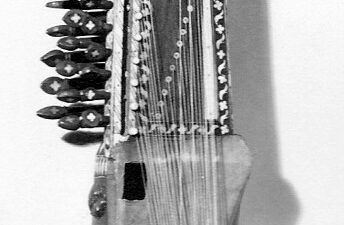
नौशाद ने इस गीत के लिए भी वही भैरवी का आधार चुना जो 'शाहजहाँ' के सभी विलाप-गीतों का आधार था — वह राग जो विदाई, भोर के अंतिम क्षणों और समापन का प्रतीक है। रचना में एक गंभीर, शाही गति है: सहगल दुःख में दौड़ते नहीं, उसमें रहते हैं, हर पंक्ति को धीरे-धीरे पलटते हुए जैसे कोई अपने खंडहरों का मुआयना करता हो। अंतरों के बीच सारंगी एक दूसरी आवाज़ की तरह सिसकती है। हारमोनियम की निरंतर धारा के नीचे हर शब्द का बोझ अलग से महसूस होता है।
अंग्रेज़ी में पढ़ें · Read in English
Naushad built this song on the Bhairavi foundation he favoured for all the Shahjehan laments — the raga of sorrowful departure, of morning farewells. The composition uses a measured, stately pace: Saigal is not hurrying through grief but inhabiting it, turning each phrase over slowly as a man contemplates ruins. The sarangi carries the primary melodic thread between verses, functioning almost as a second voice — sighing where Saigal pauses. The harmonium provides a steady drone undertow. The tempo is slow enough to make each word land with deliberate weight.
काव्य The Poetry
मजरूह सुल्तानपुरी की इस ग़ज़ल की ख़ासियत यह है कि वे भूतकाल में उस आपदा की बात करते हैं जो अभी भी जारी है। 'मालूम न था' — मैं नहीं जानता था — बार-बार आता है, लेकिन पढ़ते हुए यह स्पष्ट हो जाता है कि अगर पता भी होता, तो प्रेम फिर भी होता। यह शब्द 'चाह' — न 'मोहब्बत', न 'इश्क़' — एक साधारण इच्छा है, रोज़ की-सी लालसा। इसी साधारणपन में तबाही की भयावहता है: कोई बड़ा जुनून नहीं, बस एक छोटी-सी चाह ने सब कुछ मिट्टी कर दिया।
अंग्रेज़ी में पढ़ें · Read in English
Majrooh Sultanpuri's genius in this lyric is the use of the past tense for a disaster that is still happening. 'Maalum na tha' — I did not know — is repeated as a refrain, but the context makes clear that even if the speaker had known, the love would have happened anyway. The poem thus achieves a double movement: regret and inevitability, complaint and acceptance. The opening 'chaah' (desire/love) is carefully chosen — not 'mohabbat' or 'ishq' (which are grand and absolute) but 'chaah', which is simpler, everyday, a want rather than a grand passion. That ordinariness makes the ruin more devastating.
कहानी The Story
'शाहजहाँ' के सभी गीतों की तरह 'चाह बर्बाद करेगी' भी सहगल के अंतिम सक्रिय महीनों में रिकॉर्ड हुई — जब उनकी सेहत बहुत बिगड़ चुकी थी। निर्देशक ए. आर. कारदार और नौशाद वक़्त के ख़िलाफ़ काम कर रहे थे — जानते थे कि सहगल फ़िल्म पूरी करने की स्थिति में भी न रहें। मजरूह सुल्तानपुरी उस समय बंबई में अपनी पहचान बना रहे थे — 'शाहजहाँ' में एकाधिक गीत मिलना उनके करियर का एक बड़ा पड़ाव था। Songs of Yore के 1946 के पूर्वदर्शन विश्लेषण में इस गीत को उस साल के श्रेष्ठ गीतों में शामिल किया गया।
अंग्रेज़ी में पढ़ें · Read in English
Like all the Shahjehan songs, 'Chaah Barbaad Karegi' was recorded during Saigal's final active months, when his health had severely deteriorated. The film's director A.R. Kardar and Naushad were working against time — aware that Saigal might not complete the project. Majrooh Sultanpuri, still establishing himself in Bombay's film music world, had secured a significant commission with multiple songs in Shahjehan. This song represents both his early promise and Saigal's final major creative phase. Songs of Yore's retrospective analysis of 1946 listed 'Chaah Barbaad Karegi' among the outstanding songs of that year.
विरासत The Legacy
'चाह बर्बाद करेगी' सहगल की श्रेष्ठ रचनाओं के संकलनों और नौशाद के प्रारंभिक करियर के पूर्वदर्शन में नियमित रूप से शामिल होती है। यह गीत स्वातंत्र्य-पूर्व हिंदी फ़िल्म संगीत की उस चिंतनशील धारा का प्रतिनिधित्व करता है जो ग़ज़ल की कड़वी प्रज्ञा से पोषित है। मजरूह सुल्तानपुरी — जो आगे जाकर चार दशकों में हिंदी सिनेमा के सबसे महान गीतकारों में से एक बने — ने हमेशा नौशाद के साथ अपने शुरुआती काम को अपनी रचनात्मक दिशा निर्धारित करने वाला बताया।
अंग्रेज़ी में पढ़ें · Read in English
'Chaah Barbaad Karegi' is frequently included in compilations of Saigal's finest work and in retrospectives of Naushad's early career. It represents the philosophical strand in pre-Independence Hindi film song — a tradition of contemplative lament that draws from the ghazal's capacity for bitter wisdom. Majrooh Sultanpuri, who later became one of Hindi cinema's greatest lyricists with songs spanning four decades, always cited his early Naushad collaborations as defining his creative direction.
वर्गीकरण
Classification- Tempo
- Slow
Genre
अन्य विवरण
More Details- Hindigeetmala.net — Shahjehan (1946) song list
- Wikipedia — Shahjehan (1946 film)
- Wikipedia — K.L. Saigal
- Wikipedia — Majrooh Sultanpuri
- Songs of Yore — Best songs of 1946 retrospective
References
रोचक तथ्य
Margin Notes'सॉन्ग्स ऑफ़ यॉर' की 1946 के सर्वश्रेष्ठ गीतों पर केंद्रित एक समीक्षा में विशेष रूप से 'चाह बर्बाद करेगी' को उस वर्ष के उत्कृष्ट गीतों में गिना गया।
अंग्रेज़ी में पढ़ें · Read in English
Songs of Yore's retrospective on the best songs of 1946 specifically cited 'Chaah Barbaad Karegi' as one of the outstanding songs of the year.
मजरूह सुल्तानपुरी जब यह गीत लिख रहे थे, तब उनकी आयु मात्र लगभग 26 वर्ष थी — उनकी दार्शनिक परिपक्वता उनकी उम्र के हिसाब से उल्लेखनीय थी।
अंग्रेज़ी में पढ़ें · Read in English
Majrooh Sultanpuri was only about 26 when he wrote this lyric — his philosophical maturity was remarkable for his age.
शीर्षक-पंक्ति 'चाह बर्बाद करेगी' (प्रेम हमें बर्बाद कर देगा) सहगल के अपने जीवन के आलोक में — जो शराब से तबाह हो गया था — एक आत्मकथात्मक आयाम ग्रहण कर लेती है।
अंग्रेज़ी में पढ़ें · Read in English
The title phrase 'Chaah Barbaad Karegi' (love will ruin us) takes on an autobiographical dimension in light of Saigal's own life, ravaged by alcohol.
यह गीत प्रेम के लिए 'मोहब्बत' या 'इश्क़' के बजाय सामान्य शब्द 'चाह' (सीधी इच्छा) का प्रयोग करता है — यह एक सोची-समझी काव्यात्मक चयन है, जो बर्बादी के भाव को अधिक सार्वभौमिक बना देती है।
अंग्रेज़ी में पढ़ें · Read in English
This song uses the everyday word 'chaah' (simple desire) rather than 'mohabbat' or 'ishq' for love — a deliberate poetic choice that makes the ruin feel more universal.
नमूना-पट्टी
The Specimen Table| शीर्षक | चाह बर्बाद करेगी · Chaah Barbaad Karegi |
|---|---|
| फ़िल्म | शाहजहाँ · 1946 |
| वर्ष · युग | 1946 — Pre-Independence |
| गायक | K.L. Saigal |
| गीतकार | Majrooh Sultanpuri |
| संगीतकार | Naushad |
| स्वरूप | एकल पुरुष |
| गति | धीमी |
| अवधि | c. 3:30 |
| भाषा | Urdu · Hindi |
| वाद्य | sarangi · tabla · harmonium |
| भाव | मीठा-कड़वा · उदास · दार्शनिक |
| लोकप्रियता | Very_popular |
| बोल-स्थिति | केवल झलक |
जुड़े हुए पन्ने
Connected Plates · The Graph Made Visibleअटलस में कोई पन्ना अकेला नहीं — इस गीत से जुड़े गीत, कलाकार, फ़िल्म, राग-ताल-विधा, सब यहाँ से खुलते हैं।
मिलते-जुलते गीत · Related Songs
कलाकार · The Artists
फ़िल्म · The Film
साझा कीजिए · Share this Plate
यह पन्ना आगे बढ़ाइए
सहगल ने बर्बादी के बारे में उस इंसान की सत्ता से गाया जो ख़ुद उसे जी रहा था।
Saigal sang about ruin with the authority of a man who was living it.
— Film music critic (paraphrased)
सवाल-जवाब
Questions & Answers'चाह बर्बाद करेगी' का क्या अर्थ है? · What is the meaning of Chaah Barbaad Karegi?
'चाह बर्बाद करेगी हमें मालूम न था' का अर्थ है — इच्छा/प्रेम हमें बर्बाद करेगी, यह मुझे पता नहीं था। यह एक पछतावे का गीत है — शायर कहता है कि काश मुझे पता होता, लेकिन सुनने वाले को लगता है कि पता होने पर भी प्रेम हो ही जाता।
'Chaah barbaad karegi' means 'desire/love will ruin us (I did not know)'. It is a lament of retrospective wisdom — the speaker acknowledges that he did not know love would be so destructive, but the song implies even knowing would not have stopped him.
'चाह बर्बाद करेगी' के बोल किसने लिखे? · Who wrote the lyrics of Chaah Barbaad Karegi?
बोल मजरूह सुल्तानपुरी ने लिखे। वे अवध के नवोदित शायर थे — उस समय बीस के दशक में — जब यह उनके शुरुआती बड़े फ़िल्मी गीतों में से एक था। आगे जाकर वे लगभग पाँच दशकों तक हिंदी सिनेमा के सबसे बड़े गीतकारों में से एक बने।
Majrooh Sultanpuri wrote the lyrics. He was a young poet from Awadh barely in his twenties when he wrote this — one of his earliest major film assignments. He would go on to become one of Hindi cinema's greatest lyricists over a career spanning nearly five decades.