गीत विंग · गीत-पट्टिका · Song Plate
बूझ मेरा क्या नाम रे
Boojh Mera Kya Naam Re
सात दशक बाद भी हर शादी का डीजे यह गीत बजाता है — क्योंकि प्रेम की पहेलियाँ कभी पुरानी नहीं पड़तीं।
भावरहस्यमय · चुलबुला · रोमांटिक
भाषाHindi · Urdu गतिMedium-Fast स्वरूपएकल महिला
श्रेय
The Creditsबोल · The Lyrics
बोल — झलक · Lyrics Preview
मेरा नाम रे, मेरा नाम रे
जो बूझे सो दीवाना रे
बूझ मेरा क्या नाम रे
Mera Naam Re, Mera Naam Re
Jo Boojhe So Diwana Re
Boojh Mera Kya Naam Re
कॉपीराइट के कारण केवल झलक — पूरे बोल आधिकारिक मंचों पर।
शब्दकोश
Word Meaningsसूत्र-वाक्य · The Hook
सूत्र-वाक्य
सात दशक बाद भी हर शादी का डीजे यह गीत बजाता है — क्योंकि प्रेम की पहेलियाँ कभी पुरानी नहीं पड़तीं।
In EnglishSeven decades later, every wedding DJ still plays this song — because riddles about love never go out of style.
पट्टिका-लेख
The Monographपरिचय Overview
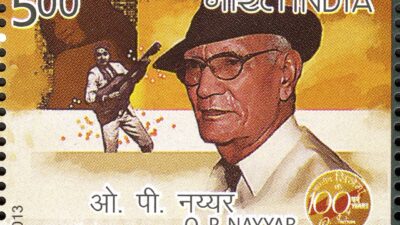
'सी.आई.डी.' (1956) का यह गीत शमशाद बेगम की सबसे प्रसिद्ध लोक-फ़िल्मी रिकॉर्डिंग है — एक पहेली गीत जिसमें एक नारी अपने प्रिय को अपना नाम बूझने के लिए आमंत्रित करती है, भारतीय लोक परम्परा की पहेलियों में जड़ा हुआ। ओ.पी. नैयर ने इसे ढोलक-नेतृत्व वाले लोक-जुलूस की शक्ति के साथ रचा, और मजरूह सुल्तानपुरी ने पहेली-खेल परम्परा को अपनी विशिष्ट तेज़ी से बुना। शमशाद बेगम — जिनकी प्राकृतिक रूप से सशक्त, खुले उत्सव की आवाज़ अनुपम थी — को अपना एक हस्ताक्षर नंबर मिला।
अंग्रेज़ी में पढ़ें · Read in English
"Boojh Mera Kya Naam Re" from CID (1956) is Shamshad Begum's most celebrated folk-filmi recording — a riddle song in which a woman invites her beloved to guess her name, rooted in the ancient Indian folk tradition of the paheliyan (riddle verses). Composed by O.P. Nayyar with the driving energy of a dholak-led folk procession, and with lyrics by Majrooh Sultanpuri that tap the riddle-game tradition with characteristic wit, the song gave Shamshad Begum — whose naturally robust, outdoor-festival quality of voice was unmatched — one of her signature numbers. Released on HMV, it has been a fixture of Indian weddings, mehendi functions, and festive gatherings for seven decades.
संगीत The Music
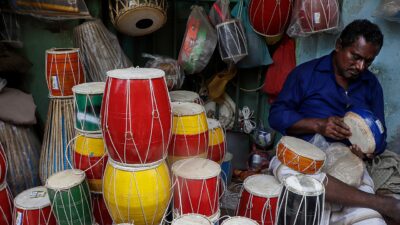
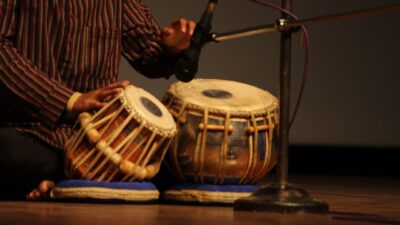
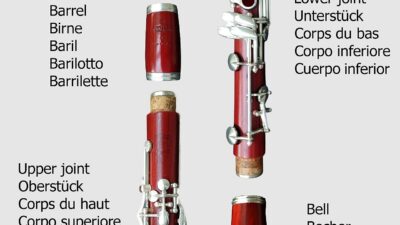
नैयर की इस गीत में प्रतिभा अपनी सामान्य पश्चिमी-प्रभावित ध्वनि को उतारकर लगभग शुद्ध लोक में जाने में है: ढोलक लय चलाता है, क्लेरिनेट लोक-रंगी सुरों की पंक्तियाँ बजाता है, और समग्र बनावट एक बम्बई फ़िल्म ऑर्केस्ट्रा से अधिक पंजाबी शादी-बैंड के क़रीब है। यह सीधापन गीत के विषय (एक लोक-पहेली खेल) और शमशाद बेगम की आवाज़ दोनों के अनुकूल है।
अंग्रेज़ी में पढ़ें · Read in English
Nayyar's genius in this song is to strip down his usual Western-influenced sound and go almost purely folk: the dholak (double-headed barrel drum) drives the rhythm, the clarinet plays folk-tinged melodic lines, and the overall texture is closer to a Punjabi wedding band than a Bombay film orchestra. This directness suits both the song's subject matter (a folk riddle game) and Shamshad Begum's voice, which has a quality of outdoor, festival performance that studio microphone work sometimes muffled in other singers. The melody itself is constructed in a way that the refrain 'boojh mera kya naam re' functions as a call that invites the audience to respond — the song is interactive by construction.
काव्य The Poetry
मजरूह का पाठ पहेलियों (पहेली-श्लोक) की परम्परा को छूता है जो हिन्दी, पंजाबी और राजस्थानी लोक-कविता में व्यापक है। पहेली-नाम का खेल ग्रामीण भारत में प्रेमालाप का एक सामान्य साधन था — एक नारी अपने नाम के संकेत देती और जो हल करता उसे उसका ध्यान मिलता। मजरूह की प्रतिभा 'जो बूझे सो दीवाना रे' में है — जो बूझे वह दीवाना हो जाए — अर्थात उसका नाम जानना ही उस पर फ़िदा हो जाना है।
अंग्रेज़ी में पढ़ें · Read in English
Majrooh's text taps the paheliyan (riddle verse) tradition found throughout Hindi, Punjabi, and Rajasthani folk poetry. The riddle-name game was a common courtship device in rural India — a woman would give clues to her name, and the man who solved it was understood to have won her attention. The brilliance of Majrooh's adaptation is the line 'Jo boojhe so diwana re' — he who guesses becomes a madman (diwana) — implying that to know her name is to fall helplessly in love.
कहानी The Story
शमशाद बेगम हिन्दी फ़िल्म संगीत में एक विशिष्ट स्थान रखती थीं — वे 1940 और 1950 के दशक की प्रमुख महिला आवाज़ थीं, अपनी शक्तिशाली, विशिष्ट भारतीय स्वर-गुणवत्ता के लिए जानी जाती थीं जब लता मंगेशकर और गीता दत्त की हल्की आवाज़ें हावी हो रही थीं। 1956 तक वे कम दिखाई देती थीं, जिससे 'सी.आई.डी.' स्वर्णिम युग में उनके अंतिम प्रमुख योगदानों में से एक बन गई।
अंग्रेज़ी में पढ़ें · Read in English
Shamshad Begum occupied a unique position in Hindi film music — she was the dominant female voice of the 1940s and early 1950s, known for her powerful, distinctly Indian timbre at a time when the 'Westernised' lighter voices of Lata Mangeshkar and Geeta Dutt were beginning to take over. By 1956, she was appearing less frequently in film soundtracks, making CID one of her last major contributions to the Golden Era. The song was reportedly composed with Shamshad in mind specifically — Nayyar recognised that her voice had exactly the outdoor folk energy the song required.
विरासत The Legacy
यह गीत स्वर्णिम युग के सबसे टिकाऊ लोक-फ़िल्मी नंबरों में से एक साबित हुआ है — भारतीय विवाहों, मेहंदी समारोहों और होली उत्सवों में सात दशकों में इसकी निरंतर उपस्थिति रही है।
अंग्रेज़ी में पढ़ें · Read in English
The song has proven to be one of the most enduring folk-filmi numbers of the Golden Era — its appearance at Indian weddings, mehendi ceremonies, and Holi celebrations has been consistent across seven decades. It is one of the standard inclusions in folk-filmi compilation albums and has been covered by numerous regional artists who recognise its folk roots.
वर्गीकरण
Classification- Tempo
- Medium-Fast
Genre
अन्य विवरण
More Details- Wikipedia: CID (1956 film)
- Wikipedia: Shamshad Begum
- Hindi Film Geet Kosh, Vol. 4, Harmandir Singh Hamraaz
References
रोचक तथ्य
Margin Notesशमशाद बेगम अपने गीत एक ही टेक में रिकॉर्ड करने के लिए जानी जाती थीं — उन्हें शायद ही कभी दोबारा टेक की ज़रूरत पड़ती थी, जो अधिक बारीकी बरतने वाली लता मंगेशकर से एक विरोधाभास था।
अंग्रेज़ी में पढ़ें · Read in English
Shamshad Begum was known for recording her songs in a single take — she rarely needed retakes, a contrast to the more meticulous Lata Mangeshkar.
भारतीय लोक-संगीत में पहेलियों की परंपरा हज़ारों साल पुरानी है — कुछ पहेली-गीत तो ऋग्वेद जैसे प्राचीन ग्रंथों में भी मिलते हैं।
अंग्रेज़ी में पढ़ें · Read in English
The paheliyan (riddle) tradition in Indian folk music is thousands of years old — some riddle songs appear in texts as ancient as the Rig Veda.
कहा जाता है कि इस रिकॉर्डिंग में ढोलक बंबई के सबसे मांग वाले सत्र-वादकों में से एक ने बजाया था, जिसका नाम कहीं दर्ज नहीं है — उस दौर के सत्र-वादकों की यह एक आम नियति थी।
अंग्रेज़ी में पढ़ें · Read in English
The dholak used in this recording was reportedly played by one of Bombay's most sought-after session musicians, whose name is not documented — a common fate for session players of the era.
1956 के बाद से यह गीत एक दर्जन से अधिक भारतीय फ़िल्मों में पार्श्व-संगीत या पार्टी के दृश्य के रूप में इस्तेमाल हो चुका है — इसकी पहचान इसे 'उत्सवी भारत' का एक भरोसेमंद प्रतीक बना देती है।
अंग्रेज़ी में पढ़ें · Read in English
The song has been used in over a dozen Indian films since 1956 as a background or party element — its recognisability makes it a reliable shorthand for 'festive India'.
नमूना-पट्टी
The Specimen Table| शीर्षक | बूझ मेरा क्या नाम रे · Boojh Mera Kya Naam Re |
|---|---|
| फ़िल्म | सी.आई.डी. · 1956 |
| वर्ष · युग | 1956 — Golden Era |
| गायक | Shamshad Begum |
| गीतकार | Majrooh Sultanpuri |
| संगीतकार | O.P. Nayyar |
| स्वरूप | एकल महिला |
| गति | Medium-Fast |
| अवधि | 3:10 |
| भाषा | Hindi · Urdu |
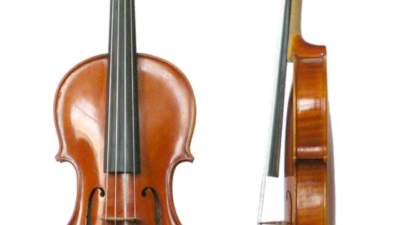
| वाद्य | dholak · tabla · clarinet · violin |
| भाव | रहस्यमय · चुलबुला · रोमांटिक |
| लोकप्रियता | Very_popular |
| बोल-स्थिति | केवल झलक |
जुड़े हुए पन्ने
Connected Plates · The Graph Made Visibleअटलस में कोई पन्ना अकेला नहीं — इस गीत से जुड़े गीत, कलाकार, फ़िल्म, राग-ताल-विधा, सब यहाँ से खुलते हैं।
मिलते-जुलते गीत · Related Songs
कलाकार · The Artists
फ़िल्म · The Film
युग · The Era
साझा कीजिए · Share this Plate
यह पन्ना आगे बढ़ाइए
शमशाद बेगम की आवाज़ बाहरी भारत की आवाज़ थी — नदियाँ, खेत, और उत्सव।
Shamshad Begum's voice was the sound of India outdoors — rivers, fields, and festivals.
— Lata Mangeshkar, in a 1990 interview
सवाल-जवाब
Questions & Answers'बूझ मेरा क्या नाम रे' किस प्रकार का गीत है? · What type of song is Boojh Mera Kya Naam Re?
यह लोक-फ़िल्मी परम्परा की पहेली-गीत है — एक नारी अपने प्रिय को संकेतों से अपना नाम बूझने के लिए कहती है, भारत की प्राचीन लोक-प्रेमालाप परम्परा से प्रेरित।
It is a paheliyan (riddle song) in the folk-filmi tradition — a woman asks her beloved to guess her name through clues, drawing on an ancient Indian folk courtship tradition.
शमशाद बेगम कौन थीं? · Who is Shamshad Begum?
शमशाद बेगम (1919-2013) हिन्दी फ़िल्म संगीत की पहली प्रमुख महिला पार्श्वगायिकाओं में से एक थीं, 1940 के दशक से सक्रिय। अपनी शक्तिशाली, उत्सवी आवाज़ के लिए जानी जाती थीं।
Shamshad Begum (1919–2013) was one of the first major female playback singers of Hindi film music, active from the 1940s. Known for her powerful, outdoor-festival quality voice, she was the dominant female voice before Lata Mangeshkar's rise to prominence.