गीत विंग · गीत-पट्टिका · Song Plate
दे दी हमें आज़ादी बिना खड्ग बिना ढाल
De Di Hame Azaadi Bina Khadag Bina Dhaal
भारतीय देशभक्ति-काव्य की सबसे अचंभित करने वाली पंक्ति — बिना खड्ग बिना ढाल, एक संत ने आज़ादी दिला दी।
भावउत्सव · प्रेरणादायक · Reverential
भाषाHindi गतिमध्यम स्वरूपसमूह गान
श्रेय
The Creditsबोल · The Lyrics
बोल — झलक · Lyrics Preview
साबरमती के संत तूने कर दिया कमाल
Sabarmati ke sant tune kar diya kamaal
कॉपीराइट के कारण केवल झलक — पूरे बोल आधिकारिक मंचों पर।
शब्दकोश
Word Meaningsसूत्र-वाक्य · The Hook
सूत्र-वाक्य
भारतीय देशभक्ति-काव्य की सबसे अचंभित करने वाली पंक्ति — बिना खड्ग बिना ढाल, एक संत ने आज़ादी दिला दी।
In EnglishThe most astonishing line in all of Indian patriotic poetry: a nation set free without a sword or shield — by a saint.
पट्टिका-लेख
The Monographपरिचय Overview
"दे दी हमें आज़ादी बिना खड्ग बिना ढाल" — जाग्रति (1954) का यह गीत हिंदी सिनेमा का सबसे टिकाऊ देशभक्ति-गीत है। कवि प्रदीप ने इसे महात्मा गांधी की अहिंसा को श्रद्धांजलि देने के लिए लिखा। संगीतकार हेमंत कुमार ने इसे ऐसी धुन दी जो भव्य भी है और सुलभ भी। सत्येन बोसु की यह फ़िल्म एक शिक्षक और उसके छात्रों की भारत-यात्रा की कहानी थी। 'साबरमती के संत तूने कर दिया कमाल' — यह पंक्ति स्वतंत्रता दिवस, विद्यालय सभाओं और गणतंत्र दिवस समारोहों में दशकों से गूँजती आ रही है। यह गीत सिनेमा और राष्ट्रीय स्मृति के बीच का वह सेतु है जिसे बहुत कम फ़िल्मी गीत बना पाए हैं।
अंग्रेज़ी में पढ़ें · Read in English
"De Di Hame Azaadi Bina Khadag Bina Dhaal" from Jagriti (1954) is one of the most enduring patriotic compositions in Hindi cinema, written and conceived by the poet-lyricist Kavi Pradeep specifically to honour Mahatma Gandhi's unique philosophy of ahimsa (non-violence). Composed by Hemant Kumar, the song was used in Satyen Bose's film about a schoolteacher taking students on a journey through India's history and landmarks. The central line — 'O saint of the Sabarmati, you performed a miracle' — became a national refrain, sung at Independence Day celebrations, school assemblies, and Republic Day events for decades. The song bridges cinema and national memory in a way few film songs have achieved, functioning simultaneously as entertainment, history lesson, and prayer.
संगीत The Music
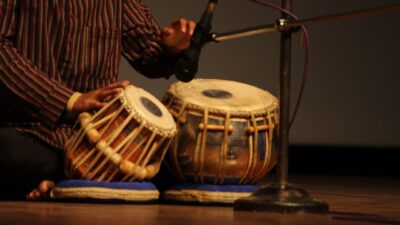
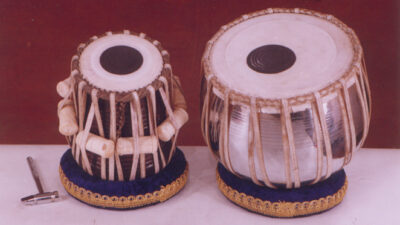
हेमंत कुमार ने इस गीत के लिए बुद्धिमानी से उस मार्चिंग-बैंड की धूम को चुना नहीं जो उस दौर के कई देशभक्ति गीतों में होती थी। इसकी बजाय उन्होंने एक मध्यम लय और लोकगीत-सी सरलता चुनी — जो बच्चे और बड़े, प्रशिक्षित और अप्रशिक्षित, सब गा सकें। धुन कवि प्रदीप की छंद-लय के साथ उठती-गिरती है, जिससे बोल याद करना आसान हो जाता है। शहनाई — शुभ अवसर का वाद्य — उत्सव की भावना बिना किसी आक्रामकता के जोड़ती है। हारमोनियम और तबले की सहज संगत ने इसे गाँव के विद्यालय से लेकर स्टेडियम समारोह तक हर जगह गाने योग्य बनाया।
अंग्रेज़ी में पढ़ें · Read in English
Hemant Kumar's composition for this song wisely avoids the marching-band bombast typical of many patriotic film songs of the era. Instead, he chose a medium tempo with a folk-like simplicity — something that could be sung by children and adults alike, without training. The melody rises and falls with the natural cadence of Kavi Pradeep's verse, making the lyrics easier to memorise and the emotion more natural. The orchestration includes shehnai — traditionally associated with auspicious occasions — to signal celebration without aggression. The harmonium and tabla provide a straightforward, accessible rhythm that has made the song singable in every kind of setting from village schools to stadium ceremonies.
काव्य The Poetry
कवि प्रदीप की प्रतिभा इस गीत में एक चतुर मोड़ में है: वे पहले तलवार और ढाल का नाम लेते हैं, फिर उन्हें नकारते हैं। 'बिना खड्ग बिना ढाल' — श्रोता पहले उस अस्त्र का बोझ महसूस करता है जो अस्वीकार किया गया। 'साबरमती के संत' गांधी के लिए एक अद्भुत परोक्ष संबोधन है — नाम नहीं लेते, फिर भी हर भारतीय समझ जाता है। 'तूने कर दिया कमाल' में एक बच्चे-सी अचरज है — आज़ादी के तथ्य पर ही विस्मय — जो इस गीत को सभी आयु और शिक्षा-स्तरों तक पहुँचाता है।
अंग्रेज़ी में पढ़ें · Read in English
Kavi Pradeep's genius in this song is the pivot between military vocabulary and its negation. 'Bina khadag bina dhaal' — without sword, without shield — works because it names the weapons precisely before rejecting them. The listener feels the weight of what was refused. 'Sabarmati ke sant' is a masterly periphrasis for Gandhi: it does not say his name (avoiding potential censorship concerns of the era and giving the line a timeless quality), yet every Indian listener knows exactly who is meant. The wonder of 'tune kar diya kamaal' (you performed a miracle) is its childlike amazement at the fact of independence itself — a quality that makes the song accessible across all age groups and education levels.
कहानी The Story
जाग्रति (1954) के निर्देशक सत्येन बोसु ने अभि भट्टाचार्य को एक शिक्षक के रूप में चुना जो बच्चों को भारत की ऐतिहासिक स्थानों का दौरा कराता है और राष्ट्रीय नायकों की कहानियाँ सुनाता है। कवि प्रदीप उस दौर के सबसे प्रसिद्ध देशभक्त-कवि थे — उन्होंने गांधी की अहिंसा को श्रद्धांजलि देते हुए यह गीत लिखा जो उस विश्वव्यापी अचरज को व्यक्त करता है कि भारत ने हथियारों के बिना आज़ादी पाई। फ़िल्म में इसे एक विद्यालय सभा के दृश्य में रखा गया और यह तुरंत दर्शकों में लोकप्रिय हो गया — आज़ादी के महज़ सात साल बाद।
अंग्रेज़ी में पढ़ें · Read in English
Jagriti (1954) was directed by Satyen Bose and starred Abhi Bhattacharya as a schoolteacher who takes a group of students on an educational journey across India, visiting historical landmarks and inspiring them with stories of national heroes. Kavi Pradeep, who had already written the legendary 'Ae Mere Watan Ke Logon' style of emotional patriotic poetry (though that specific song came later), was the ideal lyricist for such a film. He composed the lyrics in the spirit of Gandhi's ahimsa, capturing the worldwide wonder at the fact that India's independence was won primarily through moral force rather than military might. The film used this song in a school gathering sequence, and it was an immediate success with audiences who were still only seven years from independence.
विरासत The Legacy
सत्तर साल बाद भी 'दे दी हमें आज़ादी' स्वतंत्रता दिवस, गणतंत्र दिवस और विद्यालय सभाओं में गाया जाता है — ऐसे बच्चों द्वारा भी जो इसके सभी ऐतिहासिक संदर्भ नहीं समझते। यह उन कुछ फ़िल्मी गीतों में से एक है जो वास्तव में राष्ट्रीय सांस्कृतिक विरासत का हिस्सा बन गए हैं — जैसे लोकगीत, जो किसी के भी हों। कवि प्रदीप की 'सिनेमा के राष्ट्रीय कवि' की छवि इस गीत और 'ए मेरे वतन के लोगों' पर बहुत हद तक टिकी है।
अंग्रेज़ी में पढ़ें · Read in English
Seventy years after its release, 'De Di Hame Azaadi' continues to be sung at Indian Independence Day and Republic Day events, in school assemblies, and by children who learn it before they understand all its historical references. It is one of the few film songs to have become genuinely part of the national cultural repertoire, functioning like a folk song that belongs to everyone. Kavi Pradeep's reputation as the 'national poet of the cinema' rests significantly on this song and 'Ae Mere Watan Ke Logon.' The song's message — that moral force exceeds military power — has proven timely in every generation since 1954.
वर्गीकरण
Classification- Tempo
- Medium
Genre
अन्य विवरण
More Details- Wikipedia: Jagriti (1954 film) — https://en.wikipedia.org/wiki/Jagriti_(1954_film)
- Wikipedia: Kavi Pradeep — https://en.wikipedia.org/wiki/Kavi_Pradeep
- Wikipedia: Hemant Kumar — https://en.wikipedia.org/wiki/Hemant_Kumar
- National Film Awards archive — Directorate of Film Festivals, India
- Hindi Film Geet Kosh, Vol. 3 (1951-1960), Harmandir Singh 'Hamraaz'
References
रोचक तथ्य
Margin Notesकवि प्रदीप ने 'दे दी हमें आज़ादी' (1954) और 'ऐ मेरे वतन के लोगों' (1963) दोनों लिखे, जिससे वे सिनेमा में स्वतंत्रता के बाद की देशभक्ति काव्य-परंपरा की परिभाषित आवाज़ बन गए।
अंग्रेज़ी में पढ़ें · Read in English
Kavi Pradeep wrote both 'De Di Hame Azaadi' (1954) and 'Ae Mere Watan Ke Logon' (1963), making him the defining voice of post-independence patriotic Hindi poetry in cinema.
कहा जाता है कि यह गीत कई भारतीय राज्यों के स्कूली पाठ्यक्रम में इतिहास के पाठ के रूप में इस्तेमाल हुआ — यह ऐसी शैक्षणिक मान्यता पाने वाले चंद फ़िल्मी गीतों में से एक है।
अंग्रेज़ी में पढ़ें · Read in English
The song was reportedly used in school curricula in several Indian states as a history lesson — one of the few film songs to receive such educational recognition.
गीत में गांधी का नाम कभी सीधे नहीं लिया गया — 'साबरमती के संत' का लक्षणात्मक प्रयोग काव्यात्मक रूप से सुंदर भी था और व्यावहारिक रूप से सावधानी भरा भी।
अंग्रेज़ी में पढ़ें · Read in English
Gandhi's name is never directly spoken in the song — the periphrasis 'Sabarmati ke sant' (Saint of the Sabarmati) was both poetically elegant and practically cautious.
जागृति (1954) उन शुरुआती बॉलीवुड फ़िल्मों में से एक थी जिन्हें राष्ट्रीय फ़िल्म पुरस्कार मिला, जिसका एक कारण इसका शैक्षणिक और देशभक्तिपूर्ण मूल्य भी था।
अंग्रेज़ी में पढ़ें · Read in English
Jagriti (1954) was one of the early Bollywood films to receive a National Film Award, in part due to its educational and patriotic value.
'बिना खड्ग बिना ढाल' वाक्यांश सामान्य हिंदी बोलचाल में शांतिपूर्ण प्रतिरोध और नैतिक साहस के संक्षिप्त प्रतीक के रूप में शामिल हो गया है।
अंग्रेज़ी में पढ़ें · Read in English
The phrase 'bina khadag bina dhaal' has entered common Hindi speech as a shorthand for peaceful resistance and moral courage.
पुरस्कार
The Honoursनमूना-पट्टी
The Specimen Table| शीर्षक | दे दी हमें आज़ादी बिना खड्ग बिना ढाल · De Di Hame Azaadi Bina Khadag Bina Dhaal |
|---|---|
| वर्ष · युग | 1954 — Golden Era |
| गायक | Lata Mangeshkar, Mohammed Rafi |
| गीतकार | Kavi Pradeep |
| संगीतकार | Hemant Kumar |
| स्वरूप | समूह गान |
| गति | मध्यम |
| अवधि | 4:05 |
| भाषा | Hindi |
| वाद्य | harmonium · tabla · shehnai · instrument-flute · violin |
| भाव | उत्सव · प्रेरणादायक · Reverential |
| लोकप्रियता | Legendary |
| बोल-स्थिति | केवल झलक |
जुड़े हुए पन्ने
Connected Plates · The Graph Made Visibleअटलस में कोई पन्ना अकेला नहीं — इस गीत से जुड़े गीत, कलाकार, फ़िल्म, राग-ताल-विधा, सब यहाँ से खुलते हैं।
मिलते-जुलते गीत · Related Songs
कलाकार · The Artists
युग · The Era
साझा कीजिए · Share this Plate
यह पन्ना आगे बढ़ाइए
साबरमती के संत तूने कर दिया कमाल — दे दी हमें आज़ादी बिना खड्ग बिना ढाल।
O saint of the Sabarmati, you performed a miracle — you gave us freedom without sword or shield.
— Kavi Pradeep, Jagriti (1954)
सवाल-जवाब
Questions & Answers'दे दी हमें आज़ादी बिना खड्ग बिना ढाल' किस फ़िल्म का गीत है? · Which film is 'De Di Hame Azaadi Bina Khadag Bina Dhaal' from?
यह गीत जाग्रति (1954) से है — सत्येन बोसु की एक देशभक्ति फ़िल्म, जिसमें एक शिक्षक अपने छात्रों को भारत के इतिहास और महत्वपूर्ण स्थानों से परिचित कराता है।
It is from Jagriti (1954), a patriotic Hindi film directed by Satyen Bose about a teacher inspiring students through India's history and landmarks.
'दे दी हमें आज़ादी' किसने लिखा? · Who wrote 'De Di Hame Azaadi'?
बोल कवि प्रदीप ने लिखे — हिंदी सिनेमा के देशभक्ति-काव्य की आवाज़, जिन्होंने 'ए मेरे वतन के लोगों' (1963) भी लिखा।
The lyrics were written by Kavi Pradeep, the poet-lyricist who became the voice of patriotic Hindi cinema, also famous for 'Ae Mere Watan Ke Logon' (1963).
'साबरमती के संत' किन्हें कहा गया है? · Who is 'Sabarmati ke sant' referring to?
'साबरमती के संत' महात्मा गांधी के लिए कहा गया है, जिनका आश्रम अहमदाबाद में साबरमती नदी के किनारे था। गीत उनकी अहिंसा से प्राप्त आज़ादी की स्तुति करता है।
'Sabarmati ke sant' refers to Mahatma Gandhi, whose ashram was on the banks of the Sabarmati river in Ahmedabad. The song praises his achievement of winning Indian independence through non-violence.
क्या जाग्रति को राष्ट्रीय पुरस्कार मिला था? · Did Jagriti win any national award?
हाँ, जाग्रति (1954) को दूसरे राष्ट्रीय फ़िल्म पुरस्कार में राष्ट्रपति के स्वर्ण पदक (सर्वश्रेष्ठ फ़िल्म) से नवाज़ा गया था।
Yes, Jagriti (1954) won the President's Gold Medal (equivalent to the National Film Award for Best Film) at the 2nd National Film Awards, recognising its educational and patriotic value.