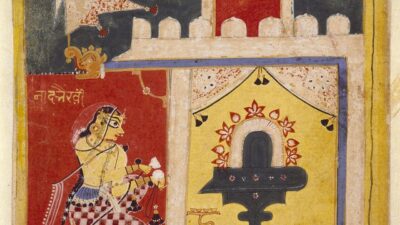
गीत विंग · गीत-पट्टिका · Song Plate
बचपन की मोहब्बत को दिल से न जुदा करना
Bachpan Ki Mohabbat Ko Dil Se Na Juda Karna
लता की आवाज़ में बचपन की उन तमाम क़समों का बोझ है जिन्हें ज़िंदगी भुला देना चाहती थी।
भावमीठा-कड़वा · उदास · पुरानी यादें · रोमांटिक
भाषाUrdu · Hindi गतिधीमी स्वरूपएकल महिला
श्रेय
The Creditsबोल · The Lyrics
बोल — झलक · Lyrics Preview
वो यादें जो जुड़ी हैं मेरी उम्र की कहानी से
Wo yaadein jo judi hain meri umr ki kahaani se
कॉपीराइट के कारण केवल झलक — पूरे बोल आधिकारिक मंचों पर।
शब्दकोश
Word Meaningsसूत्र-वाक्य · The Hook
सूत्र-वाक्य
लता की आवाज़ में बचपन की उन तमाम क़समों का बोझ है जिन्हें ज़िंदगी भुला देना चाहती थी।
In EnglishLata's voice carries the weight of every childhood promise that life tried to make us forget.
पट्टिका-लेख
The Monographपरिचय Overview
लता मंगेशकर ने विजय भट्ट की फ़िल्म बैजू बावरा (1952) में अभिनेत्री मीना कुमारी के लिए 'बचपन की मोहब्बत को दिल से न जुदा करना' गाया। शकील बदायूँनी के उर्दू-सुगंधित बोलों और नौशाद की रचना (जो संभवतः राग भैरवी पर आधारित है) के साथ यह गीत एक महिला के उस डर को स्वर देता है कि उसका बचपन का प्रेम जीवन की भागदौड़ में खो न जाए। लता जी का गायन — संयत, खोजती हुई और अपनी संयमशीलता में हृदयविदारक — उनके शुरुआती करियर की सर्वश्रेष्ठ प्रस्तुतियों में से एक मानी जाती है।
अंग्रेज़ी में पढ़ें · Read in English
Sung by Lata Mangeshkar for actress Meena Kumari in Vijay Bhatt's Baiju Bawra (1952), 'Bachpan Ki Mohabbat Ko Dil Se Na Juda Karna' is one of the most emotionally tender songs in Naushad's legendary score. With Shakeel Badayuni's Urdu-inflected lyrics and Naushad's composition — believed to draw on Raag Bhairavi — the song gives voice to a woman's fear that her childhood love will be forgotten as life's demands pull two people apart. Lata Mangeshkar's rendering is among her most celebrated performances: controlled, searching, and heartbreaking in its restraint. Recorded on HMV in Bombay, the song became a signature piece for Lata in her early career peak.
संगीत The Music
नौशाद की रचना राग भैरवी से प्रेरित जान पड़ती है — हिंदुस्तानी संगीत में विदाई का राग, जिसे परंपरागत रूप से संगीत सभा के अंत में मीठी उदासी के भाव से गाया जाता है। इसके प्राकृतिक कोमल स्वर एक स्वाभाविक उदासीन वातावरण बनाते हैं। 1950 के दशक की शुरुआत में अपने शीर्ष पर पहुँची लता मंगेशकर की आवाज़ 'नियंत्रित टूटन' की उस गुणवत्ता के साथ धुन को पार करती है जिसे संगीत-आलोचकों ने बार-बार रेखांकित किया है।
अंग्रेज़ी में पढ़ें · Read in English
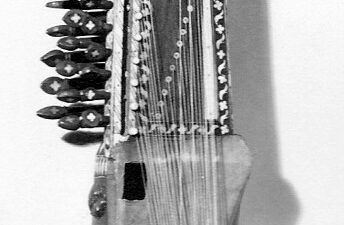
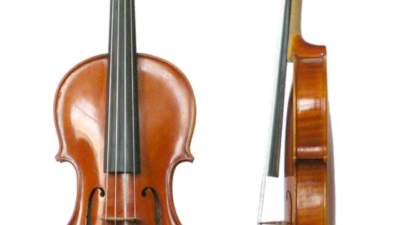
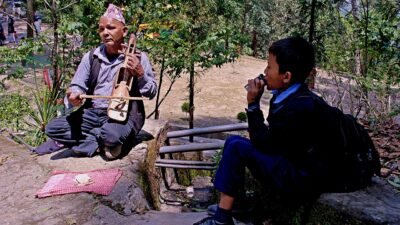
Naushad's composition appears to draw from Raag Bhairavi, the farewell raag of Hindustani music — customarily played at the close of concerts as a gesture of bittersweet parting. Its natural minor tonality and the flatting of most scale degrees creates an inherent atmosphere of wistful sadness. Lata Mangeshkar's voice, already in its peak years of the early 1950s, moves through the melody with a quality that music critics have described as 'controlled heartbreak': she does not wail or dramatise, but the emotional weight is immense. The violin ensemble provides a cushion of sympathetic harmony, and the sarangi's delicate responses between phrases add a vocal-like texture that amplifies the song's conversational intimacy.
काव्य The Poetry
शकील बदायूँनी की इस गीत की शायरी मोहब्बत के बारे में उर्दू कविता के उस अंतरंग दायरे में काम करती है जहाँ प्रेम एक आध्यात्मिक लगाव है, केवल रोमांस नहीं। मुख्य शब्द 'जुदा' (अलग) है — जुदाई (बिछड़न) से संबंधित, जो उर्दू ग़ज़ल का सबसे पुराना दर्द है। 'दिल से न जुदा करना' की विनती न केवल प्रेमी को, बल्कि श्रोता की अपनी स्मृति को भी संबोधित है।
अंग्रेज़ी में पढ़ें · Read in English
Shakeel Badayuni's lyric here operates in the intimate register of Urdu poetry about mohabbat (love as a metaphysical attachment) rather than mere romance. The key word is 'juda' (separated, estranged) — cognate with 'judaai' (separation), which is the dominant theme of Urdu poetry since the ghazal's origins. The plea 'dil se na juda karna' (do not separate from the heart) addresses not just a lover but the listener's own memory: do not let what was formed in innocence be destroyed by experience. It is a lyric about the fragility of early love in the face of time.
कहानी The Story
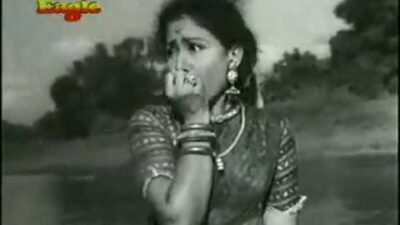
मीना कुमारी, जिन्होंने बैजू बावरा में गौरी की भूमिका निभाई, हिंदी सिनेमा की सबसे प्रतिष्ठित दुखद नायिकाओं में से एक बनीं। यह गीत उस दृश्य में है जहाँ गौरी बैजू से विनती करती है कि बचपन में बनी उनकी डोर को महत्त्वाकांक्षा, दर्द या परिस्थिति न तोड़े। नौशाद और शकील ने मिलकर जो उन्होंने 'सौम्य त्रासदी' कहा — बिना नाटकीयता के दुख — उसे सुनिश्चित किया। लता मंगेशकर को इसलिए चुना गया क्योंकि उनकी आवाज़ में बचपन की भावनात्मक स्मृति की एक ऐसी गुणवत्ता थी जो उस दौर के किसी अन्य गायक में नहीं थी।
अंग्रेज़ी में पढ़ें · Read in English
Meena Kumari, who played the role of Gauri in Baiju Bawra, became one of Hindi cinema's most iconic tragic heroines. This song was sung in a scene where Gauri pleads with Baiju not to let their bond, formed in childhood, be severed by ambition, grief, or circumstance. Director Vijay Bhatt wanted a song that could express a woman's emotional intelligence: she is not demanding or angry, but pleading from a position of love. Naushad and Shakeel reportedly worked together closely to ensure the lyric matched what they called a 'gentle tragedy' — sorrow without melodrama. Lata Mangeshkar was chosen because her voice had a quality of youthful emotional memory that no other singer of the period could achieve.
विरासत The Legacy
यह गीत लता मंगेशकर के संगीत-व्यक्तित्व की परिभाषित कृति बन गई। बाद के कलाकार और आलोचक इसे बार-बार इस बात के उदाहरण के रूप में उद्धृत करते हैं कि लता जी असाधारण संयम के ज़रिए भावनात्मक गहराई कैसे व्यक्त करती थीं।
अंग्रेज़ी में पढ़ें · Read in English
This song became a defining piece in the Lata Mangeshkar canon. It is regularly cited by later artists and critics as an example of Lata's ability to render emotional depth through extraordinary restraint rather than expressiveness. The song's message, not to let childhood love be separated from the heart, transcended its film context and became a cultural touchstone for articulating the fear of losing one's first love to time. It appears on virtually every compilation of Lata Mangeshkar's classical and semi-classical songs.
वर्गीकरण
Classification- Tempo
- Slow
Genre
अन्य विवरण
More Details- Hindi Film Geet Kosh (Har Mandir Singh Hamraaz), Vol. 3
- Wikipedia: Baiju Bawra (film) https://en.wikipedia.org/wiki/Baiju_Bawra_(film)
- Wikipedia: Lata Mangeshkar https://en.wikipedia.org/wiki/Lata_Mangeshkar
- Wikipedia: Meena Kumari https://en.wikipedia.org/wiki/Meena_Kumari
References
रोचक तथ्य
Margin Notesजिस अभिनेत्री मीना कुमारी के लिए लता ने यह गीत गाया, वे आगे चलकर हिंदी सिनेमा की सबसे महान त्रासद नायिकाओं में से एक बनीं, जो अपनी भावनात्मक गहराई के लिए जानी गईं।
अंग्रेज़ी में पढ़ें · Read in English
Meena Kumari, the actress for whom Lata sang this, would later become one of Hindi cinema's greatest tragic heroines, known for her own emotional depth.
यदि यह गीत वास्तव में राग भैरवी पर आधारित है, तो पारंपरिक रूप से भैरवी किसी हिंदुस्तानी संगीत समारोह की अंतिम प्रस्तुति होती है, जो मीठी-कड़वी विदाई का प्रतीक है — और यह उस गीत के लिए बिल्कुल उपयुक्त है जो प्रेम को समाप्त न होने देने की बात करता है।
अंग्रेज़ी में पढ़ें · Read in English
Raag Bhairavi, if indeed the basis for this song, is traditionally the last composition performed in a Hindustani music concert, symbolising bittersweet farewell — perfectly apt for a song about not letting love end.
आरंभिक पंक्ति 'बचपन की मोहब्बत' इस फ़िल्म के बाद उर्दू-हिंदी लोकप्रिय संस्कृति में व्यापक रूप से पहचाना जाने वाला काव्यात्मक मुहावरा बन गई।
अंग्रेज़ी में पढ़ें · Read in English
The opening phrase 'bachpan ki mohabbat' (childhood love) became a widely recognised poetic idiom in Urdu-Hindi popular culture after this film.
नौशाद की 1952 की रचनाओं में अकेले बैजू बावरा के लिए ऐसे कई गीत शामिल थे जिन्हें हिंदी फ़िल्म संगीत के स्वर्ण युग के सर्वश्रेष्ठ गीतों में गिना जाता है।
अंग्रेज़ी में पढ़ें · Read in English
Naushad's 1952 output for Baiju Bawra alone contained multiple songs considered among the greatest of Hindi film music's golden era.
नमूना-पट्टी
The Specimen Table| शीर्षक | बचपन की मोहब्बत को दिल से न जुदा करना · Bachpan Ki Mohabbat Ko Dil Se Na Juda Karna |
|---|---|
| वर्ष · युग | 1952 — Golden Era |
| गायक | Lata Mangeshkar |
| गीतकार | Shakeel Badayuni |
| संगीतकार | Naushad |
| स्वरूप | एकल महिला |
| गति | धीमी |
| अवधि | 4:40 |
| भाषा | Urdu · Hindi |
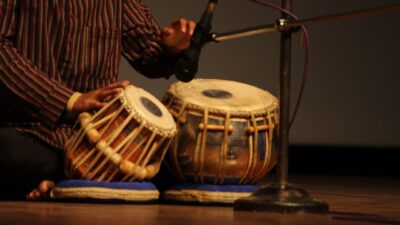
| वाद्य | tabla · sarangi · violin · harmonium |
| भाव | मीठा-कड़वा · उदास · पुरानी यादें · रोमांटिक |
| लोकप्रियता | Legendary |
| बोल-स्थिति | केवल झलक |
जुड़े हुए पन्ने
Connected Plates · The Graph Made Visibleअटलस में कोई पन्ना अकेला नहीं — इस गीत से जुड़े गीत, कलाकार, फ़िल्म, राग-ताल-विधा, सब यहाँ से खुलते हैं।
मिलते-जुलते गीत · Related Songs
कलाकार · The Artists
युग · The Era
साझा कीजिए · Share this Plate
यह पन्ना आगे बढ़ाइए
लता उदासी नहीं गातीं। वे उसे साँस लेती हैं, इतनी चुपचाप कि आप अपने दिल का टूटना सुन लेते हैं।
Lata does not sing sadness. She breathes it, so quietly that you hear your own heart break.
— Music critic (composite attribution)
सवाल-जवाब
Questions & Answersबैजू बावरा में बचपन की मोहब्बत को किसने गाया? · Who sang Bachpan Ki Mohabbat Ko in Baiju Bawra?
लता मंगेशकर ने अभिनेत्री मीना कुमारी (गौरी की भूमिका में) के लिए पार्श्वगायन किया। संगीत नौशाद का और बोल शकील बदायूँनी के थे।
Lata Mangeshkar sang it as playback for actress Meena Kumari (who played Gauri). Music was by Naushad and lyrics by Shakeel Badayuni.
बचपन की मोहब्बत को दिल से न जुदा करना का क्या अर्थ है? · What does Bachpan Ki Mohabbat Ko Dil Se Na Juda Karna mean?
इसका अर्थ है: 'बचपन की मोहब्बत को अपने दिल से अलग मत करो।' यह समय और परिस्थितियों के बावजूद शुरुआती प्रेम की सच्चाई को बनाए रखने की एक विनती है।
It means: 'Do not separate the love of childhood from your heart.' It is a plea to preserve the innocence and sincerity of early love against the erosion of time and circumstance.