गीत विंग · गीत-पट्टिका · Song Plate
तू गंगा की मौज मैं जमुना का धारा
Tu Ganga Ki Mauj Main Jamna Ka Dhara
दो नदियाँ, दो आवाज़ें, एक गीत जो महसूस करा दे कि किसी दूसरे की ज़रूरत क्या होती है।
भावमीठा-कड़वा · शांत · रोमांटिक · आध्यात्मिक
भाषाHindi · Urdu गतिधीमी स्वरूपयुगल
श्रेय
The Creditsबोल · The Lyrics
बोल — झलक · Lyrics Preview
तू दिन की भोर मैं चाँद का सितारा
Tu din ki bhor main chaand ka sitaara
कॉपीराइट के कारण केवल झलक — पूरे बोल आधिकारिक मंचों पर।
शब्दकोश
Word Meaningsसूत्र-वाक्य · The Hook
सूत्र-वाक्य
दो नदियाँ, दो आवाज़ें, एक गीत जो महसूस करा दे कि किसी दूसरे की ज़रूरत क्या होती है।
In EnglishTwo rivers, two voices, one song that makes you feel what it is to be completed by another person.
पट्टिका-लेख
The Monographपरिचय Overview
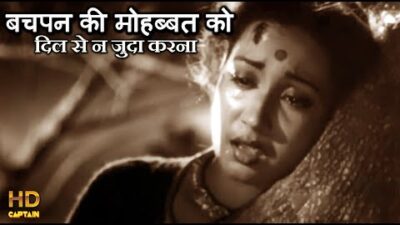
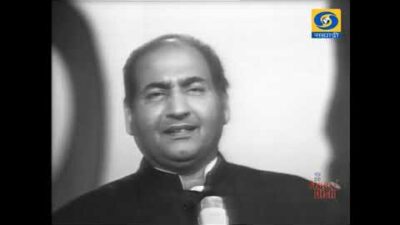
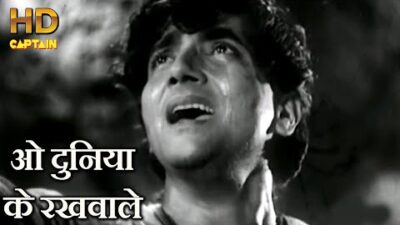
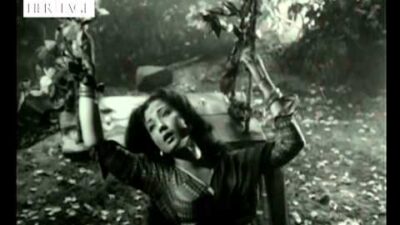
बैजू बावरा (1952) में नौशाद के रोमांटिक युगल गीत 'तू गंगा की मौज मैं जमुना का धारा' में मोहम्मद रफ़ी और लता मंगेशकर एक असाधारण शास्त्रीय रचना में जुड़ते हैं। HMV रिकॉर्ड्स के लिए बनाए गए इस गीत में शकील बदायूँनी ने गंगा और यमुना की धाराओं को दो पूरक आत्माओं का रूपक बनाया, जिनका मिलन उतना ही स्वाभाविक और पवित्र है जितना प्रयाग में नदियों का संगम। नौशाद ने रफ़ी और लता की भिन्न आवाज़ों को जैसे दो वाद्ययंत्रों की तरह इस्तेमाल किया, उनका तालमेल एक शास्त्रीय जुगलबंदी जैसा सटीक है।
अंग्रेज़ी में पढ़ें · Read in English
The romantic duet 'Tu Ganga Ki Mauj Main Jamuna Ka Dhara' from Naushad's landmark 1952 score for Baiju Bawra pairs Mohammed Rafi and Lata Mangeshkar in a classical composition of breathtaking elegance. Set most likely in Raag Yaman with Teentaal accompaniment and composed for HMV Records, the song uses the rivers Ganga and Yamuna as a metaphor for two complementary souls whose union is as natural and sacred as the rivers meeting at Prayag. Shakeel Badayuni's imagery draws simultaneously from Sanskrit nature poetry and the Urdu romantic tradition. The duet format allowed Naushad to deploy Rafi and Lata's contrasting vocal colours as musical instruments in themselves, their interplay as carefully constructed as a classical jugalbandi.
संगीत The Music
इस युगल गीत की नौशाद की संगीत-संरचना संयम और संतुलन का पाठ है। राग यमन (अपने विशिष्ट तीव्र मध्यम के साथ) पर आधारित यह गीत एक शांत रोमांटिक उदासी का वातावरण बनाता है। दोनों आवाज़ें स्वतंत्र रूप से प्रवेश करती हैं और फिर परस्पर बुनी जाती हैं, ठीक वैसे जैसे गीत की नदियाँ अपनी धाराएँ मिलाती हैं। सारंगी दोनों गायकों के बीच सुरीला संवाद करती है। शास्त्रीय नींव के बावजूद यह गीत कभी शुष्क नहीं लगता — धुन तुरंत गुनगुनाने योग्य है।
अंग्रेज़ी में पढ़ें · Read in English
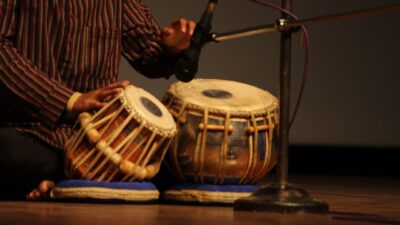
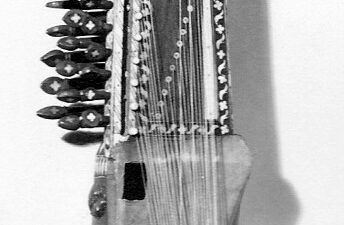
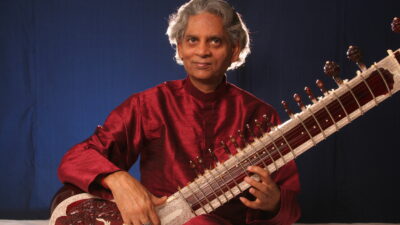
Naushad's arrangement for this duet is a study in restraint and balance. The song, rooted in the evening grandeur of Raag Yaman (with its characteristic sharp fourth, tivra Madhyam), creates a mood of peaceful romantic longing. Both voices enter independently and then interweave, much as the rivers of the lyric join their currents. The sarangi carries the melodic dialogue between Rafi and Lata's phrases, while the tabla maintains a gentle Teentaal. A sitar (or possibly been/veena) adds a shimmer of classical colour in the interludes. What is remarkable is that despite the song's classical foundation, it never becomes academic or cold: the melody is immediately hummable and the emotional warmth is palpable throughout.
काव्य The Poetry
शकील बदायूँनी का केंद्रीय रूपक शांत मगर प्रतिभाशाली है: गंगा और यमुना केवल नदियाँ नहीं बल्कि हिंदू पुराण में दो अलग व्यक्तित्व हैं (गंगा आकाशीय, यमुना सांसारिक), जिनका प्रयाग में मिलन पवित्र माना जाता है। दो प्रेमियों को इन नदियों के रूप में प्रस्तुत कर शायर ने प्रेम के मिलन को एक पवित्र संगम का दर्जा दे दिया है। 'तू X, मैं Y' की समानांतर पंक्तियाँ एक लयबद्ध संरचना बनाती हैं जो युगल गीत के स्वरूप को पूरी तरह प्रतिबिंबित करती है।
अंग्रेज़ी में पढ़ें · Read in English
Shakeel Badayuni's central metaphor is quietly brilliant: Ganga and Yamuna are not merely rivers but are, in Hindu mythology, two distinct personalities (Ganga the heavenly, Yamuna the earthly) whose meeting at Prayag is sacred. By casting the lovers as these rivers, the lyric elevates romantic union to the status of a sacred confluence. The parallel lines (tu X, main Y: you are this, I am that) create a gentle antiphonal structure that perfectly mirrors the duet format. The imagery of dawn (bhor), stars (sitaara), and light weaves through the verses, suggesting that this love is as vast and elemental as nature itself.
कहानी The Story
बैजू बावरा में मोहम्मद रफ़ी और लता मंगेशकर की जोड़ी हिंदी फ़िल्म संगीत की सबसे प्रसिद्ध और विपुल युगल जोड़ियों में से एक की शुरुआत थी। नौशाद ने इस गीत को विशेष रूप से यह दिखाने के लिए बनाया कि दोनों आवाज़ें पूरक सुर-रेखाओं के रूप में काम कर सकती हैं। यमुना-गंगा का रूपक — जो हिंदू संस्कृति में पवित्र है — नौशाद और शकील की एक चर्चा से निकला, जिसमें वे ऐसा रोमांटिक गीत बनाना चाहते थे जो फ़िल्म के शास्त्रीय-भक्ति माहौल में भी फ़िट बैठे।
अंग्रेज़ी में पढ़ें · Read in English
The pairing of Mohammed Rafi and Lata Mangeshkar in Baiju Bawra marked the beginning of one of Hindi film music's most celebrated and prolific duet partnerships. Naushad, who was already working closely with both artists on multiple films, designed this song specifically to showcase how their voices could act as complementary melodic lines rather than as alternating soloists. The idea of using two rivers as the central metaphor reportedly came from a discussion between Naushad and Shakeel Badayuni about how to make a romantic song that could also fit the classical-devotional atmosphere of the film. The Ganga-Yamuna imagery, sacred in Hindu culture, gave the romantic lyric a dignity that matched Naushad's overall vision for the film's music.
विरासत The Legacy
यह युगल गीत इस बात का प्रतिमान बन गया कि एक शास्त्रीय भारतीय रोमांटिक गीत कैसा हो सकता है: सुरीला, साहित्यिक और भावनात्मक रूप से उष्ण। इसके केंद्रीय रूपक — दो नदियाँ, दो आत्माएँ — को निबंधों, भाषणों और विवाह समारोहों में उद्धृत किया जाता रहा है।
अंग्रेज़ी में पढ़ें · Read in English
This duet has become a template for what a classical Indian romantic duet can be: melodically rich, lyrically elevated, and emotionally warm without being sentimental. It is frequently cited by music scholars as an example of how mythology and romance can be fused in the lyric of a popular song. The song has been covered by numerous classical and semi-classical artists. Its central metaphor, two rivers as two souls, has been quoted in essays, speeches, and wedding ceremonies as an image of perfect complementary union.
वर्गीकरण
Classification- Tempo
- Slow
Genre
अन्य विवरण
More Details- Hindi Film Geet Kosh (Har Mandir Singh Hamraaz), Vol. 3
- Wikipedia: Baiju Bawra (film) https://en.wikipedia.org/wiki/Baiju_Bawra_(film)
- Wikipedia: Naushad https://en.wikipedia.org/wiki/Naushad
- Wikipedia: Shakeel Badayuni https://en.wikipedia.org/wiki/Shakeel_Badayuni
References
रोचक तथ्य
Margin Notesप्रयाग (प्रयागराज) में गंगा और यमुना का संगम हिंदू धर्म के सबसे पवित्र स्थलों में से एक माना जाता है; इसे प्रेम-मिलन के रूपक के रूप में प्रयोग करने से इस गीत को असाधारण धार्मिक गूँज मिली।
अंग्रेज़ी में पढ़ें · Read in English
The Ganga and Yamuna confluence at Prayag (Prayagraj) is considered one of the most sacred spots in Hinduism; using it as a metaphor for romantic union gave the song unusual religious resonance.
इसे रफ़ी और लता की जोड़ी वाले पहले प्रमुख शास्त्रीय-रोमांटिक युगल गीतों में से एक माना जाता है, जिसने उनके भविष्य के अनेक सहयोगों के लिए मापदंड स्थापित किया।
अंग्रेज़ी में पढ़ें · Read in English
This is considered one of the first major classical-romantic duets to pair Rafi and Lata, setting the template for their many future collaborations.
शाम के फ़िल्मी दृश्य के लिए नौशाद का राग यमन चुनना सुविचारित था: यमन सूर्यास्त/रात्रि के आरंभ का राग है, जो आनंद और रोमांटिक विरह-भावना से जुड़ा है।
अंग्रेज़ी में पढ़ें · Read in English
Naushad's choice of Raag Yaman for an evening film scene was deliberate: Yaman is a sunset/early-night raag associated with joy and romantic longing.
गीत की समानांतर काव्य-संरचना ('तू X, मैं Y') एक ऐसा साँचा बन गई जिसकी ओर बॉलीवुड के गीतकार रोमांटिक युगल गीतों में बार-बार लौटते रहे।
अंग्रेज़ी में पढ़ें · Read in English
The song's parallel lyrical structure (tu X, main Y) became a template that Bollywood lyricists would return to repeatedly in romantic duets.
नमूना-पट्टी
The Specimen Table| शीर्षक | तू गंगा की मौज मैं जमुना का धारा · Tu Ganga Ki Mauj Main Jamna Ka Dhara |
|---|---|
| वर्ष · युग | 1952 — Golden Era |
| गायक | Mohammed Rafi, Lata Mangeshkar |
| गीतकार | Shakeel Badayuni |
| संगीतकार | Naushad |
| स्वरूप | युगल |
| गति | धीमी |
| अवधि | 4:50 |
| भाषा | Hindi · Urdu |
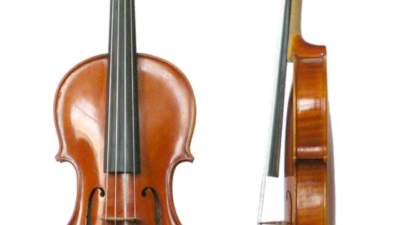
| वाद्य | tabla · sarangi · violin · sitar |
| भाव | मीठा-कड़वा · शांत · रोमांटिक · आध्यात्मिक |
| लोकप्रियता | Legendary |
| बोल-स्थिति | केवल झलक |
जुड़े हुए पन्ने
Connected Plates · The Graph Made Visibleअटलस में कोई पन्ना अकेला नहीं — इस गीत से जुड़े गीत, कलाकार, फ़िल्म, राग-ताल-विधा, सब यहाँ से खुलते हैं।
मिलते-जुलते गीत · Related Songs
कलाकार · The Artists
युग · The Era
साझा कीजिए · Share this Plate
यह पन्ना आगे बढ़ाइए
उनकी आवाज़ें दो नदियों की तरह मिलती हैं: एकदम अपनी, जब तक वह क्षण न आए जब वे एक हो जाती हैं।
Their voices meet like two rivers: distinctly themselves until the very moment they become one.
— Music critic (paraphrase, widely attributed in reviews of Rafi-Lata duets)
सवाल-जवाब
Questions & Answersतू गंगा की मौज मैं जमुना का धारा का क्या अर्थ है? · What is the meaning of Tu Ganga Ki Mauj Main Jamuna Ka Dhara?
शीर्षक का अर्थ है: 'तू गंगा की लहर है, मैं यमुना की धारा हूँ।' यह दो पूरक आत्माओं का रूपक है — जैसे पवित्र नदियाँ गंगा और यमुना प्रयाग में संगम से पहले अलग-अलग बहती हैं।
The title translates as: 'You are the wave of the Ganga, I am the current of the Yamuna.' It is a metaphor for two complementary souls, just as the holy rivers Ganga and Yamuna flow distinctly until their sacred confluence at Prayag.
तू गंगा की मौज किसने गाया? · Who sang Tu Ganga Ki Mauj?
यह मोहम्मद रफ़ी और लता मंगेशकर का युगल गीत है, जिसे नौशाद ने संगीतबद्ध किया और शकील बदायूँनी ने लिखा — फ़िल्म बैजू बावरा (1952) से।
It is a duet sung by Mohammed Rafi and Lata Mangeshkar, composed by Naushad, with lyrics by Shakeel Badayuni, from the 1952 film Baiju Bawra.