वतन की राह में वतन के नौजवान शहीद हो
Watan Ki Raah Mein Watan Ke Naujawaan Shaheed Ho
गीत विंग · गीत-पट्टिका · Song Plate
Bachpan Ki Yaad Dheere Dheere Pyar Ban Gayi
क्रांति और शहादत की फ़िल्म में भी जगह थी सबसे धीमे प्यार के लिए — वह प्यार जो बचपन से चुपके-चुपके उगता है।
भावपुरानी यादें · रोमांटिक
भाषाUrdu · Hindi गतिMedium-Slow स्वरूपएकल महिला
बोल · The Lyrics
कॉपीराइट के कारण केवल झलक — पूरे बोल आधिकारिक मंचों पर।
सूत्र-वाक्य · The Hook
क्रांति और शहादत की फ़िल्म में भी जगह थी सबसे धीमे प्यार के लिए — वह प्यार जो बचपन से चुपके-चुपके उगता है।
In EnglishIn a film about revolution and martyrdom, there was still room for the slowest kind of love — the kind that grows quietly from childhood.
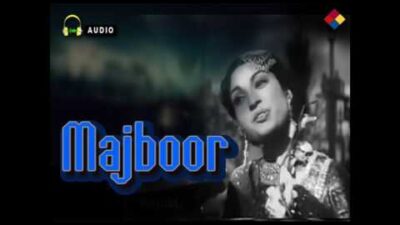
'शहीद' (१९४८) — फ़िल्मिस्तान का 'भारत छोड़ो आंदोलन' पर आधारित देशभक्ति नाटक — के बारे में एक उल्लेखनीय बात यह है कि इसने अपने क्रांतिकारी कथानक के भीतर व्यक्तिगत प्रेम के गीतों के लिए जगह निकाली। 'बचपन की याद धीरे-धीरे प्यार बन गई' ललिता देउलकर ने गाया — १९४० के दशक के अंत की स्थापित पार्श्व गायिका — ग़ुलाम हैदर के संगीत और क़मर जलालाबादी के बोलों के साथ। बचपन की दोस्ती से प्यार बनने का विषय हिंदी फ़िल्म संगीत में सबसे पुराना है, लेकिन क़मर की सौम्य उर्दू और हैदर की सीधी धुन इसे एक निष्कपट गर्माहट देते हैं।
One of the remarkable things about Shaheed (1948) — Filmistan's patriotic drama about the Quit India Movement — is that it found space within its revolutionary narrative for songs of private, personal love. 'Bachpan Ki Yaad Dheere Dheere Pyar Ban Gayi' was sung by Lalita Deulkar, one of the established playback voices of the late 1940s, with music by Ghulam Haider and lyrics by Qamar Jalalabadi. The song's theme — a childhood friendship that has grown into love — is one of the oldest in Hindi film music, but the combination of Qamar's gently nostalgic Urdu and Haider's direct melodic approach gives it an unpretentious warmth.
शहीद में ग़ुलाम हैदर के रोमांटिक गीत उसी फ़िल्म के उनके मार्शल देशभक्ति गीतों के जानबूझकर विपरीत खड़े हैं — उनकी संरचना-सीमा का प्रमाण। 'बचपन की याद' में एक कोमल, अनउतावली धुन है जो बचपन के स्नेह के वयस्क प्रेम में बदलने की धीमी प्रक्रिया को दर्शाती है। ललिता देउलकर की आवाज़ में एक गर्म सच्चाई है।
Ghulam Haider's romantic compositions in Shaheed stand in deliberate contrast to his martial patriotic songs in the same film — a demonstration of his compositional range. 'Bachpan Ki Yaad' uses a gentle, unhurried melodic line that mirrors the slow unfolding of childhood affection into adult love. Lalita Deulkar's voice has a quality of warm sincerity; she was not as technically refined as some contemporaries but had a naturalness that suited the domestic intimacy of this song's theme.
क़मर जलालाबादी के बोल बचपन के साथियों के प्रेमी बनने की परिचित लेकिन चिरस्थायी छवि पर आधारित हैं। शीर्षक का 'धीरे-धीरे' सटीक चुना गया शब्द है — यह याद दोनों पर लागू होता है (जो धीरे-धीरे लौटती है) और प्यार पर (जो बिना किसी के ध्यान दिए उगता है)। यह दोहरा अर्थ बिना किसी कोशिश के हासिल होता है — यही स्वाभाविक काव्य-कौशल का निशान है।
Qamar Jalalabadi's lyric draws on the familiar but enduring image of childhood playmates who grow up to fall in love. The word 'dheere-dheere' (slowly, gradually) in the title is precisely chosen — it applies both to the memory (which comes back slowly) and to the love (which grew without either person noticing). This double meaning is achieved without any effort, which is the mark of natural poetic craft.
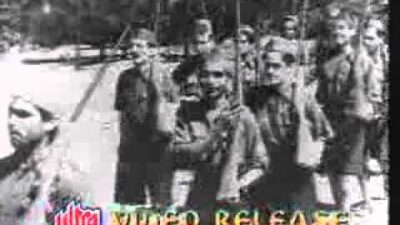
'शहीद' (१९४८) १९४२ के 'भारत छोड़ो आंदोलन' की पृष्ठभूमि में थी। इसलिए फ़िल्म की व्यक्तिगत प्रेम-कहानी राजनीतिक ख़तरे और बलिदान के संदर्भ में होती है। नायक (दिलीप कुमार) एक स्वतंत्रता सेनानी है; रोमांटिक गीत वह निजी ज़िंदगी दर्शाते हैं जिसे वह बचाने के लिए लड़ रहा है — और जिसे राष्ट्र के लिए अपनी जान देकर खो भी रहा है।
Shaheed (1948) was set during the 1942 Quit India Movement, so its personal love story necessarily took place within a context of political danger and sacrifice. The film's male hero (played by Dilip Kumar) is a freedom fighter; the romantic songs — including this one — represent the private life he is protecting and also sacrificing when he gives his life for the nation. Lalita Deulkar was one of several female playback singers active in 1948 before Lata Mangeshkar's dominance became total; she is less well-remembered today but was considered a competent and warm voice.
देशभक्ति और रोमांस को मिलाने वाली फ़िल्में — जैसे 'शहीद' (१९४८) — हिंदी सिनेमा का एक परिचित रूप है; यह गीत उस सूत्र का एक प्रारंभिक उदाहरण है। ललिता देउलकर की इस दौर की रिकॉर्डिंग्स अब अपेक्षाकृत अनजानी हैं, लेकिन वे उन महिला पार्श्व गायिकाओं की पीढ़ी की आवाज़ संरक्षित करती हैं जो लता के पूर्ण वर्चस्व से पहले थीं।
Films that combine patriotic and romantic registers — as Shaheed (1948) does — are a staple of Hindi cinema; this song is an early example of the formula. Lalita Deulkar's recordings from this period are now relatively obscure, but they preserve the sound of a generation of female playback singers who preceded Lata's total dominance.
शहीद (1948) में कई रजिस्टरों में गीत शामिल थे — देशभक्ति मार्च, रोमांटिक एकल गीत, और उदासी भरे गीत — जिससे यह अपने वर्ष की सबसे संगीतमय रूप से विविध फिल्मों में से एक बन गई।
Shaheed (1948) contained songs in multiple registers — patriotic marches, romantic solos, and melancholic ballads — making it one of the most musically varied films of its year.
ललिता देउलकर ने उसी वर्ष नदिया के पार (1948) के लिए 'राजा हो ले चल नदिया के पार' (मोहम्मद रफ़ी के साथ) भी गाया, जिससे पता चलता है कि वे कई फिल्मों में मांग में थीं।
Lalita Deulkar also sang 'Raja Ho Le Chal Nadiya Ke Paar' (with Mohammed Rafi) for Nadiya Ke Paar (1948) in the same year, showing she was in demand across multiple films.
क़मर जलालाबादी (1919–2003) जलालाबाद (अब पाकिस्तान में) से थे और उन्होंने हिंदी फिल्म इतिहास के पाँच दशकों में गीत लिखे।
Qamar Jalalabadi (1919–2003) was from Jalalabad (now in Pakistan) and wrote lyrics across five decades of Hindi film history.
ग़ुलाम हैदर का निधन 1953 में, अपेक्षाकृत कम आयु में हुआ, जब विभाजन के बाद वे बंबई में केवल लगभग सात वर्ष बिता चुके थे। वे लता मंगेशकर की अपनी खोज के पूर्ण प्रभाव को देखने के लिए जीवित नहीं रहे।
Ghulam Haider died in 1953, relatively young, having spent only about seven years in Bombay after Partition. He did not live to see the full impact of his discovery of Lata Mangeshkar.
फिल्म शहीद (1948) को कभी-कभी 'ऐतिहासिक देशभक्ति' फिल्म शैली के शुरुआती उदाहरण के रूप में नोट किया जाता है, जो 1960-70 के दशक तक हिंदी सिनेमा की एक प्रमुख विशेषता बन जाएगी।
The film Shaheed (1948) is sometimes noted as an early example of the 'historical patriotic' film genre that would become a staple of Hindi cinema through the 1960s–70s.
| शीर्षक | बचपन की याद धीरे-धीरे प्यार बन गई · Bachpan Ki Yaad Dheere Dheere Pyar Ban Gayi |
|---|---|
| फ़िल्म | शहीद · 1948 |
| वर्ष · युग | 1948 — Golden Era |
| गायक | Lalita Devulkar |
| गीतकार | Qamar Jalalabadi |
| संगीतकार | Ghulam Haider |
| स्वरूप | एकल महिला |
| गति | Medium-Slow |
| अवधि | circa 3:20 |
| भाषा | Urdu · Hindi |
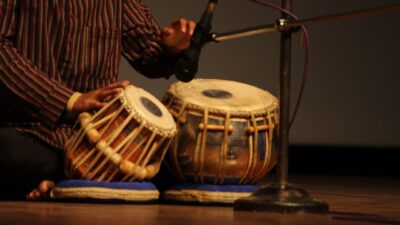
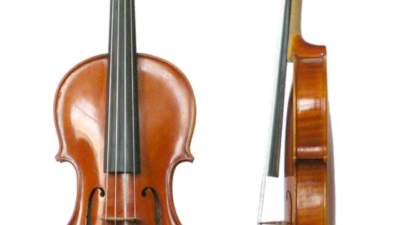
| वाद्य | harmonium · tabla · violin |
| भाव | पुरानी यादें · रोमांटिक |
| लोकप्रियता | Obscure |
| बोल-स्थिति | केवल झलक |
अटलस में कोई पन्ना अकेला नहीं — इस गीत से जुड़े गीत, कलाकार, फ़िल्म, राग-ताल-विधा, सब यहाँ से खुलते हैं।
साझा कीजिए · Share this Plate
देश के लिए मरने की फ़िल्म में भी एक गीत था — धीरे-धीरे उम्र भर प्यार होने का।
Even in a film about dying for your country, there was a song about falling in love slowly over a lifetime.
— editorial reflection on Shaheed (1948)
यह गीत ललिता देउलकर ने गाया था — १९४० के दशक के अंत की स्थापित महिला पार्श्व गायिका जिन्होंने उस दौर की कई प्रमुख फ़िल्मों में काम किया।
The song was sung by Lalita Deulkar, one of the established female playback singers of the late 1940s who worked across multiple major films in that period.
Watan Ki Raah Mein Watan Ke Naujawaan Shaheed Ho