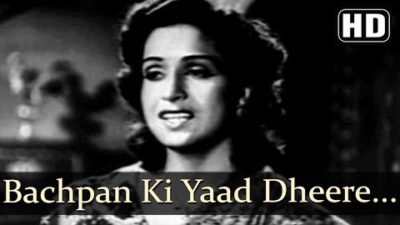
बचपन की याद धीरे-धीरे प्यार बन गई
Bachpan Ki Yaad Dheere Dheere Pyar Ban Gayi
गीत विंग · गीत-पट्टिका · Song Plate
Watan Ki Raah Mein Watan Ke Naujawaan Shaheed Ho
एक गीत, दो रूप — एक रण-जयघोष, एक अंतिम विदाई — शहादत की कीमत स्वतंत्रता के पहले वर्ष में ही सुना दी गई।
भावप्रेरणादायक · तीव्र · Solemn
भाषाUrdu · Hindi गतिFast (march); Slow (funeral version) स्वरूपDuet Male
बोल · The Lyrics
कॉपीराइट के कारण केवल झलक — पूरे बोल आधिकारिक मंचों पर।
सूत्र-वाक्य · The Hook
एक गीत, दो रूप — एक रण-जयघोष, एक अंतिम विदाई — शहादत की कीमत स्वतंत्रता के पहले वर्ष में ही सुना दी गई।
In EnglishThe same song was a battle cry and a funeral hymn — this 1948 masterpiece knew that freedom always costs a life.
१९४८ की फ़िल्म 'शहीद' (निर्देशक: रमेश सैगल; अभिनेता: दिलीप कुमार, कमिनी कौशल) का यह गीत आज़ादी के पहले वर्ष में रिलीज़ हुआ था — इसलिए यह एक ऐतिहासिक फ़िल्मी गीत भी है और नए भारत की अपनी हालिया क़ुर्बानियों का जश्न और विलाप भी। मोहम्मद रफ़ी और ख़ान मस्ताना ने मिलकर यह गाया, ग़ुलाम हैदर ने संगीत दिया, और राजा मेहदी अली ख़ान ने बोल लिखे। फ़िल्म में इसे दो रूपों में इस्तेमाल किया गया — एक तेज़ मार्च और एक शोकगीत — यह दर्शाता है कि शहादत एक साथ प्रेरणा और दुःख दोनों है।
From the 1948 film Shaheed — directed by Ramesh Saigal and starring Dilip Kumar and Kamini Kaushal — 'Watan Ki Raah Mein Watan Ke Naujawaan Shaheed Ho' was released in the very first year of Indian independence, making it simultaneously a period patriotic anthem and a reflection on the nation's own recent past. Sung by Mohammed Rafi and Khan Mastana with music by Ghulam Haider (who would become famous for launching Lata Mangeshkar) and lyrics by Raja Mehdi Ali Khan, the song was used in two distinct tempos within the film — a brisk martial march and a slow funeral processional — underlining that a martyr's death is both a call to arms and a cause for grief.
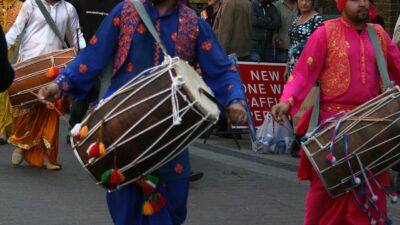
ग़ुलाम हैदर ने इस गीत के मार्च संस्करण में पीतल वाद्यों (ब्रास) और ढोल का उपयोग किया जो इसे एक अदम्य युद्धगीत का रूप देता है। ब्रिटिश सैन्य बैंड संगीत की छाया पंजाबी लोक ऊर्जा में रँगी हुई है — हैदर स्वयं पंजाब के थे। शोकगीत संस्करण में वही धुन तारवाद्यों और हारमोनियम पर आधी गति से बजाई गई, जो विजय को विलाप में बदल देती है। रफ़ी की आवाज़ यहाँ उनके सामान्य कोमल अंदाज़ से अलग, दृढ़ और घोषणात्मक है।
Ghulam Haider composed the march version of this song with brass instruments and a driving dhol rhythm that gives it an unmistakably martial character. The brisk version recalls British military band music filtered through a Punjabi folk sensibility — Haider was himself from the Punjab and brought that energy to his Bombay compositions. The funeral version uses the same melody played on strings and harmonium at half-tempo, turning triumph into lamentation. Rafi's voice in the march version is strong and declarative — a different register from his usual gentle lyricism. Khan Mastana adds a rougher, older-sounding timbre that provides contrast.
राजा मेहदी अली ख़ान के शब्द एक असाधारण काव्यात्मक चुनाव करते हैं — शहादत को 'मुबारक' कहना। यह मृत्यु को शोक नहीं, मातृभूमि से विवाह की तरह देखता है। युद्धकालीन प्रचार से ऊपर उठकर यह एक सच्ची काव्य-प्रतिबद्धता है — शब्द विश्वास करते हैं जो कह रहे हैं।
Raja Mehdi Ali Khan's text is a soldier's benediction — not an invocation of fear but a sincere congratulation to the martyr, framing death as a wedding with the motherland. The word 'mubarak' (congratulations) applied to death is a startling choice that elevates the lyric above conventional wartime propaganda into something approaching genuine poetry. This paradox — celebrating a young man's death — only works because the poem believes it.
'शहीद' (१९४८) फ़िल्मिस्तान की बड़ी प्रस्तुति थी, जो १९४२ के 'भारत छोड़ो' आंदोलन पर आधारित थी। आज़ादी के ठीक बाद रिलीज़ होने के कारण दर्शक इसकी घटनाओं से व्यक्तिगत स्तर पर जुड़े हुए थे। दिलीप कुमार ने यहाँ देशभक्त नायक की भूमिका निभाई। निर्देशक रमेश सैगल ने ग़ुलाम हैदर को पूरी स्वतंत्रता दी — और हैदर ने एक ऐसा स्कोर दिया जो राजनीतिक रैली और व्यक्तिगत शोक के बीच आसानी से आता-जाता है।
Shaheed (1948) was based on the Quit India Movement of 1942 and was one of Filmistan's biggest productions of the year. Released shortly after independence, the film resonated powerfully with audiences who had lived through the actual events depicted. Dilip Kumar, still in the early years of his career, played the patriot hero. Director Ramesh Saigal — who had previously made Do Bhai (1947) — gave Ghulam Haider the creative latitude to write a score that could shift between political rally and private grief. The dual use of the march song within the narrative is often cited by film historians as an example of early intelligent cinematic music.
फ़िल्म इतिहासकार इस गीत को हिंदी सिनेमा के महानतम देशभक्ति गीतों में गिनते हैं — यह उन स्वतंत्रता-दिवस के गीतों से कई साल पहले आया जो बाद में इस शैली के प्रतीक बने। राजा मेहदी अली ख़ान आगे जाकर 'लग जा गले' (वो कौन थी, १९६४) जैसे कालजयी गीत लिखेंगे; यह प्रारंभिक देशभक्ति गीत उनकी कविता की व्यापकता का प्रमाण है।
The song is cited by film historians and music critics as one of the finest patriotic songs in Hindi cinema. It predates by several years the Independence Day anthems that became the genre's staples. Ghulam Haider's arrangement has been referenced by later composers who scored patriotic films. Raja Mehdi Ali Khan would go on to write iconic songs like 'Lag Jaa Gale' (Woh Kaun Thi, 1964); this early patriotic work shows the range of his poetic sensibility.
फिल्म में गीत का दो अलग-अलग संस्करणों में उपयोग किया गया — एक तेज़ मार्च और एक धीमी अंत्येष्टि यात्रा — एक ही धुन का उपयोग करते हुए विपरीत नाटकीय उद्देश्यों को साधने के लिए।
The song was used in two distinct versions in the film — a brisk march and a slow funeral processional — using the same melody to serve opposite dramatic purposes.
शहीद (1948) दिलीप कुमार की शुरुआती व्यावसायिक रूप से सफल फिल्मों में से एक थी, जिसने उन्हें प्रसिद्ध बनाने वाले 'त्रासद नायक' व्यक्तित्व को स्थापित करने में मदद की।
Shaheed (1948) was one of Dilip Kumar's first commercially successful films, helping to establish the 'tragic hero' persona he would become famous for.
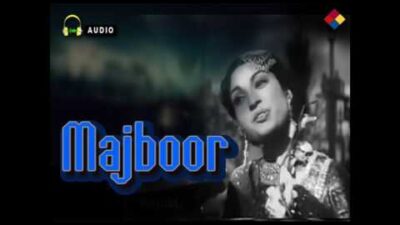
ग़ुलाम हैदर को व्यापक रूप से लता मंगेशकर को हिंदी फिल्मों में उनका पहला बड़ा अवसर (मजबूर, 1948) देने का श्रेय दिया जाता है, उसी वर्ष जब उन्होंने शहीद के लिए संगीत रचा।
Ghulam Haider is widely credited with giving Lata Mangeshkar her first big break in Hindi films (Majboor, 1948), the same year he composed Shaheed.
राजा मेहदी अली ख़ान ऑल इंडिया रेडियो दिल्ली में काम करने के बाद केवल 1947 में बंबई आए थे; शहीद उनकी शुरुआती प्रमुख फिल्मी रचनाओं में से एक थी।
Raja Mehdi Ali Khan had arrived in Bombay only in 1947 after working at All India Radio Delhi; Shaheed was one of his first major film lyrics.
फिल्म 1942 के भारत छोड़ो आंदोलन पर आधारित थी और 1948 में रिलीज़ हुई, जिससे यह ऐतिहासिक नाटक और लगभग-समकालीन राजनीतिक टिप्पणी दोनों बन गई।
The film was based on the 1942 Quit India Movement and released in 1948, making it both historical drama and almost-contemporary political commentary.
| शीर्षक | वतन की राह में वतन के नौजवान शहीद हो · Watan Ki Raah Mein Watan Ke Naujawaan Shaheed Ho |
|---|---|
| फ़िल्म | शहीद · 1948 |
| वर्ष · युग | 1948 — Golden Era |
| गायक | Mohammed Rafi, Khan Mastana |
| गीतकार | राजा मेहदी अली ख़ान |
| संगीतकार | Ghulam Haider |
| स्वरूप | Duet Male |
| गति | Fast (march); Slow (funeral version) |
| अवधि | circa 3:50 |
| भाषा | Urdu · Hindi |
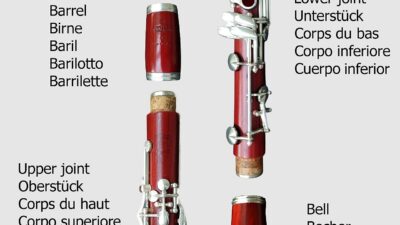
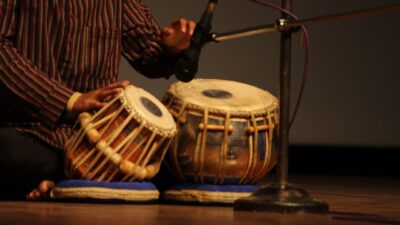
| वाद्य | dhol · clarinet · instrument-brass · tabla |
| भाव | प्रेरणादायक · तीव्र · Solemn |
| लोकप्रियता | Very_popular |
| बोल-स्थिति | केवल झलक |
अटलस में कोई पन्ना अकेला नहीं — इस गीत से जुड़े गीत, कलाकार, फ़िल्म, राग-ताल-विधा, सब यहाँ से खुलते हैं।
साझा कीजिए · Share this Plate
मुबारक हो तुम्हें यह मौत — एक पंक्ति जो शहादत को विवाह बना देती है।
Mubarak ho tumhein yeh maut — Congratulations on this death.
— Raja Mehdi Ali Khan, Shaheed (1948)
हाँ। यह गीत रमेश सैगल निर्देशित १९४८ की फ़िल्म 'शहीद' से है, जिसमें दिलीप कुमार ने अभिनय किया था।
Yes. The song is from Shaheed (1948), directed by Ramesh Saigal and starring Dilip Kumar.
बोल राजा मेहदी अली ख़ान ने लिखे थे, जिन्होंने आगे जाकर 'लग जा गले' (१९६४) जैसे कालजयी गीत भी लिखे।
The lyrics were written by Raja Mehdi Ali Khan, who later wrote classics like 'Lag Jaa Gale' (1964).
गीत को दो गतियों में फ़िल्माया गया — एक तेज़ मार्च जो क्रांतिकारियों को उत्साहित करता है, और एक धीमा, शोकपूर्ण संस्करण जो शहीद की अंतिम यात्रा के साथ बजता है। इस तरह एक ही धुन युद्धघोष और शोकगीत दोनों बन जाती है।
The song appears in two tempos — a fast martial march to inspire revolutionaries, and a slow, solemn version accompanying the martyr's funeral. The same melody thus serves as both battle cry and lamentation.