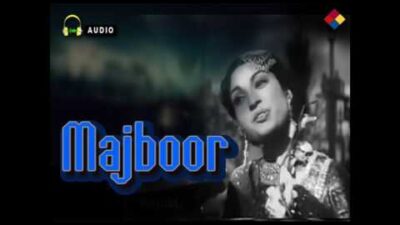
गीत विंग · गीत-पट्टिका · Song Plate
ये ज़िंदगी के मेले
Ye Zindagi Ke Mele
एक युवा गले में सदियों का दर्शन — ज़िंदगी के मेले में कोई नहीं रुकता।
भावउदास · पुरानी यादें · दार्शनिक
भाषाUrdu · Hindi गतिधीमी स्वरूपएकल पुरुष
श्रेय
The Creditsबोल · The Lyrics
बोल — झलक · Lyrics Preview
अफ़सोस हम न होंगे
दुनिया में आते-जाते, रहते हैं क्यों न जाते
हम भी यहाँ न होते
Afsaas hum na honge
Duniya mein aate-jaate, rehte hain kyun na jaate
Hum bhi yahan na hote
कॉपीराइट के कारण केवल झलक — पूरे बोल आधिकारिक मंचों पर।
शब्दकोश
Word Meaningsसूत्र-वाक्य · The Hook
सूत्र-वाक्य
एक युवा गले में सदियों का दर्शन — ज़िंदगी के मेले में कोई नहीं रुकता।
In EnglishA young man's voice holds the wisdom of centuries: nothing at life's fair ever stays.
पट्टिका-लेख
The Monographपरिचय Overview
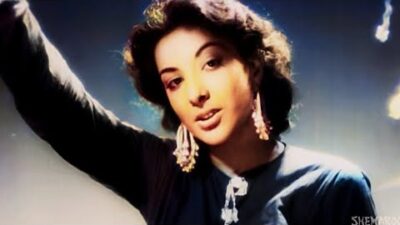
१९४८ में आई रोमांटिक त्रासदी 'मेला' (निर्देशक: एस.यू. सनी; मुख्य भूमिका: दिलीप कुमार, नर्गिस) के लिए संगीतकार नौशाद ने जो धुन रची और जिसे मोहम्मद रफ़ी ने अपनी कोमल, गहरी आवाज़ में ढाला, वह 'ये ज़िंदगी के मेले' हिंदी फ़िल्म संगीत की अमर धरोहर बन गई। एच.एम.वी. पर जारी यह गीत फ़िल्म की शुरुआत में एक फ़क़ीर की छवि के साथ आता है। शकील बदायूनी के दर्शनयुक्त शब्द — जो जीवन को एक मेले की तरह देखते हैं जहाँ सब आते हैं और चले जाते हैं — नौशाद की लोकधुन-आधारित रचना और रफ़ी की चौबीस वर्षीय भावपूर्ण आवाज़ के साथ मिलकर एक कालजयी कृति बन जाते हैं।
अंग्रेज़ी में पढ़ें · Read in English
Composed by Naushad and sung by Mohammed Rafi for the 1948 romantic tragedy Mela (directed by S.U. Sunny, starring Dilip Kumar and Nargis), 'Ye Zindagi Ke Mele' stands as one of the earliest masterpieces of Rafi's career and the first crowning achievement of the Naushad–Shakeel Badayuni partnership. Released on HMV, the song opens the film with a wandering mendicant figure at a village fair and immediately sets the film's elegiac tone. With keherwa taal, a meditative folk melody, and Rafi's then-twenty-four-year-old voice already displaying remarkable emotional gravity, the song asks the listener to sit with the knowledge that all festivals of life must end.
संगीत The Music
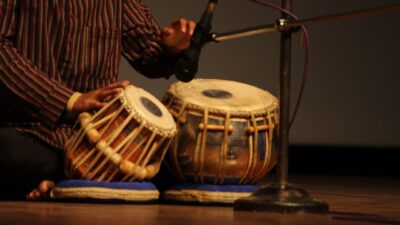
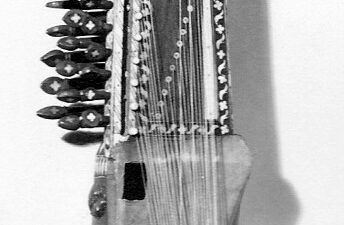
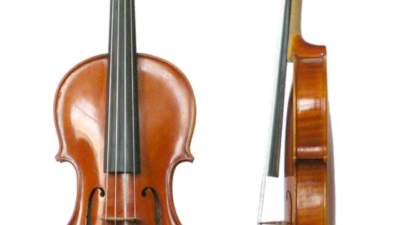
नौशाद ने इस गीत के लिए जो धुन चुनी, वह उत्तर भारतीय लोक संगीत की सरल, पंचस्वरीय (pentatonic) परंपरा से उठाई गई है — इसमें पूरब अंग के गायन की छाया मिलती है। वाद्य-संयोजन संयमित है: हारमोनियम, सारंगी, वायलिन और कहरवा ताल में तबला। प्रस्तावना में वायलिन का धीरे-धीरे ऊपर जाता स्वर अपने आप में एक छोटी सी कविता है। रफ़ी की 'अफ़सोस' पर जो हल्की-सी रुकावट है, वह उनकी गायकी की पहचान बनने वाली थी। नौशाद के लिए 'मेला' उनकी परिपक्व रचनाशैली का पहला प्रमाण है।
अंग्रेज़ी में पढ़ें · Read in English
Naushad built this song around a gentle, pentatonic folk melody that carries traces of north-Indian seasonal folk music, possibly influenced by the Purab ang singing tradition. The instrumentation is spare and deliberate: harmonium underpins the harmony, sarangi and violin provide weeping counterpoint, and the tabla in keherwa taal walks with a measured, almost processional step. The prelude — a slow ascending violin phrase — is itself a small masterpiece. Rafi's phrasing on this song is notably unhurried; he lets each syllable breathe, and the long 'afsaas' (regret) is held with a catch in the breath that would become a defining Rafi mannerism. For Naushad, who had already shown mastery with folk-inflected scores in Rattan (1944) and Anmol Ghadi (1946), Mela represents the arrival of his mature voice — the ability to make a film score feel inevitable.
काव्य The Poetry
शकील बदायूनी के शब्द ऊपर से सीधे लगते हैं, लेकिन मेले का रूपक — जो जगमगाता है, भरा होता है, और फिर एकाएक ख़ाली हो जाता है — हिंदी फ़िल्मी कविता में मृत्यु-बोध का सबसे करुण और सभ्य प्रयोग है। मुखड़ा अपना दर्द तुरंत खोलता है: दुनिया के मेले कम न होंगे, लेकिन अफ़सोस — हम न होंगे। 'अफ़सोस' शब्द पूरे गीत का भावनात्मक केंद्र है — यह रोना-धोना नहीं, बल्कि एक सहज, शांत विषाद है।
अंग्रेज़ी में पढ़ें · Read in English
Shakeel Badayuni's words are deceptively simple, yet the image of a fair — teeming, bright, and then suddenly empty — as a metaphor for mortal life is among the most compassionate in Hindi film poetry. The mukhda sets up its twist immediately: the world's fairs will continue; the tragedy is simply that *we* won't be there. Shakeel avoids the grandiose and instead works through domestic understatement, making death feel not terrifying but merely… inevitable. The word 'afsaas' (regret) sits at the emotional centre — not wailing grief, but quiet, civilised sorrow.
कहानी The Story
फ़िल्मालय की प्रस्तुति 'मेला' (१९४८) एस.यू. सनी के निर्देशन में बनी थी। दिलीप कुमार, नर्गिस और मुबारक अभिनीत यह रोमांटिक त्रासदी मेले की पृष्ठभूमि में दो प्रेमियों की बिछड़न की कहानी थी। 'ये ज़िंदगी के मेले' फ़िल्म का शुरुआती गीत था — एक घुमंतू फ़क़ीर पर फ़िल्माया गया। मोहम्मद रफ़ी, जो लाहौर से बंबई आए थे और तब तक अपेक्षाकृत अनजाने थे, इस गीत से जैसे सबकी निगाहों में आ गए। नौशाद और शकील की यह पहली बड़ी जुगलबंदी आगे जाकर हिंदी फ़िल्म संगीत के स्वर्णयुग को परिभाषित करेगी।
अंग्रेज़ी में पढ़ें · Read in English
Mela (1948) was a romantic tragedy directed by S.U. Sunny for Filmalaya, starring Dilip Kumar, Nargis and Mubarak. The film's storyline — about a lovers' reunion thwarted by misfortune at a festival — gave Naushad the emotional backdrop to compose a score of unusual depth. 'Ye Zindagi Ke Mele' was the film's opening song, picturised on a wandering fakir figure. For Mohammed Rafi, then in his fourth or fifth year in Bombay (having arrived from Lahore around 1944), this song was a turning point — a demonstration that his voice could carry philosophical weight, not just melody. The Naushad–Shakeel partnership that began here would go on to define the Golden Era of Hindi film music for the next two decades.
विरासत The Legacy
'ये ज़िंदगी के मेले' मोहम्मद रफ़ी की विशाल विरासत की आधारशिला है। संगीत इतिहासकार इसे हिंदी फ़िल्म संगीत में दार्शनिक-करुण शैली का प्रारंभिक उदाहरण मानते हैं। ऑल इंडिया रेडियो के स्वर्ण युग के कार्यक्रमों में आज भी यह गीत गूँजता है। नौशाद ने बाद में कहा था कि 'मेला' की सफलता ने उन्हें शास्त्रीय संगीत पर और गहरे जाने का साहस दिया।
अंग्रेज़ी में पढ़ें · Read in English
'Ye Zindagi Ke Mele' is one of the foundational songs of Mohammed Rafi's legendary career. It is cited by music historians as an early example of the philosophical-melancholic genre that would flower through the 1950s and 1960s. The song remains a staple of All India Radio programmes dedicated to golden era Hindi film music and continues to be referenced by younger artists as an emblem of the era's emotional depth. Naushad himself said in later interviews that the success of Mela's music gave him the confidence to pursue more classical idioms in subsequent films.
वर्गीकरण
Classification- Tempo
- Slow
Genre
अन्य विवरण
More Details- Songs of Yore — 'Best songs of 1948' (https://www.songsofyore.com/best-songs-of-1948/)
- Mehfil Mein Meri — 'Rafi 1948' (https://mehfilmeinmeri.wordpress.com/2024/10/24/rafi-1948/)
- Grokipedia — Mela (1948 film) (https://grokipedia.com/page/Mela_(1948_film))
- Wikipedia — Mela (1948 film)
- Boloji — 'Shakeel Badayuni: Lyricist the La Jawab!' (https://www.boloji.com/articles/49951/shakeel-badayuni-lyricist-the-la-jawab)
References
रोचक तथ्य
Margin Notesमेला (1948) में बारह गीत थे, सभी नौशाद द्वारा संगीतबद्ध — उस युग के मानकों के हिसाब से भी असामान्य रूप से बड़ा साउंडट्रैक।
अंग्रेज़ी में पढ़ें · Read in English
Mela (1948) had twelve songs, all composed by Naushad — an unusually large soundtrack even by the standards of the era.
शकील बदायूँनी बदायूँ (उत्तर प्रदेश) से केवल दो वर्ष पहले ही बंबई आए थे; मेला उनके शुरुआती फिल्मी सहयोगों में से एक थी।
अंग्रेज़ी में पढ़ें · Read in English
Shakeel Badayuni had arrived in Bombay from Badayun (U.P.) just two years earlier; Mela was among his earliest screen collaborations.
गीत को पारंपरिक नायक-नायिका रोमांस के बिना फिल्माया गया था — इसे एक अनाम भटकते साधु के चरित्र पर फिल्माया गया, जिससे यह हिंदी सिनेमा के शुरुआती 'अस्तित्ववादी' गीत-चित्रांकनों में से एक बन गया।
अंग्रेज़ी में पढ़ें · Read in English
The song was picturised without a conventional hero-heroine romance — it was filmed on an unnamed wandering mendicant figure, making it one of the earliest 'existential' song picturisations in Hindi cinema.
मोहम्मद रफ़ी ने अकेले 1948 में लगभग 55 गीत रिकॉर्ड किए — अगले तीन दशकों तक उन्होंने जो कार्यभार निभाया, उसका एक शुरुआती संकेत।
अंग्रेज़ी में पढ़ें · Read in English
Mohammed Rafi recorded approximately 55 songs in 1948 alone — an early sign of the workload he would sustain for the next three decades.
मेला (1948) को कभी-कभी उसी नाम की बाद की 1971 की फिल्म के साथ भ्रमित किया जाता है; 1948 के मूल को आमतौर पर दोनों में कलात्मक रूप से अधिक महत्वपूर्ण माना जाता है।
अंग्रेज़ी में पढ़ें · Read in English
Mela (1948) is sometimes confused with a later 1971 film of the same name; the 1948 original is generally considered the more artistically significant of the two.
नमूना-पट्टी
The Specimen Table| शीर्षक | ये ज़िंदगी के मेले · Ye Zindagi Ke Mele |
|---|---|
| फ़िल्म | मेला · 1948 |
| वर्ष · युग | 1948 — Golden Era |
| गायक | Mohammed Rafi |
| गीतकार | Shakeel Badayuni |
| संगीतकार | Naushad |
| स्वरूप | एकल पुरुष |
| गति | धीमी |
| अवधि | circa 3:30 |
| भाषा | Urdu · Hindi |
| वाद्य | harmonium · tabla · sarangi · violin |
| भाव | उदास · पुरानी यादें · दार्शनिक |
| लोकप्रियता | Legendary |
| बोल-स्थिति | केवल झलक |
जुड़े हुए पन्ने
Connected Plates · The Graph Made Visibleअटलस में कोई पन्ना अकेला नहीं — इस गीत से जुड़े गीत, कलाकार, फ़िल्म, राग-ताल-विधा, सब यहाँ से खुलते हैं।
मिलते-जुलते गीत · Related Songs
कलाकार · The Artists
फ़िल्म · The Film
युग · The Era
साझा कीजिए · Share this Plate
यह पन्ना आगे बढ़ाइए
ज़िंदगी के मेले में सब बिकता है, सिर्फ़ वक़्त नहीं।
At life's fair, everything is on sale except time.
— paraphrase of the song's philosophical theme
सवाल-जवाब
Questions & Answers'ये ज़िंदगी के मेले' किसने गाया था? · Who sang 'Ye Zindagi Ke Mele'?
यह गीत मोहम्मद रफ़ी ने १९४८ की फ़िल्म 'मेला' के लिए गाया था। यह उनके शुरुआती महत्वपूर्ण गीतों में से एक है।
The song was sung by Mohammed Rafi for the 1948 film Mela. It is one of Rafi's earliest major hits.
'ये ज़िंदगी के मेले' का संगीत किसने बनाया? · Who composed the music for 'Ye Zindagi Ke Mele'?
संगीत महान संगीतकार नौशाद ने बनाया था। बोल शकील बदायूनी ने लिखे थे।
Music was composed by Naushad, the legendary film composer. Lyrics were written by Shakeel Badayuni.
'ये ज़िंदगी के मेले' किस फ़िल्म का गीत है? · Which film is 'Ye Zindagi Ke Mele' from?
यह गीत १९४८ की फ़िल्म 'मेला' से है, जिसमें दिलीप कुमार और नर्गिस ने मुख्य भूमिका निभाई थी। निर्देशक थे एस.यू. सनी।
It is from Mela (1948), a romantic tragedy starring Dilip Kumar and Nargis, directed by S.U. Sunny.
'ये ज़िंदगी के मेले' का क्या अर्थ है? · What is the meaning of 'Ye Zindagi Ke Mele'?
'ये ज़िंदगी के मेले' का अर्थ है 'इस ज़िंदगी के मेले।' गीत में मेले का रूपक इस्तेमाल हुआ है — जो रंगीन होता है, लेकिन कुछ देर बाद बिखर जाता है — यानी जीवन की क्षणभंगुरता।
The phrase means 'the fairs of this life.' The song uses the metaphor of a travelling fair — festive but temporary — to reflect on human mortality and the impermanence of all things.
क्या 'ये ज़िंदगी के मेले' पूरा गीत ऑनलाइन सुना जा सकता है? · Is the full song 'Ye Zindagi Ke Mele' available to listen online?
हाँ, यह गीत यूट्यूब (सारेगामा के आधिकारिक चैनल) और गाना, जियोसावन जैसे प्लेटफ़ॉर्म पर उपलब्ध है। ध्वनि रिकॉर्डिंग का कॉपीराइट समाप्त हो चुका है, परंतु सारेगामा इसे व्यावसायिक रूप से वितरित करती है।
Yes, the song is widely available on YouTube (official Saregama uploads) and on streaming platforms like Gaana and JioSaavn. The sound recording copyright has expired (1948 + 60 years), though the song is still commercially distributed by Saregama.
जुड़ी हुई दुनिया
Explore ConnectionsRelated Songs · संबंधित गीत
फिर आह दिल से निकली टपका लहू जिगर से
Phir Aah Dil Se Nikali Tapka Lahu Jigar Se

वतन की राह में वतन के नौजवान शहीद हो
Watan Ki Raah Mein Watan Ke Naujawaan Shaheed Ho