गीत विंग · गीत-पट्टिका · Song Plate
सोलह बरस की भई उमरिया
Solah Baras Ki Bhayi Umariya
सोलह वर्ष और इंतज़ार — लोककविता की सबसे पुरानी कहानी, रफ़ी और शमशाद ने १९४८ में उसे नई आवाज़ दी।
भावउत्सव · चुलबुला · रोमांटिक
भाषाBraj · Hindi · Awadhi गतिमध्यम स्वरूपयुगल
श्रेय
The Creditsबोल · The Lyrics
बोल — झलक · Lyrics Preview
लागे मोहे प्यारी-प्यारी
काहे न आए मोरे सैंया
मोरी नींद उड़ाई रे
Laage mohe pyaari-pyaari
Kaahe na aaye more saainyaa
Mori neend udaai re
कॉपीराइट के कारण केवल झलक — पूरे बोल आधिकारिक मंचों पर।
शब्दकोश
Word Meaningsसूत्र-वाक्य · The Hook
सूत्र-वाक्य
सोलह वर्ष और इंतज़ार — लोककविता की सबसे पुरानी कहानी, रफ़ी और शमशाद ने १९४८ में उसे नई आवाज़ दी।
In EnglishSixteen and waiting — the oldest story in folk poetry, given a new voice by Rafi and Shamshad in 1948.
पट्टिका-लेख
The Monographपरिचय Overview
'आग' (१९४८) राज कपूर की निर्देशक के रूप में पहली फ़िल्म थी — उनके नए आर.के. फ़िल्म्स बैनर तले। 'सोलह बरस की भई उमरिया' एक जीवंत लोकगीत-शैली का युगल गीत है जिसे मोहम्मद रफ़ी और शमशाद बेगम ने गाया, राम गांगुली ने संगीत दिया और बेहज़ाद लखनवी ने बोल लिखे। यह गीत उत्तर भारत की उस लोक-परंपरा से जुड़ता है जिसमें सोलह वर्ष को यौवन और श्रृंगार के खिलने का क्षण माना जाता है। शमशाद बेगम की माटीगंध आवाज़ और रफ़ी का कोमल जवाब एक चुलबुला संवाद बनाते हैं।
अंग्रेज़ी में पढ़ें · Read in English
From Aag (1948) — Raj Kapoor's debut as a film director, produced under his newly formed R.K. Films banner — 'Solah Baras Ki Bhayi Umariya' is a lively folk duet sung by Mohammed Rafi and Shamshad Begum, composed by Ram Ganguly with lyrics by Behzad Lucknawi. The song draws on the rich north-Indian folk tradition of songs celebrating a girl's sixteenth year — considered in that tradition the moment when youth flowers into beauty and romantic longing. Shamshad Begum's earthy, powerful voice and Rafi's tender counter-voice create a playful dialogue that contrasts sharply with the more melancholic songs of the year. Aag was Raj Kapoor's vision of himself as an artist-hero — a theme he would return to throughout his career.
संगीत The Music
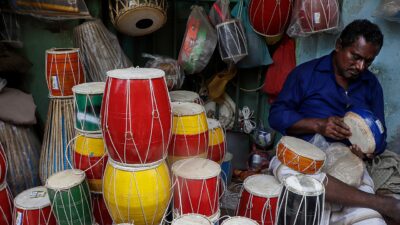
राम गांगुली ने ढोलक-आधारित लोकधुन से इस गीत को सीधे गाँव के उत्सव की दुनिया में ले जाया। शमशाद बेगम की आवाज़ में एक प्राकृतिक लोकरंग था जो उस दौर के शास्त्रीय प्रशिक्षण वाले गायकों से अलग था — और यह गीत उनके लिए बिल्कुल सटीक था। रफ़ी का जवाबी स्वर सामान्य से अधिक नर्म और चुलबुला है। अंतरे में शहनाई का रंग विवाह-उत्सव की छाया देता है।
अंग्रेज़ी में पढ़ें · Read in English
Ram Ganguly — a composer who had worked in Bengali and Hindi cinema through the 1940s — gave this song a dholak-driven folk rhythm that grounds it immediately in the world of village celebrations. Shamshad Begum's voice, which had a natural folk quality unlike the more classically trained singers of the period, was perfectly suited to this material. Rafi's counter-voice is warmer and more playful than usual, adapting to the folk register rather than imposing his classical lyricism on it. The shehnai in the interlude adds a wedding-celebration colour.
काव्य The Poetry
बेहज़ाद लखनवी ने ब्रज-लोक परंपरा की भाषा में लिखा — 'उमरिया', 'मोहे', 'सैंया', 'मोरी' शब्द सदियों पुरानी स्त्री-लोकगायन परंपरा के हैं। यह गीत एक लोक-आदर्श की तरह काम करता है: सोलह वर्ष की लड़की अपने पिया का इंतज़ार कर रही है — इतनी सार्वभौमिक कहानी कि किसी विशेष कथानक की ज़रूरत नहीं।
अंग्रेज़ी में पढ़ें · Read in English
Behzad Lucknawi wrote in the Braj-folk register that had been used in North Indian women's songs for centuries — the vocabulary of 'umariya', 'mohe', 'sainyaa', 'mori' belongs to a tradition of sung domestic poetry that long predates the Hindi film industry. The song's premise — a girl of sixteen wondering why her beloved hasn't come — is so universal in this tradition that it functions as a folk archetype rather than a specific narrative.
कहानी The Story
'आग' (१९४८) राज कपूर की पहली निर्देशकीय कृति थी — वे उस समय मात्र २३-२४ वर्ष के थे। फ़िल्म अर्ध-आत्मकथात्मक थी — नायक थियेटर का दीवाना एक युवक है। राम गांगुली का संगीत, शमशाद बेगम, रफ़ी और मुकेश की आवाज़ें। नर्गिस — जो आगे जाकर राज कपूर की सबसे बड़ी सह-कलाकार बनेंगी — यहाँ अपनी शुरुआती प्रमुख भूमिकाओं में से एक में थीं।
अंग्रेज़ी में पढ़ें · Read in English
Aag (1948) was Raj Kapoor's first directorial venture, made when he was just 23-24 years old. The film was semi-autobiographical — its hero is a young man passionate about theatre — and it introduced the themes of art, dream, and disillusionment that would define R.K. Films for decades. The music was composed by Ram Ganguly, and featured singers including Shamshad Begum, Mohammed Rafi, and Mukesh. Nargis, who would become Raj Kapoor's greatest co-star, appeared in the film as the female lead in one of her early major roles.
विरासत The Legacy
'आग' (१९४८) राज कपूर की सबसे बड़ी व्यावसायिक सफलता नहीं थी, लेकिन इसने आर.के. फ़िल्म्स की नींव रखी जो आगे जाकर 'आवारा' (१९५१), 'श्री ४२०' (१९५५) और 'संगम' (१९६४) देगी। इस फ़िल्म के लोकगीत यह दिखाते हैं कि अपनी पहली फ़िल्म से ही राज कपूर भारत की लोक-संगीत परंपरा से जुड़ने का महत्व जानते थे।
अंग्रेज़ी में पढ़ें · Read in English
While Aag (1948) was not Raj Kapoor's greatest commercial success, it established the R.K. Films brand that would go on to produce Awaara (1951), Shree 420 (1955), and Sangam (1964). The folk songs from the film, including this one, show that even in his debut Raj Kapoor understood the importance of connecting his films to India's folk musical traditions — a sensibility that his later music director Shankar-Jaikishan would amplify enormously.
वर्गीकरण
Classification- Tempo
- Medium
Genre
अन्य विवरण
More Details- Wikipedia — Aag (1948 film)
- MySwar — Aag (1948) album page
- Aag 1948 Raj Kapoor songs blog (https://rajkapoorsongs.wordpress.com/2024/01/02/aag-1948-2/)
- Wikipedia — Shamshad Begum
- Songs of Yore — 'Best songs of 1948'
References
रोचक तथ्य
Margin Notesआग (1948) राज कपूर के निर्देशन में पदार्पण थी, जो उन्होंने लगभग 23-24 वर्ष की आयु में बनाई।
अंग्रेज़ी में पढ़ें · Read in English
Aag (1948) was Raj Kapoor's directorial debut, made when he was approximately 23-24 years old.
यह नरगिस की शुरुआती प्रमुख फिल्मी उपस्थितियों में से एक थी, जो आवारा (1951) में राज कपूर के साथ उनके प्रतिष्ठित सहयोग से पहले की है।
अंग्रेज़ी में पढ़ें · Read in English
This was one of Nargis's early major film appearances, predating her iconic collaboration with Raj Kapoor in Awaara (1951).
शमशाद बेगम एक शक्तिशाली, लोक-रंजित आवाज़ के लिए जानी जाती थीं जो लता मंगेशकर की परिष्कृत शास्त्रीय शैली से बहुत भिन्न थी — दोनों 1948 में व्यापक रूप से रिकॉर्डिंग कर रही थीं।
अंग्रेज़ी में पढ़ें · Read in English
Shamshad Begum was known for a powerful, folk-inflected voice that was very different from the refined classical style of Lata Mangeshkar — both were recording extensively in 1948.
राम गांगुली ने बांग्ला और हिंदी दोनों सिनेमा में संगीत रचा; उन्हें बांग्ला फिल्म परंपरा में अधिक याद किया जाता है।
अंग्रेज़ी में पढ़ें · Read in English
Ram Ganguly composed music in both Bengali and Hindi cinema; he is better remembered in the Bengali film tradition.
रोमांटिक विरह की दहलीज़ के रूप में संख्या 'सोलह' उत्तर भारतीय लोकगीतों में सदियों पहले से चली आ रही है — यह एक गहराई से रचा-बसा सांस्कृतिक पुरातन प्रतीक है।
अंग्रेज़ी में पढ़ें · Read in English
The number 'sixteen' (solah) as the threshold of romantic longing appears in North Indian folk songs going back centuries — it is a deeply embedded cultural archetype.
नमूना-पट्टी
The Specimen Table| शीर्षक | सोलह बरस की भई उमरिया · Solah Baras Ki Bhayi Umariya |
|---|---|
| फ़िल्म | आग · 1948 |
| वर्ष · युग | 1948 — Golden Era |
| गायक | Mohammed Rafi, Shamshad Begum |
| गीतकार | Behzad Lakhnavi |
| संगीतकार | Ram Ganguly |
| स्वरूप | युगल |
| गति | मध्यम |
| अवधि | circa 3:10 |
| भाषा | Braj · Hindi · Awadhi |
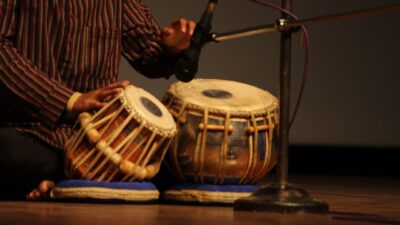
| वाद्य | harmonium · tabla · dholak · shehnai |
| भाव | उत्सव · चुलबुला · रोमांटिक |
| लोकप्रियता | Popular |
| बोल-स्थिति | केवल झलक |
जुड़े हुए पन्ने
Connected Plates · The Graph Made Visibleअटलस में कोई पन्ना अकेला नहीं — इस गीत से जुड़े गीत, कलाकार, फ़िल्म, राग-ताल-विधा, सब यहाँ से खुलते हैं।
मिलते-जुलते गीत · Related Songs
कलाकार · The Artists
फ़िल्म · The Film
युग · The Era
साझा कीजिए · Share this Plate
यह पन्ना आगे बढ़ाइए
जब लोक-परंपरा और फ़िल्मी गीत मिलते हैं — उनकी जड़ें हज़ार साल गहरी होती हैं।
When the folk tradition and the film song meet — the result has roots that go down a thousand years.
— editorial reflection on the folk tradition in Hindi film music
सवाल-जवाब
Questions & Answers'सोलह बरस की भई उमरिया' किस फ़िल्म का गीत है? · Which film is 'Solah Baras Ki Bhayi Umariya' from?
यह गीत 'आग' (१९४८) से है — राज कपूर की पहली निर्देशकीय फ़िल्म, जिसके साथ उन्होंने आर.के. फ़िल्म्स की स्थापना की।
The song is from Aag (1948), the directorial debut of Raj Kapoor, who founded R.K. Films with this very production.
'सोलह बरस की भई उमरिया' का क्या अर्थ है? · What does 'Solah Baras Ki Bhayi Umariya' mean?
इसका अर्थ है 'मेरी उम्र सोलह साल हो गई' — उत्तर भारतीय लोक-परंपरा में सोलह वर्ष को यौवन और श्रृंगार के खिलने का समय माना जाता है।
It means 'I have turned sixteen years old' — a reference to the North Indian folk tradition in which sixteen is seen as the age of romantic awakening and beauty.