गीत विंग · गीत-पट्टिका · Song Plate
ए दिल मुझे बता दे
Ae Dil Mujhe Bata De
केवल तलत महमूद ही अपने दिल से सवाल पूछ सकते थे और उसे दुनिया का सबसे खूबसूरत इल्ज़ाम जैसा सुना सकते थे।
भावमीठा-कड़वा · उदास · दार्शनिक
भाषाUrdu · Hindi गतिधीमी स्वरूपएकल पुरुष
श्रेय
The Creditsबोल · The Lyrics
बोल — झलक · Lyrics Preview
किस ने तुझे लगाया इस दर्द का मज़ा है
Kis ne tujhe lagaya is dard ka maza hai
कॉपीराइट के कारण केवल झलक — पूरे बोल आधिकारिक मंचों पर।
शब्दकोश
Word Meaningsसूत्र-वाक्य · The Hook
सूत्र-वाक्य
केवल तलत महमूद ही अपने दिल से सवाल पूछ सकते थे और उसे दुनिया का सबसे खूबसूरत इल्ज़ाम जैसा सुना सकते थे।
In EnglishOnly Talat Mahmood could ask his own heart a question and make it sound like the most beautiful accusation in the world.
पट्टिका-लेख
The Monographपरिचय Overview
'ए दिल मुझे बता दे' — नवकेतन की फ़िल्म 'सज़ा' (1951) का यह गीत स्वर्णिम युग के आरंभ में S.D. बर्मन और शैलेन्द्र द्वारा तलत महमूद की बेमिसाल करुण आवाज़ के लिए रचे गए चिंतनशील एकल पुरुष-गीत का एक उत्कृष्ट नमूना है। उसी वर्ष की 'बाज़ी' और 'नौजवान' जहाँ बर्मन-दा की ऊर्जावान और हल्की-फुल्की शैली को दिखाती हैं, वहीं 'सज़ा' ने उन्हें उस आत्ममग्नता के लिए जगह दी जो उनके शास्त्रीय प्रशिक्षण की विरासत थी: एक धीमी भैरवी-समतुल्य रचना, दादरा ताल, और सारंगी-हारमोनियम का संयमित वाद्य-विन्यास। तलत महमूद, जिनकी आवाज़ में उर्दू ग़ज़ल की स्वाभाविक कंपकंपाहट थी, शैलेन्द्र के उस गीत के लिए आदर्श माध्यम थे — जो कविता दिल को उसकी अपनी अकथनीय लालसा का हिसाब माँगती है।
अंग्रेज़ी में पढ़ें · Read in English
'Ae Dil Mujhe Bata De' from the Navketan production Sazaa (1951) is a compelling specimen of the contemplative male solo that S.D. Burman and Shailendra created for Talat Mahmood's uniquely plaintive voice in the early Golden Era. While the same year's Baazi and Naujawan showcased S.D. Burman's energetic and breezy sides, Sazaa offered him space for the introversion he had cultivated in his classical training: a slow Bhairavi-adjacent composition, Dadra taal, and spare orchestration of sarangi and harmonium. Talat Mahmood, whose tremolo-touched voice carried the natural timbre of Urdu ghazal, was the ideal vehicle for Shailendra's lyric — a poem that asks the heart to account for its own inexplicable longing. HMV released this on 78 rpm the same year, and it found its audience among listeners who preferred the contemplative to the celebratory.
संगीत The Music
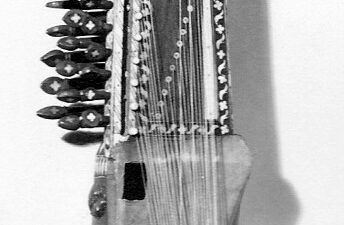
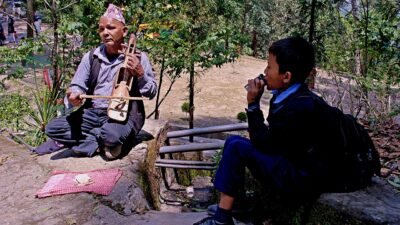
'ए दिल मुझे बता दे' के लिए S.D. बर्मन की रचना धीमे, शास्त्रीय-प्रभावित फ़िल्मी गीत पर उनकी महारत का प्रमाण है। धुन भैरवी स्केल के कोमल अंतरालों में बहती है — कोमल द्वितीय और षष्ठ स्वर वह मीठी तकलीफ़ पैदा करते हैं जिसके लिए शास्त्रीय संगीत में भैरवी को सबसे अधिक सराहा जाता है। दादरा ताल (6 मात्रा, 3+3) एक धीमी झूलती-सी गति देती है। सारंगी — भारतीय वाद्यों में सबसे 'मानवीय', जिसका स्वर-गुण मानव कंठ के सबसे निकट है — यहाँ तलत की आवाज़ से बातें करती एक दूसरी आवाज़ की तरह है। लखनऊ की ग़ज़ल-परंपरा से प्रभावित तलत महमूद की गायकी में एक नियंत्रित कंपकंपाहट (गमक) थी जिससे उस युग के अन्य पार्श्वगायक बचते थे; यहाँ यह एक अभिव्यंजना-उपकरण बन जाती है, मानो आवाज़ भी दिल के सवाल का जवाब खोजने में अनिश्चित हो।
अंग्रेज़ी में पढ़ें · Read in English
S.D. Burman's composition for 'Ae Dil Mujhe Bata De' exemplifies his command of the slow, classical-inflected film song. The melody moves in the Bhairavi scale's characteristic komal (flat) intervals — the flattened second and sixth create that quality of sweet ache that Bhairavi is prized for in the classical tradition. Dadra taal (6 beats in 3+3 grouping) provides a gentle rocking motion, like a slowly swinging lantern. The sarangi — perhaps the most 'human' of the Indian melodic instruments, its tonal quality closest to the human voice — acts here as a second voice conversing with Talat's own. Talat Mahmood's singing style, influenced by the ghazal tradition of Lucknow, features a controlled use of tremolo (ghamak) that other playback singers of the era avoided; here it becomes an expressive tool, as if the voice itself is uncertain of the answer to the heart's question.
काव्य The Poetry
शैलेन्द्र का गीत 'ए दिल मुझे बता दे' उर्दू काव्य की दर्द-ए-दिल परंपरा का हिस्सा है — वह परंपरा जिसमें कवि का दिल एक साथ जाँच का विषय भी है और साक्षी भी, पीड़ित भी और द्रष्टा भी। प्रारंभिक सम्बोधन — 'ए दिल' — आत्म-साक्षात्कार का वह ढंग है जो शास्त्रीय उर्दू ग़ज़ल में ग़ालिब, मीर और फ़ैज़ सबने अपनाया। शैलेन्द्र की विशेषता यह है कि वे 'दर्द का मज़ा है' में एक संकुचित विरोधाभास पिरोते हैं — एकतरफ़ा प्रेम की वह मधुर तकलीफ़ जिसे उर्दू काव्य सदा सराहता आया है। शैलेन्द्र इस शास्त्रीय विचार को एक फ़िल्मी गीत के लिए सुंदर रूप से रूपांतरित करते हैं — भाषा सरल रखते हैं पर वैचारिक गहराई सुरक्षित।
अंग्रेज़ी में पढ़ें · Read in English
Shailendra's lyric for 'Ae Dil Mujhe Bata De' belongs to the dard-e-dil (pain of the heart) tradition of Urdu poetry — a tradition in which the poet's heart is simultaneously the subject and the object of inquiry, the sufferer and the witness. The opening apostrophe — 'Ae dil' (O heart!) — directly addresses the inner self, a device rooted in classical Urdu ghazal (the 'ae dil' address appears in Ghalib, Mir, and Faiz). What is distinctive about Shailendra's handling is the bittersweet quality he layers into 'dard ka maza hai' (the pleasure of pain) — a compressed paradox that captures the masochistic joy of unrequited love that Urdu poetry has always celebrated. Shailendra domesticates this classical idea perfectly for a film song, keeping the language simple while preserving the conceptual depth.
कहानी The Story
'सज़ा' (1951) का निर्देशन P.L. संतोषी ने किया था और इसमें देव आनंद एक ऐसी भूमिका में थे जिसे समीक्षकों ने उनके सामान्य हल्के-फुल्के व्यक्तित्व से अधिक आत्ममग्न बताया। नवकेतन बैनर, देव आनंद के नेतृत्व में, जानबूझकर एक विशिष्ट भावनात्मक स्वर गढ़ रहा था — बिमल रॉय की सामाजिक-यथार्थवादी त्रासदियों से हल्का, पर युग की विशुद्ध मनोरंजन फ़िल्मों से अधिक मनोवैज्ञानिक। S.D. बर्मन 1951 में एक साथ कई नवकेतन परियोजनाओं (बाज़ी, नौजवान, सज़ा) के लिए संगीत बना रहे थे, और 'सज़ा' के लिए उनका काम उनकी शास्त्रीय-आत्ममग्न शैली की झलक देता है। तलत महमूद को इस गीत के लिए इसलिए चुना गया क्योंकि उनकी ग़ज़ल-प्रभावित आवाज़ शैलेन्द्र के गीत का दार्शनिक भार उस तरह उठा सकती थी जैसा पारंपरिक 'फ़िल्मी' आवाज़ें नहीं उठा सकती थीं।
अंग्रेज़ी में पढ़ें · Read in English
Sazaa (1951) was directed by P.L. Santoshi and starred Dev Anand in what critics described as a more introspective role than his usual breezy persona. The Navketan banner, under Dev Anand's guidance, was consciously building a distinctive emotional register for its films — lighter than the social-realist tragedies of Bimal Roy but more psychologically searching than the pure entertainment films of the era. S.D. Burman was composing for multiple Navketan projects simultaneously in 1951 (Baazi, Naujawan, Sazaa), and his work for Sazaa showed the classical-introspective side of his range. Talat Mahmood was brought in for this particular song because his ghazal-inflected voice could carry the philosophical weight of Shailendra's lyric in a way that more conventionally 'filmi' voices could not. The recording session, as was customary at this period, was done live — orchestra and singer together in one room at HMV's Bombay studios.
विरासत The Legacy
'ए दिल मुझे बता दे' तलत महमूद की डिस्कोग्राफ़ी में एक प्रिय रचना बनी हुई है और उनके श्रेष्ठ फ़िल्मी काम के आकलनों में लगातार उद्धृत होती है। यह S.D. बर्मन-शैलेन्द्र की जोड़ी को उनके सर्वाधिक शास्त्रीय और आत्ममग्न रूप में दर्शाती है — उनके अधिक लोकप्रिय प्रयोगों के विपरीत। डिजिटल स्ट्रीमिंग युग में 'ग़ज़ल-शैली के तलत महमूद गीत' और 'मेलोड्रामैटिक स्वर्णिम युग' के प्लेलिस्ट में इसे नवीन सराहना मिल रही है। यह इस बात का एक उल्लेखनीय उदाहरण है कि नवकेतन की कलात्मक साहसिकता संगीत तक भी फैली थी — किसी क्षण के लिए कम स्पष्ट गायक और कम स्पष्ट भाव चुनना।
अंग्रेज़ी में पढ़ें · Read in English
'Ae Dil Mujhe Bata De' has remained a beloved track in Talat Mahmood's discography and is consistently cited in assessments of his finest film work. It represents the S.D. Burman–Shailendra axis at its most classical and introspective — a counterpoint to the same pair's more populist output. The song enjoys renewed appreciation in digital streaming era playlists themed around 'ghazal-style Talat Mahmood songs' and 'melancholic Golden Era'. It is a hallmark example of how Navketan's artistic adventurism extended even into music — choosing the less obvious singer and the less obvious mood for a film moment that might, in other hands, have been handled more superficially.
वर्गीकरण
Classification- Tempo
- Slow
Genre
अन्य विवरण
More Details- Hindi Film Geet Kosh Vol. 4 (1951), compiled by Harmandir Singh 'Hamraaz' — primary verification source
- Wikipedia (English): Talat Mahmood
- Wikipedia (English): S. D. Burman
- Wikipedia (English): Shailendra (lyricist)
- Saregama digital catalogue
- Ashok D. Ranade, 'Hindi Film Song: Music Beyond Boundaries' (Bibliophile South Asia)
References
रोचक तथ्य
Margin Notesतलत महमूद की आवाज़ में एक स्वाभाविक कंपन (ट्रेमोलो) था, जिसे उस दौर के अधिकांश प्लेबैक गायक दबाने की कोशिश करते थे; इस गीत में इसे छिपाने के बजाय भाव-अभिव्यक्ति के रूप में इस्तेमाल किया गया है, जिससे यह उनकी सबसे विशिष्ट रूप से 'तलत'-सुलभ प्रस्तुतियों में से एक बन जाता है।
अंग्रेज़ी में पढ़ें · Read in English
Talat Mahmood's voice featured a natural tremolo that most playback singers of the era suppressed; in this song it is used expressively rather than masked, making this one of his most characteristically 'Talat' performances.
शैलेन्द्र के बोल उर्दू की अलंकारिक युक्ति 'संबोधन' (एपॉस्ट्रॉफ़ी) का प्रयोग करते हैं — किसी अमूर्त भाव (हृदय, 'ऐ दिल') को सीधे संबोधित करना — यह वही युक्ति है जो मिर्ज़ा ग़ालिब और मीर तक़ी मीर जैसे शास्त्रीय उर्दू ग़ज़ल के उस्तादों में भी मिलती है।
अंग्रेज़ी में पढ़ें · Read in English
Shailendra's lyric uses the Urdu rhetorical device of 'apostrophe' — directly addressing an abstraction (the heart, 'ae dil') — a device shared with classical Urdu ghazal masters like Mirza Ghalib and Mir Taqi Mir.
नवकेतन की 1951 की प्रस्तुतियाँ (बाज़ी, नौजवान, सज़ा) एक ही बैनर के लिए एस.डी. बर्मन की रचनाओं का सबसे सघन वर्ष दर्शाती हैं, जिससे 1951 नवकेतन-बर्मन जोड़ी का सबसे उत्पादक वर्ष बन गया।
अंग्रेज़ी में पढ़ें · Read in English
Navketan's 1951 output (Baazi, Naujawan, Sazaa) represents the most concentrated single year of S.D. Burman compositions for one banner, making 1951 the most productive Navketan-Burman year.
यहाँ प्रयुक्त भैरवी राग परंपरागत रूप से भारतीय शास्त्रीय संगीत में समापन का राग माना जाता है — जो संगीत सभा में सबसे अंत में बजाया जाता है और प्रभात एवं विदाई से जुड़ा है। आत्म-प्रश्न करते इस प्रेम गीत में इसका प्रयोग एक शांत किंतु गहरी मार्मिक सार्थकता रखता है।
अंग्रेज़ी में पढ़ें · Read in English
The Bhairavi scale used here is traditionally the raag of endings in Indian classical music — played last in a concert, associated with dawn and farewell. Its use in a self-interrogating love song has a quietly devastating aptness.
नमूना-पट्टी
The Specimen Table| शीर्षक | ए दिल मुझे बता दे · Ae Dil Mujhe Bata De |
|---|---|
| वर्ष · युग | 1951 — Golden Era |
| गायक | Talat Mahmood |
| गीतकार | Shailendra |
| संगीतकार | S.D. Burman |
| स्वरूप | एकल पुरुष |
| गति | धीमी |
| अवधि | circa 3:20 |
| भाषा | Urdu · Hindi |
| वाद्य | sarangi · harmonium · tabla · violin |
| भाव | मीठा-कड़वा · उदास · दार्शनिक |
| लोकप्रियता | Known |
| बोल-स्थिति | केवल झलक |
जुड़े हुए पन्ने
Connected Plates · The Graph Made Visibleअटलस में कोई पन्ना अकेला नहीं — इस गीत से जुड़े गीत, कलाकार, फ़िल्म, राग-ताल-विधा, सब यहाँ से खुलते हैं।
मिलते-जुलते गीत · Related Songs
कलाकार · The Artists
युग · The Era
साझा कीजिए · Share this Plate
यह पन्ना आगे बढ़ाइए
नवकेतन के आरंभिक वर्षों में S.D. बर्मन ने भैरवी स्केल को फ़िल्मी गीतों में जितनी प्रेमपूर्ण सटीकता से उपयोग किया, वैसा और कोई न कर सका।
No one used the Bhairavi scale in film songs with more loving precision than S.D. Burman in his early Navketan years.
— Attributed to musicologist Ashok D. Ranade
सवाल-जवाब
Questions & Answersतलत महमूद कौन थे और उनकी आवाज़ की क्या विशेषता थी? · Who is Talat Mahmood and why was his voice distinctive?
तलत महमूद (1924-1998) स्वर्णिम युग के अग्रणी पार्श्वगायकों में थे, जो अपनी ग़ज़ल-प्रभावित आवाज़ और एक विशिष्ट स्वाभाविक कंपन के लिए प्रसिद्ध थे जिसे अधिकांश समकालीन गायक जानबूझकर दबाते थे। 1950 के दशक में आत्ममग्न, करुण फ़िल्मी गीतों के लिए वे सबसे पसंदीदा आवाज़ थे।
Talat Mahmood (1924–1998) was one of the leading male playback singers of the Golden Era, renowned for his ghazal-inflected timbre and a distinctive natural tremolo that most contemporaries avoided. He was the preferred voice for introspective, melancholic film songs in the 1950s.
उर्दू काव्य में 'दर्द-ए-दिल' परंपरा क्या है? · What is the 'dard-e-dil' tradition in Urdu poetry?
'दर्द-ए-दिल' (दिल का दर्द) उर्दू ग़ज़ल परंपरा का एक केंद्रीय विषय है, जो मीर तक़ी मीर और मिर्ज़ा ग़ालिब जैसे शास्त्रीय कवियों से चला आया है। यह प्रेम-पीड़ा की उस मधुर, वांछित प्रकृति को कहता है — यह विचार कि गहरे प्रेम का अर्थ है कष्ट, और इस कष्ट में अपनी एक सुंदरता और मूल्य है।
Dard-e-dil (pain of the heart) is a central theme in Urdu ghazal tradition, dating from classical poets like Mir Taqi Mir and Mirza Ghalib. It refers to the bittersweet, sought-after quality of romantic pain — the idea that to love deeply is to suffer, and that this suffering has its own beauty and value.
उदास गीतों के लिए राग भैरवी का उपयोग क्यों होता है? · Why is Raag Bhairavi used for melancholic songs?
भारतीय शास्त्रीय संगीत में भैरवी परंपरागत रूप से संगीत-सभा में सबसे अंत में बजाई जाती है — यह विदाई, उषा और समापन का राग है। इसके कोमल स्वर एक साथ मधुर और करुण ध्वनि उत्पन्न करते हैं। हिंदी फ़िल्म संगीत की परंपरा में यह गुण स्वाभाविक रूप से उदास और आत्ममग्न गीतों की ओर मुड़ा।
Bhairavi is classically played last in an Indian music concert — it is the raag of endings, dawn, and farewell. Its characteristic komal (flat) intervals create a sound simultaneously sweet and sorrowful. In the Hindi film music tradition, this quality was naturally directed toward melancholic and introspective songs.