गीत विंग · गीत-पट्टिका · Song Plate
ज़िन्दगी ख़्वाब है
Zindagi Khwab Hai
तीन शब्द, भारतीय दर्शन के एक हज़ार साल, और मुकेश की आवाज़ — पूरी दुनिया को ख़्वाब जैसी बना देने के लिए काफ़ी।
भावउदास · शांत · दार्शनिक · आध्यात्मिक
भाषाHindi · Urdu गतिधीमी स्वरूपएकल पुरुष
श्रेय
The Creditsबोल · The Lyrics
बोल — झलक · Lyrics Preview
ख़्वाब में झूठ क्या
ख़्वाब में सच क्या
Khwab Mein Jhooth Kya
Khwab Mein Sach Kya
कॉपीराइट के कारण केवल झलक — पूरे बोल आधिकारिक मंचों पर।
शब्दकोश
Word Meaningsसूत्र-वाक्य · The Hook
सूत्र-वाक्य
तीन शब्द, भारतीय दर्शन के एक हज़ार साल, और मुकेश की आवाज़ — पूरी दुनिया को ख़्वाब जैसी बना देने के लिए काफ़ी।
In EnglishThree words, a thousand years of Indian philosophy, and Mukesh's voice — enough to make the whole world feel like a dream.
पट्टिका-लेख
The Monographपरिचय Overview
'जागते रहो' (1956) का 'ज़िन्दगी ख़्वाब है' हिन्दी फ़िल्म इतिहास के सबसे दार्शनिक रूप से सघन गीतों में से एक है — तीन शब्द जिनमें एक पूरी विश्वदृष्टि समाहित है। मुकेश ने अपनी स्वाभाविक रूप से विषादपूर्ण, आत्मचिंतन वाली आवाज़ में गाया, सलिल चौधरी ने राग भीमपलासी पर टिकी एक विरल, लगभग चैम्बर-संगीत बनावट में रचा, और शैलेन्द्र के शब्दों ने सदियों की वेदान्त-चिंतन और सूफ़ी काव्य को एक प्रश्न में आसवित किया। यह फ़िल्म का 'जागो मोहन प्यारे' के साथ दार्शनिक समकक्ष है।
अंग्रेज़ी में पढ़ें · Read in English
"Zindagi Khwab Hai" from Jagte Raho (1956) is one of the most philosophically concentrated songs in Hindi film history — three words that contain an entire worldview. Sung by Mukesh in his naturally mournful, introspective voice, composed by Salil Chowdhury in a spare, almost chamber-music texture rooted in Raag Bhimpalasi, and with Shailendra's words distilling centuries of Vedantic thought and Sufi poetry into a single question, the song serves as the film's philosophical counterpoint to 'Jago Mohan Pyare.' Released on HMV, it is less widely known than the film's other songs but is regarded by connoisseurs as among the most profound Hindi film songs ever recorded.
संगीत The Music
सलिल चौधरी ने गीत को असाधारण मितव्ययिता के साथ रचा — धुन में लगभग कोई अलंकरण नहीं, राग भीमपलासी के स्वरों में (जिसका दोपहर-चिंतनशील गुण है, अपने कोमल गा और नि के साथ) इस तरह बढ़ती है जो बोलों के जटिलता को नकारने के भाव को दर्शाती है।
अंग्रेज़ी में पढ़ें · Read in English
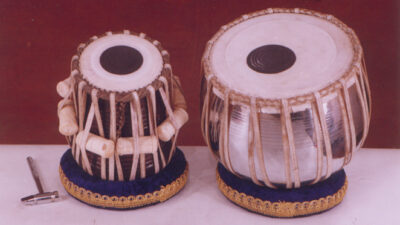
Salil Chowdhury composed the song with extraordinary economy — the melody has almost no ornamental elaboration, moving through the notes of Raag Bhimpalasi (which has an afternoon-introspective quality, with its characteristic komal Ga and Ni) in a way that mirrors the lyric's refusal of complication. The orchestration is stripped to essentials: a flute that breathes the main line, strings that offer only the harmonic minimum, and a tabla that marks time with extreme delicacy. The effect is of a song heard in an empty room at midnight — alone with the question it poses.
काव्य The Poetry
शैलेन्द्र की काव्य-रचना वेदान्तिक संरचना में है — यह 'जीवन एक स्वप्न है' को निष्कर्ष के रूप में नहीं बल्कि प्रारंभिक आधार के रूप में प्रस्तुत करती है, और फिर निहितार्थ निकालती है: अगर सब ख़्वाब है तो सच क्या है? झूठ क्या है? यह प्रश्न फ़िल्म के नायक की चिंता को — एक ऐसे व्यक्ति की जिस पर ग़लत आरोप लगे, जिसने शहर का सबसे बुरा अनुभव किया — एक अनित्य ढाँचे में रखकर विसर्जित कर देता है।
अंग्रेज़ी में पढ़ें · Read in English
Shailendra's lyric is Vedantic in its structure — it does not assert 'life is a dream' as a conclusion but as an opening premise, and then draws out the implications: if all of this is a dream, what is truth? What is falsehood? The question dissolves the anxiety of the film's protagonist — a man who has been wrongly accused, who has experienced the city's worst — by placing his suffering in an impermanent framework. The song is consolation through philosophy, not through sentiment.
कहानी The Story
मुकेश 1950 के दशक में राज कपूर की पसंदीदा गायन-आवाज़ थे — मुकेश के स्वाभाविक स्वर की उदासी राज कपूर की पर्दे पर दिखाई देने वाली नाज़ुकता से मेल खाती थी। सलिल चौधरी के लिए मुकेश के लिए रचना करना एक ऐसी विषादपूर्ण गहराई तक पहुँचने का अवसर था जो कोई अन्य उपलब्ध पुरुष आवाज़ नहीं दे सकती थी।
अंग्रेज़ी में पढ़ें · Read in English
Mukesh was Raj Kapoor's preferred singing voice throughout the 1950s — the sadness in Mukesh's natural timbre matched the vulnerability Kapoor projected on screen. For Salil Chowdhury, composing for Mukesh was an opportunity to access a kind of melancholy depth that no other available male voice could provide. The song was reportedly a difficult recording — Salil wanted a quality of philosophical detachment that is almost impossible to fake, and multiple takes were required before the right balance of acceptance and sorrow was achieved.
विरासत The Legacy
यह गीत हिन्दी फ़िल्म संगीत के पारखियों के लिए एक कसौटी है — यह लगभग हर गंभीर चर्चा में प्रकट होता है। श्याम बेनेगल से विशाल भारद्वाज तक ने इसे इस बात के प्रमाण के रूप में उद्धृत किया है कि हिन्दी फ़िल्म संगीत की 'पलायनवादी' प्रतिष्ठा एक ग़लत पाठ है।
अंग्रेज़ी में पढ़ें · Read in English
The song is a touchstone for connoisseurs of Hindi film music — it appears in virtually every serious discussion of philosophical depth in the form. Filmmakers from Shyam Benegal to Vishal Bhardwaj have cited it as evidence that the 'escapist' reputation of Hindi film music is a misreading; songs like this carry genuine metaphysical weight.
वर्गीकरण
Classification- Tempo
- Slow
Genre
अन्य विवरण
More Details- Wikipedia: Jagte Raho (1956 film)
- Hindi Film Geet Kosh, Vol. 4, Harmandir Singh Hamraaz
- Mukesh biography, various sources
- Salil Chowdhury discography
References
रोचक तथ्य
Margin Notesइस गीत ('ज़िंदगी ख़्वाब है') की दार्शनिक विषयवस्तु अद्वैत वेदांत की माया की अवधारणा — दृश्य जगत की मायावी प्रकृति — को सीधे प्रतिध्वनित करती है, जिससे यह हिंदी फ़िल्म इतिहास के सबसे शास्त्रीय-दार्शनिक गीतों में गिना जाता है।
अंग्रेज़ी में पढ़ें · Read in English
The philosophical content of this song ('Zindagi Khwab Hai') directly echoes the concept of maya in Advaita Vedanta — the illusory nature of the phenomenal world — making it one of the most classical-philosophical songs in Hindi film history.
सलिल चौधरी रवींद्रनाथ टैगोर के गीतों (रवींद्र संगीत) से गहरे प्रभावित थे, जिनमें भी दार्शनिक बोल सादी, अनलंकृत धुन के सहारे आगे बढ़ते हैं।
अंग्रेज़ी में पढ़ें · Read in English
Salil Chowdhury was deeply influenced by the songs of Rabindranath Tagore (Rabindra Sangeet), which share this quality of philosophical lyric carried by spare, unadorned melody.
मुकेश ने साक्षात्कारों में कहा है कि वे इसे अपने सबसे चुनौतीपूर्ण रिकॉर्डिंग में से एक मानते थे — इसमें आवश्यक दार्शनिक तटस्थता किसी भी भावनात्मक उभार से कहीं अधिक कठिन थी।
अंग्रेज़ी में पढ़ें · Read in English
Mukesh has said in interviews that he considered this one of the most demanding songs he ever recorded — the philosophical neutrality required was harder to achieve than any emotional peak.
नमूना-पट्टी
The Specimen Table| शीर्षक | ज़िन्दगी ख़्वाब है · Zindagi Khwab Hai |
|---|---|
| वर्ष · युग | 1956 — Golden Era |
| गायक | Mukesh |
| गीतकार | Shailendra |
| संगीतकार | Salil Chowdhury |
| स्वरूप | एकल पुरुष |
| गति | धीमी |
| अवधि | 3:45 |
| भाषा | Hindi · Urdu |
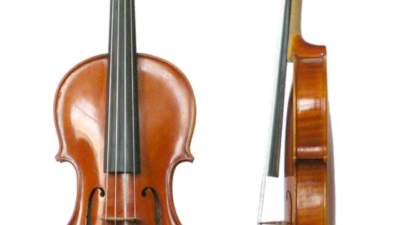
| वाद्य | violin · instrument-flute · tabla |
| भाव | उदास · शांत · दार्शनिक · आध्यात्मिक |
| लोकप्रियता | Popular |
| बोल-स्थिति | केवल झलक |
जुड़े हुए पन्ने
Connected Plates · The Graph Made Visibleअटलस में कोई पन्ना अकेला नहीं — इस गीत से जुड़े गीत, कलाकार, फ़िल्म, राग-ताल-विधा, सब यहाँ से खुलते हैं।
मिलते-जुलते गीत · Related Songs
कलाकार · The Artists
युग · The Era
साझा कीजिए · Share this Plate
यह पन्ना आगे बढ़ाइए
तीन शब्द — ज़िन्दगी ख़्वाब है — और शैलेन्द्र ने वह सब कह दिया जो उपनिषदों ने दस हज़ार में कहा।
Three words — Zindagi Khwab Hai — and Shailendra had said everything the Upanishads said in ten thousand.
— Gulzar
सवाल-जवाब
Questions & Answers'ज़िन्दगी ख़्वाब है' किस दर्शन को व्यक्त करता है? · What philosophy does Zindagi Khwab Hai express?
गीत वेदान्तिक माया की अवधारणा — संसार की भ्रामक प्रकृति — और जीवन को स्वप्न के रूप में देखने के सूफ़ी विचार को व्यक्त करता है। अगर जीवन स्वप्न है तो सत्य-असत्य का भेद अपना परम चरित्र खो देता है।
The song expresses the Vedantic concept of maya — the world as illusion — and the Sufi idea of life as a dream from which we awaken to divine reality. If life is a dream, then distinctions between truth and falsehood lose their absolute character.