गीत विंग · गीत-पट्टिका · Song Plate
जागो मोहन प्यारे जागो
Jago Mohan Pyare Jago
एक आवाज़ जो दीपक बन जाती है — सोए हुए शहर को, सोए हुए देश को, और आपको जगाती है।
भावअविस्मरणीय · उदास · दार्शनिक · आध्यात्मिक
भाषाHindi · Braj गतिधीमी स्वरूपएकल महिला
श्रेय
The Creditsबोल · The Lyrics
बोल — झलक · Lyrics Preview
चोर चले घर से प्यारे जागो
बाहर कौन है, कौन कहाँ है
जागो मोहन प्यारे जागो
Chor Chale Ghar Se Pyare Jago
Bahar Kaun Hai, Kaun Kahan Hai
Jago Mohan Pyare Jago
कॉपीराइट के कारण केवल झलक — पूरे बोल आधिकारिक मंचों पर।
शब्दकोश
Word Meaningsसूत्र-वाक्य · The Hook
सूत्र-वाक्य
एक आवाज़ जो दीपक बन जाती है — सोए हुए शहर को, सोए हुए देश को, और आपको जगाती है।
In EnglishA voice so pure it becomes a lantern — calling a sleeping city, calling a sleeping country, calling you.
पट्टिका-लेख
The Monographपरिचय Overview
सन् 1956 में राज कपूर की आर.के. फ़िल्म्स द्वारा निर्मित और शम्भु मित्रा तथा अमित मैत्रा द्वारा निर्देशित फ़िल्म 'जागते रहो' का यह गीत हिन्दी फ़िल्म संगीत के स्वर्णिम युग की एक अतुलनीय उपलब्धि है। लता मंगेशकर की विरल-शुद्ध, वेदना से भरी आवाज़ में गाया गया, सलिल चौधरी के राग भैरवी और बंगाल की लोक-धुन से सिंचित संगीत में ढला, और शैलेन्द्र के दोहरे अर्थ वाले शब्दों में पिरोया गया यह गीत फ़िल्म की नैतिक रीढ़ है। आधी रात, एक शहर की सड़क पर, गाँव से आया प्यासा मनुष्य (राज कपूर) दर-दर पानी माँगता फिरता है — यह दृश्य नव-स्वतंत्र भारत की उस व्यथा का रूपक बन जाता है जहाँ समाज अपने ही आदर्शों को नींद में भुला देता है। एच.एम.वी. लेबल पर प्रकाशित इस गीत ने 1957 का फ़िल्मफ़ेयर पुरस्कार जीता और सात दशक बाद भी यह हिन्दी भाषा के सर्वाधिक गूँजने वाले गीतों में से एक है।
अंग्रेज़ी में पढ़ें · Read in English
"Jago Mohan Pyare Jago" from Jagte Raho (1956), directed by Shombhu Mitra and Amit Maitra and produced under Raj Kapoor's RK Films, is one of the supreme achievements of the Golden Era of Hindi film music. Sung by Lata Mangeshkar in a voice of uncommon purity and ache, composed by Salil Chowdhury in a melody rooted in Raag Bhairavi and shot through with Bengal folk sensibility, and written by Shailendra in words of elegant double-meaning, the song serves as the moral spine of the film. The setting — midnight, a city street, a village man (Raj Kapoor) going from door to door seeking water — becomes an allegory for a newly independent nation sleepwalking past its own ideals. Released on the HMV label, the song won the Filmfare Award for Best Female Playback Singer in 1957 and remains, seventy years on, among the most resonant songs ever recorded in the Hindi language.
संगीत The Music
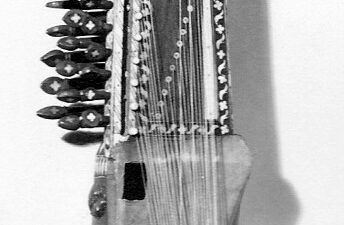
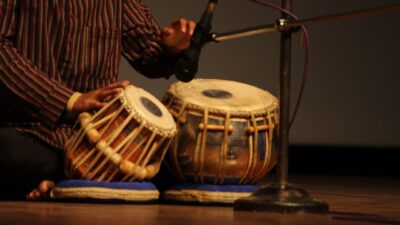
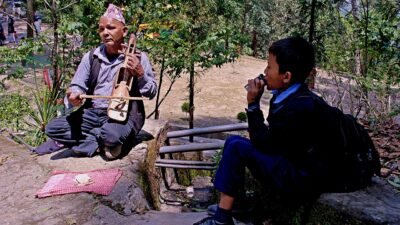
सलिल चौधरी 'जागते रहो' में अपनी विशिष्ट शैली लेकर आए — यूरोपीय क्लासिकल काउंटरपॉइंट और बंगाल की लोक-धुनों का वह अद्भुत संगम जो उन्हें अपने समकालीनों से अलग करता था। 'जागो मोहन प्यारे' राग भैरवी की उस विस्तृत, चिंतन-भरी छाया में रची है — कोमल धैवत और कोमल निषाद के साथ — जो विदाई और भोर की अनुभूति देती है। वाद्यों की संयोजना जानबूझकर विरल है: सारंगी धुन को थामती है, तबला मंद कहरवे में चलता है, और तारवाद्य केवल मुखड़े की लहर पर प्रवेश करते हैं। लता की गायकी में कोई अलंकार नहीं, कोई प्रदर्शन नहीं — हर पंक्ति एक खुले प्रश्न की तरह रात में लटकी रह जाती है। सलिल आईपीटीए से जुड़े थे और इस गीत की मार्क्सवादी-मानवतावादी राजनीति उसके स्वरों में भी समाई है — कोमल स्वर सजावट नहीं, तर्क हैं।
अंग्रेज़ी में पढ़ें · Read in English
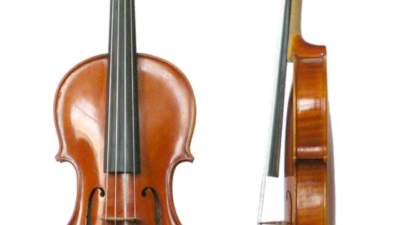
Salil Chowdhury brought to Jagte Raho his distinctive fusion of European classical counterpoint and Bengal folk melody, and nowhere is this more beautifully realised than in 'Jago Mohan Pyare.' The composition moves in the broad contemplative space of Raag Bhairavi — that most beloved of the dawn and farewell raags — with a komal (flattened) Dha and Ni that carry an ache of impermanence. The orchestration is deliberately sparse: a sarangi holds the melodic line, tabla marks a gentle keherwa, and the strings enter only on the refrain's swell. Lata Mangeshkar sings with extraordinary restraint — no ornamental flourishes, no display — the phrasing open as a question, hanging in the night air. The melody circles back without resolution, mirroring the film's own narrative of an unheard plea. Salil was a member of IPTA (Indian People's Theatre Association) and the Marxist-humanist politics of the song are embedded in its very intervals — the anguished komal notes are not decoration but argument.
काव्य The Poetry
शैलेन्द्र की यह रचना अपनी द्विअर्थता में एक अद्भुत काव्य-कौशल है। 'जागो मोहन प्यारे' से यशोदा द्वारा बाल-कृष्ण को जगाने की वह भक्ति-भावना जागती है जो हर हिन्दी श्रोता के भीतर बसी है। किन्तु शैलेन्द्र तत्काल उस आश्वासन को तोड़ देते हैं — 'चोर चले घर से' — चोर घर में घुस आए हैं। पवित्र और राजनैतिक एक ही साँस में टकराते हैं। यह पुकार उस ईश्वर को है जो सोया है जबकि अन्धेरी सड़कों पर अन्याय चल रहा है। यह नारों वाला विरोध नहीं — लोरी को उलट देने का वह सूक्ष्म, अधिक घातक माध्यम है जो सुलाने के लिए नहीं, जगाने के लिए बना है।
अंग्रेज़ी में पढ़ें · Read in English
Shailendra's lyric is an act of genius in its ambiguity. 'Jago Mohan Pyare' invokes the child-Krishna being woken by Yashoda — a devotional image every Hindi listener carries in their body. But Shailendra immediately ruptures that comfort: 'Chor chale ghar se' — thieves have entered the house. The sacred and the political collide in a single breath. The cry is addressed to a god who sleeps while injustice moves through the dark streets. This is not protest through slogans but through the subtler, more devastating medium of a lullaby inverted — a song to wake, not to sleep.
कहानी The Story
फ़िल्म 'जागते रहो' का सह-निर्देशन प्रसिद्ध बंगाली रंगमंच निर्देशक शम्भु मित्रा ने किया था — मुख्यधारा हिन्दी सिनेमा में गंभीर रंगमंच-शिल्प का यह एक दुर्लभ प्रयोग था। फ़िल्म की कल्पना — एक गाँव का प्यासा आदमी रात भर कलकत्ता की इमारतों में पानी ढूँढता फिरता है जबकि निवासी उसे चोर समझते हैं — एक कड़वी सामाजिक दन्तकथा थी। राज कपूर ने इसे अपनी पिछली लोकरंजक फ़िल्मों के जानबूझकर विपरीत एक कथन के रूप में बनाया। 'दो बीघा ज़मीन' (1953) से ख्यात सलिल चौधरी ने अपनी आईपीटीए संवेदना के साथ संगीत दिया। लता मंगेशकर ने बताया है कि इस गीत की रिकॉर्डिंग असाधारण रूप से भावपूर्ण थी — सलिल बहुत सूक्ष्म थे, और वे जो 'रिज़ाइन्ड लॉन्गिंग' (हताश लालसा) चाहते थे उसके लिए कई बार रिकॉर्डिंग हुई। गीत फ़िल्म के भावनात्मक चरमोत्कर्ष पर रखा गया है — एक स्त्री (नरगिस) अन्ततः उस भटकते मनुष्य को वह देती है जो पूरे शहर ने नकारा: पानी, और मनुष्य की पहचान।
अंग्रेज़ी में पढ़ें · Read in English
The film Jagte Raho (Stay Awake) was co-directed by the legendary Bengali theatre director Shombhu Mitra — a rare instance of serious theatrical craft entering mainstream Hindi cinema. The film's premise — a village man wandering Calcutta's apartment buildings all night, desperately seeking water, while residents mistake him for a thief — was a bleak social fable. Raj Kapoor produced it as a deliberate counterpoint to his previous populist entertainments. Salil Chowdhury, then known primarily for Do Bigha Zamin (1953), composed the music, bringing his IPTA sensibility intact. Lata Mangeshkar has recalled that recording the song was an unusually charged session — Salil was meticulous, requiring many takes to achieve the exact quality of resigned longing he was seeking. The song was placed at the film's emotional climax, sung by a woman (Nargis) who finally offers the wanderer what the whole city denied him: water, and human recognition.
विरासत The Legacy
इस गीत ने 1957 में लता मंगेशकर के लिए फ़िल्मफ़ेयर का सर्वश्रेष्ठ पार्श्वगायिका पुरस्कार जीता। किन्तु इसकी विरासत पुरस्कारों से बहुत आगे जाती है। 'जागो मोहन प्यारे' सात दशकों में राजनैतिक रैलियों, स्वतंत्रता दिवस के प्रसारणों और सामाजिक अभियानों में गूँजता रहा है — उसका भक्ति-आवरण उसे ऐसे संदर्भों तक पहुँचाता है जहाँ एक सीधा-सादा राजनैतिक गीत नहीं पहुँच पाता। श्याम बेनेगल की हिन्दी फ़िल्म संगीत पर बनी डॉक्यूमेंट्री में इसे विशेष स्थान मिला। गुलज़ार से ए.आर. रहमान तक ने इसे इस बात के उदाहरण के रूप में उद्धृत किया है कि जब व्यावसायिकता और अंतरात्मा एक साथ चलती हैं तो हिन्दी फ़िल्म संगीत क्या हासिल कर सकता है। यह गीत आईपीटीए के उस स्वप्न की सबसे पूर्ण अभिव्यक्ति है — जन-मनोरंजन का एक माध्यम जो वास्तविक मानवतावादी भार वहन करे।
अंग्रेज़ी में पढ़ें · Read in English
The song won the 1957 Filmfare Award for Best Female Playback Singer for Lata Mangeshkar. But its legacy extends far beyond the award circuit. 'Jago Mohan Pyare' has been used in political rallies, independence day broadcasts, and social campaigns across seven decades — its devotional clothing giving it access to contexts that a more overtly political song might not have. It was featured prominently in Shyam Benegal's documentary on Hindi film music and has been cited by composers from Gulzar to A.R. Rahman as a defining example of what Hindi film music can achieve when commerce and conscience align. The song represents the fullest realisation of IPTA's dream: a mass entertainment form that carried genuine humanist weight.
वर्गीकरण
Classification- Tempo
- Slow
Genre
अन्य विवरण
More Details- Wikipedia: Jagte Raho (1956 film)
- Filmfare Awards history — 1957 ceremony
- Salil Chowdhury biography, Sangeet Natak Akademi
- Lata Mangeshkar: The Queen of Melody, Raju Bharatan, 1995
- Hindi Film Geet Kosh, Vol. 4 (1956), Harmandir Singh Hamraaz
References
रोचक तथ्य
Margin Notesफ़िल्म 'जागते रहो' को 1957 के कान फ़िल्म समारोह के लिए भारत की आधिकारिक प्रविष्टि के रूप में भेजा गया था।
अंग्रेज़ी में पढ़ें · Read in English
The film Jagte Raho was entered as India's official submission for the 1957 Cannes Film Festival.
सह-निर्देशक शंभु मित्र, कलकत्ता के 'बहुरूपी' रंगमंच समूह के संस्थापकों में से एक थे — उनकी रंगमंचीय संवेदनशीलता फ़िल्म की नाट्यात्मक, अभिव्यंजनावादी रचनाओं में स्पष्ट झलकती है।
अंग्रेज़ी में पढ़ें · Read in English
Co-director Shombhu Mitra was one of the founders of the Bohurupee theatre group in Calcutta — his theatrical sensibility is visible in the stagey, expressionistic compositions of the film.
सलिल चौधरी भारतीय कम्युनिस्ट पार्टी और इप्टा के सदस्य थे; इस सामाजिक टिप्पणी के लिए विदाई और विलय के राग भैरवी को चुनने में उनकी राजनीतिक प्रतिबद्धता सीधे झलकती है।
अंग्रेज़ी में पढ़ें · Read in English
Salil Chowdhury was a member of the Communist Party of India and the IPTA; his political convictions are directly embedded in the choice to use Bhairavi — the raag of farewell and dissolution — for this social critique.
यह गीत अपनी बनावट में एक 'विपरीत लोरी' के रूप में मशहूर है: यह भजन या प्रभातिया (भोर जगाने वाला गीत) की संरचना लेकर उसे आधी रात की चेतावनी-पुकार में बदल देता है।
अंग्रेज़ी में पढ़ें · Read in English
The song is famously an anti-lullaby: it takes the structure of a bhajan or prabhatiya (dawn awakening song) and turns it into a midnight alarm cry.
लता मंगेशकर ने साक्षात्कारों में कहा है कि वे इस गीत को अपने करियर की तीन-चार सबसे महत्वपूर्ण रिकॉर्डिंग्स में गिनती हैं।
अंग्रेज़ी में पढ़ें · Read in English
Lata Mangeshkar has said in interviews that she considered this song among the three or four most important recordings of her career.
पुरस्कार
The Honoursनमूना-पट्टी
The Specimen Table| शीर्षक | जागो मोहन प्यारे जागो · Jago Mohan Pyare Jago |
|---|---|
| वर्ष · युग | 1956 — Golden Era |
| गायक | Lata Mangeshkar |
| गीतकार | Shailendra |
| संगीतकार | Salil Chowdhury |
| स्वरूप | एकल महिला |
| गति | धीमी |
| अवधि | 4:12 |
| भाषा | Hindi · Braj |
| वाद्य | sarangi · tabla · harmonium · violin |
| भाव | अविस्मरणीय · उदास · दार्शनिक · आध्यात्मिक |
| लोकप्रियता | Legendary |
| बोल-स्थिति | केवल झलक |
जुड़े हुए पन्ने
Connected Plates · The Graph Made Visibleअटलस में कोई पन्ना अकेला नहीं — इस गीत से जुड़े गीत, कलाकार, फ़िल्म, राग-ताल-विधा, सब यहाँ से खुलते हैं।
मिलते-जुलते गीत · Related Songs
कलाकार · The Artists
युग · The Era
साझा कीजिए · Share this Plate
यह पन्ना आगे बढ़ाइए
सलिल इस गीत में वह सब लाए जो आईपीटीए ने सपने में देखा था — एक धुन इतनी सुंदर कि राजनीति सारी सुरक्षा-दीवारें तोड़कर भीतर उतर जाए।
Salil brought to this song everything the IPTA dreamed of — a melody so beautiful the politics slips past all defences.
— Gulzar, in conversation, 2003
सवाल-जवाब
Questions & Answers'जागो मोहन प्यारे' का अर्थ क्या है? · What does 'Jago Mohan Pyare' mean?
शाब्दिक अर्थ है 'जागो प्रिय मोहन' — कृष्ण को सम्बोधित करते हुए (मोहन कृष्ण का नाम है)। किन्तु शैलेन्द्र इसे दोहरे रूपक में प्रयोग करते हैं: एक सोए हुए ईश्वर को जगाना और नव-स्वतंत्र भारत की सोई अंतरात्मा को जगाना।
It literally means 'Wake up, dear Mohan' — addressing Krishna (Mohan is one of Krishna's names). But Shailendra uses it as a double metaphor: waking up a sleeping god and waking up the conscience of a sleepwalking post-independence India.
यह गीत किस फ़िल्म से है? · Which film is this song from?
यह गीत 'जागते रहो' (1956) से है — राज कपूर की आर.के. फ़िल्म्स द्वारा निर्मित और बंगाली रंगमंच निर्देशक शम्भु मित्रा व अमित मैत्रा द्वारा सह-निर्देशित एक सामाजिक चेतना की फ़िल्म।
It is from Jagte Raho (1956), a socially conscious Hindi film produced by Raj Kapoor's RK Films and co-directed by Bengali theatre director Shombhu Mitra and Amit Maitra.
जागते रहो का संगीत किसने दिया? · Who composed the music for Jagte Raho?
संगीत सलिल चौधरी ने दिया, जो अपनी आईपीटीए पृष्ठभूमि और यूरोपीय काउंटरपॉइंट के प्रेम के साथ एक ऐसा संगीत लेकर आए जो 1950 के दशक के हिन्दी सिनेमा में अन्यत्र नहीं मिलता।
Salil Chowdhury composed the music, bringing his IPTA background and love of European counterpoint to create a soundtrack unlike anything else in 1950s Hindi cinema.
क्या इस गीत को कोई पुरस्कार मिला? · Did this song win any award?
हाँ। लता मंगेशकर को इस गीत के लिए 1957 का फ़िल्मफ़ेयर सर्वश्रेष्ठ पार्श्वगायिका पुरस्कार मिला। फ़िल्म 'जागते रहो' को भी कान फ़िल्म महोत्सव के लिए भारत की आधिकारिक प्रविष्टि के रूप में भेजा गया था।
Yes. Lata Mangeshkar won the 1957 Filmfare Award for Best Female Playback Singer for this song. The film Jagte Raho was also India's official submission to the Cannes Film Festival.
क्या 'जागो मोहन प्यारे' भक्ति गीत है या विरोध गीत? · Is Jago Mohan Pyare a devotional song or a protest song?
यह एक साथ दोनों है — और यही इसकी प्रतिभा है। बाहरी रूप में यह कृष्ण को सम्बोधित एक प्रभातिया या भजन है। किन्तु शैलेन्द्र और सलिल चौधरी इसमें तीखी सामाजिक आलोचना छुपाते हैं: घर में चोर, सोया शहर, अनसुनी पुकार — सब स्वातंत्र्योत्तर मोहभंग के रूपक हैं।
It is both simultaneously — that is its genius. The surface form is a prabhatiya or dawn-awakening bhajan addressed to Krishna. But Shailendra and Salil Chowdhury embed a sharp social critique within it: the thieves in the house, the sleeping city, the unheard voice — all allegorise post-independence disillusionment.