गीत विंग · गीत-पट्टिका · Song Plate
मोहे भूल गए साँवरिया
Mohe Bhool Gaye Saawariya
एक गीत, दो बेवफ़ाइयाँ — एक इंसान ने भुलाया, एक साँवरे ने; पर दर्द एक ही है, और नैना वही निर्दई।
भावभक्ति · अविस्मरणीय · उदास
भाषाBraj · Hindi · Urdu गतिधीमी स्वरूपएकल महिला
श्रेय
The Creditsबोल · The Lyrics
बोल — झलक · Lyrics Preview
तोरे नैना निर्दई, तोरे नैना निर्दई
tore naina nirdayi, tore naina nirdayi
कॉपीराइट के कारण केवल झलक — पूरे बोल आधिकारिक मंचों पर।
शब्दकोश
Word Meaningsसूत्र-वाक्य · The Hook
सूत्र-वाक्य
एक गीत, दो बेवफ़ाइयाँ — एक इंसान ने भुलाया, एक साँवरे ने; पर दर्द एक ही है, और नैना वही निर्दई।
In EnglishOne song, two betrayals: a woman abandoned by a man, and a devotee forsaken by her god — the same anguish, the same merciless eyes.
पट्टिका-लेख
The Monographपरिचय Overview
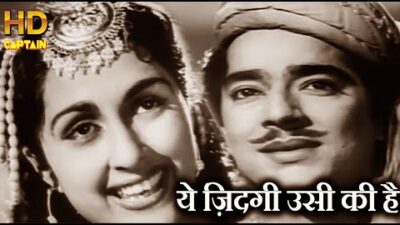
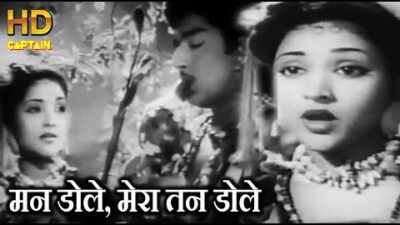
"मोहे भूल गए साँवरिया" — अमर (1954) में नौशाद की ठुमरी परंपरा की सबसे यादगार रचना। यहाँ एक ही गीत में दो स्तर हैं: एक ओर वह स्त्री जो अपने बेवफ़ा प्रियतम को उलाहना दे रही है, और दूसरी ओर वह विरहिणी जो कृष्ण को — 'साँवरिया' को — पुकार रही है। लता मंगेशकर ने अभिनेत्री निम्मी के लिए पार्श्वगान किया। शकील बदायूँनी के ब्रज-रंगे उर्दू बोल इस गीत को काव्य के उस उच्च स्तर पर ले जाते हैं जहाँ शिकायत और भक्ति एक हो जाती है। राग भैरवी और दादरा की लय में, सदियों पुरानी ठुमरी परंपरा एक आधुनिक फ़िल्म की कथा में जीवंत हो उठती है। यह स्वर्णिम युग की सबसे भावाकुल रचनाओं में से एक है।
अंग्रेज़ी में पढ़ें · Read in English
"Mohe Bhool Gaye Saawariya" from Amar (1954) is Naushad Ali's most celebrated composition in the thumri idiom — a song that simultaneously addresses a faithless mortal lover and the divine Krishna, the eternal deserter of the virahini. Sung by Lata Mangeshkar for actress Nimmi in Mehboob Khan's morally complex film, with Shakeel Badayuni's Braj-inflected Urdu poetry, the song operates on two planes at once: the earthly drama of a woman abandoned and the devotional tradition of the nayika yearning for her absent god. Set in Raag Bhairavi and Dadra taal, the composition draws on centuries of North Indian thumri tradition while embedding it in a contemporary film narrative. It remains one of the most emotionally resonant recordings of the Golden Era.
संगीत The Music
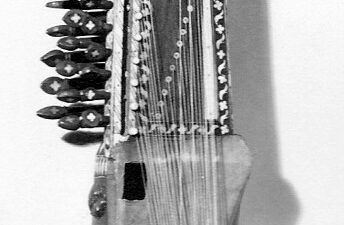
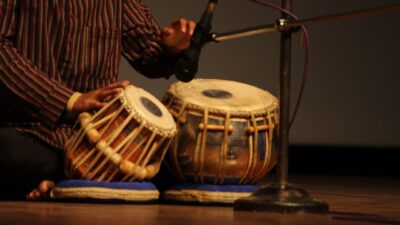
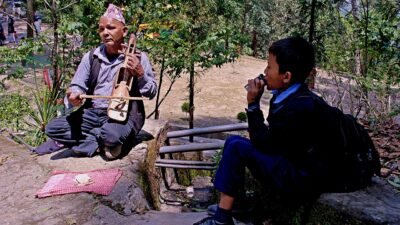
नौशाद अली शास्त्रीय रागों को फ़िल्मी गीतों में इस तरह बुनते थे कि राग का विस्तार हो, सिकुड़न नहीं। 'मोहे भूल गए साँवरिया' भैरवी में है — विदाई का, भोर की प्रार्थना का, भक्ति-विरह का राग — हिंदुस्तानी संगीत में सबसे भाव-गर्भित राग। दादरा की छह-मात्री लय एक हल्की-सी झोंक देती है, जैसे अकेले बैठी कोई स्त्री दु:ख में धीरे-धीरे झूल रही हो। नौशाद ने सारंगी और सितार को आगे रखा — वे वाद्य जो मानव-कंठ की भावभंगिमाओं के सबसे निकट हैं। बेला पश्चिमी उदासी की एक परत चढ़ाती है। लता की मींड — एक स्वर से दूसरे पर फ़िसलना — अद्भुत है: शब्द टूटकर शुद्ध भाव बन जाते हैं। बार-बार सुनने पर नई सजावट मिलती है।
अंग्रेज़ी में पढ़ें · Read in English
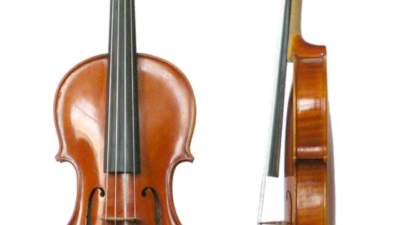
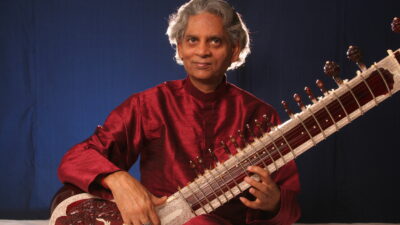
Naushad Ali was the master of weaving classical raags into film songs in a way that enlarged rather than simplified them. 'Mohe Bhool Gaye Saawariya' is set in Raag Bhairavi — the raag of parting, of early morning farewells, and of devotional yearning — the most emotionally charged raag in Hindustani music. The Dadra taal (6 beats) gives the song a gentle, rocking quality — the motion of someone sitting alone, swaying slightly with grief. Naushad builds the orchestration around the sarangi and sitar, the classical instruments that most closely mirror the human voice in its inflections of emotion, with the violin providing a Western cushion of sadness. Lata Mangeshkar's execution of the meend — the slides between notes — is particularly remarkable, conveying the collapse of words into pure feeling. The composition rewards multiple hearings, revealing new ornamental details each time.
काव्य The Poetry
शकील बदायूँनी यहाँ अपनी सबसे शास्त्रीय मनोदशा में हैं — ब्रज-प्रभावित भाषा में जो उन्हें हिंदी कविता की उस पुरानी परंपरा से जोड़ती है जिसमें विरहिणी नायिका अपने साँवरे को पुकारती है। 'साँवरिया' संबोधन ही कमाल है — यह एक साथ मनुष्य-प्रेमी को और कृष्ण को बुलाता है। 'तोरे नैना निर्दई' — आरोप ठीक जगह धरा है: उन आँखों पर जिन्होंने वादा किया था। शकील की संयमित भाषा दर्द को और गहरा बनाती है। जो कहा नहीं वह कहे से ज़्यादा बोलता है।
अंग्रेज़ी में पढ़ें · Read in English
Shakeel Badayuni is at his most classically grounded here, writing in a Braj-influenced idiom that connects the song to the centuries-old tradition of the virahini's lament in Hindi poetry. The address 'saawariya' is a stroke of genius — it invokes both the earthly dark-complexioned beloved and Krishna, the supremely faithless beloved of the Braj tradition who is forever departing, forever sought. 'Tore naina nirdayi' (your eyes are merciless) places the accusation precisely: it is those promising eyes — eyes that gave hope — that are to blame. Shakeel never overdoes it; the restraint of the language amplifies the depth of the pain.
कहानी The Story
अमर (1954) महबूब ख़ान की सबसे महत्वाकांक्षी और साहसिक फ़िल्मों में से एक थी — एक नैतिक नाटक जिसमें नायक (दिलीप कुमार) एक ग्रामीण स्त्री (निम्मी) के साथ अन्याय करता है और फिर उसके परिणाम झेलता है। इस अंधेरी विषय-वस्तु ने नौशाद के संगीत को एक विशेष तनाव दिया। 'मोहे भूल गए साँवरिया' निम्मी के किरदार के लिए बनाया गया — एक ऐसी स्त्री जिसे न्याय नहीं मिला। नौशाद ने जानबूझकर इसे भैरवी और ठुमरी में रखा: उन्होंने उसकी व्यक्तिगत त्रासदी को स्त्री-विरह की सदियों पुरानी सांस्कृतिक परंपरा से जोड़ दिया। महबूब ख़ान पूर्वाभ्यास में पहली बार यह गीत सुनकर भावुक हो गए थे।
अंग्रेज़ी में पढ़ें · Read in English
Amar (1954) was one of Mehboob Khan's most ambitious and controversial films — a moral drama where the protagonist (Dilip Kumar) commits an act of coercion against a village woman (Nimmi) and must live with the consequences. This thematic darkness gave Naushad's music a particular urgency. 'Mohe Bhool Gaye Saawariya' was composed for Nimmi's character — a woman wronged and then abandoned — and Naushad's decision to set it in Bhairavi and thumri form was deliberate: it plugged her personal tragedy into a timeless cultural vocabulary of female abandonment and grief. Mehboob Khan is said to have been moved to tears when he first heard the song in rehearsal. The film, despite its complex moral territory, became a box office success.
विरासत The Legacy
'मोहे भूल गए साँवरिया' को नौशाद की श्रेष्ठतम रचनाओं और लता मंगेशकर के सबसे भावगर्भित गायन में गिना जाता है। स्वर्णिम युग के महानतम गीतों की सूची में यह नियमित है। संगीत-विद्वान इसे एक आदर्श उदाहरण मानते हैं कि कैसे एक फ़िल्मी गीत सदियों पुरानी काव्य-परंपरा का पूरा बोझ उठा सकता है बिना शास्त्रीय नीरसता के। नौशाद खुद भैरवी को अपना सबसे प्रिय कैनवास कहते थे और यह गीत उसका जीवंत प्रमाण है। श्रद्धांजलि महफ़िलों और शास्त्रीय प्रदर्शनों में इसे आज भी सुना जाता है।
अंग्रेज़ी में पढ़ें · Read in English
"Mohe Bhool Gaye Saawariya" is widely considered one of Naushad's finest compositions and one of Lata Mangeshkar's most emotionally deep recordings. It regularly features in lists of the greatest songs of the Golden Era and in retrospectives of classical-influenced film music. Music scholars cite it as a perfect example of how a film song can carry the entire weight of a centuries-old poetic tradition without becoming academic. Naushad himself referred to the Bhairavi raag as his favourite canvas, and this song is exhibit A of why. The song has been sung in tribute concerts, in academic music programs, and by classical artists as a demonstration of film music's potential for classical depth.
वर्गीकरण
Classification- Tempo
- Slow
Genre
अन्य विवरण
More Details- Wikipedia: Amar (1954 film) — https://en.wikipedia.org/wiki/Amar_(1954_film)
- Wikipedia: Naushad — https://en.wikipedia.org/wiki/Naushad
- Wikipedia: Shakeel Badayuni — https://en.wikipedia.org/wiki/Shakeel_Badayuni
- Hindi Film Geet Kosh, Vol. 3 (1951-1960), Harmandir Singh 'Hamraaz'
- Wikipedia: Mehboob Khan — https://en.wikipedia.org/wiki/Mehboob_Khan
References
रोचक तथ्य
Margin Notesनौशाद अली ने अपनी कुछ सबसे भावनात्मक रूप से गहन रचनाओं के लिए राग भैरवी का इस्तेमाल किया; उनका मानना था कि इसमें शोक और भक्ति-भरी तड़प — दोनों को एक साथ व्यक्त करने की अनूठी शक्ति है।
अंग्रेज़ी में पढ़ें · Read in English
Naushad Ali used Raag Bhairavi for some of his most emotionally intense compositions, believing it had a unique power to convey grief and devotional longing simultaneously.
मेहबूब ख़ान की अमर (1954) अपने समय के लिहाज़ से असामान्य थी क्योंकि इसमें एक ऐसा पुरुष नायक दिखाया गया जो एक गंभीर नैतिक अपराध करता है — मुख्यधारा के हिंदी सिनेमा में ऐसी नैतिक जटिलता दुर्लभ थी।
अंग्रेज़ी में पढ़ें · Read in English
Mehboob Khan's Amar (1954) was unusual for its time in presenting a male protagonist who commits a serious moral transgression — such moral complexity was rare in mainstream Hindi cinema.
शक़ील बदायूँनी कई शैलियों में लिखते थे — भव्य क़व्वालियों से लेकर आत्मीय ठुमरियों तक — और यह गीत ब्रज-उर्दू के मिश्रण पर उनकी महारत दिखाता है, जिसने उत्तर भारतीय संगीत-काव्य को शक्ति दी।
अंग्रेज़ी में पढ़ें · Read in English
Shakeel Badayuni wrote in multiple registers — from grand qawwalis to intimate thumris — and this song shows his mastery of the Braj-Urdu hybrid that powered North Indian musical poetry.
अभिनेत्री निम्मी गाँव की महिलाओं और ग्रामीण नायिकाओं की भूमिकाओं के लिए जानी जाती थीं — उनकी शारीरिक अभिव्यक्तिशीलता उन्हें इस गीत के साथ आए मूक शोक के लिए आदर्श बनाती थी।
अंग्रेज़ी में पढ़ें · Read in English
Nimmi (the actress) was known for her roles as village women and rural heroines — her physical expressiveness made her ideal for the wordless grief that this song accompanied.
यहाँ इस्तेमाल हुआ दादरा ताल वही 6-मात्रा का चक्र है जो कोठा (तवायफ़) परंपरा से जुड़ा है, जो गीत के विषयों में सांस्कृतिक प्रतिध्वनि की एक अतिरिक्त परत जोड़ता है।
अंग्रेज़ी में पढ़ें · Read in English
The Dadra taal used here is the same 6-beat cycle associated with the kotha (courtesan) tradition, adding an additional layer of cultural resonance to the song's themes.
नमूना-पट्टी
The Specimen Table| शीर्षक | मोहे भूल गए साँवरिया · Mohe Bhool Gaye Saawariya |
|---|---|
| वर्ष · युग | 1954 — Golden Era |
| गायक | Lata Mangeshkar |
| गीतकार | Shakeel Badayuni |
| संगीतकार | Naushad |
| स्वरूप | एकल महिला |
| गति | धीमी |
| अवधि | 4:10 |
| भाषा | Braj · Hindi · Urdu |
| वाद्य | sarangi · tabla · harmonium · violin · sitar |
| भाव | भक्ति · अविस्मरणीय · उदास |
| लोकप्रियता | Very_popular |
| बोल-स्थिति | केवल झलक |
जुड़े हुए पन्ने
Connected Plates · The Graph Made Visibleअटलस में कोई पन्ना अकेला नहीं — इस गीत से जुड़े गीत, कलाकार, फ़िल्म, राग-ताल-विधा, सब यहाँ से खुलते हैं।
मिलते-जुलते गीत · Related Songs
कलाकार · The Artists
युग · The Era
साझा कीजिए · Share this Plate
यह पन्ना आगे बढ़ाइए
मोहे भूल गए साँवरिया — उन सब के लिए जिन्होंने कभी किसी ऐसे चेहरे को क्षितिज पर ढूँढा जो कभी नहीं लौटा।
Mohe bhool gaye saawariya — you forgot me, dark one — a line that belongs to every woman who ever searched the horizon for a face that never returned.
— Shakeel Badayuni, Amar (1954)
सवाल-जवाब
Questions & Answers'मोहे भूल गए साँवरिया' किस फ़िल्म का गीत है? · Which film is 'Mohe Bhool Gaye Saawariya' from?
यह गीत महबूब ख़ान की फ़िल्म अमर (1954) से है, जिसमें दिलीप कुमार, मधुबाला और निम्मी थीं। संगीत नौशाद ने दिया।
It is from Amar (1954), directed by Mehboob Khan and starring Dilip Kumar, Madhubala, and Nimmi. The music was composed by Naushad.
यह गीत किस राग पर आधारित है? · What raag is 'Mohe Bhool Gaye Saawariya' based on?
यह गीत राग भैरवी पर आधारित है — विदाई, भोर और भक्ति-विरह का राग। नौशाद गहरी भावनाओं के लिए भैरवी को सबसे उपयुक्त मानते थे।
The song is set in Raag Bhairavi, the raag traditionally associated with parting, early morning, and devotional longing — Naushad's favourite raag for expressing deep emotion.
'साँवरिया' का अर्थ क्या है? · What does 'saawariya' mean?
'साँवरिया' का शाब्दिक अर्थ है 'साँवले रंग वाले' — यह ब्रज परंपरा में श्रीकृष्ण का लाड-भरा संबोधन है। इस गीत में यह शब्द एक ही समय में मनुष्य-प्रियतम और दिव्य कृष्ण दोनों को पुकारता है।
'Saawariya' literally means 'the dark-complexioned one' and is a term of endearment for Krishna in the Braj devotional tradition. In this song it addresses both a human beloved and the divine Krishna simultaneously.
इस गीत को ठुमरी क्यों कहा जाता है? · Why is this song considered a thumri?
इसमें ब्रजभाषा-मिश्रित उर्दू, भैरवी राग, दादरा ताल और विरहिणी का भाव है — ठुमरी की पहचान। नौशाद जानबूझकर फ़िल्मी गीतों को शास्त्रीय परंपराओं से जोड़ते थे।
It uses the Braj-influenced Urdu language, Raag Bhairavi, Dadra taal, and the emotional register of the virahini (woman in separation) that are hallmarks of the thumri tradition. Naushad consciously embedded film songs in classical genres.