गीत विंग · गीत-पट्टिका · Song Plate
ओ गाड़ी वाले गाड़ी धीरे हाँक रे
O Gaadi Wale Gaadi Dheere Haank Re
एक दुल्हन बैलगाड़ी पर बैठी गाड़ीवान से धीरे चलाने की विनती करती है — और सत्तर साल बाद भी हम चाहते हैं कि वह रुके।
भावपुरानी यादें · शांत · चुलबुला
भाषाHindi · Bhojpuri traces · Braj गतिमध्यम स्वरूपएकल महिला
श्रेय
The Creditsबोल · The Lyrics
बोल — झलक · Lyrics Preview
मेरा घर था राह में गाड़ी धीरे हाँक रे
Mera ghar tha raah mein gaadi dheere haank re
कॉपीराइट के कारण केवल झलक — पूरे बोल आधिकारिक मंचों पर।
शब्दकोश
Word Meaningsसूत्र-वाक्य · The Hook
सूत्र-वाक्य
एक दुल्हन बैलगाड़ी पर बैठी गाड़ीवान से धीरे चलाने की विनती करती है — और सत्तर साल बाद भी हम चाहते हैं कि वह रुके।
In EnglishA bride on a bullock cart asks the driver to slow down — and seventy years later, we still want him to.
पट्टिका-लेख
The Monographपरिचय Overview
'मदर इंडिया' (1957) का यह कम चर्चित लेकिन बहुत ख़ूबसूरत गाना शमशाद बेगम को उनके सबसे मिट्टी-गंध, जीवंत रूप में दिखाता है। नौशाद ने एक लोकगीत ढाँचा इतने प्रामाणिक तरीके से बनाया कि श्रोताओं ने कभी-कभी इसे वास्तविक क्षेत्रीय लोकगीत समझ लिया। शकील बदायूँनी ने एक उत्तर भारतीय दुल्हन की आवाज़ में लिखा — गाड़ी वाले से धीरे चलाने की विनती क्योंकि वह अपने बचपन के घर के पास से गुज़र रही है। HMV पर जारी यह गाना 'मदर इंडिया' के प्रमुख गानों से कम उद्धृत किया जाता है लेकिन लोकशैली के प्रेमियों में प्रिय है।
अंग्रेज़ी में पढ़ें · Read in English
An obscure gem from Mother India (1957) that deserves far wider recognition, 'O Gaadi Wale Gaadi Dheere Haank Re' is Shamshad Begum at her most earthy and vital. Naushad constructs a folk song framework so authentic that listeners have sometimes mistaken it for an actual regional folk song rather than a film composition. Shakeel Badayuni writes with the voice of a rural North Indian bride — her request to the cart-driver to slow down because she's passing her childhood home is one of the most tender moments in the Mother India soundtrack. Released on HMV India (1957), this song is less frequently cited than the landmark songs of the film but is beloved by connoisseurs of Golden Era folk-style songs.
संगीत The Music
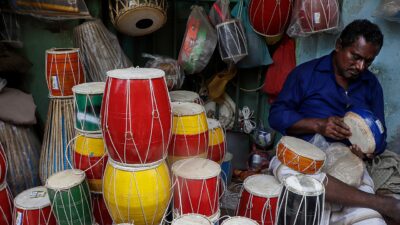
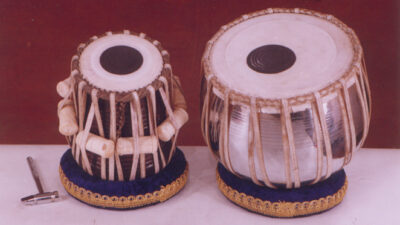
नौशाद की यहाँ रचनात्मक रणनीति यह है कि यह गाना यथासंभव भोजपुरी या अवधी लोकगीत की तरह सुनाई दे। ढोलक लयात्मक ऊर्जा देती है; हारमोनियम पृष्ठभूमि में गूँजता है; मध्यांतरों में बाँसुरी आती है। शमशाद बेगम की आवाज़ — स्वाभाविक रूप से लता से थोड़ी खुरदरी और अधिक मज़बूत — इस लोकचरित्र के लिए एकदम सही है। वे ऐसे गाती हैं जैसे ये गाने उन्हें जन्म से आते हों। ताल धूल भरे रास्ते पर चलती बैलगाड़ी जैसी है।
अंग्रेज़ी में पढ़ें · Read in English
Naushad's compositional strategy here is to make the song sound as close to an actual Bhojpuri or Awadhi folk song as possible. The dholak carries the melody's rhythmic energy; the harmonium drones in the background; a flute appears in the interludes. Shamshad Begum's voice — naturally rougher and more robust than Lata's — is perfect for this folk character. She sings with the ease of someone who has known these songs all her life. The tempo is moderate, like the pace of a bullock cart on a dusty road; the pauses in the melody feel like the cart slowing for a bump.
काव्य The Poetry
शकील बदायूँनी उर्दू साहित्यिक कविता से पूरी तरह अलग होकर एक ऐसा गाना लिखते हैं जो वास्तविक ग्राम-जीवन से निकला लगता है। बिम्ब सब ग्रामीण और ठोस हैं — गाड़ी, रास्ता, गुज़रते परिदृश्य में घर — और भावनात्मक विनती (धीरे चलो, मेरा घर पास है) सार्वभौमिक और तात्कालिक है। 'गाड़ी धीरे हाँक रे' की पुनरावृत्ति एक लोक-टेक की तरह काम करती है।
अंग्रेज़ी में पढ़ें · Read in English
Shakeel Badayuni demonstrates his range by moving completely away from Urdu literary poetry to a song that sounds like it emerged from actual village life. The imagery is all rural and specific — the cart, the road, the home in the passing landscape — and the emotional request (slow down, my home is near) is universal and immediate. The repetition of 'gaadi dheere haank re' functions like a folk refrain, anchoring the song in oral tradition even though it was written for cinema.
कहानी The Story
'मदर इंडिया' की शूटिंग महाराष्ट्र के असली गाँवों में हुई और नौशाद ने अपनी रचनाओं को सूचित करने के लिए क्षेत्रीय लोकसंगीत का अध्ययन किया। इस ख़ास गाने के लिए कहा जाता है उन्होंने ग्रामोफ़ोन पर भोजपुरी महिला-गीत सुने। शमशाद बेगम, जिन्होंने यह गाना गाया, नौशाद की शुरुआती करियर में सबसे लगातार सहयोगी थीं और उनकी आवाज़ में एक प्राकृतिक लोक-गुण था जो उन्हें इस सामग्री के लिए अपूरणीय बनाता था।
अंग्रेज़ी में पढ़ें · Read in English
Mother India's production involved location shooting in actual villages of Maharashtra, and Naushad studied actual folk music from the region to inform his compositions. For this particular song, he is said to have listened to Bhojpuri women's songs played on a gramophone, capturing the quality of women singing while traveling or working. Shamshad Begum, who sang this song, was Naushad's most frequent collaborator in his early career and had a natural folk quality in her voice that made her irreplaceable for such material.
विरासत The Legacy
यह गाना एक 'जानकार की पसंद' का उदाहरण है — 'मदर इंडिया' के प्रमुख गानों से कम चर्चित लेकिन जो इसे खोजते हैं वे प्यार करते हैं। लोकसंगीत विद्वानों ने इसे उदाहरण के रूप में उद्धृत किया है कि हिंदी फ़िल्म संगीत ने उन लोक-मुहावरों को कैसे संरक्षित और प्रसारित किया जो अन्यथा खो सकते थे। शमशाद बेगम की इस दौर की रिकॉर्डिंग — इस गाने सहित — को युवा श्रोताओं द्वारा पुनः खोजी जा रही हैं।
अंग्रेज़ी में पढ़ें · Read in English
This song is an example of a 'connoisseur's choice' — less well-known than the iconic songs of Mother India but cherished by those who discover it. It has been cited by folk music scholars as an example of how Hindi film music preserved and transmitted folk idioms that might otherwise have been lost. Shamshad Begum's recordings from this period, including this song, have experienced renewed appreciation among younger listeners discovering Golden Era folk-style music.
वर्गीकरण
Classification- Tempo
- Medium
Genre
अन्य विवरण
More Details- Wikipedia: 'Mother India (film)' — en.wikipedia.org/wiki/Mother_India_(film)
- Wikipedia: 'Shamshad Begum' — en.wikipedia.org/wiki/Shamshad_Begum
- Wikipedia: 'Naushad' — en.wikipedia.org/wiki/Naushad
- Anirudha Bhattacharjee & Balaji Vittal, 'Gaata Rahe Mera Dil' (2011) — HarperCollins
References
रोचक तथ्य
Margin Notesशमशाद बेगम की स्वाभाविक आवाज़ — जो उस दौर के 'शास्त्रीय' आदर्श से कहीं अधिक खुरदरी और दमदार थी — कभी-कभी आलोचकों की आलोचना का विषय बनती थी, फिर भी यही खासियत उन्हें इस जैसे लोक-रंग वाले गीतों के लिए एकदम उपयुक्त बनाती थी।
अंग्रेज़ी में पढ़ें · Read in English
Shamshad Begum's natural voice quality — rougher and more robust than the 'classical' ideal of the era — was sometimes criticised by critics even as it made her perfect for folk-inflected songs like this one.
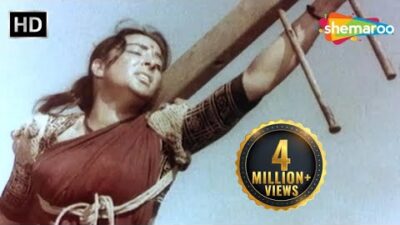
बैलगाड़ी 'मदर इंडिया' की केंद्रीय छवियों में से एक है — फिल्म के आरंभिक दृश्य में नायिका खुद हल खींचती दिखाई देती है, और यह गाड़ी ग्रामीण जीवन की लय का प्रतीक बनती है।
अंग्रेज़ी में पढ़ें · Read in English
The bullock cart is one of the central images of Mother India — the film's opening sequence features the protagonist pulling a plough by herself, and the cart represents the rhythm of rural life.
कहा जाता है कि नौशाद 'मदर इंडिया' के संगीत में इस गीत को अपने निजी पसंदीदा गीतों में गिनते थे, भले ही फिल्म के अन्य गीतों की तुलना में यह अपेक्षाकृत कम चर्चित रहा।
अंग्रेज़ी में पढ़ें · Read in English
Naushad is said to have considered this song among his personal favourites from the Mother India score, despite its relative obscurity compared to other numbers from the film.
रेडियो सीलोन ने 1950 के दशक के अंत में इस गीत को नियमित रूप से प्रसारित किया, और यह भारत के साथ-साथ पाकिस्तान में भी लोकप्रिय था — शमशाद बेगम की आवाज़ पूरे उपमहाद्वीप में विशेष रूप से पसंद की जाती थी।
अंग्रेज़ी में पढ़ें · Read in English
Radio Ceylon broadcast this song regularly in the late 1950s and it was popular in Pakistan as well as India — Shamshad Begum's voice was particularly popular across the subcontinent.
गीत का लोक-रंग इतना सच्चा है कि इसे उत्तर भारतीय लोकसंगीत के कुछ अकादमिक संग्रहों में भी शामिल किया गया है, कई बार बिना यह स्पष्ट किए कि इसका मूल किसी फिल्म से जुड़ा है।
अंग्रेज़ी में पढ़ें · Read in English
The song's folk quality is so authentic that it has been included in some academic collections of North Indian folk music, sometimes without clear attribution to its film origin.
नमूना-पट्टी
The Specimen Table| शीर्षक | ओ गाड़ी वाले गाड़ी धीरे हाँक रे · O Gaadi Wale Gaadi Dheere Haank Re |
|---|---|
| वर्ष · युग | 1957 — Golden Era |
| गायक | Shamshad Begum |
| गीतकार | Shakeel Badayuni |
| संगीतकार | Naushad |
| स्वरूप | एकल महिला |
| गति | मध्यम |
| अवधि | 3:50 |
| भाषा | Hindi · Bhojpuri traces · Braj |
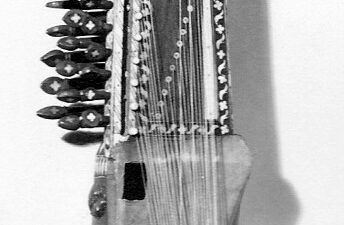
| वाद्य | dholak · harmonium · sarangi · instrument-flute |
| भाव | पुरानी यादें · शांत · चुलबुला |
| लोकप्रियता | Known |
| बोल-स्थिति | केवल झलक |
जुड़े हुए पन्ने
Connected Plates · The Graph Made Visibleअटलस में कोई पन्ना अकेला नहीं — इस गीत से जुड़े गीत, कलाकार, फ़िल्म, राग-ताल-विधा, सब यहाँ से खुलते हैं।
मिलते-जुलते गीत · Related Songs
कलाकार · The Artists
युग · The Era
साझा कीजिए · Share this Plate
यह पन्ना आगे बढ़ाइए
शमशाद जब गाती थीं, फ़िल्म की ज़रूरत नहीं थी — रास्ता, गाड़ी, धूल सब नज़र के सामने आ जाते थे।
When Shamshad sang, you didn't need a film — you could see the road, the cart, the dust.
— Naushad, in a recorded interview
सवाल-जवाब
Questions & Answers'ओ गाड़ी वाले गाड़ी धीरे हाँक रे' किसने गाया? · Who sang 'O Gaadi Wale Gaadi Dheere Haank Re'?
'मदर इंडिया' (1957) में यह लोकशैली का गाना शमशाद बेगम ने गाया। निर्देशक मेहबूब ख़ान, संगीत नौशाद और बोल शकील बदायूँनी के थे।
Shamshad Begum sang this folk-style song for Mother India (1957), directed by Mehboob Khan. Music was by Naushad and lyrics by Shakeel Badayuni.
इस गाने का 'मदर इंडिया' में क्या संदर्भ है? · What is the context of this song in Mother India?
यह गाना एक लोकशैली का नंबर है जो एक दुल्हन या गाँव की महिला को बैलगाड़ी की यात्रा में दिखाता है — वह गाड़ीवान से धीरे चलाने की विनती करती है क्योंकि उसका बचपन का घर इस रास्ते पर है। यह उस ग्रामीण जीवन की समृद्धि को दर्शाता है जो फ़िल्म की कहानी की पृष्ठभूमि है।
The song is a folk-style number representing a bride or village woman on a bullock cart journey, asking the cart driver to slow down because her childhood home is along the route. It represents the rich rural life that frames the film's story.