गीत विंग · गीत-पट्टिका · Song Plate
दुख भरे दिन बीते रे भैया
Dukh Bhare Din Beete Re Bhaiya
जब भारत के गाँव रोए, नौशाद ने उन्हें यह गाना दिया ताकि वे नाच सकें — यह लचीलेपन की धुन है।
भावउत्सव · आनंदित · प्रेरणादायक · पुरानी यादें
भाषाHindi · Braj · Bhojpuri traces गतिMedium-Fast स्वरूपयुगल
श्रेय
The Creditsबोल · The Lyrics
बोल — झलक · Lyrics Preview
अब सुख आयो रे
Ab sukh aayo re
कॉपीराइट के कारण केवल झलक — पूरे बोल आधिकारिक मंचों पर।
शब्दकोश
Word Meaningsसूत्र-वाक्य · The Hook
सूत्र-वाक्य
जब भारत के गाँव रोए, नौशाद ने उन्हें यह गाना दिया ताकि वे नाच सकें — यह लचीलेपन की धुन है।
In EnglishWhen India's villages wept, Naushad gave them this song to dance to — the sound of resilience turned into melody.
पट्टिका-लेख
The Monographपरिचय Overview
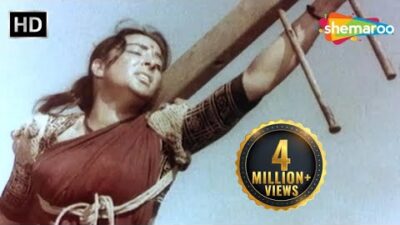
मेहबूब ख़ान की महाकाव्य फ़िल्म 'मदर इंडिया' (1957) का यह उत्सव-गीत लता मंगेशकर और शमशाद बेगम की आवाज़ों में उत्तर भारत के ग्रामीण आनंद की तस्वीर है। नौशाद का संगीत उत्तर प्रदेश की लोक-धुनों से बनाया गया है — ढोलक की धमक, सारंगी का उल्लास, बाँसुरी की लहर। शकील बदायूँनी के बोल सरल, सामूहिक और गर्मजोशी से भरे हैं: 'दुख भरे दिन बीते रे भैया, अब सुख आयो रे।' HMV पर जारी यह गीत उस फ़िल्म के साथ आया जो Oscar में भेजी गई — और उस मिट्टी की ताक़त का गान है जो 'मदर इंडिया' को अमर बनाती है।
अंग्रेज़ी में पढ़ें · Read in English
From Mehboob Khan's iconic Mother India (1957), 'Dukh Bhare Din Beete Re Bhaiya' is a jubilant folk-flavoured celebration duet by Lata Mangeshkar and Shamshad Begum, two of the greatest voices of Indian cinema. Naushad's composition draws on the folk music of Uttar Pradesh — the dholak beats, the spiralling flute, the sarangi's raw joy — to paint rural India's happiness at the passing of hard times. Shakeel Badayuni's lyrics are simple, communal, and warm: 'the days of sorrow are past, brother, now happiness has come.' Released on HMV India alongside the film that would be nominated for the Academy Award, this song captures the indomitable spirit that made Mother India one of the most celebrated films in Indian history.
संगीत The Music
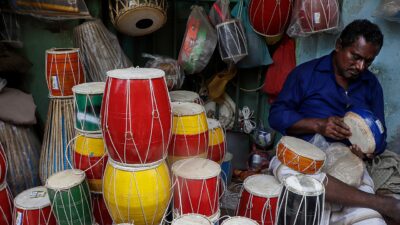
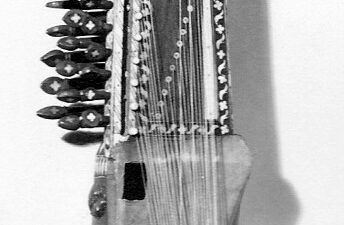
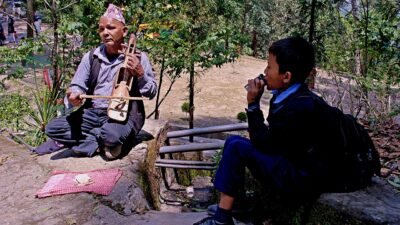
नौशाद लोक-रंग के फ़िल्मी गीत के सबसे बड़े उस्ताद थे और यहाँ वे अपनी श्रेष्ठतम कृतियों में से एक रचते हैं। राग खमाज के क़रीब यह रचना — जो हल्केपन और बरसात से जुड़ा राग है — प्राथमिक ताल-वाद्य के रूप में तबले की जगह ढोलक का उपयोग करती है, जो इसके लोकगीत-स्वभाव को रेखांकित करता है। सारंगी बीच-बीच में भावनात्मक गर्माहट भरती है। लता की किशोरी-सी चमक और शमशाद की बोल्ड, मिट्टी-गंध वाली आवाज़ — यह जोड़ी ऐसे लगती है जैसे दो सहेलियाँ खेतों में साथ-साथ गा रही हों।
अंग्रेज़ी में पढ़ें · Read in English
Naushad was the master of the folk-inflected film song, and here he creates a masterclass in accessible village joy. The composition sits close to Raag Khamaj — associated with lightness and the monsoon — and uses a dholak as the primary percussion, not the classical tabla, to emphasise the folk character. The sarangi provides emotional warmth in the middle phrases. Lata Mangeshkar and Shamshad Begum trade lines with the ease of lifelong companions — Lata bringing a girlish brightness, Shamshad her characteristic bold, earthy resonance. The call-and-response structure mimics actual folk singing in the fields.
काव्य The Poetry
शकील बदायूँनी यहाँ अपनी ग़ज़लों की साहित्यिक उर्दू को पूरी तरह छोड़कर एक सरल, लोक-रंग की हिंदी-ब्रज बोली में लिखते हैं — वे शब्द जो हर गाँव वाला समझे। ख़ुशी यहाँ सामूहिक है: 'भैया' पूरी बिरादरी को संबोधन है। बिम्ब किसानी हैं — फ़सल, खेत, ऋतु-चक्र। यह कविता एक आशीर्वाद है: दुख गया, सुख आया। यह समुदाय की कविता है जो झुंड में गाई जाती है — और फ़िल्म के बाद वास्तविक गाँवों में भी गाई जाती रही।
अंग्रेज़ी में पढ़ें · Read in English
Shakeel Badayuni writes in accessible Hindi/Braj-inflected folk idiom — simple words that any villager would understand. The joy here is collective: 'bhaiya' (brother) addresses the whole community. The imagery is agrarian — harvests, fields, the cycle of seasons. Shakeel avoids the literary Urdu of his ghazals entirely, demonstrating his range. The text is a benediction: suffering has passed, let joy come. It is community poetry, meant to be sung in unison, and it performs that function both in the film and in actual village celebrations where it was taken up after the film's release.
कहानी The Story
'मदर इंडिया' मेहबूब ख़ान की सबसे महत्वाकांक्षी फ़िल्म थी — बनाने में तीन साल लगे और कुछ दृश्यों में 40,000 एक्स्ट्रा कलाकार थे। नौशाद ने पूरा संगीत मेहबूब ख़ान के साथ मिलकर बनाया, जो चाहते थे कि संगीत देसी और प्रामाणिक हो। इस गाने के लिए नौशाद ने उत्तर प्रदेश के लोकगीत रिकॉर्डिंग खिलौने के ग्रामोफ़ोन पर सुने बताए जाते हैं। रिकॉर्डिंग सेशन में लता और शमशाद ने पहले अलग-अलग रिहर्सल किया — नौशाद चाहते थे कि उनकी आवाज़ें एक-दूसरे से होड़ लगाने की बजाय एक हो जाएँ।
अंग्रेज़ी में पढ़ें · Read in English
Mother India was Mehboob Khan's most ambitious production — it took three years to make and required 40,000 extras for some scenes. Naushad composed the entire score in close consultation with Khan, who wanted music that felt indigenous and authentic, not city-polished. For this song, Naushad is said to have listened to folk recordings from rural UP on a wind-up gramophone before composing. The recording session involved Lata and Shamshad rehearsing their parts separately before the joint session — Naushad was meticulous about their voices blending rather than competing.
विरासत The Legacy
'मदर इंडिया' Oscar के लिए भेजी जाने वाली पहली भारतीय फ़िल्म बनी (1957), और इसके गीत अंतर्राष्ट्रीय श्रोताओं तक पहुँचे। नौशाद की लोक-शास्त्रीय युति ने एक पीढ़ी के फ़िल्म संगीतकारों को प्रभावित किया। उत्तर भारत के कई हिस्सों में फ़सल-उत्सवों में यह गीत आज भी बजाया जाता है। 2001 में भारतीय फ़िल्म महासंघ के एक सर्वेक्षण में 'मदर इंडिया' का साउंडट्रैक सर्वकालिक शीर्ष 5 में रखा गया।
अंग्रेज़ी में पढ़ें · Read in English
Mother India became the first Indian film to be officially submitted to the Academy Awards (1957), and its songs, including this one, were heard by international audiences. Naushad's folk-classical fusion in this film influenced a generation of Indian film composers. The song is played at harvest festivals in various parts of North India even today. In 2001, a survey by the Film Federation of India ranked Mother India's soundtrack among the Top 5 film soundtracks of all time. The song was also adopted by political campaigns and social movements celebrating rural India in the 1960s-70s.
वर्गीकरण
Classification- Tempo
- Medium-Fast
Genre
अन्य विवरण
More Details- Meghnad Desai, 'The Rediscovery of India' — chapter on Mother India as national text
- Wikipedia: 'Mother India (film)' — en.wikipedia.org/wiki/Mother_India_(film)
- Wikipedia: 'Naushad' — en.wikipedia.org/wiki/Naushad
- Sathya Saran, 'Ten Melodies, Ten Stories' (2009) — references Mother India soundtrack
- Anirudha Bhattacharjee & Balaji Vittal, 'Gaata Rahe Mera Dil' (2011) — HarperCollins
References
रोचक तथ्य
Margin Notes'मदर इंडिया' (1957) सर्वश्रेष्ठ विदेशी भाषा फिल्म का ऑस्कर पुरस्कार फेडरिको फेलिनी की 'नाइट्स ऑफ कैबिरिया' से महज़ एक वोट से हार गई थी — यह ऑस्कर के इतिहास के सबसे नज़दीकी मुक़ाबलों में से एक था।
अंग्रेज़ी में पढ़ें · Read in English
Mother India (1957) lost the Academy Award for Best Foreign Language Film by a single vote to Federico Fellini's Nights of Cabiria — one of the closest margins in Oscar history.
नौशाद ने 'मदर इंडिया' के संगीत के लिए 100 से अधिक वादकों का समूह इस्तेमाल किया था, जो उस समय तक बॉलीवुड में इकट्ठे किए गए सबसे बड़े ऑर्केस्ट्रा में से एक था।
अंग्रेज़ी में पढ़ें · Read in English
Naushad used an ensemble of 100+ musicians for the Mother India score, one of the largest orchestras assembled in Bollywood up to that point.
1967 के चुनावों के दौरान कई राजनीतिक दलों ने इस गीत को अपने प्रचार गीत के रूप में अपनाया, जिससे राजनीतिक इस्तेमाल में फ़िल्मी गीतों के कॉपीराइट को लेकर सवाल उठे।
अंग्रेज़ी में पढ़ें · Read in English
The song was adopted by several political parties during the 1967 elections as a campaign tune, prompting questions about film-song copyright in political use.
शमशाद बेगम ने 'मदर इंडिया' के लिए 40 से अधिक गीत रिकॉर्ड किए थे, लेकिन अंतिम फिल्म में उनमें से कुछ ही बचे — यह उन्हीं में से एक था, जिसे रखने पर मेहबूब खान ने ख़ास तौर पर ज़ोर दिया था।
अंग्रेज़ी में पढ़ें · Read in English
Shamshad Begum recorded over 40 songs for Mother India but only a handful survived the final cut — this was among those Mehboob Khan insisted on keeping.
लता मंगेशकर ने 1990 के एक साक्षात्कार में कहा था कि 'मदर इंडिया' के गीतों की रिकॉर्डिंग 'एक स्कूल जैसी थी — नौशाद साहब ने हमें सिखाया कि संगीत के ज़रिए गांव की मिट्टी को कैसे महसूस किया जाए।'
अंग्रेज़ी में पढ़ें · Read in English
Lata Mangeshkar said in a 1990 interview that the recording of Mother India's songs was 'like a school — Naushad taught us how to feel the countryside through music.'
पुरस्कार
The Honoursनमूना-पट्टी
The Specimen Table| शीर्षक | दुख भरे दिन बीते रे भैया · Dukh Bhare Din Beete Re Bhaiya |
|---|---|
| वर्ष · युग | 1957 — Golden Era |
| गायक | Lata Mangeshkar, Shamshad Begum |
| गीतकार | Shakeel Badayuni |
| संगीतकार | Naushad |
| स्वरूप | युगल |
| गति | Medium-Fast |
| अवधि | 4:05 |
| भाषा | Hindi · Braj · Bhojpuri traces |
| वाद्य | dholak · sarangi · harmonium · instrument-flute |
| भाव | उत्सव · आनंदित · प्रेरणादायक · पुरानी यादें |
| लोकप्रियता | Legendary |
| बोल-स्थिति | केवल झलक |
जुड़े हुए पन्ने
Connected Plates · The Graph Made Visibleअटलस में कोई पन्ना अकेला नहीं — इस गीत से जुड़े गीत, कलाकार, फ़िल्म, राग-ताल-विधा, सब यहाँ से खुलते हैं।
मिलते-जुलते गीत · Related Songs
कलाकार · The Artists
युग · The Era
साझा कीजिए · Share this Plate
यह पन्ना आगे बढ़ाइए
नौशाद ने पर्दे पर भारत के गाँव को अपनी आवाज़ दी।
Naushad gave the Indian village its own voice on the silver screen.
— Film historian Firoze Rangoonwala
सवाल-जवाब
Questions & Answers'मदर इंडिया' में 'दुख भरे दिन बीते रे भैया' किसने गाया? · Who sang 'Dukh Bhare Din Beete Re Bhaiya' in Mother India?
'मदर इंडिया' (1957) में यह उत्साहपूर्ण युगल गाना लता मंगेशकर और शमशाद बेगम ने गाया। फ़िल्म के निर्देशक मेहबूब ख़ान थे, संगीत नौशाद का और बोल शकील बदायूँनी के।
Lata Mangeshkar and Shamshad Begum sang this jubilant duet in Mother India (1957), directed by Mehboob Khan. The music was by Naushad and lyrics by Shakeel Badayuni.
क्या 'मदर इंडिया' Oscar के लिए नॉमिनेट हुई थी? · Was Mother India nominated for an Oscar?
हाँ। 'मदर इंडिया' (1957) Oscar के लिए भेजी जाने वाली भारत की पहली आधिकारिक फ़िल्म थी। यह फेडेरिको फेलिनी की 'Nights of Cabiria' से एक वोट के अंतर से हारी — Oscar इतिहास के सबसे कम अंतर वाले फ़ैसलों में से एक।
Yes. Mother India (1957) was India's first official submission to the Academy Awards for Best Foreign Language Film. It famously lost by a single vote to Federico Fellini's Nights of Cabiria.
नौशाद ने 'मदर इंडिया' के लिए किस शैली का संगीत बनाया? · What style of music did Naushad use for Mother India?
नौशाद ने उत्तर भारतीय लोकसंगीत, हिंदुस्तानी शास्त्रीय और कर्नाटिक तत्वों को मिलाकर एक प्रामाणिक 'भारतीय गाँव' की ध्वनि बनाई। उन्होंने पश्चिमी वाद्यों से परहेज़ किया और ढोलक, सारंगी, बाँसुरी और हारमोनियम पर ध्यान केंद्रित किया।
Naushad fused North Indian folk music, Hindustani classical, and Carnatic elements to create an authentically 'Indian village' sound. He avoided Western instruments and focused on dholak, sarangi, flute, and harmonium to keep the rural character.