गीत विंग · गीत-पट्टिका · Song Plate
दुनिया में हम आए हैं
Duniya Mein Hum Aaye Hain
यह विलाप नहीं, एक फ़ौलादी संकल्प की घोषणा है — 'जीवन है अगर ज़हर तो पीना ही पड़ेगा' — हर उस औरत का विश्वास जिसने हार मानने से इनकार किया।
भावमीठा-कड़वा · प्रेरणादायक · उदास · दार्शनिक
भाषाUrdu · Hindi गतिधीमी स्वरूपएकल महिला
श्रेय
The Creditsबोल · The Lyrics
बोल — झलक · Lyrics Preview
जीवन है अगर ज़हर तो पीना ही पड़ेगा
Jeevan hai agar zeher to peena hi padega
कॉपीराइट के कारण केवल झलक — पूरे बोल आधिकारिक मंचों पर।
शब्दकोश
Word Meaningsसूत्र-वाक्य · The Hook
सूत्र-वाक्य
यह विलाप नहीं, एक फ़ौलादी संकल्प की घोषणा है — 'जीवन है अगर ज़हर तो पीना ही पड़ेगा' — हर उस औरत का विश्वास जिसने हार मानने से इनकार किया।
In EnglishNot a lament but a declaration of iron will — 'if life is poison, you must drink it' is the creed of every woman who refused to be defeated.
पट्टिका-लेख
The Monographपरिचय Overview
'मदर इंडिया' (1957) के संगीत में यह गीत लता मंगेशकर का सबसे ध्यानमग्न और सहनशील प्रदर्शन है। नर्गिस के लिए गाया गया — जो फ़िल्म की नायिका राधा की भूमिका में हैं — शकील बदायूँनी का यह बोल जीवन के अस्तित्व-अनुबंध को बताता है: अगर ज़िंदगी ज़हर भी है, तो पीना ही पड़ेगा। नौशाद की भैरवी-आधारित रचना में एक शाम की प्रार्थना का भाव है — सादा हारमोनियम, रोती सारंगी — जो इस दार्शनिक स्वीकृति को हार नहीं, असाधारण शक्ति बनाती है।
अंग्रेज़ी में पढ़ें · Read in English
A philosophical centrepiece of Mother India's (1957) soundtrack, 'Duniya Mein Hum Aaye Hain' is Lata Mangeshkar's most meditative and stoic performance in Naushad's score. Sung for Nargis as Radha, the long-suffering protagonist, Shakeel Badayuni's verse states the existential contract of survival: if life is poison, you must drink it anyway. Naushad's Bhairavi-based composition has an evening-prayer quality — spare harmonium, a weeping sarangi — that makes the philosophical acceptance sound not like defeat but like immense strength. This is the sound of a woman who has been beaten by fate and chosen not to be broken.
संगीत The Music
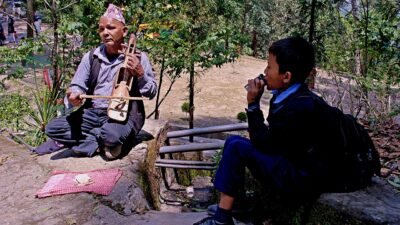
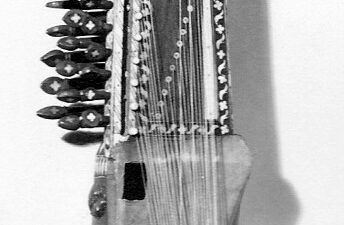
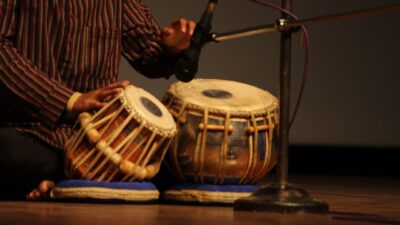
नौशाद की व्यवस्था यहाँ सबसे अंतरंग है — बस हारमोनियम, सारंगी और नरम तबला, कोई ऑर्केस्ट्रल विस्तार नहीं। भैरवी की अनुभूति इसे एक दिन-अंत का भाव देती है, जैसे यह तब गाया जाता है जब सारी ताक़त चुक जाती है और केवल सच बचता है। लता मंगेशकर यहाँ बिना किसी अलंकार के गाती हैं — उनकी आवाज़ सीधी और स्पष्ट-आँखों वाली है — न कोई मिन्नत, न काँपाहट। यह संयम असाधारण है; यह किसी ऐसे किरदार का संकेत है जिसने अपने दुख को इतनी बार जिया है कि वह दार्शनिकता में बदल गया है।
अंग्रेज़ी में पढ़ें · Read in English
Naushad's arrangement here is his most intimate — just harmonium, sarangi, and a soft tabla, no orchestral swelling. The Bhairavi-ness of the composition gives it an end-of-day quality, as if this is sung when all energy is spent and only truth remains. Lata Mangeshkar sings without ornament, her voice direct and clear-eyed — no pleading, no tremble. This restraint is extraordinary given the emotional content; it suggests a character who has processed her grief so many times it has become philosophical.
काव्य The Poetry
शकील बदायूँनी यहाँ अपने सबसे अस्तित्ववादी रूप में लिखते हैं। उर्दू कविता में 'ज़हर' का रूपक प्राचीन है (शास्त्रीय काव्य में ज़हर-ए-हलाहल), लेकिन शकील इसे तात्कालिक और बोलचाल का बनाते हैं: 'ज़हर का प्याला' नहीं बल्कि 'जीवन है अगर ज़हर तो पीना ही पड़ेगा।' रूपक से सीधे कथन की ओर यह बदलाव बहुत ताक़तवर है। बोल का तर्क निर्मम है: हम दुनिया में आए हैं, इसलिए जीना होगा — कोई विकल्प नहीं। लेकिन इसे इतनी सादगी से कहना ख़ुद एक विद्रोह बन जाता है।
अंग्रेज़ी में पढ़ें · Read in English
Shakeel Badayuni writes in his most existentialist mode here. The metaphor of life-as-poison is ancient in Urdu poetry (zeher-e-halahil in classical verse), but Shakeel makes it immediate and colloquial: not 'the cup of poison' but 'if life is poison, you must drink it.' The shift from metaphor to direct statement is powerful. The verse's logic is ruthless: we came into the world, therefore we must live; there is no choice. But the act of stating this so plainly becomes itself an act of defiance.
कहानी The Story
'मदर इंडिया' में नर्गिस ने भारतीय सिनेमा का सबसे महान अभिनय-प्रदर्शनों में से एक दिया, और यह गीत उनके किरदार की संगीतमय रूपरेखा का हिस्सा है। नौशाद ने इसे निर्देशक मेहबूब ख़ान के साथ मिलकर बनाया — वे चाहते थे एक ऐसा गाना जो भारतीय किसान-औरत की सहनशील दार्शनिकता को पकड़े। लता मंगेशकर ने इस गाने की नौशाद के साथ दो दिन रिहर्सल की — हर उस स्वर-अलंकार को निकालने की कोशिश में जो किरदार को कमज़ोर दिखाए।
अंग्रेज़ी में पढ़ें · Read in English
Mother India's Nargis gave one of Indian cinema's greatest performances, and this song is part of the musical tapestry that framed her characterisation. Naushad composed it in close consultation with director Mehboob Khan, who wanted a song that captured the stoic philosophy of the Indian peasant woman — someone who doesn't romanticise suffering but simply accepts it and keeps going. Lata Mangeshkar reportedly rehearsed this song for two days with Naushad, working on eliminating any vocal flourish that might make the character seem weak rather than strong.
विरासत The Legacy
जब भी भारतीय लोकप्रिय संस्कृति सहनशील धैर्य की भावना — विशेषकर महिलाओं की — को उजागर करना चाहती है, यह गीत उद्धृत होता है। 'जीवन है अगर ज़हर तो पीना ही पड़ेगा' — यह पंक्ति भारतीय कहावत-संस्कृति में दाख़िल हो गई है, भाषणों, निबंधों और रोज़मर्रा की बातचीत में इस्तेमाल होती है। फ़िल्म विद्वान इस गीत को नौशाद और शकील की शिखर-रचना के प्रमाण के रूप में उद्धृत करते हैं।
अंग्रेज़ी में पढ़ें · Read in English
The song is quoted whenever Indian popular culture wishes to evoke the spirit of stoic endurance, particularly of women. It was included in school Hindi textbooks in some states. The line 'jeevan hai agar zeher to peena hi padega' has entered Indian proverb culture — it is used in speeches, essays, and everyday conversation to mean 'one must face what comes.' Film scholars cite this song as evidence that Naushad and Shakeel at their peak could create philosophical depth within the constraints of film song.
वर्गीकरण
Classification- Tempo
- Slow
Genre
अन्य विवरण
More Details- Wikipedia: 'Mother India (film)' — en.wikipedia.org/wiki/Mother_India_(film)
- Wikipedia: 'Shakeel Badayuni' — en.wikipedia.org/wiki/Shakeel_Badayuni
- Wikipedia: 'Naushad' — en.wikipedia.org/wiki/Naushad
- Wikipedia: 'Nargis' — en.wikipedia.org/wiki/Nargis_(actress)
- Anirudha Bhattacharjee & Balaji Vittal, 'Gaata Rahe Mera Dil' (2011) — HarperCollins
References
रोचक तथ्य
Margin Notesयह दार्शनिक पंक्ति 'दुनिया में हम आए हैं तो जीना ही पड़ेगा, जीवन है अगर ज़हर तो पीना ही पड़ेगा' इंदिरा गांधी ने 1966 के एक भाषण में राष्ट्रीय संकल्पशक्ति के संदर्भ में उद्धृत की थी।
अंग्रेज़ी में पढ़ें · Read in English
The philosophical couplet 'duniya mein hum aaye hain toh jeena hi padega / jeevan hai agar zeher toh peena hi padega' was quoted by Indira Gandhi in a 1966 speech on national resilience.
नौशाद ने इस धुन को बिना किसी पाश्चात्य वाद्य के रचा था — यह उनकी 'भारतीय शास्त्रीय और लोक संगीत के संगम' वाली शैली के सबसे शुद्ध उदाहरणों में से एक है।
अंग्रेज़ी में पढ़ें · Read in English
Naushad composed this melody without any Western instrumentation — it is one of the purest examples of his 'Indian classical meets folk' approach.
फिल्म में यह गीत उस दृश्य में आता है जहां राधा (नरगिस) को अभी-अभी गहरी क्षति पहुंची है, फिर भी उसे अपने बच्चों के लिए आगे बढ़ना है — इससे गीत के बोल दार्शनिक नहीं, बल्कि सीधे यथार्थ बन जाते हैं।
अंग्रेज़ी में पढ़ें · Read in English
The song appears in the film in a scene where Radha (Nargis) has just suffered a crushing loss but must continue for her children — making the words literal rather than philosophical.
रेडियो सीलोन ने वर्षों तक इस गीत को हर हफ़्ते 'सहनशक्ति के गीत' नामक कार्यक्रम के हिस्से के रूप में प्रसारित किया, जिससे यह पूरे दक्षिण एशिया में मशहूर हो गया।
अंग्रेज़ी में पढ़ें · Read in English
Radio Ceylon broadcast this song every week for years as part of a 'songs of endurance' programme, making it famous across South Asia.
नमूना-पट्टी
The Specimen Table| शीर्षक | दुनिया में हम आए हैं · Duniya Mein Hum Aaye Hain |
|---|---|
| वर्ष · युग | 1957 — Golden Era |
| गायक | Lata Mangeshkar |
| गीतकार | Shakeel Badayuni |
| संगीतकार | Naushad |
| स्वरूप | एकल महिला |
| गति | धीमी |
| अवधि | 3:55 |
| भाषा | Urdu · Hindi |
| वाद्य | harmonium · sarangi · tabla |
| भाव | मीठा-कड़वा · प्रेरणादायक · उदास · दार्शनिक |
| लोकप्रियता | Very_popular |
| बोल-स्थिति | केवल झलक |
जुड़े हुए पन्ने
Connected Plates · The Graph Made Visibleअटलस में कोई पन्ना अकेला नहीं — इस गीत से जुड़े गीत, कलाकार, फ़िल्म, राग-ताल-विधा, सब यहाँ से खुलते हैं।
मिलते-जुलते गीत · Related Songs
कलाकार · The Artists
युग · The Era
साझा कीजिए · Share this Plate
यह पन्ना आगे बढ़ाइए
यह उदास गाना नहीं है। यह उन सबका गान है जिन्होंने हार मानने से इनकार किया।
This is not a sad song. It is the anthem of all who refused to give up.
— Nargis, on Mother India's music in a 1959 interview
सवाल-जवाब
Questions & Answers'दुनिया में हम आए हैं तो जीना ही पड़ेगा' का क्या अर्थ है? · What does 'Duniya Mein Hum Aaye Hain To Jeena Hi Padega' mean?
इस पंक्ति का अर्थ है: 'चूँकि हम इस दुनिया में आए हैं, इसलिए जीना ही होगा।' अगली पंक्ति कहती है: 'जीवन अगर ज़हर भी है तो पीना ही होगा।' यह जीवन की कठिनाइयों की एक सहनशील, ग़ैर-रोमांटिक स्वीकृति है — हार नहीं, दृढ़ धैर्य।
The line means: 'Since we have come into this world, we must live.' The full verse continues: 'If life is poison, then we must drink it anyway.' It expresses a stoic, non-romantic acceptance of life's hardships — not resignation but determined endurance.
'मदर इंडिया' में राधा की भूमिका किसने निभाई? · Who played Radha in Mother India?
नर्गिस ने मेहबूब ख़ान की 'मदर इंडिया' (1957) में राधा की ऐतिहासिक भूमिका निभाई — एक ग़रीब किसान औरत जो अपनी ज़मीन जोतती है, अकेले बेटों को पालती है, और अंततः ममता से बड़ी नैतिकता को चुनती है। इसे भारतीय सिनेमा के महानतम अभिनय-प्रदर्शनों में गिना जाता है।
Nargis played the iconic role of Radha — a poor village woman who works her land, raises her sons alone, and ultimately chooses principle over maternal love — in Mehboob Khan's Mother India (1957). It is considered one of the greatest performances in Indian cinema.