गीत विंग · गीत-पट्टिका · Song Plate
मतवाला जिया डोले पिया
Matwala Jiya Dole Piya
उन सभी दिलों का गीत जो कभी प्रेम की मीठी दीवानगी में झूम उठे हों — लता मंगेशकर अपने रंग में।
भावआनंदित · चुलबुला · रोमांटिक
भाषाHindi · Braj · Urdu गतिमध्यम स्वरूपएकल महिला
श्रेय
The Creditsबोल · The Lyrics
बोल — झलक · Lyrics Preview
मन मेरा बावरा हो गया
Man mera baawra ho gaya
कॉपीराइट के कारण केवल झलक — पूरे बोल आधिकारिक मंचों पर।
शब्दकोश
Word Meaningsसूत्र-वाक्य · The Hook
सूत्र-वाक्य
उन सभी दिलों का गीत जो कभी प्रेम की मीठी दीवानगी में झूम उठे हों — लता मंगेशकर अपने रंग में।
In EnglishThe song for every heart that has ever swayed in the sweet madness of love — Lata Mangeshkar in her element.
पट्टिका-लेख
The Monographपरिचय Overview
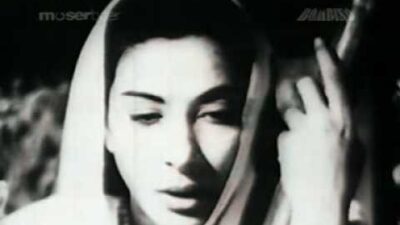
1950 की भक्ति फ़िल्म 'जोगन' — निर्देशक पी.एल. संतोषी, दिलीप कुमार और नरगिस, संगीत बुलो सी. रानी — में 'मतवाला जिया डोले पिया' फ़िल्म के गहरे भक्ति-रंग में एक हल्का, प्रेम-मस्त विराम है। लता मंगेशकर की स्पष्ट और गर्म आवाज़ में यह गीत प्रेम की मीठी दीवानगी का उत्सव है। जबकि 'जोगन' की पहचान मुख्यतः गीता रॉय के भजनों से है, लता के योगदान — इस हल्के रोमांटिक गीत सहित — ने साउंडट्रैक को भावनात्मक विविधता दी और बुलो सी. रानी की फ़िल्म के संगीत-मूड को सँवारने की कला को उजागर किया।
अंग्रेज़ी में पढ़ें · Read in English
From the 1950 devotional film Jogan — directed by P.L. Santoshi, starring Dilip Kumar and Nargis, with music by Bulo C. Rani — 'Matwala Jiya Dole Piya' offers a lighter counterpoint to the film's more intensely devotional Mirabai bhajans. Sung by Lata Mangeshkar with a characteristic combination of clarity and warmth, the song celebrates the sweet madness of love: the 'matwala jiya' (intoxicated heart) swaying ('dole') in the beloved's presence. While Jogan is best remembered for Geeta Roy's devotional performances, Lata's contributions to the soundtrack — including this lighter romantic number — provide emotional variety and demonstrate Bulo C. Rani's skill in calibrating the film's musical mood. The song is a gem of Golden Era light romanticism, compact and perfect in its emotional register.
संगीत The Music
बुलो सी. रानी का वाद्य-विन्यास 'जोगन' के भक्ति-गीतों की तुलना में हल्का और ज़्यादा सरल रूप से मधुर है। लय में एक सहज झूम है — शीर्षक का 'डोलना' स्वयं ताल में उतर आया है। लता की आवाज़ धुन को ऐसी फुर्ती से पार करती है कि तकनीक अदृश्य हो जाती है। गीत रोमांटिक और भक्ति के बीच की उस नाज़ुक जगह पर बैठा है जहाँ प्रेम में एक आध्यात्मिक आयाम है।
अंग्रेज़ी में पढ़ें · Read in English
Bulo C. Rani's arrangement for 'Matwala Jiya Dole Piya' is lighter and more melodically straightforward than the devotional numbers that dominate Jogan's soundtrack. The rhythmic framework suggests a gentle sway — the 'dolna' (swaying) of the title embedded in the beat itself. Lata Mangeshkar navigates the melody with characteristic precision, her voice moving through the song's melodic arc with a fluency that makes the technical execution invisible. The song occupies a delicate tonal space between romantic and devotional — love here carries a spiritual dimension, as befits a film where earthly and divine love are constantly in conversation.
काव्य The Poetry
बोलों की भाषा ब्रज की लोक-रोमांटिक शब्दावली से आती है: 'मतवाला', 'जिया', 'डोले', 'बावरा' — ये सब भक्त-कवियों की दुनिया के शब्द हैं जहाँ आशिक और महबूब के बीच का रिश्ता भक्त और ईश्वर के रिश्ते की नकल करता है। 'पिया' (Braj) का प्रयोग इस गीत को मीराबाई की परंपरा से जोड़ता है और फ़िल्म के भक्ति और रोमांटिक दोनों रंगों के बीच एक उचित सेतु बनाता है।
अंग्रेज़ी में पढ़ें · Read in English
The lyric of 'Matwala Jiya Dole Piya' draws on the folk-romantic vocabulary of Braj: 'matwala' (intoxicated), 'jiya' (heart), 'dole' (sways), 'baawra' (maddened). These words belong to the same poetic universe as the Bhakti saints — a universe where the lover-beloved relationship mirrors the devotee-God relationship. The use of 'piya' (beloved) rather than the Urdu 'sajna' or 'dildar' places the song in the Braj/folk idiom associated with the Mirabai tradition, creating an appropriate tonal bridge between the film's devotional and romantic registers.
कहानी The Story
'जोगन' (1950) ने संगीतकार बुलो सी. रानी के सामने एक असामान्य चुनौती रखी: एक ऐसा साउंडट्रैक बनाना जो मुख्यतः भक्ति-रंगी हो (मीराबाई के पदों पर) लेकिन फ़िल्म की मानवीय प्रेम-कहानी के लिए रोमांटिक गीत भी शामिल करे। बुलो सी. रानी ने यह काम कौशल के साथ किया — एक ऐसा साउंडट्रैक जो पवित्र से लौकिक की ओर बिना झटके के जाता है। 'मतवाला जिया' उस गहरी भक्ति-तीव्रता में एक ज़रूरी हल्का विराम है।
अंग्रेज़ी में पढ़ें · Read in English
Jogan (1950) presented an unusual challenge for its music director Bulo C. Rani: to compose a soundtrack that was primarily devotional (based on Mirabai's padavalis) while also including romantic numbers appropriate to the film's human love story. Bulo C. Rani met this challenge with considerable skill, creating a musically coherent soundtrack that moves between the sacred and the secular without jarring discontinuities. 'Matwala Jiya Dole Piya' is one of the lighter romantic moments in this devotional landscape — necessary breathing room in a film of such sustained spiritual intensity. It also demonstrates that Lata Mangeshkar was capable of the full range of emotions that Jogan's complex narrative demanded.
विरासत The Legacy
यह गीत 'जोगन' की पहचान बन चुके गीता रॉय के भजनों जितना प्रसिद्ध नहीं है, लेकिन स्वर्ण युग के हल्के रोमांटिक संगीत के पारखियों का प्रिय है। यह लता मंगेशकर के शुरुआती करियर के उस कोमल, आत्मीय पक्ष को दर्शाता है जो बाद में शास्त्रीय और उपशास्त्रीय गायन की छाया में कुछ अनदेखा हो गया।
अंग्रेज़ी में पढ़ें · Read in English
While 'Matwala Jiya Dole Piya' is less well-known than the Geeta Roy bhajans that dominate Jogan's legacy, it is cherished by connoisseurs of Golden Era light romanticism. It represents the softer, more intimate side of Lata Mangeshkar's early career — before she became primarily associated with the 'classical and semi-classical' repertoire that would define her later reputation. The song also stands as evidence of Bulo C. Rani's underappreciated versatility as a composer who could move seamlessly between the devotional and the romantic.
वर्गीकरण
Classification- Tempo
- Medium
Genre
अन्य विवरण
More Details- Wikipedia: Jogan (1950 film) — https://en.wikipedia.org/wiki/Jogan_(film)
- Wikipedia: Bulo C. Rani — https://en.wikipedia.org/wiki/Bulo_C._Rani
- Atul's Song A Day: Jogan 1950 — https://atulsongaday.me
- Songs of Yore — https://www.songsofyore.com
References
रोचक तथ्य
Margin Notesजोगन (1950) में बुलो सी. रानी को मुख्यतः मीराबाई-प्रेरित भक्ति रचनाओं को रोमांटिक फ़िल्मी गीतों के साथ संतुलित करना था — यह एक नाज़ुक स्वर-चुनौती थी जिसे उन्होंने कुशलता से निभाया।
अंग्रेज़ी में पढ़ें · Read in English
Jogan (1950) required Bulo C. Rani to balance primarily devotional Mirabai compositions with romantic film songs — a delicate tonal challenge that he managed with skill.
लता मंगेशकर और गीता रॉय (दत्त) ने एक ही फ़िल्म (जोगन, 1950) में परस्पर पूरक भावनात्मक स्वरों में काम किया — गीता ने गहन भक्ति गीत गाए, जबकि लता ने हल्के-फुल्के रोमांटिक गीत।
अंग्रेज़ी में पढ़ें · Read in English
Lata Mangeshkar and Geeta Roy (Dutt) worked on the same film (Jogan, 1950) in complementary emotional registers — Geeta doing the intense devotional numbers, Lata the lighter romantic ones.
बुलो सी. रानी सिद्दी (अफ़्रीकी-भारतीय) मूल के थे, जिसके चलते राजस्थानी भक्ति और उत्तर भारतीय शास्त्रीय शैलियों पर उनकी पकड़ एक उल्लेखनीय अंतर-सांस्कृतिक उपलब्धि थी।
अंग्रेज़ी में पढ़ें · Read in English
Bulo C. Rani was of Sidi (African-Indian) heritage, making his mastery of Rajasthani devotional and classical North Indian idioms a remarkable cross-cultural achievement.
एक भक्त की कहानी वाली फ़िल्म में 'मतवाला' (नशे में डूबा) शब्द सांसारिक प्रेम और दिव्य प्रेम को आपस में जोड़ता है — दोनों ही ऐसी अवस्थाएँ हैं जो हृदय को समर्पण में 'झूमने' पर विवश करती हैं।
अंग्रेज़ी में पढ़ें · Read in English
The word 'matwala' (intoxicated) in a film about a devotee connects earthly romantic love and divine love — both states that make the heart 'sway' in surrender.
नमूना-पट्टी
The Specimen Table| शीर्षक | मतवाला जिया डोले पिया · Matwala Jiya Dole Piya |
|---|---|
| फ़िल्म | जोगन · 1950 |
| वर्ष · युग | 1950 — Golden Era |
| गायक | Lata Mangeshkar |
| गीतकार | रमेश शास्त्री |
| संगीतकार | Bulo C. Rani |
| स्वरूप | एकल महिला |
| गति | मध्यम |
| अवधि | 3:10 |
| भाषा | Hindi · Braj · Urdu |
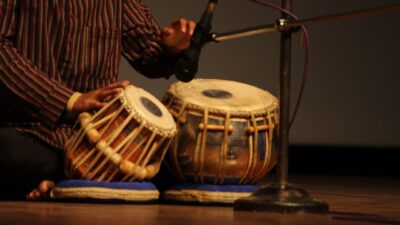
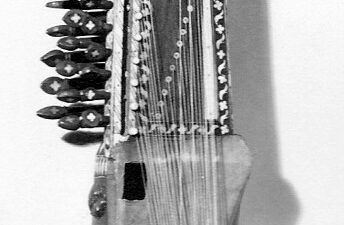
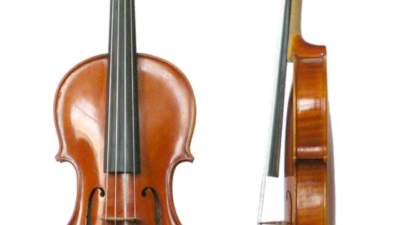
| वाद्य | harmonium · tabla · sarangi · violin |
| भाव | आनंदित · चुलबुला · रोमांटिक |
| लोकप्रियता | Known |
| बोल-स्थिति | केवल झलक |
जुड़े हुए पन्ने
Connected Plates · The Graph Made Visibleअटलस में कोई पन्ना अकेला नहीं — इस गीत से जुड़े गीत, कलाकार, फ़िल्म, राग-ताल-विधा, सब यहाँ से खुलते हैं।
मिलते-जुलते गीत · Related Songs
कलाकार · The Artists
फ़िल्म · The Film
युग · The Era
साझा कीजिए · Share this Plate
यह पन्ना आगे बढ़ाइए
जोगन में बुलो सी. रानी ने साबित किया कि भक्ति और चाहत इंसानी दिल में पड़ोसी हैं — और संगीत एक ही साँस में दोनों से बात कर सकता है।
In Jogan, Bulo C. Rani proved that devotion and desire are neighbours in the human heart — and that music can speak to both in the same breath.
— Music critic Manmohan Thakur on the dual emotional register of Jogan's soundtrack
सवाल-जवाब
Questions & Answers'जोगन' (1950) का संगीत किसने दिया था? · Who composed the music for Jogan (1950)?
'जोगन' (1950) का संगीत बुलो सी. रानी ने दिया था, जो सिद्दी (अफ्रीकन-भारतीय) विरासत के एकमात्र ऐसे संगीतकार थे जो उत्तर भारतीय भक्ति और शास्त्रीय परंपरा में पूर्ण रूप से रचते थे।
The music for Jogan (1950) was composed by Bulo C. Rani, a uniquely positioned musician of Sidi (African-Indian) heritage who composed primarily in the devotional and classical North Indian traditions. The film's soundtrack is remembered for Geeta Roy's intense Mirabai bhajans as well as lighter romantic numbers like this one by Lata Mangeshkar.