गीत विंग · गीत-पट्टिका · Song Plate
मुझे किसी से प्यार हो गया
Mujhe Kisi Se Pyar Ho Gaya
वह गीत जो उस पल के बारे में है जब प्यार हो जाता है, पता चलने से पहले — हसरत जयपुरी की पहली फ़िल्मी रचना, और पहले से ही बेमिसाल।
भावमीठा-कड़वा · आनंदित · Joyful · रोमांटिक
भाषाUrdu · Hindi गतिमध्यम स्वरूपएकल महिला
श्रेय
The Creditsबोल · The Lyrics
बोल — झलक · Lyrics Preview
जाने कब और कैसे हो गया
Jaane kab aur kaise ho gaya
कॉपीराइट के कारण केवल झलक — पूरे बोल आधिकारिक मंचों पर।
शब्दकोश
Word Meaningsसूत्र-वाक्य · The Hook
सूत्र-वाक्य
वह गीत जो उस पल के बारे में है जब प्यार हो जाता है, पता चलने से पहले — हसरत जयपुरी की पहली फ़िल्मी रचना, और पहले से ही बेमिसाल।
In EnglishThe song about falling in love before you even knew it was happening — Hasrat Jaipuri's first film lyric, already perfect.
पट्टिका-लेख
The Monographपरिचय Overview
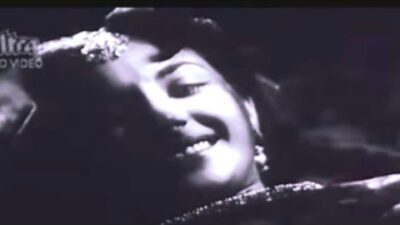
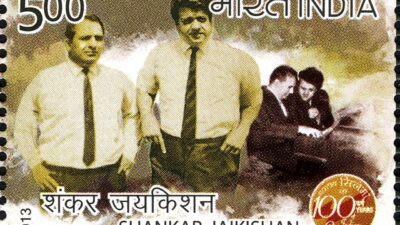
'बरसात' (1950) — शंकर-जयकिशन का पहला क़दम, हसरत जयपुरी की पहली फ़िल्मी रचना, लता मंगेशकर की आवाज़ और नरगिस पर फ़िल्मांकन — का यह गीत उस पल के बारे में है जब दिल को इससे पहले कि दिमाग़ समझे, प्यार हो जाता है। बोलों की उस्तादी यह है कि वह 'किसी से' प्यार हुआ है — नाम अभी पता नहीं, एहसास पहले आया। शंकर-जयकिशन ने इस इक़रार को एक मद्धिम, झूमती धुन में बाँधा जो नए प्यार में डूबे दिल की हैरत-भरी खुशी को पकड़ती है।
अंग्रेज़ी में पढ़ें · Read in English
From Barsaat (1950), the film that launched Shankar-Jaikishan's legendary career — with lyrics by Hasrat Jaipuri in his film debut and voice by Lata Mangeshkar, picturized on Nargis — 'Mujhe Kisi Se Pyar Ho Gaya' is a song about the moment love arrives before the mind has even understood what is happening. The lyric's masterstroke is the phrase 'kisi se' (with someone): she has fallen in love with 'someone', not yet able to name the beloved, the feeling preceding the full recognition. Shankar-Jaikishan set the confessional lyric to a gentle, swaying melody that captures the dazed joy of the newly love-struck heart. Released on HMV as part of Barsaat's record-breaking soundtrack, the song represents Hasrat Jaipuri's remarkable debut as a film lyricist — his natural, conversational Urdu immediately finding its audience.
संगीत The Music
शंकर-जयकिशन ने यहाँ संगीत का एक सबसे मुश्किल काम किया: भावनात्मक अनिश्चितता (नए प्यार की हैरत) को एक स्पष्ट, सुंदर धुन में पकड़ना। धुन में एक आहें भरता, चक्करदार गुण है — वह बार-बार अपने शुरुआती स्वर पर लौटती है, जैसे मन बार-बार महबूब की याद पर लौटता है। वाद्य-विन्यास हल्का और हवाई है। लता की आवाज़ यहाँ सबसे आत्मीय और बातचीत-जैसी है।
अंग्रेज़ी में पढ़ें · Read in English
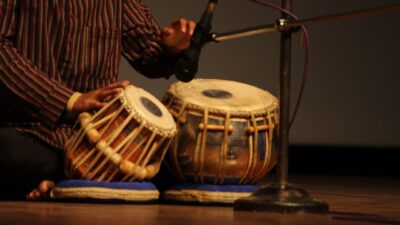
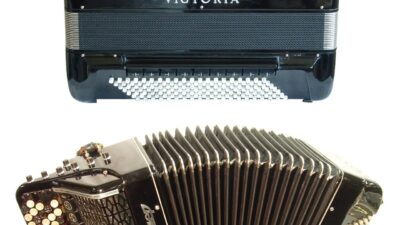
Shankar-Jaikishan's composition for 'Mujhe Kisi Se Pyar Ho Gaya' achieves one of music's most difficult goals: capturing a state of emotional ambiguity (the bewilderment of newly arrived love) in a melody that is itself clear and beautiful. The melody has a sighing, circling quality — it keeps returning to its starting note, like a mind returning again and again to the thought of the beloved. The instrumentation is light and airy — strings shimmer, the accordion adds a gentle European warmth, the tabla provides a pulse that is barely more than a heartbeat. Lata's voice is deployed at its most intimate and conversational, the song sounding less like a performance than like a private confession overheard.
काव्य The Poetry
हसरत जयपुरी की पहली फ़िल्मी रचना में वह गुण पहले से मौजूद है जो उन्हें स्वर्ण युग के सबसे प्रिय गीतकारों में से एक बनाएगा: एक पूरे भावनात्मक अनुभव को चंद बातचीत-जैसी पंक्तियों में समेटना। 'मुझे किसी से प्यार हो गया / जाने कब और कैसे हो गया' — 'जाने' और 'किसी से' का प्रयोग आशिक की हतप्रभ हैरत पकड़ता है: प्यार बिना बुलाए आया, बिना नाम के, और पहले से ही ज़बरदस्त। उर्दू-हिंदी रोमांटिक परंपरा की गहराई, बोलचाल की आसान भाषा में।
अंग्रेज़ी में पढ़ें · Read in English
Hasrat Jaipuri's debut lyric is already marked by the quality that would make him one of the Golden Era's most beloved lyricists: the ability to compress an entire emotional experience into a few conversational lines. 'Mujhe kisi se pyar ho gaya / jaane kab aur kaise ho gaya' — the use of 'jaane' (who knows!) and 'kisi se' (with someone) captures the lover's stunned bewilderment: love arrived uninvited, unnamed and already overwhelming. This is the Urdu-Hindi romantic tradition at its most accessible — the ghazal's emotional depth in the language of ordinary conversation.
कहानी The Story
हसरत जयपुरी (इक़बाल हुसैन) जयपुर के एक बस कंडक्टर और शायर थे जिन्हें राज कपूर ने बॉम्बे के एक मुशायरे में उनकी शायरी सुनकर पहचाना। एक अनजान बस कंडक्टर को पहली फ़िल्म का काम देने का यह इशारा राज कपूर की उस स्वाभाविक, उत्साही उदारता का प्रमाण है जो उन्हें इतनी प्रतिभाओं का चुंबक बनाती थी। 'बरसात' (1950) ने एकसाथ दो बड़े गीतकारों — शैलेन्द्र और हसरत जयपुरी — को लॉन्च किया। 'मुझे किसी से प्यार हो गया' पहला गीत था जिसने हसरत को सार्वजनिक पहचान दिलाई।
अंग्रेज़ी में पढ़ें · Read in English
Hasrat Jaipuri (Iqbal Hussain) was a bus conductor and poet from Jaipur who had caught Raj Kapoor's attention by reciting poetry at a mushaira (poetic gathering) in Bombay. Raj Kapoor's gesture of giving an unknown bus conductor his first film assignment was characteristic of the instinctive, impulsive generosity that made him such a magnet for talent. Barsaat (1950) thus launched not one but two major lyricists — Shailendra and Hasrat Jaipuri — simultaneously, giving Hindi film music two of the voices that would define its next two decades. 'Mujhe Kisi Se Pyar Ho Gaya' was Hasrat Jaipuri's first song to receive major public attention.
विरासत The Legacy
हसरत जयपुरी ने अपने करियर में 3000 से अधिक फ़िल्मी गीत लिखे, जिनमें हिंदी फ़िल्म इतिहास के कुछ सबसे प्रसिद्ध रोमांटिक बोल शामिल हैं। 'मुझे किसी से प्यार हो गया' इस असाधारण गीत-करियर का आरंभ-बिंदु है। गीत का केंद्रीय रूपक — प्यार वह चीज़ है जो पहले होती है, समझ बाद में आती है — हिंदी फ़िल्म शायरी में अनगिनत बार लौटा, लेकिन हसरत का पहला संस्करण सबसे सहज और सीधा रहा।
अंग्रेज़ी में पढ़ें · Read in English
Hasrat Jaipuri went on to write over 3,000 film songs across his career, including some of the most celebrated romantic lyrics in Hindi film history — from Shankar-Jaikishan films like Awaara (1951), Shree 420 (1955), Sangam (1964) to innumerable others. 'Mujhe Kisi Se Pyar Ho Gaya' stands as the beginning of this extraordinary lyrical career. The song's central metaphor — love as something that happens before you understand it — would be revisited countless times in Hindi film poetry, but Hasrat Jaipuri's original formulation remains one of the most natural and direct.
वर्गीकरण
Classification- Tempo
- Medium
Genre
अन्य विवरण
More Details- Wikipedia: Hasrat Jaipuri — https://en.wikipedia.org/wiki/Hasrat_Jaipuri
- Wikipedia: Barsaat (1950 film) — https://en.wikipedia.org/wiki/Barsaat_(1950_film)
- Wikipedia: Shankar-Jaikishan — https://en.wikipedia.org/wiki/Shankar-Jaikishan
- Songs of Yore: Best songs of 1950 — https://www.songsofyore.com/best-songs-of-1950/
- Javed Akhtar interviews on Hindi film lyric writing traditions
References
रोचक तथ्य
Margin Notesहसरत जयपुरी एक बस कंडक्टर और अंशकालिक कवि थे, जिन्हें राज कपूर ने बंबई के एक मुशायरे में खोजा था — यह हिंदी फ़िल्म संगीत की सबसे मशहूर 'खोज' कहानियों में से एक है।
अंग्रेज़ी में पढ़ें · Read in English
Hasrat Jaipuri was a bus conductor and part-time poet who was discovered by Raj Kapoor at a mushaira in Bombay — one of Hindi film music's most celebrated 'discovery' stories.
बरसात (1950) दो प्रमुख गीतकारों — शैलेन्द्र और हसरत जयपुरी — की एक साथ फ़िल्मी शुरुआत थी; दोनों के करियर ने मिलकर हज़ारों यादगार फ़िल्मी गीत रचे।
अंग्रेज़ी में पढ़ें · Read in English
Barsaat (1950) marked the simultaneous debut of two major lyricists — Shailendra and Hasrat Jaipuri — both launching careers that would collectively produce thousands of memorable film songs.
हसरत जयपुरी ने आगे चलकर 3,000 से अधिक फ़िल्मी गीत लिखे और शंकर-जयकिशन के सबसे भरोसेमंद गीतकार-सहयोगियों में से एक बन गए।
अंग्रेज़ी में पढ़ें · Read in English
Hasrat Jaipuri went on to write over 3,000 film songs, becoming one of Shankar-Jaikishan's most trusted lyrical collaborators.
वाक्यांश 'मुझे किसी से प्यार हो गया' प्रेम में पड़ने के आश्चर्य को व्यक्त करने वाली हिंदी की सबसे अधिक उद्धृत अभिव्यक्तियों में से एक बन गया।
अंग्रेज़ी में पढ़ें · Read in English
The phrase 'mujhe kisi se pyar ho gaya' ('I fell in love with someone') became one of Hindi's most quoted expressions for the surprise of falling in love.
अनजान प्रतिभाओं — शंकर-जयकिशन, शैलेन्द्र, हसरत जयपुरी, मुकेश — सभी को एक ही फ़िल्म में मौका देने की राज कपूर की निरंतर तत्परता, स्वर्ण युग के हिंदी सिनेमा में संरक्षण के सबसे महत्वपूर्ण कार्यों में से एक थी।
अंग्रेज़ी में पढ़ें · Read in English
Raj Kapoor's consistent willingness to launch unknown talent — Shankar-Jaikishan, Shailendra, Hasrat Jaipuri, Mukesh — all in the same film — was one of the most significant acts of patronage in Golden Era Hindi cinema.
नमूना-पट्टी
The Specimen Table| शीर्षक | मुझे किसी से प्यार हो गया · Mujhe Kisi Se Pyar Ho Gaya |
|---|---|
| वर्ष · युग | 1950 — Golden Era |
| गायक | Lata Mangeshkar |
| गीतकार | Hasrat Jaipuri |
| संगीतकार | Shankar-Jaikishan |
| स्वरूप | एकल महिला |
| गति | मध्यम |
| अवधि | 2:58 |
| भाषा | Urdu · Hindi |
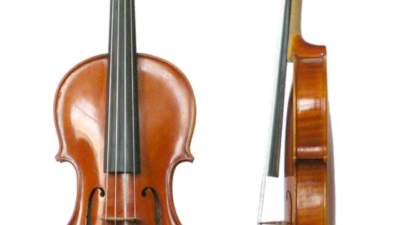
| वाद्य | violin · harmonium · tabla · accordion |
| भाव | मीठा-कड़वा · आनंदित · Joyful · रोमांटिक |
| लोकप्रियता | Very_popular |
| बोल-स्थिति | केवल झलक |
जुड़े हुए पन्ने
Connected Plates · The Graph Made Visibleअटलस में कोई पन्ना अकेला नहीं — इस गीत से जुड़े गीत, कलाकार, फ़िल्म, राग-ताल-विधा, सब यहाँ से खुलते हैं।
मिलते-जुलते गीत · Related Songs
कलाकार · The Artists
युग · The Era
साझा कीजिए · Share this Plate
यह पन्ना आगे बढ़ाइए
हसरत जयपुरी ने अपना पहला फ़िल्मी गीत ऐसे लिखा जैसे वे हमेशा से यही करते आए हों — और एक तरह से, किया भी था।
Hasrat Jaipuri wrote his first film song as if he had been writing them all his life — which, in a way, he had.
— Lyricist Javed Akhtar on Hasrat Jaipuri's natural gift for conversational poetry
सवाल-जवाब
Questions & Answers'मुझे किसी से प्यार हो गया' किसने लिखा? · Who wrote the lyrics of 'Mujhe Kisi Se Pyar Ho Gaya'?
बोल हसरत जयपुरी ने लिखे — 'बरसात' (1950) के लिए उनके पहले फ़िल्मी गीतों में से यह एक था। हसरत जयपुरी जयपुर के एक बस कंडक्टर और शायर थे जिन्हें राज कपूर ने एक मुशायरे में खोजा था। आगे उन्होंने 3000 से अधिक फ़िल्मी गीत लिखे।
The lyrics are by Hasrat Jaipuri — this was among his first film songs, written for Barsaat (1950). Hasrat Jaipuri was a bus conductor and poet from Jaipur discovered by Raj Kapoor at a mushaira. He went on to write over 3,000 film songs, many with Shankar-Jaikishan.