कलाकार विंग · कलाकार-पट्टिका · Artist Plate
प्रेम धवन
Prem Dhawan
जन्म1923 — Amritsar, Punjab, British India
निधन2001
जीवन-पट्टी
The Life Specimen| नाम | प्रेम धवन · Prem Dhawan |
|---|---|
| जन्म | 1923 — Amritsar, Punjab, British India |
| निधन | 2001 |
| भूमिकाएँ | गीतकार · गायक |
| सक्रिय वर्ष | 1946–1990 |
| राष्ट्रीयता | Indian |
| विधाएँ | देशभक्ति · फ़िल्मी |
| भाषाएँ | hindi |
पट्टिका-लेख
The Monographजीवनी Biography
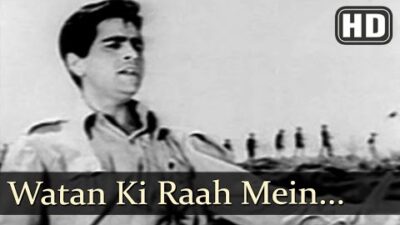
प्रेम धवन 1940 के दशक के अंत और 1950 के दशक के हिंदी फ़िल्म संगीत के सबसे प्रतिबद्ध गीतकारों में से एक थे — एक ऐसे कवि जिनके शब्दों में स्वतंत्रता-युग की आदर्शवादिता और स्वर्ण युग की रोमांटिक व्यापकता दोनों थीं। अमृतसर में जन्मे, वे मुंबई आए और एक ऐसे गीतकार के रूप में स्थापित हुए जिनकी स्वाभाविक भाषा वह गर्म, सुलभ हिंदुस्तानी पद था जो शिक्षित और जन-दोनों दर्शकों से समान रूप से संवाद करता था। वे 1948–1951 की देशभक्ति धारा से गहरे जुड़े थे — 'शहीद' (1948) के लिए उनके बोल, ग़ुलाम हैदर की धुनों और राजकुमारी व अन्य की आवाज़ों में, रिकॉर्ड पर सबसे आवेगपूर्ण स्वतंत्रता-युगीन फ़िल्मी गीतों में से हैं। 'वतन की राह में' उनकी सबसे प्रसिद्ध उपलब्धि है।
अंग्रेज़ी में पढ़ें · Read in English
Prem Dhawan was one of Hindi film music's most committed lyricists of the late 1940s and 1950s — a poet whose words carried both the idealism of the independence era and the romantic sweep of the Golden Age. Born in Amritsar, he came to Bombay and established himself as a lyricist whose natural idiom was the warm, accessible Hindustani verse that spoke equally to literate and mass audiences. He was closely associated with the patriotic current of 1948–1951 — his lyrics for Shaheed (1948), set by Ghulam Haider and sung by Rajkumari and others, are among the most charged independence-era film songs on record. 'Watan Ki Raah Mein' stands as his most celebrated achievement. He also wrote for a wide range of mainstream films through the 1950s and 1960s. As a lyricist he belonged to the populist-humanist tradition — deeply Hindustani in vocabulary, resistant to the Persianised Urdu register that dominated the era, and committed to clarity of feeling over virtuosity of form.
प्रारंभिक जीवन Early Life
अमृतसर के पंजाबी-हिंदू माहौल से; 1940 के दशक के मध्य में मुंबई आए और प्रगतिशील तथा राष्ट्रवादी संपर्कों के ज़रिए फ़िल्मी गीत की दुनिया में प्रवेश किया।
अंग्रेज़ी में पढ़ें · Read in English
From Amritsar's Punjabi-Hindu milieu; arrived in Bombay in the mid-1940s and entered the film lyric trade through progressive and nationalist connections.
करियर Career
प्रमुख फ़िल्में: 'शहीद' (1948), 'अनोखा प्यार' (1948), और 1950-60 के दशक की कई अन्य फ़िल्में। प्रमुख सहयोगी संगीतकार: ग़ुलाम हैदर, अनिल बिस्वास, एस.डी. बर्मन। उनकी हिंदुस्तानी-पंजीकरण की कविता ने उन्हें सामाजिक रूप से प्रतिबद्ध सिनेमा के लिए स्वाभाविक रूप से उपयुक्त बनाया।
अंग्रेज़ी में पढ़ें · Read in English
Key films: Shaheed (1948), Anokha Pyar (1948), and many others through the 1950s-60s. Principal collaborating composers: Ghulam Haider, Anil Biswas, S.D. Burman. His Hindustani-register verse made him a natural fit for socially engaged cinema.
विरासत Legacy
'वतन की राह में' के लिए सबसे अधिक याद किए जाते हैं — एक गीत जिसने स्वतंत्रता-युग के शहादत के आदर्श को क्रिस्टलीकृत किया। उनके काम ने साबित किया कि हिंदुस्तानी (फ़ारसीकृत उर्दू के बजाय) हिंदी फ़िल्मी कविता का पूरा बोझ उठा सकती है।
अंग्रेज़ी में पढ़ें · Read in English
Best remembered for 'Watan Ki Raah Mein' — a song that crystallised the martyrdom ideal of the independence era. His work proved that Hindustani (rather than Persianised Urdu) could carry the full weight of Hindi film poetry.
गायन-शैली Musical Style
लोकतांत्रिक हिंदुस्तानी पद — स्पष्ट, प्रत्यक्ष, भावनात्मक रूप से पारदर्शी। भारी फ़ारसी के बजाय नागरी पंजीकरण को पसंद किया। उनके देशभक्ति गीतों में एक सादगी है जो उन्हें तुरंत गाने योग्य और दशकों तक यादगार बनाती है।
अंग्रेज़ी में पढ़ें · Read in English
Populist Hindustani verse — clear, direct, emotionally transparent. Preferred the Nagari register over heavy Persian. His patriotic lyrics have a simplicity that makes them singable at once and memorable for decades.
सांस्कृतिक प्रभाव Cultural Impact
देशभक्ति-धारा के गीतकार-संगीतकार — 'ऐ मेरे प्यारे वतन' से 'मेरा रंग दे बसंती चोला' ('शहीद' 1965, संगीतकार रूप में) तक।
अंग्रेज़ी में पढ़ें · Read in English
Lyricist-composer of the patriotic line — 'Ae Mere Pyare Watan' to 'Mera Rang De Basanti Chola' (as composer, Shaheed 1965).
तालीम, विधाएँ और भाषाएँ
Training · Genres · Languagesतालीम · Training
इप्टा आंदोलन; रविशंकर-मंडल
लोक-जड़ गीतकारी
विधाएँ · Genres
भाषाएँ · Languages Sung
जीवन-रेखा
Career Highlights- 1948 गीत-यात्रा आरंभ ('ज़िद्दी' काल) Lyric career opens (Ziddi era)
- 1970 पद्म श्री Padma Shri
अन्य विवरण
More Details- Birth Year
- 1923
- Death Year
- 2001
- Active Years
- 1946–1990
Early Life
अमृतसर के पंजाबी-हिंदू माहौल से; 1940 के दशक के मध्य में मुंबई आए और प्रगतिशील तथा राष्ट्रवादी संपर्कों के ज़रिए फ़िल्मी गीत की दुनिया में प्रवेश किया।
From Amritsar's Punjabi-Hindu milieu; arrived in Bombay in the mid-1940s and entered the film lyric trade through progressive and nationalist connections.
Career
प्रमुख फ़िल्में: 'शहीद' (1948), 'अनोखा प्यार' (1948), और 1950-60 के दशक की कई अन्य फ़िल्में। प्रमुख सहयोगी संगीतकार: ग़ुलाम हैदर, अनिल बिस्वास, एस.डी. बर्मन। उनकी हिंदुस्तानी-पंजीकरण की कविता ने उन्हें सामाजिक रूप से प्रतिबद्ध सिनेमा के लिए स्वाभाविक रूप से उपयुक्त बनाया।
Key films: Shaheed (1948), Anokha Pyar (1948), and many others through the 1950s-60s. Principal collaborating composers: Ghulam Haider, Anil Biswas, S.D. Burman. His Hindustani-register verse made him a natural fit for socially engaged cinema.
Legacy
'वतन की राह में' के लिए सबसे अधिक याद किए जाते हैं — एक गीत जिसने स्वतंत्रता-युग के शहादत के आदर्श को क्रिस्टलीकृत किया। उनके काम ने साबित किया कि हिंदुस्तानी (फ़ारसीकृत उर्दू के बजाय) हिंदी फ़िल्मी कविता का पूरा बोझ उठा सकती है।
Best remembered for 'Watan Ki Raah Mein' — a song that crystallised the martyrdom ideal of the independence era. His work proved that Hindustani (rather than Persianised Urdu) could carry the full weight of Hindi film poetry.
Musical Style
लोकतांत्रिक हिंदुस्तानी पद — स्पष्ट, प्रत्यक्ष, भावनात्मक रूप से पारदर्शी। भारी फ़ारसी के बजाय नागरी पंजीकरण को पसंद किया। उनके देशभक्ति गीतों में एक सादगी है जो उन्हें तुरंत गाने योग्य और दशकों तक यादगार बनाती है।
Populist Hindustani verse — clear, direct, emotionally transparent. Preferred the Nagari register over heavy Persian. His patriotic lyrics have a simplicity that makes them singable at once and memorable for decades.
अभिलेख-सार
Discography Summary| संग्रह में गीत | 2 — नीचे जुड़े हुए पन्नों में सूचीबद्ध |
|---|---|
| कुल ज्ञात रिकॉर्डिंग | 1 — 1 संग्रह में उपलब्ध |
| रिकॉर्डिंग-काल | 1948 · पहला सत्र 1948 |
| फ़िल्में व डिस्क | Shaheed 1948 |
| प्रमुख भूमिका | गीतकार |
| नित्य सहयोगी | Ghulam Haider · Rajkumari |
| हस्ताक्षर-गीत | Watan Ki Raah Mein |
| स्रोत | derived from the HindiGeet song archive |
जुड़े हुए पन्ने
Connected Plates · The Graph Made Visibleअटलस में कोई पन्ना अकेला नहीं — प्रेम धवन से उनके गीत, फ़िल्में, घराना, समकालीन और युग, सब यहाँ से खुलते हैं।
हस्ताक्षर-गीत · Signature Songs
फ़िल्में · The Films
साझा कीजिए · Share this Plate