शास्त्र विंग · वाद्य-पट्टिका · Instrument Plate
तुम्बी
Tumbi
पंजाब की आत्मा — भांगड़े का दिल धड़काने वाला एकल-तार · Soul of Punjab — the single string that makes Bhangra's heart beat
अन्य नामतुंबी · तुम्बा · Toombi · Toonba
एक पंक्तितुम्बी एक एकल-तारयुक्त प्लक किया जाने वाला वाद्य यंत्र है जो लौकी के शरीर और एक धातु के तार से बना है — पंजाबी लोक संगीत की सबसे पहचानी हुई आवाज़।
परिचय
Overviewतुम्बी पंजाब की सांस्कृतिक पहचान का एक अभिन्न हिस्सा है। इस छोटे से, सरल दिखने वाले वाद्य यंत्र में पंजाब की विशाल लोक परंपरा, उसकी मिट्टी की महक, और उसके लोगों का जीवन-रस समाहित है। तुम्बी की एक तीखी, धातुई आवाज़ में वह सब कुछ है जो पंजाब को पंजाब बनाता है — भांगड़े की धमाल, बैसाखी का उल्लास, किसान की मेहनत, और दिल का दर्द। सदियों पहले पंजाब के खेतों और मेलों में जन्मी तुम्बी आज वैश्विक मंच पर पहुँच गई है। पंजाबी डायस्पोरा के माध्यम से यह यंत्र UK, Canada, USA, और ऑस्ट्रेलिया तक पहुँचा है। आधुनिक भांगड़ा बैंड तुम्बी को इलेक्ट्रिक गिटार और ड्रम के साथ मिलाकर एक नया ध्वनि-अनुभव देते हैं। लेकिन चाहे वह पंजाब के किसी गाँव में बजे या टोरंटो के किसी स्टेज पर, तुम्बी की आवाज़ वही रहती है — तीखी, जीवंत, और आत्मा को झकझोरने वाली। तुम्बी का इतिहास पंजाब के इतिहास के साथ अविभाज्य रूप से जुड़ा है। मुगल काल में यह दरबारी संगीत का हिस्सा नहीं बनी क्योंकि वह लोगों के बीच की थी, दरबारों की नहीं। विभाजन (१९४७) के बाद जब पंजाब दो देशों में बँट गया, तुम्बी दोनों तरफ समान रूप से बजती रही — क्योंकि संगीत की कोई सरहद नहीं होती। आज पाकिस्तानी पंजाब में भी तुम्बी उतनी ही प्रिय है जितनी भारतीय पंजाब में। बॉलीवुड में तुम्बी का आगमन पंजाबी लोक संगीत के मुख्यधारा में आने के साथ हुआ। 'दिलवाले दुल्हनिया ले जाएंगे', 'दिल तो पागल है', 'कभी खुशी कभी गम' जैसी फिल्मों में पंजाबी लोक रंग लाने के लिए तुम्बी का उपयोग किया गया। आधुनिक युग में 'पंजाबी फ्यूज़न' की लहर में तुम्बी ने इलेक्ट्रॉनिक ध्वनियों के साथ मेल खाया और वैश्विक श्रोताओं को आकर्षित किया।
अंग्रेज़ी में पढ़ें · Read in English
Tumbi is an integral part of Punjab's cultural identity. This small, seemingly simple instrument contains Punjab's vast folk tradition, the fragrance of its soil, and its people's life-essence. In Tumbi's one sharp, metallic voice lies everything that makes Punjab Punjab — Bhangra's exuberance, Baisakhi's joy, the farmer's labor, and the heart's pain.
Born centuries ago in Punjab's fields and fairs, Tumbi has now reached the global stage. Through the Punjabi diaspora, it has spread to UK, Canada, USA, and Australia. Modern Bhangra bands combine Tumbi with electric guitar and drums to create a new sonic experience. But whether played in a Punjab village or on a Toronto stage, Tumbi's voice remains the same — sharp, vibrant, and soul-stirring.
Tumbi's history is inseparably intertwined with Punjab's history. During the Mughal era, it wasn't part of court music because it belonged to the people, not to courts. After Partition (1947), when Punjab was divided into two countries, Tumbi continued playing equally on both sides — because music knows no borders.
Bollywood's discovery of Tumbi coincided with Punjabi folk music entering the mainstream. Films used it to bring authentic Punjabi folk flavor. In the modern 'Punjabi Fusion' wave, Tumbi found harmony with electronic sounds and attracted global audiences.
काव्य-पंक्ति · The Verse
काव्य-पंक्ति
तुम्बी बोले सरसों के खेत में, पंजाब की रूह आवाज़ लगाए, एक तार में सारी कहानी है, जो सुने वो पंजाबी हो जाए।
— लोक परंपरा से प्रेरित The Tumbi speaks in mustard fields, calling out Punjab's very soul, In one string lies the whole story — whoever hears it, becomes Punjabi.
वर्गीकरण
ClassificationNatya Shastra
तत वाद्य — तार-युक्त वाद्य यंत्र
Tata Vadya — Stringed Instrument
नाट्यशास्त्र के वर्गीकरण के अनुसार तुम्बी 'तत' श्रेणी में आती है, जहाँ ध्वनि तार के कंपन से उत्पन्न होती है। यह एकल-तारयुक्त यंत्र लोक परंपरा का प्रतिनिधित्व करता है।
According to Natya Shastra classification, Tumbi belongs to the 'Tata' category where sound is produced by string vibration. This single-stringed instrument represents folk tradition.
Western
Chordophone
Plucked Lute
पश्चिमी संगीत वर्गीकरण में तुम्बी एक प्लक्ड कॉर्डोफोन है — एकल तार वाला एक लूट-श्रेणी का वाद्य यंत्र।
In Western classification, Tumbi is a plucked chordophone — a single-stringed instrument of the lute family.
Hornbostel Sachs
321.312
Composite chordophone — plucked lute with resonating gourd body
सिनेमा में
In Cinemaतुम्बी का बॉलीवुड में प्रवेश पंजाबी लोक संगीत के मुख्यधारा में आने के साथ हुआ। १९८०-९० के दशक से पंजाबी भांगड़ा के फिल्मी गीतों में तुम्बी की तीखी धातुई आवाज़ को पहचानना बेहद आसान हो गया। 'दिलवाले दुल्हनिया ले जाएंगे' (१९९५) जैसी फिल्मों में पंजाबी लोक रंग लाने के लिए तुम्बी का प्रयोग किया गया। आधुनिक बॉलीवुड में, जब भी पंजाबी थीम, भांगड़ा, या ग्रामीण पंजाब का चित्रण करना हो, तुम्बी की आवाज़ लगभग अनिवार्य हो जाती है। 'उड़ता पंजाब', 'सुल्तान', 'दंगल' जैसी फिल्मों में पंजाबी लोक संगीत के साथ तुम्बी सुनाई देती है।
अंग्रेज़ी में पढ़ें · Read in English
Tumbi entered Bollywood with the mainstreaming of Punjabi folk music. From the 1980s-90s, its sharp metallic voice became easily recognizable in filmi Bhangra songs. Films like 'Dilwale Dulhania Le Jayenge' (1995) used Tumbi to bring Punjabi folk flavor. In modern Bollywood, whenever Punjabi themes, Bhangra, or rural Punjab is depicted, Tumbi's voice becomes near-mandatory. It can be heard in films like 'Udta Punjab', 'Sultan', and 'Dangal'.
वर्तमान स्थिति
Modern Statusविवरण
तुम्बी आज भी एक जीवंत वाद्य यंत्र है जो पंजाबी लोक और फिल्मी संगीत दोनों में सक्रिय है। पंजाबी पॉप संगीत की वैश्विक लोकप्रियता के साथ तुम्बी भी अंतर्राष्ट्रीय मंच पर पहुँच गई है। आधुनिक भांगड़ा बैंड, डायस्पोरा कलाकार, और पॉप संगीतकार सभी तुम्बी का उपयोग करते हैं। हालाँकि, पारंपरिक लोक वादकों की संख्या घटती जा रही है क्योंकि युवा पीढ़ी गिटार और इलेक्ट्रॉनिक संगीत की ओर आकर्षित हो रही है।
अंग्रेज़ी में पढ़ें · Read in English
Tumbi remains a vibrant instrument today, active in both Punjabi folk and film music. With Punjabi pop music's global popularity, Tumbi has reached international stages. Modern Bhangra bands, diaspora artists, and pop musicians all use Tumbi. However, the number of traditional folk players is declining as youth are attracted to guitar and electronic music.
Estimated Players
5,000-10,000 active players globally
Revival Efforts
पंजाबी डायस्पोरा के माध्यम से UK, Canada, USA में तुम्बी की शिक्षा और प्रचार हो रहा है।
अंग्रेज़ी में पढ़ें · Read in English
Through Punjabi diaspora, Tumbi is being taught and promoted in UK, Canada, and USA.
बनावट
Physicalविवरण
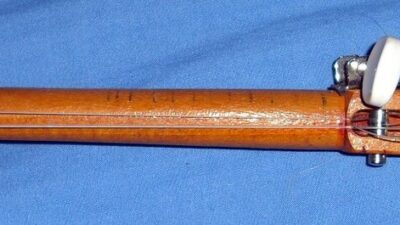
तुम्बी की संरचना अत्यंत सरल किंतु प्रभावशाली है। इसमें एक लंबी, पतली बांस या लकड़ी की छड़ी होती है जिसके एक सिरे पर एक तुम्बा (लौकी) जुड़ी होती है। यही तुम्बा इसका अनुरणन कक्ष (resonating chamber) है। छड़ी की लंबाई लगभग ७०-९० सेंटीमीटर होती है। तार एक धातु का तार होता है जो छड़ी के ऊपरी सिरे से तुम्बे तक फैला होता है। इस तार को एक खूँटी (peg) से कसा जाता है जो छड़ी के ऊपरी सिरे पर लगी होती है। तुम्बे की गोलाई और उसकी खाली आंतरिक संरचना ध्वनि को प्रवर्धित करती है। कुछ तुम्बियों में तुम्बे की जगह नारियल या लकड़ी का एक छोटा डिब्बा भी प्रयोग किया जाता है। यंत्र को पारंपरिक रूप से चमकीले रंगों, धागों और लोक कला के डिज़ाइन से सजाया जाता है।
अंग्रेज़ी में पढ़ें · Read in English
Tumbi's construction is simple yet effective. It consists of a long, thin bamboo or wooden stick with a tumba (gourd) attached at one end as the resonating chamber. The stick length is approximately 70-90 cm. A metal string stretches from the upper tip of the stick down to the gourd, tightened by a peg at the top. The gourd's hollow interior amplifies the sound. Some versions use coconut or a small wooden box instead of gourd. Traditionally decorated with bright colors, threads, and folk art designs.
Dimensions
70-90 cm
10-15 cm (gourd)
300-600 grams
Strings Or Keys
तुम्बी में केवल एक धातु का तार होता है। यही इसकी विशेषता है — एक ही तार से विभिन्न सुर और लय उत्पन्न करना। तार की मोटाई लगभग ०.४-०.७ मिमी होती है।
Tumbi has only one metal string. This is its defining feature — producing various notes and rhythms from a single string. String thickness is approximately 0.4-0.7 mm.
1 (एकल)
Steel or brass
Tuning
एकल-तार ट्यूनिंग, परंपरागत रूप से Sa (षड्ज) पर
Single-string tuning, traditionally at Sa (Shadja)
Sa (variable by performer preference)
1.5-2 octaves (by pressing the string)
Construction
सूखी लौकी जो ध्वनि को प्रवर्धित करती है। इसका नाम ही यंत्र को 'तुम्बी' नाम देता है। तुम्बे की गुणवत्ता यंत्र की ध्वनि को सीधे प्रभावित करती है।
Dried gourd that amplifies sound. Its name gives the instrument the name 'Tumbi'. Quality of the gourd directly affects the instrument's tone.
लंबी पतली छड़ी जो फिंगरबोर्ड का काम करती है। इस पर उंगलियाँ दबाकर सुर बदले जाते हैं। परंपरागत रूप से बांस की बनाई जाती है।
Long thin stick acting as the fingerboard. Pressing fingers on it changes the pitch. Traditionally made of bamboo.
एकल धातु का तार जो यंत्र की मुख्य ध्वनि उत्पन्न करता है। इसकी पतलाई और कसाव से उच्च-स्वर और तीखी आवाज़ निकलती है।
Single metal string that produces the main sound. Its thinness and tension create the high-pitched, sharp sound.
छड़ी के ऊपरी सिरे पर लगी लकड़ी की खूँटी जिससे तार की कसाव को समायोजित किया जाता है।
Wooden peg at the upper end of the stick used to adjust string tension and tuning.
तुम्बे पर लगी छोटी लकड़ी की घोड़ी जो तार को थोड़ा ऊपर उठाकर रखती है और ध्वनि को तुम्बे में स्थानांतरित करती है।
Small wooden bridge on the gourd that keeps the string slightly elevated and transfers vibration to the resonator.
ध्वनि-चरित्र
SoundTonal Character
तुम्बी की ध्वनि तीखी, उच्च-स्वरीय, और धातुई होती है — एक ऐसी आवाज़ जो तुरंत पंजाब के खेतों, भांगड़े की धमाल, और लोक गायकों की छवि उभार देती है। इसकी आवाज़ में एक विशेष 'नाक' जैसी तीखी गुणवत्ता होती है जो उसे भीड़ में भी अलग पहचाने जाने योग्य बनाती है। उच्च-स्वर में बजाया जाने पर यह यंत्र एक तीव्र, उत्साहवर्धक ऊर्जा उत्पन्न करता है।
अंग्रेज़ी में पढ़ें · Read in English
Tumbi's sound is sharp, high-pitched, and metallic — a voice that instantly evokes images of Punjab's fields, Bhangra's exuberance, and folk singers. Its nasal twang quality makes it recognizable even in crowded music. Played in higher registers, it generates intense, energizing energy.
Timbre
धातुई, तीखी, और नाक जैसी गूँज — लोक उत्सव की पहचान
अंग्रेज़ी में पढ़ें · Read in English
Metallic, sharp, nasal twang — signature of folk celebration
Dynamic Range
मध्यम से उच्च — खुले मैदानों में भी सुनाई देता है
अंग्रेज़ी में पढ़ें · Read in English
Medium to high — audible even in open fields
Comparison
मेंडोलिन की तीखी आवाज़ और एकतारे की सरलता का संयोग
अंग्रेज़ी में पढ़ें · Read in English
Combination of mandolin's sharpness and ektara's simplicity
वादन-तकनीक
Playing Techniqueविवरण
तुम्बी बजाना एक कला है जो सरल दिखती है लेकिन महारत पाने के लिए वर्षों का अभ्यास चाहती है। वादक तुम्बी को खड़े होकर या बैठकर बजाता है — भांगड़े में खड़े होकर, लोक गायन में बैठकर। दाईं हाथ की तर्जनी उंगली से तार को प्लक किया जाता है — एक विशेष ऊपर-नीचे की क्रिया में। बाईं हाथ की उंगलियाँ छड़ी पर विभिन्न स्थानों पर दबाव देती हैं जिससे सुर बदलते हैं। चूँकि केवल एक तार होता है, वादक को बड़ी कुशलता से उंगलियों की स्थिति बदलनी पड़ती है। तुम्बी की विशेष 'मुर्की' तकनीक में तार को प्लक करते समय उंगली को थोड़ा सरकाया जाता है जिससे एक मीठी गमक उत्पन्न होती है।
अंग्रेज़ी में पढ़ें · Read in English
Playing Tumbi appears simple but requires years to master. The player performs standing or sitting — standing for Bhangra, sitting for folk singing. The right hand's index finger plucks the string in an up-down motion. Left hand fingers press the stick at different positions to change pitch. With only one string, the player must skillfully shift finger positions. The special 'murki' technique involves slightly sliding the finger while plucking to produce a sweet gamak (ornament).
Posture
खड़े होकर (भांगड़ा) या बैठकर (लोक गायन) — यंत्र को सामने की तरफ रखते हुए
अंग्रेज़ी में पढ़ें · Read in English
Standing (Bhangra) or sitting (folk singing) — holding instrument facing forward
Techniques
तर्जनी उंगली से तार को ऊपर-नीचे करके बजाना। यह तुम्बी की मूलभूत क्रिया है। हर प्लक में एक स्पष्ट, तीखी आवाज़ उत्पन्न होती है।
Playing the string up and down with the index finger. This is the fundamental action. Each pluck produces a clear, sharp sound.
प्लक करते समय बाईं उंगली को छड़ी पर थोड़ा ऊपर या नीचे सरकाना। इससे एक मीठी, घुमावदार ध्वनि उत्पन्न होती है जो पंजाबी गायन की विशेषता है।
Sliding the left finger slightly up or down the stick while plucking. This produces a sweet, gliding sound characteristic of Punjabi singing.
एक ही सुर को बार-बार और तीव्रता से बजाना ताकि भांगड़े की लय में एक ड्रोन जैसी आधारभूमि बने। यह तकनीक समूह प्रदर्शन में बेहद महत्वपूर्ण है।
Repeatedly and intensely playing one note to create a drone-like foundation in Bhangra's rhythm. This technique is crucial in group performances.
तुरंत और तीव्रता से तार को बार-बार बजाना ताकि उत्साह की लहर पैदा हो। उन्नत वादकों की पहचान — भांगड़े के चरम क्षणों में प्रयोग।
Rapidly and intensely repeating string plucks to create a wave of excitement. Mark of advanced players — used at climactic moments of Bhangra.
ताल के विभिन्न खंडों को अलग-अलग सुरों से चिह्नित करना। यह तकनीक तुम्बी को लोक गायन में एक ताल-वाद्य के रूप में भी उपयोगी बनाती है।
Marking different sections of the rhythm with distinct pitches. This technique makes Tumbi useful as a rhythmic instrument in folk singing.
निर्माण-प्रक्रिया
Making Processविवरण
तुम्बी का निर्माण एक पारंपरिक शिल्प है जो पंजाब के ग्रामीण कारीगरों द्वारा किया जाता है। सबसे पहले एक परिपक्व और उचित आकार की लौकी (bottle gourd) को चुना जाता है और उसे महीनों तक सुखाया जाता है। सूखने के बाद उसे खोखला किया जाता है। फिर बांस या शीशम की एक पतली छड़ी को लौकी के निचले हिस्से से जोड़ा जाता है। छड़ी के ऊपरी सिरे पर एक लकड़ी की खूँटी लगाई जाती है। धातु का तार छड़ी से लेकर लौकी तक फैलाया जाता है। घोड़ी को लौकी पर फिट किया जाता है। अंत में यंत्र को सजाया जाता है — रंगीन धागे, लाख की नक्काशी, और दर्पण के टुकड़े लगाए जाते हैं।
अंग्रेज़ी में पढ़ें · Read in English
Tumbi making is a traditional craft by Punjab's rural artisans. First, a mature, appropriately-sized bottle gourd is selected and dried for months. After drying, it's hollowed out. A thin bamboo or rosewood stick is then attached to the lower part. A wooden peg is fixed at the upper end. A metal string is stretched from the stick to the gourd. A bridge is fitted on the gourd. Finally, the instrument is decorated with colored threads, lacquer carvings, and mirror pieces.
Materials
अनुरणन कक्ष के रूप में — ध्वनि की गुणवत्ता का मुख्य निर्धारक।
As resonating chamber — primary determinant of sound quality.
मुख्य छड़ी के लिए — हल्की और मजबूत लकड़ी।
For the main stick — light and strong wood.
एकल तार — यंत्र की मुख्य ध्वनि उत्पन्न करता है।
Single string — produces the instrument's main sound.
रंगीन धागे, लाख, दर्पण के टुकड़े — पंजाबी लोक कला परंपरा।
Colored threads, lacquer, mirror pieces — Punjabi folk art tradition.
Artisan Centers
जालंधर भारत का सबसे बड़ा संगीत वाद्य यंत्र निर्माण केंद्र है जहाँ तुम्बी भी बनती है।
Jalandhar is India's largest music instrument manufacturing hub where Tumbi is also produced.
पारंपरिक कारीगर जो हाथ से तुम्बी बनाते हैं।
Traditional artisans who handcraft Tumbi.
पाकिस्तानी पंजाब में भी तुम्बी बनाने की परंपरा जीवित है।
Tradition of making Tumbi also alive in Pakistani Punjab.
Time To Craft
1-2 weeks (including gourd drying time: 3-6 months)
Price Range
₹500-5,000
संगीत-समूह में भूमिका
Role In EnsemblePrimary Role
भांगड़े और लोक गायन में एकल मेलोडिक वाद्य
अंग्रेज़ी में पढ़ें · Read in English
Solo melodic instrument in Bhangra and folk singing
Solo Capability
तुम्बी अपने आप में एक पूर्ण एकल वाद्य यंत्र है — विशेषकर लोक गायन में।
अंग्रेज़ी में पढ़ें · Read in English
Tumbi is a complete solo instrument in its own right — especially in folk singing.
Accompaniment For
भांगड़े में तुम्बी की ऊँची तीखी आवाज़ ढोल की लय के साथ मिलकर उत्साह और ऊर्जा को कई गुना बढ़ा देती है।
In Bhangra, Tumbi's high sharp voice combines with dhol's rhythm to multiply the excitement and energy manifold.
लोक गायक अक्सर तुम्बी के साथ अपने गीत गाते हैं — यह गीत की माधुर्य-रेखा को रेखांकित करती है।
Folk singers often accompany their songs with Tumbi — it underlines the melodic line of the song.
महिलाओं के लोक नृत्य गिद्दा में भी तुम्बी का प्रयोग होता है।
Tumbi is also used in Gidda, the women's folk dance form.
लोक संगीत में
In Folk Musicतुम्बी पंजाबी लोक संगीत की रीढ़ है। सदियों से पंजाब के किसान, चरवाहे, और लोक कलाकार इसे बजाते आए हैं। खेतों में काम करते समय, फसल कटाई के उत्सव में, शादी-ब्याह में, और ऋतु-परिवर्तन के त्योहारों में तुम्बी की आवाज़ गूँजती थी। बैसाखी के अवसर पर भांगड़े में तुम्बी अनिवार्य रूप से होती है। लोक गायक (ढाड़ी) इसे अपनी वीर रचनाओं के साथ बजाते हैं। तुम्बी केवल एक वाद्य यंत्र नहीं, बल्कि पंजाब की आत्मा की अभिव्यक्ति है।
अंग्रेज़ी में पढ़ें · Read in English
Tumbi is the backbone of Punjabi folk music. For centuries, Punjab's farmers, shepherds, and folk artists have played it. Its sound resonated while working in fields, during harvest celebrations, at weddings, and in seasonal festivals. During Baisakhi, Tumbi is essential to Bhangra. Folk singers (Dhadi) play it with their heroic compositions. Tumbi is not just an instrument — it is an expression of Punjab's soul.
क्षेत्रीय रूप
Regional Variantsजालंधर और आसपास के क्षेत्र में बनी तुम्बी — आधुनिक फिल्मी संगीत में भी प्रयुक्त।
Tumbi made in Jalandhar and surrounding areas — used in modern film music too.
लाहौर क्षेत्र में बनी तुम्बी — पाकिस्तानी लोक संगीत में प्रमुख।
Tumbi made in Lahore area — prominent in Pakistani folk music.
तुम्बी को अल्गोज़ा (दोहरी बाँसुरी) के साथ मिलाकर एक समृद्ध लोक वाद्य-जोड़ी बनाई जाती है।
Tumbi paired with Algoza (double flute) to create a rich folk instrument duo.
प्रसिद्ध वादक
Famous Playersपंजाबी लोक संगीत के सम्राट कुलदीप मानक ने तुम्बी को लोकप्रिय बनाने में महत्वपूर्ण योगदान दिया। उनके गीतों में तुम्बी की आवाज़ एक अनिवार्य तत्व थी। 'शेर-ए-पंजाब' के नाम से मशहूर मानक के कार्यक्रमों में तुम्बी-वादन एक विशेष आकर्षण था।
Emperor of Punjabi folk music, Kuldeep Manak played a key role in popularizing Tumbi. Its voice was an essential element in his songs. Known as 'Sher-e-Punjab', Manak's performances featured Tumbi as a special attraction.
पंजाबी लोक और सूफ़ी संगीत के प्रमुख गायक हंस राज हंस ने तुम्बी के प्रयोग को अपने गीतों में प्रमुखता दी। उनके कई लोकप्रिय गीतों में तुम्बी की विशेष भूमिका है।
Leading singer of Punjabi folk and Sufi music, Hans Raj Hans gave Tumbi prominence in his songs. Several of his popular songs feature Tumbi prominently.
पंजाब के 'महागायक' गुरदास मान के लोक गीतों में तुम्बी एक अभिन्न साथी रही है। उनके गीत 'की बन्दु तेरा नाम' और कई अन्य रचनाओं में तुम्बी की सुमधुर आवाज़ सुनाई देती है।
Punjab's 'Mahagayak' Gurdas Maan has had Tumbi as an integral companion in his folk songs. Its melodious voice can be heard in his songs like 'Ki Banu Tera Naam' and many others.
आधुनिक पंजाबी संगीत के कवि-गायक सतिंदर सरताज ने तुम्बी की लोक पहचान को अपने सुफियाना संगीत में जीवित रखा है।
Poet-singer Satinder Sartaaj of modern Punjabi music has kept Tumbi's folk identity alive in his Sufi-inspired music.
भजन और लोक गायन के लिए प्रसिद्ध लखबीर सिंह लखा के कई भजनों और लोक गीतों में तुम्बी की पहचानी आवाज़ सुनाई देती है।
Famous for bhajans and folk singing, Lakhbir Singh Lakha's many bhajans and folk songs feature Tumbi's recognizable voice.
राग-उपयुक्तता
Raag Suitabilityयह राग पंजाबी लोक संगीत के करीब है और तुम्बी की सुरावली के साथ अच्छी तरह मेल खाता है।
This raag is close to Punjabi folk music and blends well with Tumbi's melodic character.
भैरवी की विदाई-मूड तुम्बी की भावुक और तीखी आवाज़ के साथ मेल खाती है।
Bhairavi's farewell mood matches with Tumbi's emotional and sharp voice.
काफी राग का लोक-स्वभाव तुम्बी की प्रकृति के अनुकूल है — दोनों मिलकर एक सुंदर वातावरण बनाते हैं।
Kafi raag's folk nature suits Tumbi's character — together they create a beautiful atmosphere.
पहाड़ी राग की सरलता और मिठास तुम्बी के साथ विशेष रूप से प्रभावशाली लगती है।
Pahadi raag's simplicity and sweetness sounds particularly effective with Tumbi.
घराना-संबंध
Gharana Connectionsतुम्बी किसी औपचारिक घराने से नहीं बल्कि पंजाब की लोक परंपरा से जुड़ी है।
Tumbi is not connected to any formal gharana but to Punjab's folk tradition.
सीखने का मार्ग
Learning Pathविवरण
तुम्बी सीखने की कोई औपचारिक शिक्षा प्रणाली नहीं है — यह गुरु-शिष्य परंपरा और पारिवारिक विरासत के माध्यम से सिखाई जाती है। शुरुआत में यंत्र की मूल बनावट और तार की ट्यूनिंग समझनी पड़ती है। पहले महीने में मूल प्लकिंग तकनीक सीखी जाती है। दूसरे और तीसरे महीने में उंगलियों की स्थिति बदलकर सुर बदलना सीखते हैं। छह महीने के अंत तक सरल लोक धुनें बजाई जा सकती हैं। मुर्की और झाला जैसी उन्नत तकनीकों के लिए कम से कम एक वर्ष का अभ्यास चाहिए।
अंग्रेज़ी में पढ़ें · Read in English
There is no formal education system for learning Tumbi — it is taught through guru-shishya tradition and family heritage. Initially, the instrument's basic structure and string tuning must be understood. In the first month, basic plucking technique is learned. In months two and three, changing pitch by shifting finger positions is practiced. By the end of six months, simple folk tunes can be played. Advanced techniques like murki and jhala require at least one year of practice.
Beginner Steps
पहला सप्ताह — यंत्र को पहचानना, तार कसना, और सही सुर पर ट्यून करना।
Week one — identifying the instrument, tightening the string, and tuning to correct pitch.
दूसरे सप्ताह से — एक-एक सुर बजाना, तर्जनी की सही स्थिति सीखना।
From week two — playing one note at a time, learning correct index finger position.
दूसरे महीने से — बाईं उंगली को छड़ी पर अलग-अलग स्थानों पर रखकर सुर बदलना।
From second month — changing pitch by placing left finger at different positions on the stick.
तीसरे महीने से — पंजाबी लोक धुनें बजाना जैसे 'जुगनी' और 'बोलियाँ'।
From third month — playing Punjabi folk tunes like 'Jugni' and 'Boliyan'.
सामान्य अवधि
6 months for basic proficiency; 2-3 years for mastery
संस्थान
कुछ सांस्कृतिक केंद्रों में तुम्बी सिखाई जाती है।
Some cultural centers teach Tumbi.
परिवार और गुरु-शिष्य परंपरा मुख्य शिक्षण माध्यम।
Family and guru-shishya tradition as main teaching medium.
सांस्कृतिक महत्व
Cultural Significanceतुम्बी पंजाब की सांस्कृतिक अस्मिता का प्रतीक है। यह यंत्र पंजाबी लोगों की जीवटता, उनकी खुशमिजाज़ी, और उनकी लोक परंपरा को एक आवाज़ देता है। भांगड़े में तुम्बी की उपस्थिति इस नृत्य को उसकी प्रामाणिक पहचान देती है। पंजाबी साहित्य में तुम्बी का उल्लेख एक सांस्कृतिक प्रतीक के रूप में आता है। धार्मिक दृष्टि से, तुम्बी को सिख लोक परंपरा में भी महत्व प्राप्त है। गुरु नानक देव जी के समय से पंजाबी लोक संगीत और भक्ति संगीत का गहरा संबंध रहा है, और तुम्बी इस परंपरा का हिस्सा है।
अंग्रेज़ी में पढ़ें · Read in English
Tumbi symbolizes Punjab's cultural identity. This instrument gives voice to Punjabi people's resilience, their cheerfulness, and their folk tradition. Tumbi's presence in Bhangra gives the dance its authentic identity. In Punjabi literature, Tumbi is referenced as a cultural symbol. Religiously, Tumbi also holds significance in Sikh folk tradition. Since the time of Guru Nanak Dev Ji, Punjabi folk music and devotional music have been deeply connected, and Tumbi is part of this tradition.
सुनने का मार्गदर्शन
The Listening Guideतुम्बी सुनने के लिए, पहले ढोल की लय पर ध्यान दें — फिर उसके ऊपर तुम्बी की तीखी धातुई आवाज़ को खोजें। कुलदीप मानक के किसी पुराने रिकॉर्डिंग से शुरुआत करें। उनकी आवाज़ के साथ तुम्बी किस प्रकार मेल खाती है, यह नोटिस करें। फिर गुरदास मान का कोई लोक गीत सुनें जहाँ तुम्बी की एकाकी आवाज़ विशेष रूप से स्पष्ट होती है। भांगड़ा प्रदर्शन में तुम्बी वादक को देखें — उनके हाथ की तेज़ी और उंगलियों की कुशलता पर ध्यान दें।
अंग्रेज़ी में पढ़ें · Read in English
To listen to Tumbi, first focus on the dhol's rhythm — then find Tumbi's sharp metallic voice above it. Start with an old recording of Kuldeep Manak. Notice how Tumbi harmonizes with his voice. Then listen to a folk song by Gurdas Maan where Tumbi's solo voice is particularly clear. Watch a Bhangra performance's Tumbi player — note the speed of their hand and dexterity of fingers.
श्रवण-कक्ष · The Listening Room
देखें-सुनें
तुम्बी एकल — पंजाबी लोक वाद्य · पंजाबी लोक कलाकार · 5:00
भांगड़ा में तुम्बी · भांगड़ा दल · 4:30
परिचय
Identity- Year Of Origin
- 1700
वर्गीकरण
Classification- Code
- 321.312
- Description
- Composite chordophone — plucked lute with resonating gourd body
- Category
- तत वाद्य — तार-युक्त वाद्य यंत्र
- Category En
- Tata Vadya — Stringed Instrument
- Description
- नाट्यशास्त्र के वर्गीकरण के अनुसार तुम्बी 'तत' श्रेणी में आती है, जहाँ ध्वनि तार के कंपन से उत्पन्न होती है। यह एकल-तारयुक्त यंत्र लोक परंपरा का प्रतिनिधित्व करता है।
- Description En
- According to Natya Shastra classification, Tumbi belongs to the 'Tata' category where sound is produced by string vibration. This single-stringed instrument represents folk tradition.
Hornbostel Sachs
Natya Shastra
अन्य विवरण
More Details- तुम्बा — अनुरणन कक्ष — सूखी लौकी जो ध्वनि को प्रवर्धित करती है। इसका नाम ही यंत्र को 'तुम्बी' नाम देता है। तुम्बे की गुणवत्ता यंत्र की ध्वनि को सीधे प्रभावित करती है। · Tumba — Resonating Gourd
- डंडा — मुख्य छड़ी — लंबी पतली छड़ी जो फिंगरबोर्ड का काम करती है। इस पर उंगलियाँ दबाकर सुर बदले जाते हैं। परंपरागत रूप से बांस की बनाई जाती है। · Danda — Main Stick
- तार — मेटल स्ट्रिंग — एकल धातु का तार जो यंत्र की मुख्य ध्वनि उत्पन्न करता है। इसकी पतलाई और कसाव से उच्च-स्वर और तीखी आवाज़ निकलती है। · Taar — Metal String
- खूँटी — ट्यूनिंग पेग — छड़ी के ऊपरी सिरे पर लगी लकड़ी की खूँटी जिससे तार की कसाव को समायोजित किया जाता है। · Khunti — Tuning Peg
- घोड़ी — ब्रिज — तुम्बे पर लगी छोटी लकड़ी की घोड़ी जो तार को थोड़ा ऊपर उठाकर रखती है और ध्वनि को तुम्बे में स्थानांतरित करती है। · Ghodi — Bridge
- System
- एकल-तार ट्यूनिंग, परंपरागत रूप से Sa (षड्ज) पर
- System En
- Single-string tuning, traditionally at Sa (Shadja)
- Standard Tuning
- Sa (variable by performer preference)
- Range
- 1.5-2 octaves (by pressing the string)
- Timbre
- धातुई, तीखी, और नाक जैसी गूँज — लोक उत्सव की पहचान
Construction
Tuning
रोचक तथ्य
Margin Notesतुम्बी का नाम 'तुम्बा' (लौकी) से आया है — वही लौकी जो इसके अनुरणन कक्ष के रूप में प्रयुक्त होती है। कुछ विद्वानों का मानना है कि तुम्बी शब्द संस्कृत के 'तुम्बी' (gourd) से निकला है जो शतसहस्र वर्षों पुरानी भाषा परंपरा का हिस्सा है।
Tumbi's name comes from 'Tumba' (gourd) — the very gourd used as its resonating chamber. Some scholars believe the word Tumbi derives from Sanskrit 'tumbi' (gourd), part of a language tradition thousands of years old.
विभाजन (१९४७) के बाद, पंजाबी शरणार्थियों ने तुम्बी को अपने साथ दिल्ली, उत्तर प्रदेश, और पूरे उत्तर भारत में फैलाया। यह संगीत उनकी नई पहचान का हिस्सा बन गया और उन्हें अपनी जड़ों से जोड़े रखा।
After Partition (1947), Punjabi refugees spread Tumbi with them to Delhi, UP, and across north India. This music became part of their new identity and kept them connected to their roots.
तुम्बी भांगड़ा में एकमात्र मेलोडिक वाद्य यंत्र है जो पारंपरिक रूप से शामिल होता है — बाकी सभी ताल-वाद्य होते हैं (ढोल, ढोलकी, टिम्मी)। इसी कारण तुम्बी का महत्व भांगड़े में असाधारण है।
Tumbi is the only melodic instrument traditionally included in Bhangra — all other instruments are percussion (dhol, dholki, timmi). This is why Tumbi's importance in Bhangra is extraordinary.
आधुनिक पंजाबी पॉप में 'तुम्बी का सैंपल' एक लोकप्रिय इलेक्ट्रॉनिक ध्वनि बन गया है। अंतरराष्ट्रीय संगीत प्रोड्यूसर इस ध्वनि को अपने ट्रैक में शामिल करते हैं ताकि 'पंजाबी फ्लेवर' आ सके। इस प्रकार तुम्बी डिजिटल युग में भी प्रासंगिक रही है।
In modern Punjabi pop, the 'Tumbi sample' has become a popular electronic sound. International music producers include this sound in their tracks to add 'Punjabi flavor'. This has kept Tumbi relevant in the digital age.
तुम्बी सीखने की कोई आधिकारिक परीक्षा या प्रमाणपत्र नहीं है — यह केवल परंपरागत तरीके से सिखाई जाती है। इसके विपरीत, सितार या सरोद के लिए कई संस्थाओं के औपचारिक पाठ्यक्रम उपलब्ध हैं। तुम्बी की यह 'अनौपचारिकता' ही इसे सच्ची लोक कला बनाती है।
There is no official examination or certificate for learning Tumbi — it is only taught traditionally. In contrast, formal courses are available for sitar or sarod. This 'informality' of Tumbi is what makes it a true folk art.
Punjabi folk singers traditionally play Tumbi while walking and dancing simultaneously — a skill that requires years of coordination practice. In Bhangra performance, the Tumbi player often does the most energetic footwork while maintaining the high-pitched melody.
क्या आप जानते हैं?
Did You Knowतुम्बी दुनिया के कुछ चुनिंदा एकल-तार वाद्य यंत्रों में से एक है जो लोक उत्सव संगीत में प्रयुक्त होती है — अधिकांश एकल-तार यंत्र ध्यान या भक्ति संगीत के लिए होते हैं।
Tumbi is one of the few single-stringed instruments in the world used specifically for folk festival music — most single-string instruments are for meditative or devotional music.
तुम्बी की आवाज़ इतनी विशेष है कि संगीत विज्ञानी इसे 'नेज़ल ट्वैंग' के रूप में वर्गीकृत करते हैं। यह गुणवत्ता धातु के तार और खाली लौकी के संयोजन से उत्पन्न होती है।
Tumbi's sound is so distinctive that musicologists classify it as 'nasal twang'. This quality is produced by the combination of metal string and hollow gourd.
UK में पंजाबी डायस्पोरा ने तुम्बी को वहाँ की ब्रिटिश-एशियन भांगड़ा परंपरा में शामिल किया। Apache Indian और Punjabi MC जैसे कलाकारों ने तुम्बी की ध्वनि को अंतरराष्ट्रीय पॉप संगीत में लाया।
The Punjabi diaspora in the UK incorporated Tumbi into British-Asian Bhangra tradition. Artists like Apache Indian and Punjabi MC brought Tumbi's sound to international pop music.
सूक्तियाँ
Words of the Masters“तुम्बी की एक आवाज़ में सारा पंजाब बोलता है — इसे सुनो तो लगता है पीली सरसों के खेत और अमृतसर का सूरज सामने आ खड़े हों।”
— — कुलदीप मानक (पंजाबी लोक गायक)“All of Punjab speaks in one sound of Tumbi — hearing it, you feel the yellow mustard fields and Amritsar's sun standing before you.”
“भांगड़े में ढोल राजा है, पर तुम्बी उसकी आत्मा है। बिना तुम्बी के भांगड़ा अधूरा है।”
— — गुरदास मान (पंजाबी गायक)“In Bhangra, dhol is the king, but Tumbi is its soul. Bhangra is incomplete without Tumbi.”
“तुम्बी सीखने के लिए स्कूल नहीं जाना पड़ता। आपको बस पंजाब की हवा में साँस लेनी है।”
— — लोकोक्ति, पंजाब“You don't need to go to school to learn Tumbi. You just need to breathe Punjab's air.”
— — संगीत शोधकर्ता, पंजाब विश्वविद्यालय“This little instrument with its one string contains within it the entire history of Punjab — its joy, its sorrow, its partition, its diaspora, and its irrepressible spirit.”
सवाल-जवाब
Questions & Answersतुम्बी क्या है और यह कैसे बजाई जाती है?
तुम्बी एक एकल-तार वाला पंजाबी लोक वाद्य यंत्र है जिसमें एक लौकी (तुम्बा) अनुरणन कक्ष का काम करती है और एक धातु का तार ध्वनि उत्पन्न करता है। इसे दाईं हाथ की उंगली से प्लक करके और बाईं हाथ से छड़ी पर दबाव देकर बजाया जाता है। यह भांगड़ा और पंजाबी लोक गायन का अनिवार्य वाद्य यंत्र है।
तुम्बी और एकतारे में क्या अंतर है?
तुम्बी और एकतारे दोनों एकल-तार वाद्य यंत्र हैं, लेकिन इनमें कई अंतर हैं। तुम्बी की आवाज़ तीखी और उच्च-स्वरीय होती है जबकि एकतारे की आवाज़ धीमी और ध्यान-आकर्षक होती है। तुम्बी पंजाब से है और भांगड़े में प्रयुक्त होती है, जबकि एकतारा बंगाल-बिहार से है और भक्ति संगीत में। तुम्बी में एक लंबी छड़ी होती है जबकि एकतारे में एक छोटा शरीर।
तुम्बी बॉलीवुड में कब से प्रयोग होने लगी?
तुम्बी का बॉलीवुड में आगमन १९८०-९० के दशक में हुआ जब पंजाबी लोक संगीत मुख्यधारा में आया। 'दिलवाले दुल्हनिया ले जाएंगे' (१९९५) जैसी फिल्मों ने पंजाबी लोक रंग को राष्ट्रीय मंच पर लाया। तब से, जब भी कोई फिल्म पंजाबी थीम, भांगड़ा, या ग्रामीण पंजाब को दर्शाती है, तुम्बी की आवाज़ एक अनिवार्य तत्व बन जाती है।
इतिहास
The Historyउत्पत्ति — मध्यकाल — अनुमानित १५वीं-१७वीं शताब्दी Origin
तुम्बी की उत्पत्ति का कोई निश्चित ऐतिहासिक दस्तावेज़ नहीं है — यह एक लोक वाद्य यंत्र है जो कागज़ों पर नहीं, लोगों के दिलों में जीता है। माना जाता है कि यह यंत्र पंजाब के चरवाहों और किसानों ने सदियों पहले विकसित किया था। लौकी का उपयोग अनुरणन के लिए और धातु के तार का उपयोग ध्वनि के लिए — यह संयोजन ग्रामीण सरलता और संगीत-प्रेम का उत्कृष्ट उदाहरण है। कुछ विद्वान इसे वैदिक काल के वाद्य यंत्रों से जोड़ते हैं, जबकि अन्य मानते हैं कि यह मध्यकाल में विकसित हुई।
अंग्रेज़ी में पढ़ें · Read in English
There is no definitive historical documentation of Tumbi's origin — it is a folk instrument that lives in people's hearts, not on paper. It is believed shepherds and farmers of Punjab developed this instrument centuries ago. The combination of gourd for resonance and metal string for sound is an excellent example of rural ingenuity and musical love. Some scholars connect it to Vedic era instruments, while others believe it developed in the medieval period.
विकास-यात्रा · Evolution
- लोक उत्पत्ति काल — १५वीं-१८वीं शताब्दी तुम्बी पंजाब के खेतों और मेलों में विकसित हुई। इस काल में यह केवल स्थानीय उत्सवों का वाद्य यंत्र था। चरवाहे और किसान इसे बनाते और बजाते थे। कोई औपचारिक शिक्षा प्रणाली नहीं थी — केवल गुरु-शिष्य परंपरा।
- भांगड़ा परंपरा में समावेश — १९वीं शताब्दी १९वीं शताब्दी में जब भांगड़ा एक औपचारिक लोक नृत्य के रूप में स्थापित हुआ, तुम्बी उसका अनिवार्य हिस्सा बन गई। इस काल में तुम्बी वादकों की एक विशेष भूमिका स्थापित हुई।
- रिकॉर्डिंग युग — १९५०-१९८० रेडियो और रिकॉर्डिंग प्रौद्योगिकी के आगमन के साथ, तुम्बी पंजाबी लोक रिकॉर्डिंग का हिस्सा बनी। ऑल इंडिया रेडियो के माध्यम से पंजाबी लोक संगीत राष्ट्रीय स्तर पर पहुँचा और तुम्बी को एक पहचान मिली।
- वैश्विक भांगड़ा युग — १९९०-वर्तमान पंजाबी डायस्पोरा के माध्यम से भांगड़ा का वैश्वीकरण हुआ और तुम्बी की आवाज़ अंतर्राष्ट्रीय संगीत में शामिल हुई। इलेक्ट्रॉनिक म्यूज़िक प्रोड्यूसरों ने तुम्बी सैंपल का उपयोग शुरू किया।
प्रमुख पड़ाव · Key Milestones
- 1700 तुम्बी का पंजाब के लोक मेलों में व्यापक प्रयोग
- 1850 भांगड़ा में तुम्बी की औपचारिक भूमिका स्थापित
- 1947 विभाजन के बाद पंजाबी शरणार्थियों द्वारा तुम्बी का देशव्यापी प्रसार
- 1960 ऑल इंडिया रेडियो पर तुम्बी सहित पंजाबी लोक संगीत का प्रसारण
- 1970 कुलदीप मानक और अन्य लोक कलाकारों द्वारा तुम्बी को लोकप्रिय बनाना
- 1990 UK में पंजाबी डायस्पोरा द्वारा अंतरराष्ट्रीय भांगड़ा में तुम्बी का समावेश
- 2000 इलेक्ट्रॉनिक संगीत में तुम्बी सैंपल का व्यापक उपयोग
नमूना-पट्टी
The Specimen Table| नाम | तुम्बी · Tumbi |
|---|---|
| अन्य नाम | तुंबी · तुम्बा · Toombi · Toonba · एक-तारा (पंजाबी) |
| उद्गम | 1700 |
| काल | मध्यकाल — अनुमानित १५वीं-१७वीं शताब्दी |
| प्रकार | वाद्य · Instruments |
जुड़े हुए पन्ने
Connected Plates · The Graph Made Visibleअटलस में कोई पन्ना अकेला नहीं — इस वाद्य से जुड़े गीत, कलाकार, शास्त्र और कहानियाँ, सब यहाँ से खुलते हैं।
इस वाद्य के गीत
Songs of this Instruments










साझा कीजिए · Share this Plate