गीत विंग · गीत-पट्टिका · Song Plate
तिनक तिन तानी
Tinak Tin Tani
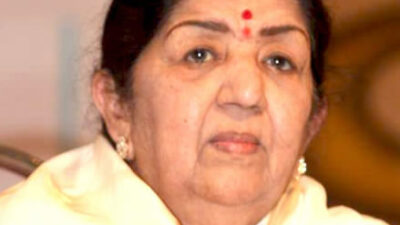
एक ऐसा गीत जो इतना आनंदित है कि लगता है संगीत अपने होने का जश्न मना रहा है — और लता की आवाज़ पूरी ऊँचाई पर।
भावउत्सव · आनंदित · चुलबुला
भाषाHindi · Urdu गतितेज़ स्वरूपएकल महिला
श्रेय
The Creditsबोल · The Lyrics
बोल — झलक · Lyrics Preview
मन मेरा दीवाना
Man mera deewana
कॉपीराइट के कारण केवल झलक — पूरे बोल आधिकारिक मंचों पर।
शब्दकोश
Word Meaningsसूत्र-वाक्य · The Hook
सूत्र-वाक्य
एक ऐसा गीत जो इतना आनंदित है कि लगता है संगीत अपने होने का जश्न मना रहा है — और लता की आवाज़ पूरी ऊँचाई पर।
In EnglishA song so joyful it sounds like music celebrating its own existence — Lata Mangeshkar's voice in full flight.
पट्टिका-लेख
The Monographपरिचय Overview
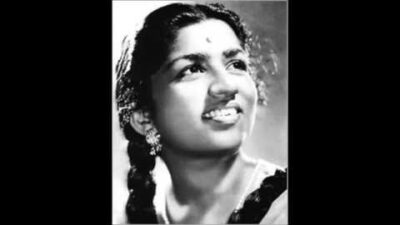
1950 की फ़िल्म 'सरगम' — सी. रामचन्द्र का संगीत, राजेन्द्र कृष्ण के बोल, लता मंगेशकर की आवाज़ और शायमा पर फ़िल्मांकन — का 'तिनक तिन तानी' स्वर्ण युग का एक सबसे उल्लासमय, तकनीकी रूप से चमकदार गीत है। सी. रामचन्द्र ने संगीत-ध्वनि की नकल ('तिनक तिन तानी' — तारों या तबले की गूँज) को एक वेगवान, पाश्चात्य-रंगी धुन में लपेटा जो उनकी वैश्विक संगीत-दृष्टि का प्रमाण है। लता की आवाज़ का तकनीकी प्रदर्शन यहाँ अभूतपूर्व है — स्वर उड़ते, झुकते और सजते हैं किसी प्रशिक्षित शास्त्रीय कलाकार की तरह।
अंग्रेज़ी में पढ़ें · Read in English
From the 1950 film Sargam — composed by C. Ramchandra with lyrics by Rajendra Krishan, sung by Lata Mangeshkar and picturized on actress Shyama — 'Tinak Tin Tani' is one of the most ebullient, technically dazzling songs in the Golden Era canon. C. Ramchandra's composition plays on the onomatopoeia of musical sound ('tinak tin tani' mimicking the plucked string or the tabla resonance), wrapping it in a propulsive, syncopated Western-inflected arrangement that showcases his unique ability to fuse Indian and global idioms. Lata Mangeshkar's performance is a masterclass in light-classical agility — her voice darting, swooping and ornamenting with the speed and precision of a seasoned concert performer. Released by Saregama, the song became one of the year's most popular recordings and a perennial favourite at stage shows.
संगीत The Music
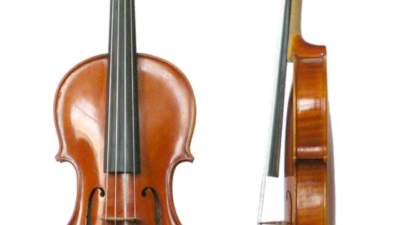
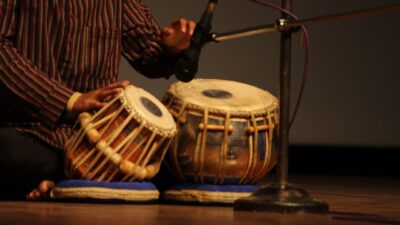
'तिनक तिन तानी' में सी. रामचन्द्र की प्रतिभा इस बात में है कि उन्होंने संगीत-ध्वनि की नकल को ही गाने की रीढ़ बना दिया। 'तिनक तिन तानी' केवल एक मज़ेदार ध्वनि-खेल नहीं, यह संगीत-संसार में एक आमंत्रण है। ब्रास के हल्के झटके, वायलिन की दौड़, अकॉर्डियन की चमक, तबले की ताल — यह सब मिलकर एक ऐसी ऊर्जा बनाते हैं जो गाने के पहले स्वर से आखिरी तक एक पल भी नहीं थमती।
अंग्रेज़ी में पढ़ें · Read in English
C. Ramchandra's genius in 'Tinak Tin Tani' lies in the title concept itself: he turns the onomatopoeia of musical sound into the structural backbone of the song. The refrain 'tinak tin tani' is not merely a catchy nonsense syllable but an invitation into the world of musical sound itself — the song about music, performed by music. The arrangement is characteristically Ramchandra: light brass punches, violin runs, accordion flare, a tabla beat that crisply underlines the syncopated Western rhythm. Lata Mangeshkar navigates rapid melodic passages, sudden dynamic shifts and precise ornaments with what sounds like effortless ease but represents extraordinary technical command. The song's energy never flags — it builds through each antara to a refrain that feels like a release of accumulated joy.
काव्य The Poetry
राजेन्द्र कृष्ण का यह बोल उन विरल उदाहरणों में है जहाँ कविता शुद्ध ध्वनि-क्रीड़ा के सामने झुक जाती है। 'तिनक तिन तानी' का कोई शाब्दिक अर्थ नहीं — यह तारों या तबले की गूँज का ध्वनि-चित्र है। राजेन्द्र जानते थे कि कभी-कभी कान को पहले खुश करो, फिर दिमाग़ को — और सबसे यादगार मुखड़े अक्सर अर्थ से नहीं, ध्वनि से बने होते हैं।
अंग्रेज़ी में पढ़ें · Read in English
Rajendra Krishan's lyric for 'Tinak Tin Tani' is a rare case of poetry yielding entirely to pure sound-play. The title refrain is pure phonetic invention — 'tinak tin tani' carries no semantic meaning but perfectly captures the resonance of plucked strings or struck tabla-heads. Krishan was a lyricist who understood that sometimes the ear needs to be delighted before the mind, and that the most memorable refrains in folk and film song are often pure sound rather than pure sense. The body of the song celebrates the state of musical rapture — the 'man mera diwana' who has been made mad by music.
कहानी The Story
'सरगम' (1950) पी.एल. संतोषी निर्देशित फ़िल्म थी, और सी. रामचन्द्र उस वर्ष एकसाथ कई प्रमुख फ़िल्मों — 'समाधि', 'निराला', 'संग्राम', 'सरगम' — का संगीत दे रहे थे। इस असाधारण उत्पादकता में भी उन्होंने रचनात्मकता से समझौता नहीं किया। वे हिंदी फ़िल्म संगीत की ध्वनि-शब्दावली को अकेले नए सिरे से गढ़ रहे थे — पाश्चात्य ताल, लैटिन वाद्य और जैज़-रंगी सुरमेल लाकर।
अंग्रेज़ी में पढ़ें · Read in English
Sargam (1950), directed by P.L. Santoshi, was one of the multiple major films for which C. Ramchandra was simultaneously composing in 1950 — a year in which he also scored Samadhi, Nirala, and Sangram. The film starred Shyama, then one of Bombay cinema's most popular actresses, alongside Rehman. C. Ramchandra's prolific output in this period was extraordinary: he was effectively single-handedly reshaping the sonic vocabulary of Hindi film music, introducing Western rhythms, Latin instruments and jazz-inflected harmonies into a space that had previously been dominated by classical and folk idioms. 'Tinak Tin Tani' represents his most playfully experimental side.
विरासत The Legacy
'तिनक तिन तानी' लता मंगेशकर के शुरुआती स्टेज शो का एक हस्ताक्षर गीत बन गया। सी. रामचन्द्र का यह रचनात्मक दृष्टिकोण — पाश्चात्य वाद्य, ध्वनि-नकल संरचना — बाद के संगीतकारों पर असर डाला। जहाँ नौशाद शास्त्रीय रागों की ओर देखते थे और शंकर-जयकिशन रोमांटिक आर्केस्ट्रा की ओर, वहाँ रामचन्द्र दुनिया की ओर देखते थे — और शुद्ध ध्वनि-आनंद की ओर।
अंग्रेज़ी में पढ़ें · Read in English
'Tinak Tin Tani' became a signature number of Lata Mangeshkar's early career stage shows, demonstrating to audiences her extraordinary range from the mournful to the exuberant. C. Ramchandra's compositional approach in the song — Western instruments in a Hindi film context, onomatopoeia as structural device — influenced generations of composers who followed. The song is a celebrated example of what distinguished C. Ramchandra from his contemporaries: where Naushad looked toward classical Indian raags and Shankar-Jaikishan toward romantic orchestral melody, Ramchandra looked outward to the world and inward to pure sonic joy.
वर्गीकरण
Classification- Tempo
- Fast
Genre
अन्य विवरण
More Details- Wikipedia: C. Ramchandra — https://en.wikipedia.org/wiki/C._Ramchandra
- Wikipedia: Rajendra Krishan — https://en.wikipedia.org/wiki/Rajendra_Krishan
- Wikipedia: Sargam (1950 film) — https://en.wikipedia.org/wiki/Sargam_(1950_film)
- Songs of Yore: Best songs of 1950 — https://www.songsofyore.com/best-songs-of-1950/
- Atul's Song A Day: various C. Ramchandra entries
References
रोचक तथ्य
Margin Notesशीर्षक 'तिनक तिन तानी' विशुद्ध ध्वन्यात्मक (ओनोमेटोपोइया) है — तार की झंकार या तबले की ध्वनि की नक़ल, जो गीत को एक मेटा-संगीतात्मक गुण देती है, मानो संगीत ही संगीत के बारे में गा रहा हो।
अंग्रेज़ी में पढ़ें · Read in English
The title 'Tinak Tin Tani' is pure onomatopoeia — an imitation of plucked string or tabla sound, giving the song a meta-musical quality of music singing about music.
सी. रामचंद्र ने एक साथ 1950 की कम से कम चार बड़ी फ़िल्मों का संगीत रचा — समाधि, सरगम, निराला और संग्राम — यह एक असाधारण रचनात्मक गति थी।
अंग्रेज़ी में पढ़ें · Read in English
C. Ramchandra scored music for at least four major 1950 films simultaneously: Samadhi, Sargam, Nirala and Sangram — an extraordinary creative pace.
श्यामा (अभिनेत्री) 1940 के दशक के अंत और 1950 के दशक के आरंभ में बंबई सिनेमा की सबसे लोकप्रिय सितारों में से एक थीं, और वे अपनी जीवंत स्क्रीन-उपस्थिति के लिए जानी जाती थीं, जो इस गीत की ऊर्जा से पूरी तरह मेल खाती थी।
अंग्रेज़ी में पढ़ें · Read in English
Shyama (actress) was one of Bombay cinema's most popular stars in the late 1940s and early 1950s, known for her vivacious screen presence that matched the energy of this song.
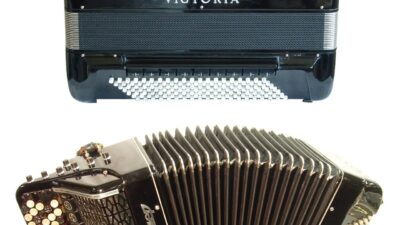
'तिनक तिन तानी' के वाद्य-संयोजन में शामिल अकॉर्डियन, हिंदी फ़िल्म ऑर्केस्ट्रा में पश्चिमी वाद्ययंत्रों को शामिल करने की सी. रामचंद्र की निरंतर परियोजना का हिस्सा था।
अंग्रेज़ी में पढ़ें · Read in English
The accordion featured in the orchestration of 'Tinak Tin Tani' was part of C. Ramchandra's sustained project of introducing Western instruments into the Hindi film orchestra.
राजेंद्र कृष्ण और सी. रामचंद्र की एक लंबी सहयोगी साझेदारी रही, जिसने उस दौर के कई सबसे यादगार हल्के-फुल्के और हास्य गीत रचे।
अंग्रेज़ी में पढ़ें · Read in English
Rajendra Krishan and C. Ramchandra had a long collaborative partnership that produced many of the era's most memorable light songs and comic numbers.
नमूना-पट्टी
The Specimen Table| शीर्षक | तिनक तिन तानी · Tinak Tin Tani |
|---|---|
| वर्ष · युग | 1950 — Golden Era |
| गायक | Lata Mangeshkar |
| गीतकार | Rajendra Krishan |
| संगीतकार | C. Ramchandra |
| स्वरूप | एकल महिला |
| गति | तेज़ |
| अवधि | 2:58 |
| भाषा | Hindi · Urdu |
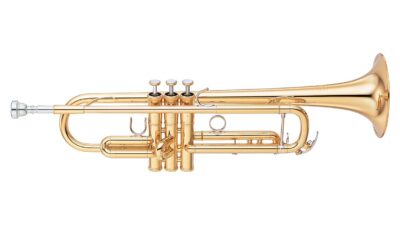
| वाद्य | violin · tabla · accordion · trumpet |
| भाव | उत्सव · आनंदित · चुलबुला |
| लोकप्रियता | Very_popular |
| बोल-स्थिति | केवल झलक |
जुड़े हुए पन्ने
Connected Plates · The Graph Made Visibleअटलस में कोई पन्ना अकेला नहीं — इस गीत से जुड़े गीत, कलाकार, फ़िल्म, राग-ताल-विधा, सब यहाँ से खुलते हैं।
मिलते-जुलते गीत · Related Songs
कलाकार · The Artists
युग · The Era
साझा कीजिए · Share this Plate
यह पन्ना आगे बढ़ाइए
जब सी. रामचन्द्र पूरे जोश में होते थे, तो पूरी दुनिया उनका आर्केस्ट्रा बन जाती थी।
When C. Ramchandra was at full throttle, the whole world was his orchestra.
— Music journalist Raju Bharatan on C. Ramchandra's eclectic compositional style
सवाल-जवाब
Questions & Answers'तिनक तिन तानी' का क्या अर्थ है? · What does 'Tinak Tin Tani' mean?
'तिनक तिन तानी' का कोई शाब्दिक अर्थ नहीं — यह ध्वनि-अनुकरण है, तारों या तबले की आवाज़ की नकल। इसमें एक प्यारी मेटा-संगीत गुणवत्ता है: संगीत खुद की ही नकल कर रहा है। 'तान' शास्त्रीय संगीत में तीव्र अलंकार को कहते हैं — 'तिनक तिन तानी' उसी दुनिया की एक खेल-भरी ध्वनि-प्रतिध्वनि है।
'Tinak tin tani' has no direct semantic meaning — it is onomatopoeia, imitating the sound of a plucked string instrument or the resonance of a tabla. It gives the song a delightfully meta quality: music imitating itself. The word 'taan' in Indian classical music refers to a rapid ornamental passage, and 'tinak tin tani' is a playful phonetic echo of that world.
'सरगम' (1950) के संगीतकार कौन थे? · Who is the music director of Sargam (1950)?
'सरगम' (1950) का संगीत सी. रामचन्द्र (चितलकर रामचन्द्र) ने दिया था — स्वर्ण युग के सबसे अभिनव और उत्पादक संगीतकारों में से एक। अकेले 1950 में उन्होंने कम से कम चार प्रमुख फ़िल्मों का संगीत दिया।
The music for Sargam (1950) was composed by C. Ramchandra (Chitalkar Ramchandra), one of the most innovative and prolific composers of the Golden Era. In 1950 alone he scored at least four major films, pioneering the use of Western instruments including the accordion in Hindi film music.