गीत विंग · गीत-पट्टिका · Song Plate
गोरे गोरे ओ बाँके छोरे
Gore Gore O Banke Chhore
वह गीत जिसने अकॉर्डियन को हिंदी सिनेमा में लाया — लता की आवाज़ में एक बाँके छोरे से लैटिन ताल में मीठी शिकायत।
भावउत्सव · चुलबुला · रोमांटिक
भाषाHindi · Hindustani गतितेज़ स्वरूपमहिला युगल
श्रेय
The Creditsबोल · The Lyrics
बोल — झलक · Lyrics Preview
कभी मेरी गली आया करो
Kabhi meri gali aaya karo
कॉपीराइट के कारण केवल झलक — पूरे बोल आधिकारिक मंचों पर।
शब्दकोश
Word Meaningsसूत्र-वाक्य · The Hook
सूत्र-वाक्य
वह गीत जिसने अकॉर्डियन को हिंदी सिनेमा में लाया — लता की आवाज़ में एक बाँके छोरे से लैटिन ताल में मीठी शिकायत।
In EnglishThe song that brought the accordion to Hindi cinema — Lata Mangeshkar flirting in Latin rhythm with a dashing young man who is probably not worth her time.
पट्टिका-लेख
The Monographपरिचय Overview
1950 की जासूसी फ़िल्म 'समाधि' — निर्देशक रमेश सैगल, कलाकार अशोक कुमार और नलिनी जयवंत, संगीत सी. रामचन्द्र, बोल राजेन्द्र कृष्ण — का यह गीत स्वर्ण युग के सबसे उल्लासपूर्ण गीतों में से एक है। लता मंगेशकर और अमीरबाई कर्नाटकी की आवाज़ों में यह गीत कॉलेज छात्राओं के मंच प्रदर्शन के रूप में फ़िल्माया गया। इसकी विशेष संगीत-ऐतिहासिक अहमियत यह है कि यह हिंदी फ़िल्म संगीत में अकॉर्डियन के प्रारंभिक प्रयोगों में से एक है। सी. रामचन्द्र ने क्यूबाई संगीतकार एडमुंडो रॉस के 1945 के 'चिको चिको' से धुन ली — जो दर्शाता है कि स्वर्ण युग का हिंदी फ़िल्म संगीत कितना वैश्विक था।
अंग्रेज़ी में पढ़ें · Read in English
From the 1950 spy-film Samadhi — directed by Ramesh Saigal and starring Ashok Kumar and Nalini Jaywant, with music by C. Ramchandra and lyrics by Rajendra Krishan — 'Gore Gore O Banke Chhore' is one of the most exuberantly joyful songs of the Golden Era. Sung by Lata Mangeshkar and Amirbai Karnataki and picturized as a stage performance by college girls entertaining soldiers of the Indian National Army, it is musically significant as one of the earliest Hindi film songs to feature the accordion prominently. C. Ramchandra adapted the tune from Cuban bandleader Edmundo Ros's 1945 hit 'Chico Chico', demonstrating the globalism of Golden Era Hindi film music. The song was released on Saregama on 1 January 1950 and became one of the year's most popular recordings.
संगीत The Music
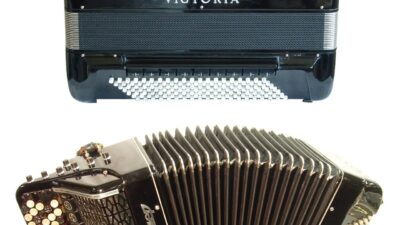
सी. रामचन्द्र ने यह धुन एडमुंडो रॉस के 1945 के लैटिन हिट 'चिको चिको' से ली — उस दौर की सामान्य रचना-पद्धति जो क्यूबाई रुम्बा की ऊर्जा को हिंदी परदे पर ले आई। सबसे उल्लेखनीय बात: यह हिंदी फ़िल्म संगीत में अकॉर्डियन के प्रारंभिक, संभवतः पहले प्रयोगों में से एक है। प्रस्तुति पश्चिमी रंग लिए हुए है — ब्रास, तार और नृत्य-लय — लेकिन राजेन्द्र कृष्ण के लोक-रंग के बोल और हिंदी गायन शैली इसे भारतीय ज़मीन से जोड़े रखती है।
अंग्रेज़ी में पढ़ें · Read in English
C. Ramchandra adapted 'Gore Gore O Banke Chhore' from Edmundo Ros's 1945 Latin hit 'Chico Chico' — a creative borrowing that was standard practice in the era and that brought a Cuban rumba energy into a Hindi film context. The most historically significant aspect is the prominent use of the accordion: music historians credit this song as one of the first, if not the first, Hindi film songs to feature the accordion as a lead melodic instrument. The song's production is bright and Western-influenced — brass stabs, string glissandos and a steady dance beat — yet the Hindi vocal idiom and Rajendra Krishan's folk-flavoured lyrics ground it firmly in Indian sensibility. The interplay between Lata's clear upper register and Amirbai's rounder, earthier voice creates a delightful sonic contrast.
काव्य The Poetry
राजेन्द्र कृष्ण ने बोल उस बोलचाल की हिंदी में लिखे जो किसी लड़की के खिड़की से किसी नौजवान को बुलाने जैसी है। 'गोरे गोरे' में मीठी खिंचाई है; 'बाँके छोरे' में उसकी शोखी का स्वीकार। 'मेरी गली' का न्यौता — यह बॉलीवुड का पुराना रूपक है जहाँ गली माने आशिक का संसार। गीत में गहराई नहीं — बस सतह का आनंद, जो राजेन्द्र और रामचन्द्र की खासियत था।
अंग्रेज़ी में पढ़ें · Read in English
Rajendra Krishan wrote the lyrics in a chatty, breezy colloquial Hindi that sounds like a girl calling out to her beloved from a window. 'Gore gore' repeats playfully, a teasing description of a fair, good-looking young man; 'baanke chhore' adds the swagger — he's handsome and he knows it. The invitation to visit 'meri gali' (my lane) is a classic Bollywood romantic metaphor: the lane is the singer's world, and the invitation is an invitation into her life. The song has no depth to mine — it is pure surface pleasure, executed with the lightness that Rajendra Krishan and C. Ramchandra excelled at.
कहानी The Story
'समाधि' (1950) एक जासूसी फ़िल्म थी जो आज़ाद हिंद फ़ौज के अभियानों की पृष्ठभूमि में बनी थी। अशोक कुमार मुख्य भूमिका में थे। 'गोरे गोरे' गीत फ़ौजियों के मनोरंजन के लिए कॉलेज लड़कियों के मंच प्रदर्शन के रूप में फ़िल्माया गया। सी. रामचन्द्र उस वक्त अपनी सर्वाधिक रचनात्मक अवधि में थे — 1950 में उन्होंने एकसाथ कई सफल फ़िल्मों का संगीत दिया।
अंग्रेज़ी में पढ़ें · Read in English
Samadhi (1950) is a spy drama set during the Indian National Army's campaigns, directed by Ramesh Saigal and produced at Bombay Talkies. The film starred Ashok Kumar in the lead role. The song 'Gore Gore O Banke Chhore' occurs as a stage performance by college girls entertaining INA soldiers — Nalini Jaywant and Kuldeep Kaur enact the performance on screen, lip-syncing to Lata Mangeshkar and Amirbai Karnataki respectively. C. Ramchandra was in his most creative and productive period — he simultaneously scored music for multiple super-hits in 1950 including Nirala, Sargam, Samadhi and Sangram — and his willingness to adapt Latin rhythms demonstrated his boundary-crossing musical imagination.
विरासत The Legacy
यह गीत भारतीय लोकप्रिय संस्कृति में एक उल्लासमय, बेफ़िक्र क्लासिक के रूप में स्थापित हो गया। लता के कंसर्ट में यह अक्सर शामिल रहा। संगीत इतिहासकार इसे हिंदी फ़िल्म संगीत में पाश्चात्य वाद्यों — विशेषकर अकॉर्डियन — के प्रवेश का एक मील का पत्थर मानते हैं।
अंग्रेज़ी में पढ़ें · Read in English
The song secured a permanent place in Indian popular culture as a joyful, carefree classic. Lata Mangeshkar's rendering became one of her signature light numbers, frequently included in her concert performances and retrospective compilations. Music historians cite it as a landmark in the introduction of Western instruments — particularly the accordion — into Hindi film music, part of C. Ramchandra's larger project of modernising and internationalising the Hindi film soundtrack. It is also celebrated as one of the best female duets in Golden Era Hindi film music.
वर्गीकरण
Classification- Tempo
- Fast
Genre
अन्य विवरण
More Details- Wikipedia: Samadhi (1950 film) — https://en.wikipedia.org/wiki/Samadhi_(1950_film)
- Songs of Yore: Best songs of 1950 — https://www.songsofyore.com/best-songs-of-1950/
- Atul's Song A Day: Gore gore o baanke chhore — https://atulsongaday.me/2009/04/08/gore-gore-o-baanke-chhore/
- Saregama: Gore Gore O Banke Chhore — https://www.saregama.com/song/gore-gore-o-banke-chhore_47353
References
रोचक तथ्य
Margin Notesसंगीत इतिहासकार इस गीत को अकॉर्डियन को एक प्रमुख मुख्य वाद्ययंत्र के रूप में इस्तेमाल करने वाले शुरुआती हिंदी फ़िल्मी गीतों में से एक मानते हैं।
अंग्रेज़ी में पढ़ें · Read in English
The song is credited by music historians as one of the first Hindi film songs to feature the accordion as a prominent lead instrument.
सी. रामचंद्र ने इस धुन को क्यूबा के बैंडलीडर एडमंडो रोस के 1945 के लैटिन हिट गीत 'चीको चीको' से अनुकूलित किया — अंतरराष्ट्रीय धुनों को उधार लेने की यह प्रथा स्वर्ण युग के बॉलीवुड में आम और स्वीकार्य थी।
अंग्रेज़ी में पढ़ें · Read in English
C. Ramchandra adapted the tune from Cuban bandleader Edmundo Ros's 1945 Latin hit 'Chico Chico' — a practice of international borrowing that was common and accepted in Golden Era Bollywood.
फ़िल्म के भीतर यह गीत एक मंचीय प्रस्तुति के रूप में कॉलेज की लड़कियों द्वारा प्रस्तुत किया जाता है, जो आज़ाद हिंद फ़ौज के सैनिकों का मनोरंजन कर रही हैं।
अंग्रेज़ी में पढ़ें · Read in English
The song is performed as a stage act within the film by college girls entertaining soldiers of the Indian National Army.
लता मंगेशकर और अमीरबाई कर्नाटकी की आवाज़ें एक विशिष्ट विरोधाभास रचती हैं — लता का स्वच्छ ऊँचा स्वर, अमीरबाई के गोल और अधिक मिट्टी से जुड़े स्वर के सामने।
अंग्रेज़ी में पढ़ें · Read in English
Lata Mangeshkar and Amirbai Karnataki's voices create a striking contrast — Lata's clear upper register against Amirbai's rounder, earthier tone.
समाधि (1950) को बांग्ला में एक साथ 'समर' (1950) शीर्षक से रिलीज़ किया गया था।
अंग्रेज़ी में पढ़ें · Read in English
Samadhi (1950) was simultaneously released in Bengali with the title 'Samar' (1950).
यह गीत सारेगामा पर 1 जनवरी 1950 को रिलीज़ हुआ था, जो उस वर्ष की सबसे शुरुआती रिलीज़ों में से एक थी।
अंग्रेज़ी में पढ़ें · Read in English
The song was released on Saregama on 1 January 1950, making it one of the earliest releases of that year.
नमूना-पट्टी
The Specimen Table| शीर्षक | गोरे गोरे ओ बाँके छोरे · Gore Gore O Banke Chhore |
|---|---|
| वर्ष · युग | 1950 — Golden Era |
| गायक | Lata Mangeshkar, Amirbai Karnataki |
| गीतकार | Rajendra Krishan |
| संगीतकार | C. Ramchandra |
| स्वरूप | महिला युगल |
| गति | तेज़ |
| अवधि | 3:10 |
| भाषा | Hindi · Hindustani |
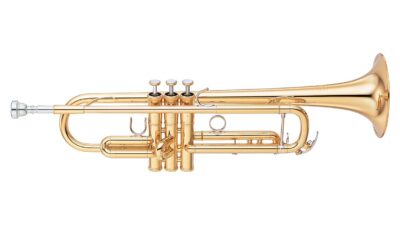
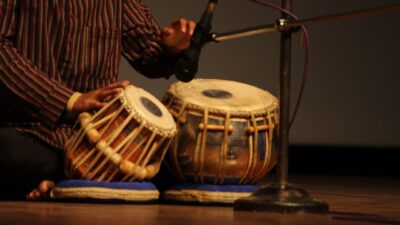
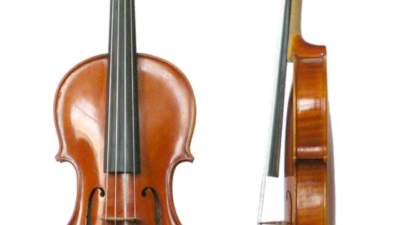
| वाद्य | accordion · trumpet · tabla · violin |
| भाव | उत्सव · चुलबुला · रोमांटिक |
| लोकप्रियता | Legendary |
| बोल-स्थिति | केवल झलक |
जुड़े हुए पन्ने
Connected Plates · The Graph Made Visibleअटलस में कोई पन्ना अकेला नहीं — इस गीत से जुड़े गीत, कलाकार, फ़िल्म, राग-ताल-विधा, सब यहाँ से खुलते हैं।
मिलते-जुलते गीत · Related Songs
कलाकार · The Artists
युग · The Era
साझा कीजिए · Share this Plate
यह पन्ना आगे बढ़ाइए
सी. रामचन्द्र एकमात्र ऐसे संगीतकार थे जो क्यूबाई रुम्बा को दिल्ली की किसी लड़की के खिड़की से बुलाने जैसा बना सकते थे।
C. Ramchandra was the only composer who could take a Cuban rumba and make it feel like a Delhi girl calling from her window.
— Music scholar Mohan Nadkarni on C. Ramchandra's international borrowings
सवाल-जवाब
Questions & Answersक्या 'गोरे गोरे ओ बाँके छोरे' किसी विदेशी धुन पर आधारित है? · Is 'Gore Gore O Banke Chhore' based on a foreign tune?
हाँ — सी. रामचन्द्र ने यह धुन क्यूबाई संगीतकार एडमुंडो रॉस के 1945 के लैटिन हिट 'चिको चिको' से ली थी। उस युग में ऐसे अंतर्राष्ट्रीय उधार आम और स्वीकृत थे।
Yes — C. Ramchandra adapted the tune from Cuban bandleader Edmundo Ros's 1945 Latin hit 'Chico Chico'. Such international borrowings were common and accepted in Golden Era Bollywood, and Ramchandra was particularly known for incorporating Latin and Western rhythms.
यह गीत हिंदी फ़िल्म संगीत में ऐतिहासिक रूप से क्यों महत्त्वपूर्ण है? · Why is this song historically significant in Hindi film music?
इसे हिंदी फ़िल्म संगीत के उन प्रारंभिक गीतों में माना जाता है जिनमें अकॉर्डियन को प्रमुख वाद्य के रूप में प्रयोग किया गया — पश्चिमी वाद्यों के बॉलीवुड में प्रवेश का एक मील का पत्थर।
It is credited as one of the earliest Hindi film songs to prominently feature the accordion as a lead melodic instrument — a breakthrough in the use of Western instruments in Bollywood music.
'गोरे गोरे ओ बाँके छोरे' किसने गाया? · Who sang 'Gore Gore O Banke Chhore'?
यह गीत लता मंगेशकर और अमीरबाई कर्नाटकी ने गाया। संगीत सी. रामचन्द्र का और बोल राजेन्द्र कृष्ण के, फ़िल्म 'समाधि' (1950) के लिए।
The song was sung by Lata Mangeshkar and Amirbai Karnataki, with music by C. Ramchandra and lyrics by Rajendra Krishan, for the 1950 film Samadhi.