गीत विंग · गीत-पट्टिका · Song Plate
मोहब्बत मेरी रंग लाने लगी
Mohabbat Meri Rang Laane Lagi
उस ख़ास लम्हे का गीत जब मोहब्बत महज एहसास नहीं रहती, सच्चाई बन जाती है — सी. रामचन्द्र और लता अपने सबसे कोमल रंग में।
भावHopeful · Joyful · रोमांटिक
भाषाUrdu · Hindi गतिमध्यम स्वरूपएकल महिला
श्रेय
The Creditsबोल · The Lyrics
बोल — झलक · Lyrics Preview
दिल की दुनिया महकने लगी
Dil ki duniya mahakne lagi
कॉपीराइट के कारण केवल झलक — पूरे बोल आधिकारिक मंचों पर।
शब्दकोश
Word Meaningsसूत्र-वाक्य · The Hook
सूत्र-वाक्य
उस ख़ास लम्हे का गीत जब मोहब्बत महज एहसास नहीं रहती, सच्चाई बन जाती है — सी. रामचन्द्र और लता अपने सबसे कोमल रंग में।
In EnglishThe song for the precise moment love stops being a feeling and starts being a fact — C. Ramchandra and Lata in their gentlest register.
पट्टिका-लेख
The Monographपरिचय Overview
1950 की फ़िल्म 'निराला' — निर्देशक पी.एल. संतोषी, संगीत सी. रामचन्द्र, बोल राजेन्द्र कृष्ण, लता मंगेशकर की आवाज़ और मीना शोरे पर फ़िल्मांकन — का यह गीत उस नाज़ुक पल को पकड़ता है जब मोहब्बत रंग लाने लगती है। सी. रामचन्द्र 1950 में अपनी सबसे उत्पादक अवधि में थे — एकसाथ 'समाधि', 'सरगम', 'निराला' और 'संग्राम' का संगीत दे रहे थे — और यह गीत उनके हल्के रोमांटिक रंग का प्रतिनिधि है। 'मोहब्बत रंग लाने लगी' में उर्दू मुहावरे 'रंग लाना' (असर दिखाना, फलना) का सबसे कोमल, आशापूर्ण रूप है।
अंग्रेज़ी में पढ़ें · Read in English
From the 1950 film Nirala — directed by P.L. Santoshi with music by C. Ramchandra and lyrics by Rajendra Krishan, sung by Lata Mangeshkar and picturized on Meena Shorey — 'Mohabbat Meri Rang Laane Lagi' is a gently optimistic romantic number that captures the moment love begins to show its colours. C. Ramchandra was at his most prolific in 1950, composing simultaneously for Samadhi, Sargam, Nirala and Sangram, and this song from Nirala represents his lighter romantic mode: a medium-tempo melody with transparent, Western-inflected orchestration that lets Lata Mangeshkar's voice carry the emotional weight. The song's title, 'mohabbat rang laane lagi' — love is beginning to bear fruit, to show its colours — uses the Urdu idiom 'rang laana' (to bear fruit, literally 'to bring colour') in its most tender, hopeful register.
संगीत The Music
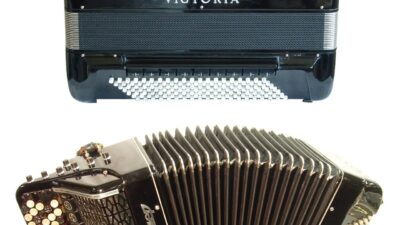
इस गीत में सी. रामचन्द्र का स्वर 'समाधि' और 'सरगम' के तुलनात्मक उत्साह से ज़्यादा शांत है — मध्यम ताल और हल्का वाद्य-विन्यास प्रेम के शुरुआती, नाज़ुक रूप को दर्शाता है। धुन में एक धीरे-धीरे खिलने की गुणवत्ता है। लता की आवाज़ न्यूनतम अलंकार के साथ स्पष्ट और भाव-पूर्ण है। अकॉर्डियन — इस दौर में रामचन्द्र का प्रिय वाद्य — एक हल्का यूरोपीय स्वर जोड़ता है।
अंग्रेज़ी में पढ़ें · Read in English
C. Ramchandra's composition for 'Mohabbat Meri Rang Laane Lagi' is more restrained than his more exuberant Samadhi and Sargam songs — the medium tempo and lighter orchestration suggesting the tentative, delicate quality of love in its early phase. The melody has a gently flowering quality: it opens with a downward movement and then rises, like something beginning to bloom. Lata Mangeshkar's voice is deployed with characteristic clarity and emotional precision, the ornaments minimal and well-placed. The accordion, one of C. Ramchandra's signature instruments in this period, adds a warm, slightly European tint to what is otherwise a very Hindi melodic sensibility.
काव्य The Poetry
राजेन्द्र कृष्ण ने 'रंग लाना' (अर्थात् फलना-फूलना, असर दिखाना) उर्दू-हिंदी मुहावरे को रोमांटिक संदर्भ में ताज़गी के साथ इस्तेमाल किया। 'दिल की दुनिया महकने लगी' — मन की दुनिया का ख़ुशबू से भर जाना — एक क्लासिक संवेदी बिम्ब है: प्रेम एक बगीचा है जो खिलने लगा है। राजेन्द्र कृष्ण की हल्के रोमांटिक बोलों में महारत ने उन्हें सी. रामचन्द्र का सबसे भरोसेमंद सहयोगी बनाया।
अंग्रेज़ी में पढ़ें · Read in English
Rajendra Krishan's lyric for 'Mohabbat Meri Rang Laane Lagi' deploys the Urdu-Hindi idiom 'rang laana' (literally 'to bring colour', idiomatically 'to bear fruit, to show results') in a romantic context that feels fresh and natural. The image of the 'dil ki duniya' (the heart's world) beginning to become fragrant ('mahakna') is a classic use of sensory imagery for emotional states: love as a garden beginning to bloom and fill the air with sweetness. Krishan was a prolific and versatile lyricist whose facility with light romantic verse made him C. Ramchandra's most frequent collaborator.
कहानी The Story
'निराला' (1950) के निर्देशक पी.एल. संतोषी उसी वर्ष 'जोगन' (1950) भी निर्देशित कर रहे थे — जो 1950 में इस निर्देशक के लिए एक असाधारण वर्ष था। मीना शोरे 1940s के अंत और 1950s के शुरुआती दौर की सबसे लोकप्रिय अभिनेत्रियों में से एक थीं, जो अपनी जीवंत स्क्रीन उपस्थिति और नृत्य-कौशल के लिए जानी जाती थीं। सी. रामचन्द्र की एकसाथ कई फ़िल्मों के लिए बिना गुणवत्ता खोए संगीत देने की क्षमता स्वर्ण युग की संगीत-प्रतिष्ठा का एक उल्लेखनीय प्रमाण थी।
अंग्रेज़ी में पढ़ें · Read in English
Nirala (1950) was directed by P.L. Santoshi, who was simultaneously directing Jogan (1950) — making 1950 an extraordinary year for this particular director-producer. Meena Shorey was one of the most popular actresses of the late 1940s and early 1950s, known for her vivacious screen presence and dancing ability — qualities that made her well-suited for the light, optimistic tone of this song. C. Ramchandra's ability to compose for multiple films simultaneously without any apparent drop in quality was one of the remarkable achievements of the Golden Era's musical establishment.
विरासत The Legacy
'मोहब्बत मेरी रंग लाने लगी' उन स्वर्ण युग के गीतों में से है जो साल के सबसे प्रसिद्ध गीतों में नहीं हैं लेकिन उस युग के संगीतीय उत्पादन की निरंतर गुणवत्ता का प्रतिनिधित्व करते हैं। सी. रामचन्द्र के 1950 के प्रचुर संगीत की खोज करने वाले श्रोता इसे बार-बार पाते हैं, और यह स्वर्ण युग की संगीतीय गहराई का प्रमाण है।
अंग्रेज़ी में पढ़ें · Read in English
'Mohabbat Meri Rang Laane Lagi' is one of those Golden Era songs that is not among the most famous of its year but represents the consistent quality of the era's musical output: a beautifully crafted song that does everything it sets out to do with grace and economy. It is regularly rediscovered by listeners exploring C. Ramchandra's prolific 1950 output, and stands as evidence of the remarkable depth of the Golden Era's musical riches.
वर्गीकरण
Classification- Tempo
- Medium
Genre
अन्य विवरण
More Details- Wikipedia: C. Ramchandra — https://en.wikipedia.org/wiki/C._Ramchandra
- Wikipedia: Rajendra Krishan — https://en.wikipedia.org/wiki/Rajendra_Krishan
- Songs of Yore: C. Ramchandra retrospective — https://www.songsofyore.com
- Atul's Song A Day: Nirala 1950 — https://atulsongaday.me
References
रोचक तथ्य
Margin Notesपी.एल. संतोषी ने उसी वर्ष निराला (1950) और जोगन (1950) दोनों का निर्देशन किया — दो बेहद भिन्न फ़िल्में (हल्का मनोरंजन बनाम भक्ति नाटक), जो उनकी निर्देशकीय विविधता को दर्शाती हैं।
अंग्रेज़ी में पढ़ें · Read in English
P.L. Santoshi directed both Nirala (1950) and Jogan (1950) in the same year — two very different films (light entertainment vs. devotional drama) demonstrating his directorial range.
सी. रामचंद्र ने 1950 की कम से कम चार बड़ी फ़िल्मों का संगीत रचा — एक ही वर्ष में इतना काम, जितना कई संगीतकार अपने पूरे करियर में भी नहीं कर पाए।
अंग्रेज़ी में पढ़ें · Read in English
C. Ramchandra composed the music for at least four major 1950 films, producing a body of work in a single year that many composers never matched across entire careers.
मीना शौरी उस दौर की उन गिनी-चुनी पंजाबी अभिनेत्रियों में से एक थीं जिन्होंने अखिल भारतीय सितारा प्रसिद्धि हासिल की, और वे अपने जीवंत, ऊर्जावान अभिनय के लिए जानी जाती थीं।
अंग्रेज़ी में पढ़ें · Read in English
Meena Shorey was one of the few Punjabi actresses of the era to achieve pan-Indian stardom, known for her lively, energetic performances.
वाक्यांश 'मोहब्बत रंग लाना' उर्दू मुहावरे 'रंग लाना' (फलीभूत होना) का प्रयोग करता है — वही 'रंग' शब्द-मूल जो बरसात के गीत 'अब मेरा रंग देखो' में भी मिलता है, जो दर्शाता है कि 1950 की हिंदी फ़िल्मी कविता में रंग का रूपक कितना व्यापक था।
अंग्रेज़ी में पढ़ें · Read in English
The phrase 'mohabbat rang laana' uses the Urdu idiom of 'rang laana' (to bear fruit) — the same 'rang' root that appears in Barsaat's 'Ab Mera Rang Dekho', showing how pervasive the colour metaphor was in 1950 Hindi film poetry.
नमूना-पट्टी
The Specimen Table| शीर्षक | मोहब्बत मेरी रंग लाने लगी · Mohabbat Meri Rang Laane Lagi |
|---|---|
| वर्ष · युग | 1950 — Golden Era |
| गायक | Lata Mangeshkar |
| गीतकार | Rajendra Krishan |
| संगीतकार | C. Ramchandra |
| स्वरूप | एकल महिला |
| गति | मध्यम |
| अवधि | 3:05 |
| भाषा | Urdu · Hindi |
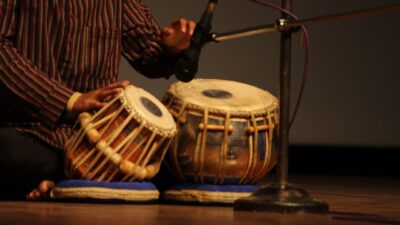
| वाद्य | violin · harmonium · tabla · accordion |
| भाव | Hopeful · Joyful · रोमांटिक |
| लोकप्रियता | Known |
| बोल-स्थिति | केवल झलक |
जुड़े हुए पन्ने
Connected Plates · The Graph Made Visibleअटलस में कोई पन्ना अकेला नहीं — इस गीत से जुड़े गीत, कलाकार, फ़िल्म, राग-ताल-विधा, सब यहाँ से खुलते हैं।
मिलते-जुलते गीत · Related Songs
कलाकार · The Artists
युग · The Era
साझा कीजिए · Share this Plate
यह पन्ना आगे बढ़ाइए
सी. रामचन्द्र ने 1950 में साबित किया कि कला में महानता राशन-प्रथा नहीं मानती — चार फ़िल्मों को एकसाथ पूरा दे सकते हो और चारों याद रखेंगी।
C. Ramchandra proved in 1950 that greatness in art is not rationed — you can give fully to four films at once and all four will remember you.
— Music historian Mohan Nadkarni on C. Ramchandra's 1950 output
सवाल-जवाब
Questions & Answers'मोहब्बत रंग लाना' का क्या अर्थ है? · What does 'mohabbat rang laana' mean?
'रंग लाना' उर्दू-हिंदी मुहावरा है जिसका अर्थ है 'फल देना', 'असर दिखाना'। 'मोहब्बत मेरी रंग लाने लगी' में इसका मतलब है कि प्यार खिलने लगा है — दिल की दुनिया महकने लगी है। साथ ही 'रंग' शब्द रंग (colour) का भी है, जो मोहब्बत को दुनिया को रंगीन करने वाला बताता है।
'Rang laana' is an Urdu-Hindi idiom meaning 'to bear fruit', 'to take effect', 'to show results'. In 'Mohabbat Meri Rang Laane Lagi', it means love is beginning to blossom and show its colours — the heart's world is starting to become fragrant and beautiful. It also plays on 'rang' as colour, suggesting love painting the world in vivid hues.