गीत विंग · गीत-पट्टिका · Song Plate
यह दुनिया अगर मिल भी जाए
Yeh Duniya Agar Mil Bhi Jaaye
जब पूरी दुनिया का सम्मान भी उस कवि के लिए बेमानी हो जो समाज का असली चेहरा देख चुका हो — तब जन्म लेता है यह गीत।
भावतीव्र · उदास · दार्शनिक · विद्रोही
भाषाUrdu · Hindi गतिधीमी स्वरूपएकल पुरुष
श्रेय
The Creditsबोल · The Lyrics
बोल — झलक · Lyrics Preview
यह दुनिया अगर मिल भी जाए तो क्या है
Yeh duniya agar mil bhi jaaye toh kya hai
कॉपीराइट के कारण केवल झलक — पूरे बोल आधिकारिक मंचों पर।
शब्दकोश
Word Meaningsसूत्र-वाक्य · The Hook
सूत्र-वाक्य
जब पूरी दुनिया का सम्मान भी उस कवि के लिए बेमानी हो जो समाज का असली चेहरा देख चुका हो — तब जन्म लेता है यह गीत।
In EnglishWhen the world's acclaim means nothing to the man who sees through it, one song becomes the loneliest and most electrifying protest ever recorded.
पट्टिका-लेख
The Monographपरिचय Overview
गुरु दत्त की अमर फ़िल्म 'प्यासा' (1957) में यह गीत हिंदी फ़िल्म संगीत का सबसे बड़ा विद्रोह-गान है। मोहम्मद रफ़ी ने साहिर लुधियानवी की अग्निमय पंक्तियों को एस.डी. बर्मन के भैरवी-आधारित, संयमित किंतु मार्मिक संगीत में ढालकर गाया। फ़िल्म के चरम दृश्य में कवि विजय (गुरु दत्त) एक साहित्यिक सभा में सम्मानित होता है — और उसी क्षण वह पूरे समाज की दोग़लेपन को ललकारता है। यह गीत भारतीय साहित्यिक जगत में सर्वाधिक उद्धृत होने वाले गीतों में से एक है, जो 1957 में ही उस सांस्कृतिक विद्रोह की भविष्यवाणी कर गया जो दुनिया ने 1960 के दशक में देखी।
अंग्रेज़ी में पढ़ें · Read in English
Filmed in 1957 within Guru Dutt's masterpiece Pyaasa, 'Yeh Duniya Agar Mil Bhi Jaaye' is the defining protest anthem of the Golden Era. Mohammed Rafi, singing playback for Guru Dutt, delivers Sahir Ludhianvi's incandescent verses over S.D. Burman's aching, minimalist score — built on a Bhairavi base with sparse tabla and a solitary flute. The song unfolds as a climactic set-piece: a literary society felicitates the poet Vijay (Dutt), only for him to strip away the pretence and condemn the entire social order. Released on HMV India, this four-minute existential statement was far ahead of its time, anticipating the countercultural movements of the 1960s worldwide. It remains one of the most quoted songs in Indian literary discourse.
संगीत The Music
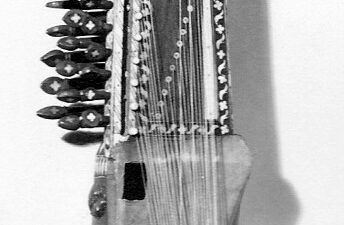
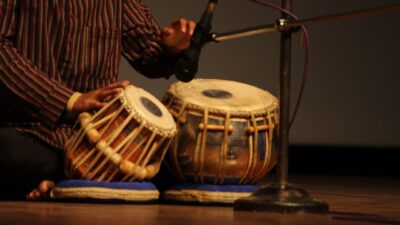
एस.डी. बर्मन ने इस गीत को भैरवी राग के ढाँचे पर रचा — भैरवी जो भारतीय संगीत में विदाई, विषाद और अंत की सुरलिपि है। संगीत-संयोजन जानबूझकर न्यूनतम रखा गया है: हारमोनियम की धीमी गूँज, सारंगी की एक अकेली करुण आवाज़, कहरवे की ताल पर हल्का तबला, और बीच में आती एक बाँसुरी जो उदासी का आख़िरी स्वर बोलती है। बर्मन ने ऑर्केस्ट्रा का मोह नहीं किया — यही संयम इस गीत का असली विरोध है। रफ़ी साहब की आवाज़ में जो त्याग और कटुता एक साथ है, वह 'क्या है' के हर दोहराव में एक नई परत उजागर करती है।
अंग्रेज़ी में पढ़ें · Read in English
S.D. Burman constructs the song on a Bhairavi framework that the tradition associates with pathos, finality, and farewell. The arrangement is deliberately sparse: a soft harmonium drone, a lone sarangi weeping in the upper register, minimal tabla accenting the Keherwa cycle, and a flute that enters midway like a breath of longing. Burman resists all orchestral swelling — the restraint is the protest. Rafi's voice, at once resigned and razor-edged, navigates the phrase-lengths with extraordinary emotional control, sustaining the 'kya hai' refrain in a way that turns philosophical doubt into a visceral confrontation. The tempo never hurries; the unhurried pace amplifies the sense of someone who has already decided to walk away.
काव्य The Poetry
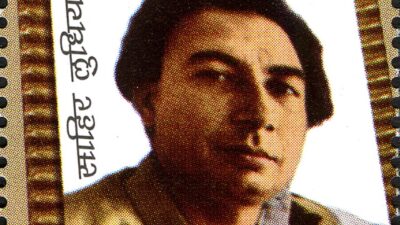
साहिर लुधियानवी ने यह नज़्म अपने आत्मकथात्मक दर्द से लिखी — उन्होंने ख़ुद ग़रीबी, अस्वीकृति और साहित्यिक दुनिया का पाखंड झेला था। 'यह दुनिया अगर मिल भी जाए तो क्या है' की टेक एक वाग्मी प्रश्न की तरह काम करती है — पहले सबसे बड़ा इनाम (दुनिया) मान लेना, फिर तत्काल उसे रद्द कर देना। हर अंतरा एक ठोस अन्याय की तस्वीर खींचता है — वह विधवा जो बिकने को मजबूर है, वह बच्चा जो भूखा सोता है — और फिर वही टेक एक फ़ैसले की तरह लौटती है। साहिर की भाषा सादी उर्दू है, लगभग बातचीत जैसी — और यही उनके ग़ुस्से को नारेबाज़ी नहीं, एक ज़ाती चीख़ बनाता है।
अंग्रेज़ी में पढ़ें · Read in English
Sahir Ludhianvi wrote from autobiographical anguish — he had known poverty, rejection, and the hypocrisy of literary circles firsthand. The refrain 'yeh duniya agar mil bhi jaaye toh kya hai' is structured as a rhetorical hammer: it assumes the ultimate prize (the world) and then instantly devalues it. Each antara catalogues a specific injustice — the widow who must sell herself, the child who goes hungry — before returning to the refrain like a verdict. The poetry operates in a classical maqta tradition where the closing verse names the poet and stakes his final position. Sahir's language is spare Urdu, almost conversational, which makes the anger feel personal rather than sloganeering.
कहानी The Story
गुरु दत्त को 'प्यासा' बनाने में बरसों की लड़ाई लड़नी पड़ी — स्टूडियो वाले एक नाकामयाब कवि की फ़िल्म को व्यावसायिक नहीं मानते थे। जब 1956-57 में फ़िल्म बनी तो दत्त ने हर फ़्रेम, हर सुर पर व्यक्तिगत ध्यान दिया। साहिर ने यह गीत एक रात में लिखा — कहते हैं आँखें भरी हुई थीं, क्योंकि वह लाहौर और बम्बई में अपने ख़ुद के संघर्ष को कागज़ पर उतार रहे थे। एस.डी. बर्मन ने पहले तारवाद्य जोड़ने की योजना बनाई थी, लेकिन दत्त ने उन्हें समझाया कि सादगी ही इस गीत की ताक़त है। फ़िल्माया गया दृश्य हिंदी सिनेमा के सर्वश्रेष्ठ लॉन्ग टेक में से एक है।
अंग्रेज़ी में पढ़ें · Read in English
Guru Dutt had struggled for years to get Pyaasa made — studios thought a film about a failed poet was uncommercial. When it was finally shot in 1956-57, Dutt micromanaged every frame, every note. Sahir wrote the lyrics for this song in a single night, reportedly in tears, drawing on his own years of being a struggling progressive poet in Lahore and Bombay. S.D. Burman, initially hesitant about the minimal arrangement, was persuaded by Dutt to strip away the strings he'd planned. The scene itself — shot in one of Hindi cinema's most extraordinary long takes — shows Vijay standing before a crowd that has just praised him, and slowly, devastatingly, destroying their comfortable world with his words.
विरासत The Legacy
यह गीत भारत की सांस्कृतिक स्मृति से कभी मिटा नहीं। बिनाका गीतमाला के कई सर्वकालिक सर्वेक्षणों में यह शीर्ष दस में रहा। जावेद अख़्तर ने इसे 'हिंदी सिनेमा का सबसे ईमानदार गीत' कहा है। 1975-77 के आपातकाल में यह गीत प्रतिरोध का प्रतीक बन गया था। जगजीत सिंह से लेकर अरिजीत सिंह तक — हर पीढ़ी के गायक ने मंच पर इसे गाया है। विडंबना यह है कि यह साहिर और बर्मन की शिखर-जोड़ी का आख़िरी महान काम भी था — इसके बाद दोनों का रिश्ता हमेशा के लिए टूट गया।
अंग्रेज़ी में पढ़ें · Read in English
The song has never left the cultural conversation. It was voted among the Top 10 songs of all time in multiple polls by Binaca Geetmala and film magazines. Javed Akhtar has called it 'the most honest song ever written in Hindi cinema.' It was quoted by activists during the Emergency (1975-77), recited at protest gatherings through the 2000s, and continues to be cited in academic works on Hindi poetry and film. Numerous singers from Jagjit Singh to Arijit Singh have sung it in concerts. The song also marked Sahir and Burman's peak collaboration — ironically, they fell out irreparably soon after, never working together again.
वर्गीकरण
Classification- Tempo
- Slow
Genre
अन्य विवरण
More Details- Nasreen Munni Kabir, 'Guru Dutt: A Life in Cinema' (1996) — Oxford University Press
- Sathya Saran, 'Sahir Ludhianvi: The People's Poet' (2013) — HarperCollins India
- Wikipedia: 'Pyaasa (film)' — en.wikipedia.org/wiki/Pyaasa_(film)
- Wikipedia: 'Yeh Duniya Agar Mil Bhi Jaaye' — en.wikipedia.org/wiki/Yeh_Duniya_Agar_Mil_Bhi_Jaaye
- Anirudha Bhattacharjee & Balaji Vittal, 'R.D. Burman: The Prince of Music' — partial ref to SD Burman chapter
- TIME Magazine, 'All-TIME 100 Movies' (2005) — Pyaasa entry
References
रोचक तथ्य
Margin Notesगुरु दत्त शुरू में यह गीत हेमंत कुमार से गवाना चाहते थे; रफ़ी को एक रिकॉर्डिंग परीक्षण के बाद चुना गया, जिसमें दत्त को लगा कि रफ़ी की आवाज़ में त्याग और क्रोध का सही मिश्रण है।
अंग्रेज़ी में पढ़ें · Read in English
Guru Dutt initially wanted Hemant Kumar to sing this song; Rafi was chosen after a recording test in which Dutt felt Rafi's voice had the right combination of resignation and anger.
साहिर लुधियानवी और एस.डी. बर्मन ने 'प्यासा' के बाद अपना साथ हमेशा के लिए तोड़ लिया — कहा जाता है कि इसका कारण श्रेय संबंधी विवाद और रचनात्मक मतभेद थे — यह कालजयी रचना उनकी जोड़ी का आख़िरी गीत साबित हुई।
अंग्रेज़ी में पढ़ें · Read in English
Sahir Ludhianvi and S.D. Burman ended their association permanently after Pyaasa, reportedly over billing disputes and creative disagreements — this masterpiece was their swan song.
1977 के चुनावों में एक राजनीतिक दल ने बिना अनुमति के इस गीत का इस्तेमाल किया, जिससे राजनीति में फ़िल्मी गीतों के उपयोग को लेकर कानूनी बहस छिड़ गई।
अंग्रेज़ी में पढ़ें · Read in English
The song was used without permission by a political party in 1977 elections, prompting legal discussions about film-song usage in politics.
'टाइम' पत्रिका ने 2005 में अब तक बनी सर्वश्रेष्ठ फिल्मों के अपने सर्वेक्षण में 'प्यासा' का उल्लेख किया और इस गीत को विशेष रूप से फिल्म का भावनात्मक चरम बिंदु बताया।
अंग्रेज़ी में पढ़ें · Read in English
TIME magazine, in a 2005 survey of the greatest films ever made, cited Pyaasa and specifically mentioned this song as the emotional peak of the film.
गीत की पंक्ति 'ये दुनिया अगर मिल भी जाए तो क्या है' वर्षों तक साहिर के बांद्रा स्थित घर की एक दीवार पर लिखी रही थी, जैसा कि उनसे मिलने आने वाले दोस्तों ने याद किया है।
अंग्रेज़ी में पढ़ें · Read in English
The song's refrain 'yeh duniya agar mil bhi jaaye toh kya hai' was written on a wall of Sahir's apartment in Bandra for years, as recalled by friends who visited him.
पुरस्कार
The Honoursनमूना-पट्टी
The Specimen Table| शीर्षक | यह दुनिया अगर मिल भी जाए · Yeh Duniya Agar Mil Bhi Jaaye |
|---|---|
| वर्ष · युग | 1957 — Golden Era |
| गायक | Mohammed Rafi |
| गीतकार | Sahir Ludhianvi |
| संगीतकार | S.D. Burman |
| स्वरूप | एकल पुरुष |
| गति | धीमी |
| अवधि | 4:10 |
| भाषा | Urdu · Hindi |
| वाद्य | harmonium · sarangi · tabla · instrument-flute |
| भाव | तीव्र · उदास · दार्शनिक · विद्रोही |
| लोकप्रियता | Legendary |
| बोल-स्थिति | केवल झलक |
जुड़े हुए पन्ने
Connected Plates · The Graph Made Visibleअटलस में कोई पन्ना अकेला नहीं — इस गीत से जुड़े गीत, कलाकार, फ़िल्म, राग-ताल-विधा, सब यहाँ से खुलते हैं।
मिलते-जुलते गीत · Related Songs
कलाकार · The Artists
युग · The Era
साझा कीजिए · Share this Plate
यह पन्ना आगे बढ़ाइए
हिंदी सिनेमा में लिखा गया सबसे ईमानदार गीत।
The most honest song ever written in Hindi cinema.
— Javed Akhtar, lyricist and poet
सवाल-जवाब
Questions & Answersप्यासा में 'यह दुनिया अगर मिल भी जाए' किसने गाया? · Who sang 'Yeh Duniya Agar Mil Bhi Jaaye' in Pyaasa?
मोहम्मद रफ़ी ने यह गीत गुरु दत्त के लिए प्लेबैक में गाया। संगीत एस.डी. बर्मन का था और बोल साहिर लुधियानवी के, गुरु दत्त निर्देशित फ़िल्म 'प्यासा' (1957) के लिए।
Mohammed Rafi sang this song as playback for Guru Dutt. It was composed by S.D. Burman with lyrics by Sahir Ludhianvi for the 1957 film Pyaasa directed by Guru Dutt.
'यह दुनिया अगर मिल भी जाए' का अर्थ क्या है? · What is the meaning of 'Yeh Duniya Agar Mil Bhi Jaaye'?
इस पंक्ति का अर्थ है — 'अगर पूरी दुनिया भी मिल जाए, तो क्या फ़र्क़ पड़ता है?' यह भौतिक सफलता और सामाजिक प्रतिष्ठा की दार्शनिक अस्वीकृति है, जो फ़िल्म के कवि-नायक का समाज से पूर्ण मोहभंग दर्शाती है।
The phrase means 'Even if I were to gain the whole world — what of it?' It is a philosophical rejection of material success and worldly recognition, expressing the poet-protagonist's utter disillusionment with society.
क्या साहिर लुधियानवी ने यह गीत अपने व्यक्तिगत अनुभव से लिखा? · Did Sahir Ludhianvi write this song from personal experience?
हाँ। साहिर ने यह गीत अपने जीवन के संघर्षों से लिखा — लाहौर में प्रगतिशील कवि के रूप में उन्होंने ग़रीबी और अस्वीकृति दोनों झेले थे। यह गीत साहित्यिक पाखंड और सामाजिक असमानता के प्रति उनके वास्तविक आक्रोश की अभिव्यक्ति है।
Yes. Sahir drew heavily from his own struggles — he had been a progressive poet in Lahore who faced poverty and rejection before Bollywood. The song channels his genuine anger at literary hypocrisy and social inequality.
क्या प्यासा स्ट्रीमिंग प्लेटफ़ॉर्म पर उपलब्ध है? · Is Pyaasa available on streaming platforms?
हाँ, 'प्यासा' (1957) यूट्यूब (गुरु दत्त फ़िल्म्स के आधिकारिक चैनल), Amazon Prime Video पर उपलब्ध है, और गीत JioSaavn, Gaana तथा Spotify पर Saregama के अधीन मिलते हैं।
Yes, Pyaasa (1957) is available on several platforms including YouTube (official Guru Dutt Films channel), Amazon Prime Video, and the songs are on JioSaavn, Gaana, and Spotify under Saregama.
प्यासा के बाद एस.डी. बर्मन और साहिर ने साथ काम करना क्यों बंद किया? · Why did S.D. Burman and Sahir Ludhianvi stop working together after Pyaasa?
बताया जाता है कि स्क्रीन क्रेडिट और कलात्मक नियंत्रण को लेकर मतभेद हुए। न तो बर्मन दा ने और न ही साहिर ने कभी सार्वजनिक रूप से इसकी असली वजह बताई, लेकिन यह व्यक्तिगत और व्यावसायिक दोनों स्तरों पर था।
They parted ways reportedly over disputes about screen credits and artistic control. The exact reason was never made public by either party, but it was understood to be both personal and professional.