गीत विंग · गीत-पट्टिका · Song Plate
हम आप की आँखों में
Hum Aap Ki Aankhon Mein
1957 की सबसे उदास फ़िल्म में रफ़ी और गीता दत्त की दो आवाज़ों ने एक ऐसा प्यार ढूँढा जो उनकी ख़ामोशी में भी गाता था।
भावमीठा-कड़वा · पुरानी यादें · शांत · रोमांटिक
भाषाUrdu · Hindi गतिमध्यम स्वरूपयुगल
श्रेय
The Creditsबोल · The Lyrics
बोल — झलक · Lyrics Preview
इस दिल को बसा दें तो
Is dil ko basa dein to
कॉपीराइट के कारण केवल झलक — पूरे बोल आधिकारिक मंचों पर।
शब्दकोश
Word Meaningsसूत्र-वाक्य · The Hook
सूत्र-वाक्य
1957 की सबसे उदास फ़िल्म में रफ़ी और गीता दत्त की दो आवाज़ों ने एक ऐसा प्यार ढूँढा जो उनकी ख़ामोशी में भी गाता था।
In EnglishIn the darkest film of 1957, two voices found the most tender love — and Rafi and Geeta Dutt made the silence between them sing.
पट्टिका-लेख
The Monographपरिचय Overview
'प्यासा' (1957) के विरोध-गीतों के बीच यह युगल-गीत एक कोमल रोशनी की तरह है — मोहम्मद रफ़ी और गीता दत्त की आवाज़ों का अनूठा मिलन। शैलेंद्र की सरल, सीधी कविता दिल तक पहुँचती है, एस.डी. बर्मन की पहाड़ी-प्रभावित धुन में पहाड़ी ताज़गी है। गुरु दत्त और वहीदा रहमान पर फ़िल्माया गया यह दृश्य उस अँधेरी फ़िल्म में एक दुर्लभ गर्माहट है — दो अकेले इंसानों के बीच एक पल का उजाला।
अंग्रेज़ी में पढ़ें · Read in English
The romantic counterpoint to Pyaasa's many protest songs, 'Hum Aap Ki Aankhon Mein' is a luminous duet between Mohammed Rafi and Geeta Dutt — one of the great pairings in Hindi film music — filmed with Guru Dutt and Waheeda Rehman in a scene of rare tenderness. Shailendra's verse is characteristically simple and direct, touching the heart without pretension, while S.D. Burman's melody has a Pahadi-influenced lilt that suggests mountain clarity and fresh air amid the city's grime. Released on HMV India (1957), the song represents the warmth at the centre of an otherwise dark, tragic film, and has endured as one of the definitive romantic duets of the Golden Era.
संगीत The Music
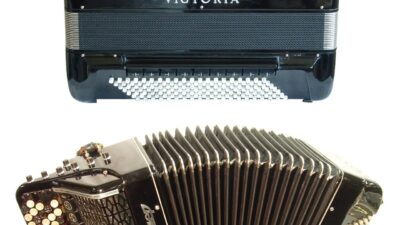
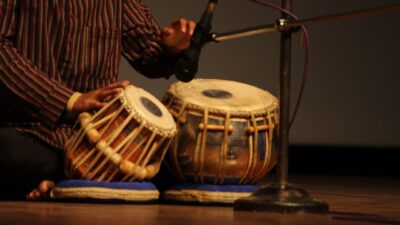
एस.डी. बर्मन ने यहाँ पहाड़ी रंग की मोडल सुरावट का सहारा लिया — भैरवी की उदासी से हल्का और खुला स्वर। अकॉर्डियन एक पुरानी मिठास जोड़ता है, और धुन में एक लोक-सी सहजता है जो इसे तुरंत गुनगुनाने लायक बनाती है। रफ़ी साहब की आवाज़ गरम और थोड़ी हिचकती हुई है — किरदार की शरमाती भावना की तरह। गीता दत्त अपनी खुरदरी मिठास से जवाब देती हैं। कहरवे की नरम ताल इस युगल को एक सौम्य बातचीत की लय देती है।
अंग्रेज़ी में पढ़ें · Read in English
S.D. Burman draws on a Pahadi-tinged modal tonality — lighter, more open than the Bhairavi of the protest songs — to suggest the brief lift in the film's emotional landscape. The accordion adds a nostalgic sweetness, and the melody has a folk-like accessibility that made it immediately singable. Rafi's voice is warm and slightly hesitant, matching the character's tentative emotion; Geeta Dutt responds with her characteristic husky warmth. The duet format works perfectly as call-and-response — two lonely people completing each other's thoughts. The rhythm is easy Keherwa, soft and unhurried.
काव्य The Poetry
शैलेंद्र साधारण की शक्ति के उस्ताद थे — उनकी प्रतिभा यह थी कि वे बिल्कुल सही शब्द ढूँढ लेते थे जो एक असली इंसान असाधारण भावना के लिए इस्तेमाल करता। इस गीत की पूरी बिम्ब-दुनिया आँखों की है: उनमें बस जाना, उनमें बहार ढूँढना, उनके ख़ुमार में खो जाना। भाषा हिंदी-उर्दू का सरल मिश्रण है, इतना सीधा कि हर श्रोता लगे यह उसी से कहा जा रहा है। कोई भारी रूपक नहीं, कोई साहित्यिक संदर्भ नहीं — बस दो लोगों की वह नाज़ुक, धीमी बातचीत जिसमें प्यार जन्म लेता है।
अंग्रेज़ी में पढ़ें · Read in English
Shailendra was the master of the ordinary — his great gift was finding the exact words a real person would use to express extraordinary emotion. In this song, the imagery is entirely of the eyes: making a home in them, finding spring in them, drowning pleasantly in their intoxication. The vocabulary is Hindi-Urdu mixed, simple enough for every listener to feel the speaker is talking directly to them. There is no grand metaphor, no learned allusion — just the direct language of two people carefully discovering they might love each other.
कहानी The Story
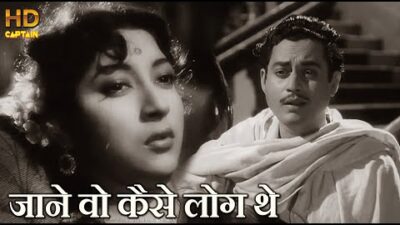
इस गाने को गुरु दत्त ने छायाकार वी.के. मूर्थी के साथ असाधारण संवेदनशीलता से फ़िल्माया। दृश्य में चियारोस्कूरो रोशनी है — अँधेरे के बीच रोशनी के द्वीप — जो वहीदा रहमान के चेहरे को चमका देती है। गीता दत्त, जिन्होंने यह गाना रिकॉर्ड किया, गुरु दत्त की पत्नी थीं — और जिस वक़्त वे यह प्यार-भरा गीत गा रही थीं, उनकी शादी टूट रही थी। यह जीवनी-विडंबना उस समय दर्शकों को नहीं पता थी, लेकिन आज यह गीत को और गहरा बना देती है।
अंग्रेज़ी में पढ़ें · Read in English
The song was filmed with extraordinary sensitivity by Guru Dutt and cinematographer V.K. Murthy. The scene uses chiaroscuro lighting — pools of light and shadow — that makes Waheeda Rehman's face luminous against the darkness. Geeta Dutt, who recorded the song, was Guru Dutt's wife; their real-life marriage was deteriorating even as she sang this song of tender love for his film. This biographical irony was unknown to audiences at the time but gives the song an additional layer of poignancy in retrospect.
विरासत The Legacy
इस गीत में रफ़ी-गीता दत्त की जोड़ी हिंदी फ़िल्म इतिहास की सर्वश्रेष्ठ युगल-जोड़ियों में से एक मानी जाती है। 'प्यासा' की 50वीं वर्षगाँठ (2007) पर इस गाने को फ़िल्म के प्रेम के उस पल के रूप में सराहा गया जो त्रासदी के बीच खिलता है। 2010 के दशक में सोशल मीडिया पर युवा पीढ़ी ने इसे फिर से खोजा और इसे 'वह गाना जो यक़ीन दिलाता है कि प्यार संभव है' कहा।
अंग्रेज़ी में पढ़ें · Read in English
The Rafi-Geeta Dutt pairing in this song is considered one of the finest duet collaborations in Hindi film history. The song appears on every major compilation of Golden Era duets. It was covered in Bengali by Hemant Kumar and Lata Mangeshkar. In 2007, when the 50th anniversary of Pyaasa was celebrated, this song was singled out in retrospectives as the film's moment of pure love amid tragedy. Young film-music enthusiasts rediscovered it through social media in the 2010s, calling it 'the song that makes you believe love is possible.'
वर्गीकरण
Classification- Tempo
- Medium
Genre
अन्य विवरण
More Details- Nasreen Munni Kabir, 'Guru Dutt: A Life in Cinema' (1996) — Oxford University Press
- Wikipedia: 'Pyaasa (film)' — en.wikipedia.org/wiki/Pyaasa_(film)
- Wikipedia: 'Geeta Dutt' — en.wikipedia.org/wiki/Geeta_Dutt
- Wikipedia: 'Shailendra' — en.wikipedia.org/wiki/Shailendra_(lyricist)
- Anirudha Bhattacharjee & Balaji Vittal, 'Gaata Rahe Mera Dil' (2011) — HarperCollins
References
रोचक तथ्य
Margin Notesगीता दत्त ने अपने पति गुरु दत्त की फिल्म के लिए यह रोमांटिक युगल गीत उस दौर में रिकॉर्ड किया था जब उनका वैवाहिक जीवन स्पष्ट रूप से तनावपूर्ण था — यह हिंदी सिनेमा की सबसे मार्मिक जीवनी-संबंधी विडंबनाओं में से एक है।
अंग्रेज़ी में पढ़ें · Read in English
Geeta Dutt recorded this romantic duet for her husband Guru Dutt's film at a time when their marriage was visibly strained, making it one of Hindi cinema's most poignant biographical ironies.
कहा जाता है कि इस गीत में सुनाई देने वाला एकॉर्डियन किसी एंग्लो-इंडियन सत्र वादक (सेशन म्यूज़िशियन) ने बजाया था, जिसका नाम कभी प्रोडक्शन नोट्स में दर्ज नहीं हुआ।
अंग्रेज़ी में पढ़ें · Read in English
The accordion heard in the song's arrangement was reportedly played by an Anglo-Indian session musician whose name was never recorded in production notes.
कहा जाता है कि एस.डी. बर्मन ने यह धुन बंबई स्थित अपने दादर वाले घर में चाय के एक ब्रेक के दौरान महज़ पंद्रह मिनट में रच दी थी — हालांकि गुरु दत्त ने इसकी संगीत-व्यवस्था पर घंटों मेहनत की थी।
अंग्रेज़ी में पढ़ें · Read in English
S.D. Burman composed this melody at his Dadar home in Bombay, reportedly in fifteen minutes during a chai break — though Guru Dutt spent hours workshopping the arrangement.
वहीदा रहमान, जो परदे पर गीता दत्त की आवाज़ पर होंठ हिलाती नज़र आती हैं, ने बाद में कहा था कि यह गीत फिल्म में उनका सबसे पसंदीदा था और पीछे मुड़कर देखने पर आज भी उन्हें भावुक कर देता है।
अंग्रेज़ी में पढ़ें · Read in English
Waheeda Rehman, who appears on screen lip-syncing to Geeta Dutt's voice, later said this song was her favourite from the film and always made her emotional in retrospect.
नमूना-पट्टी
The Specimen Table| शीर्षक | हम आप की आँखों में · Hum Aap Ki Aankhon Mein |
|---|---|
| वर्ष · युग | 1957 — Golden Era |
| गायक | Mohammed Rafi, Geeta Dutt |
| गीतकार | Shailendra |
| संगीतकार | S.D. Burman |
| स्वरूप | युगल |
| गति | मध्यम |
| अवधि | 3:40 |
| भाषा | Urdu · Hindi |
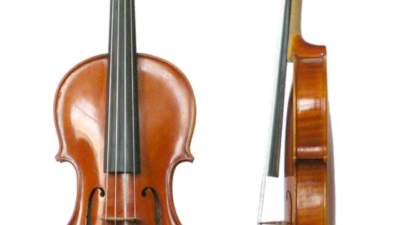
| वाद्य | accordion · tabla · violin |
| भाव | मीठा-कड़वा · पुरानी यादें · शांत · रोमांटिक |
| लोकप्रियता | Legendary |
| बोल-स्थिति | केवल झलक |
जुड़े हुए पन्ने
Connected Plates · The Graph Made Visibleअटलस में कोई पन्ना अकेला नहीं — इस गीत से जुड़े गीत, कलाकार, फ़िल्म, राग-ताल-विधा, सब यहाँ से खुलते हैं।
मिलते-जुलते गीत · Related Songs
कलाकार · The Artists
युग · The Era
साझा कीजिए · Share this Plate
यह पन्ना आगे बढ़ाइए
दो आवाज़ें, एक फ़िल्म, और वह दिल तोड़ने वाली सच्चाई कि जिस प्यार को वे गा रहे थे, वह पहले ही ख़त्म हो चुका था।
Two voices, one film, and the heartbreaking knowledge that the love they sang about was already over.
— Film critic Khalid Mohamed
सवाल-जवाब
Questions & Answersप्यासा में 'हम आप की आँखों में' किसने गाया? · Who sang 'Hum Aap Ki Aankhon Mein' in Pyaasa?
'प्यासा' (1957) में यह युगल गीत मोहम्मद रफ़ी और गीता दत्त ने गाया। संगीत एस.डी. बर्मन का और बोल शैलेंद्र के थे। इसे गुरु दत्त और वहीदा रहमान पर फ़िल्माया गया।
Mohammed Rafi and Geeta Dutt sang this duet for Pyaasa (1957), with music by S.D. Burman and lyrics by Shailendra. It was filmed on Guru Dutt and Waheeda Rehman.
फ़िल्म में इस गाने का संदर्भ क्या है? · What is the film context of this song?
यह गाना संघर्षरत कवि विजय (गुरु दत्त) और गुलाबो (वहीदा रहमान) के बीच के कोमल दृश्य में आता है। यह फ़िल्म का वह इकलौता बड़ा पल है जब रोमांटिक ख़ुशी दिखती है — त्रासदी से पहले।
The song appears in a tender scene between the struggling poet Vijay (Guru Dutt) and Gulabo (Waheeda Rehman), a woman who genuinely loves him. It represents the film's sole extended moment of romantic happiness before tragedy.
क्या गीता दत्त के निजी जीवन का इस गीत से संबंध है? · Was Geeta Dutt's personal life connected to this song?
हाँ। यह प्यार-भरा युगल गाने वाली गीता दत्त, गुरु दत्त की पत्नी थीं। रिकॉर्डिंग के वक़्त उनका वैवाहिक रिश्ता टूट रहा था — यह हिंदी सिनेमा की सबसे दर्दनाक जीवनी-विडंबनाओं में से एक है।
Yes. Geeta Dutt, who sang this romantic duet, was Guru Dutt's wife. Their marriage was deteriorating at the time of recording, making this song of tender love one of Hindi cinema's great biographical ironies.