गीत विंग · गीत-पट्टिका · Song Plate
हम आज कहीं दिल खो आये
Hum Aaj Kahin Dil Kho Aaye
वो गीत जिसमें मुकेश की आवाज़ दिल खोने को एक दर्द-भरी ख़ूबसूरती बना देती है।
भावउदास · दार्शनिक · रोमांटिक · Wistful
भाषाUrdu · Hindi गतिधीमी स्वरूपएकल पुरुष
श्रेय
The Creditsबोल · The Lyrics
बोल — झलक · Lyrics Preview
हम आज कहीं दिल खो आये
किसी की आँखों में समा के
हम आज कहीं दिल खो आये
Hum aaj kahin dil kho aaye
Kisi ki aankhon mein sama ke
Hum aaj kahin dil kho aaye
कॉपीराइट के कारण केवल झलक — पूरे बोल आधिकारिक मंचों पर।
शब्दकोश
Word Meaningsसूत्र-वाक्य · The Hook
सूत्र-वाक्य
वो गीत जिसमें मुकेश की आवाज़ दिल खोने को एक दर्द-भरी ख़ूबसूरती बना देती है।
In EnglishThe song where Mukesh's voice turns the act of losing your heart into something achingly beautiful.
पट्टिका-लेख
The Monographपरिचय Overview
मेहबूब ख़ान की ऐतिहासिक सामाजिक फ़िल्म 'अंदाज़' (१९४९) से 'हम आज कहीं दिल खो आये' नौशाद अली की उन कोमल-दर्दनाक रचनाओं में से एक है जो दिल को बहुत धीरे-धीरे अपने भीतर खींचती हैं। भैरवी की कसक के रंग में, बेला और सारंगी की लहरों पर टिकी यह धुन उस ठीक पल को पकड़ती है जब एक आदमी जान लेता है कि उसका दिल उसके हाथों से फिसल चुका है। शकील बदायूनी के बोल सरल हैं — 'आज कहीं दिल खो आये, किसी की आँखों में समा के' — पर इस सरलता में ही उनकी ताक़त है। HMV बम्बई से 'अंदाज़' के ट्रैक के रूप में जारी यह गीत उस फ़िल्म के मशहूर गीतों के बीच एक शांत, गहरी हूक की तरह टिका रहता है — जो सुनने वाले के मन में सबसे देर तक ठहरता है।
अंग्रेज़ी में पढ़ें · Read in English
From Mehboob Khan's landmark social film Andaz (1949), 'Hum Aaj Kahin Dil Kho Aaye' is one of Naushad Ali's most tenderly melancholic compositions — a slow, raga-inflected lament voiced by Mukesh on behalf of Dilip Kumar's conflicted hero. Set against a backdrop of violins and sarangi in the vein of Bhairavi's bittersweet tonality, the song captures the precise moment a man realises his heart has escaped his rational control. Shakeel Badayuni's lyric is deceptively simple: 'today, somewhere, I lost my heart — I dissolved into someone's eyes'. Released by HMV Bombay as part of the Andaz soundtrack — one of the year's most celebrated — this song stands apart from the film's more famous numbers as a quietly devastating solo that reveals the full emotional range of Naushad's Golden Era orchestral writing.
संगीत The Music
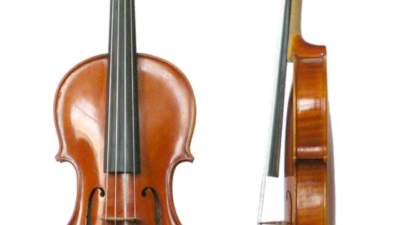
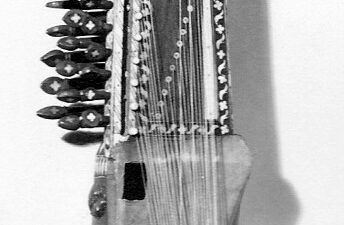
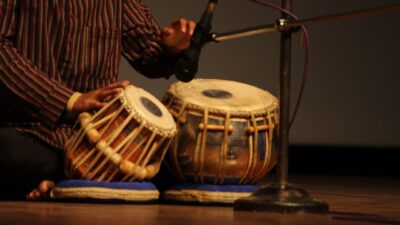
नौशाद अली का संगीत-संयोजन 'हम आज कहीं दिल खो आये' में उनकी उस संगीत-दृष्टि का प्रमाण है जो भावना को थोपती नहीं, बल्कि सुनने वाले को अपनी ओर खींचती है। बेला और सारंगी का प्रारंभिक परिचय — मानो दो आवाज़ें आपस में कुछ कह रही हों — और फिर मुकेश की आवाज़ का प्रवेश। भैरवी का भाव-रंग पूरे गीत पर छाया है — लालसा और समर्पण, दोनों एक साथ। तबला चुपचाप साथ चलता है, खुद को कभी प्रमुख नहीं करता। मुकेश का स्वर — जो हमेशा कोमल उदासी में सबसे अधिक ज़िंदा होता था — यहाँ अपने पूरे रंग में है। नौशाद की संगीत-रचना सुनाई देती है लेकिन महसूस होती है — बस यही फ़िल्म संगीत की उच्चतम कला है।
अंग्रेज़ी में पढ़ें · Read in English
Naushad Ali's arrangement for 'Hum Aaj Kahin Dil Kho Aaye' is a model of restrained emotional depth. The song opens with a string-led introduction — violins and sarangi in close dialogue — before Mukesh enters with the mukhda. Naushad draws on Bhairavi's characteristic mix of longing and surrender, though he does not rigidly follow the raag's grammar; instead he uses its emotional colouring as the song's overall mood-canvas. The tabla enters discreetly, never dominating — this is orchestral accompaniment that serves the lyric. Mukesh's voice, always best in registers of gentle melancholy, is ideally suited here. He does not dramatize; he simply inhabits the sadness, and the result is extraordinarily affecting. Naushad would later say that the best film songs are those where the orchestration is felt but not consciously noticed — this song is a perfect illustration.
काव्य The Poetry
शकील बदायूनी ने 'हम आज कहीं दिल खो आये' में एक शब्द ऐसा लिखा जो पूरी बात कह देता है — 'कहीं'। दिल कहाँ खोया? पता नहीं — बस किसी की आँखों में समा गया। यही अनिश्चितता इस गीत की जान है: प्रेम शकील के यहाँ कोई तर्क-सम्मत घटना नहीं है, यह अनजाने में हो जाने वाला समर्पण है। उर्दू-हिंदी का मेल एकदम सधा हुआ है — इतना औपचारिक कि भाव का वज़न उठा सके, इतना बोलचाल कि सुनते ही दिल से जुड़ जाए। कम शब्दों में अधिक कहने की यही शक्ति शकील को उनके समकालीनों से अलग करती थी।
अंग्रेज़ी में पढ़ें · Read in English
Shakeel Badayuni crafts a lyric of elegant simplicity — 'Hum aaj kahin dil kho aaye' — which achieves its effect through the apparent casualness of 'kahin' (somewhere). The speaker does not know exactly where the heart was lost; it simply escaped, absorbed into 'someone's eyes'. This vagueness is precisely the point: love in Shakeel's idiom is not a rational event but an inadvertent surrender. The Urdu-Hindi blend is perfectly judged — formal enough for the emotional weight, conversational enough for immediate identification. The restraint Shakeel exercises here — saying much by saying little — is what separates his best work from mere competent verse.
कहानी The Story
१९४९ में मेहबूब ख़ान की 'अंदाज़' उस साल की सबसे प्रतीक्षित फ़िल्मों में से थी — दिलीप कुमार, नरगिस और राज कपूर पहली बार एक साथ पर्दे पर थे, और कहानी आधुनिक युग में स्त्री-पुरुष मित्रता की जटिलताओं पर आधारित थी। नौशाद अली ने इस फ़िल्म के लिए जो संगीत रचा, उसे उनके सबसे परिपक्व काम में गिना जाता है। 'हम आज कहीं दिल खो आये' दिलीप कुमार के पात्र की वो स्वीकारोक्ति है जो वो खुद से भी नहीं कह पाते — दर्शक उनका भीतरी स्वर सुनते हैं मुकेश की आवाज़ में। तब तक मुकेश दिलीप कुमार की उदासी-भरे गीतों की आवाज़ बन चुके थे — एक ऐसी जोड़ी जिसने पूरे एक दौर को परिभाषित किया।
अंग्रेज़ी में पढ़ें · Read in English
Andaz (1949), Mehboob Khan's critically acclaimed social drama, was one of the most anticipated films of the year — it brought together Dilip Kumar, Nargis, and Raj Kapoor for the first time and addressed the complexities of modern friendship between men and women. Naushad Ali composed what many consider his most sophisticated score for this film, with Shakeel Badayuni writing lyrics of unusual psychological depth. 'Hum Aaj Kahin Dil Kho Aaye' is Dilip Kumar's character's private admission — a solo that the audience hears as his inner voice. Mukesh had by this time established himself as Dilip Kumar's primary playback voice for melancholy numbers, a pairing that would define an era. The song is said to have been recorded in a single extended session, Naushad insisting on the orchestral sweep that gives it its memorable cinematic quality.
विरासत The Legacy
यह गीत 'अंदाज़' के ज़्यादा मशहूर गीतों ('तू कहे अगर', 'उठाये जा उनके सितम') की तुलना में कम जाना जाता है, लेकिन नौशाद के काम के पारखियों के लिए यह उनकी संगीत-रचना की एक अलग ही ऊँचाई का उदाहरण है। मुकेश-दिलीप कुमार की जोड़ी यहाँ अपने शुरुआती दौर में किसी गहरे भाव को छू रही है। संगीत-विद्वान इसे नौशाद और मेहबूब ख़ान की उस मनोवैज्ञानिक यथार्थवाद की प्रारंभिक मिसाल मानते हैं जो हिंदी फ़िल्म संगीत को 'पात्र को प्रकट करने का माध्यम' बनाती है — महज़ दृश्य का संगत नहीं।
अंग्रेज़ी में पढ़ें · Read in English
This song, while lesser-known than 'Tu Kahe Agar' or 'Uthaye Ja Unke Sitam' from the same film, is treasured by connoisseurs of Naushad's work for its exceptional orchestral sensitivity. It represents the Mukesh-Dilip Kumar combination at one of its earliest peaks. Music scholars cite it as an early example of the psychological realism that Naushad and Mehboob Khan brought to Hindi film music — a song that reveals character rather than simply accompanying a scene. It remains a quiet classic in Naushad retrospectives and among collectors of the Golden Era.
वर्गीकरण
Classification- Tempo
- Slow
Genre
अन्य विवरण
More Details- Hindi Film Geet Kosh, Vol. III (1949–1956), Har Mandir Singh 'Hamraaz'
- Wikipedia: Andaz (1949 film)
- Wikipedia: Naushad Ali
- Wikipedia: Mukesh (singer)
- Wikipedia: Shakeel Badayuni
- Mehboob Khan biography — The Eloquent Peasant
References
रोचक तथ्य
Margin Notesअंदाज़ (1949) को महबूब ख़ान की बेहतरीन कृतियों में से एक माना जाता है — यह आधुनिकीकरण होते शहरी भारत में स्त्री-पुरुष मित्रता की जटिलताओं को दर्शाने वाली शुरुआती हिंदी फिल्मों में से एक थी।
अंग्रेज़ी में पढ़ें · Read in English
Andaz (1949) is considered one of Mehboob Khan's finest works — it was one of the first Hindi films to depict the ambiguities of male-female friendship in a modernizing urban India.
नौशाद अली ने अंदाज़ पर अपने काम को अपनी सबसे परिपक्व रचनाओं में गिना — विशेष रूप से यह गीत उस शांत, मनोवैज्ञानिक गहराई को दर्शाता है जिसके वे सक्षम थे।
अंग्रेज़ी में पढ़ें · Read in English
Naushad Ali considered his work on Andaz to be among his most mature compositions — this song in particular represents the quiet, psychological depth he was capable of.
दिलीप कुमार के धीमे, दुखद एकल गीतों के लिए मोहम्मद रफ़ी की तुलना में मुकेश को प्राथमिकता दी जाती थी — नौशाद ने कहा कि मुकेश की आवाज़ में एक 'अंतर्निहित उदासी' थी जिसे किसी अभिनय की आवश्यकता नहीं थी।
अंग्रेज़ी में पढ़ें · Read in English
Mukesh was preferred over Mohammad Rafi for Dilip Kumar's slower, sadder solos — Naushad said Mukesh's voice had a 'built-in sadness' that required no acting.
शकील बदायूँनी का निधन 20 अप्रैल 1970 को हुआ, जिसका अर्थ है कि इस गीत के बोल 31 दिसंबर 2030 को सार्वजनिक डोमेन में प्रवेश करेंगे।
अंग्रेज़ी में पढ़ें · Read in English
Shakeel Badayuni died on 20 April 1970, meaning the lyrics of this song will enter public domain on 31 December 2030.
नमूना-पट्टी
The Specimen Table| शीर्षक | हम आज कहीं दिल खो आये · Hum Aaj Kahin Dil Kho Aaye |
|---|---|
| फ़िल्म | अंदाज़ · 1949 |
| वर्ष · युग | 1949 — Golden Era |
| गायक | Mukesh |
| गीतकार | Shakeel Badayuni |
| संगीतकार | Naushad |
| स्वरूप | एकल पुरुष |
| गति | धीमी |
| अवधि | 3:45 |
| भाषा | Urdu · Hindi |
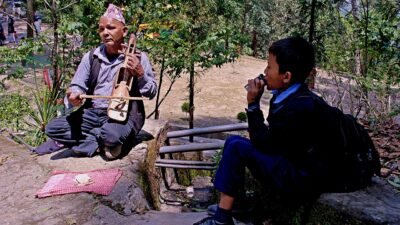
| वाद्य | violin · sarangi · tabla · harmonium · instrument-flute |
| भाव | उदास · दार्शनिक · रोमांटिक · Wistful |
| लोकप्रियता | Popular |
| बोल-स्थिति | केवल झलक |
जुड़े हुए पन्ने
Connected Plates · The Graph Made Visibleअटलस में कोई पन्ना अकेला नहीं — इस गीत से जुड़े गीत, कलाकार, फ़िल्म, राग-ताल-विधा, सब यहाँ से खुलते हैं।
मिलते-जुलते गीत · Related Songs
कलाकार · The Artists
फ़िल्म · The Film
युग · The Era
साझा कीजिए · Share this Plate
यह पन्ना आगे बढ़ाइए
नौशाद की प्रतिभा यही थी कि भाव पहले पहुँचता था, शब्द बाद में।
Naushad's genius was to make you feel the emotion before you even understood the words.
— Observation on Naushad Ali's compositional approach