गीत विंग · गीत-पट्टिका · Song Plate
यह मेरा दीवानापन है
Yeh Mera Deewanapan Hai
यह जलन अपनी दीवानगी है या प्रेम का सुरूर — और परवाह नहीं, क्योंकि दोनों हाल मंज़ूर हैं।
भावतीव्र · उदास · Passionate · रोमांटिक
भाषाHindi · Urdu गतिधीमी स्वरूपएकल पुरुष
श्रेय
The Creditsबोल · The Lyrics
बोल — झलक · Lyrics Preview
या मोहब्बत का सुरूर
जो बाधा डाले दिल को
वो बाधा दिल को मंज़ूर
Ya mohabbat ka suroor
Jo baadha daale dil ko
Woh baadha dil ko manzoor
कॉपीराइट के कारण केवल झलक — पूरे बोल आधिकारिक मंचों पर।
शब्दकोश
Word Meaningsसूत्र-वाक्य · The Hook
सूत्र-वाक्य
यह जलन अपनी दीवानगी है या प्रेम का सुरूर — और परवाह नहीं, क्योंकि दोनों हाल मंज़ूर हैं।
In EnglishTo not know if this burning inside you is your own madness or love's intoxication — and to not care, because either way you accept it.
पट्टिका-लेख
The Monographपरिचय Overview
बिमल रॉय की ऐतिहासिक नाटक फ़िल्म 'यहूदी' (1958) से, 'यह मेरा दीवानापन है' ने दिलीप कुमार को उनके सबसे दार्शनिक फ़िल्म गीतों में से एक दिया। शंकर-जयकिशन की रचना — पियानो के नेतृत्व में असामान्य रूप से पश्चिमी उपचार के साथ — एक गंभीर, विशाल भावनात्मक कैनवास बनाती है जो शैलेन्द्र के प्रेम-को-पागलपन के रूप में देखने के साथ मेल खाती है। HMV इंडिया पर जारी यह गीत हिंदी फ़िल्म संगीत में तीव्र, आत्म-भस्म प्रेम की सर्वश्रेष्ठ अभिव्यक्तियों में माना जाता है।
अंग्रेज़ी में पढ़ें · Read in English
From Bimal Roy's historical drama Yahudi (1958), 'Yeh Mera Deewanapan Hai' gave Dilip Kumar one of his most philosophically charged film songs. Shankar-Jaikishan's composition — with piano leading in an unusually Western treatment — creates a serious, large-scale emotional canvas that matches Shailendra's meditation on love as madness. Mukesh's voice, with its quality of measured yearning, was ideally suited to this song's combination of passion and philosophical resignation. Released on HMV India, the song is considered among the finest expressions of intense, self-consuming love in Hindi film music.
संगीत The Music
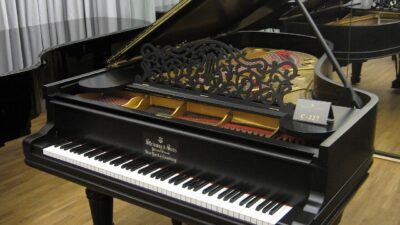
शंकर-जयकिशन पश्चिमी शास्त्रीय संगीत को भारतीय फ़िल्म संगीत से इस तरह मिलाने के लिए जाने जाते थे जो सहज लगे। 'यह मेरा दीवानापन है' में पियानो मुख्य सुर-वाद्य है — 1958 की हिंदी फ़िल्म गीतों में असामान्य — जो इसे लगभग ऑपेरेटिक गुण देता है। तार-वाद्य संयोजन भावनात्मक लहरों की तरह उठता-गिरता है। रचना की संरचना एक पश्चिमी कला-गीत (Lied) के अधिक क़रीब है — पारंपरिक फ़िल्म गीत के बजाय।
अंग्रेज़ी में पढ़ें · Read in English
Shankar-Jaikishan were known for their ability to blend Western classical music with Indian film music in a way that felt organic rather than grafted. 'Yeh Mera Deewanapan Hai' uses piano as the lead melodic instrument — uncommon in Hindi film songs of 1958 — which gives it an almost operatic quality. The string arrangement builds and recedes like emotional tides. The composition's structure is closer to a Western art song (Lied) than to a conventional film geet, with the melody developing through the verses rather than returning repeatedly to a conventional mukhda. Mukesh navigates this musical architecture with characteristic sincerity.
काव्य The Poetry
शैलेन्द्र का दार्शनिक प्रश्न — 'यह मेरी दीवानगी है या मोहब्बत का सुरूर?' — सूफ़ी परंपरा के इश्क़-ए-मजाज़ी (सांसारिक प्रेम) और इश्क़-ए-हक़ीक़ी (दिव्य प्रेम) की याद दिलाता है जहाँ मानवीय जुनून और आध्यात्मिक आनंद की सीमा घुल जाती है। 'जो बाधा डाले दिल को, वो बाधा दिल को मंज़ूर' — प्रेम की बिना-शर्त प्रकृति की एक गहरी घोषणा।
अंग्रेज़ी में पढ़ें · Read in English
Shailendra's central philosophical proposition — 'Is this my madness, or the intoxication of love?' — recalls the ancient Sufi tradition of ishq-e-majazi (worldly love) bleeding into ishq-e-haqiqi (divine love), where the boundary between human passion and spiritual ecstasy dissolves. 'Jo baadha daale dil ko, woh baadha dil ko manzoor' — 'whatever obstacle is placed before the heart, the heart accepts it' — is a profound declaration of love's unconditional nature.
कहानी The Story
बिमल रॉय की 'यहूदी' (1958) प्राचीन रोम में धार्मिक उत्पीड़न और दुखांत प्रेम से जुड़ी एक ऐतिहासिक नाटक-फ़िल्म थी। दिलीप कुमार ने एक यहूदी राजकुमार की भूमिका निभाई। शंकर-जयकिशन की जोड़ी 1958 में अपने शीर्ष पर थी। इस गीत में पियानो का चुनाव फ़िल्म के रोमन परिवेश के पश्चिमी शास्त्रीय संसार का सचेत संदर्भ था।
अंग्रेज़ी में पढ़ें · Read in English
Yahudi (1958), directed by Bimal Roy, was a historical drama set in ancient Rome dealing with themes of religious persecution and tragic love. Dilip Kumar played a Jewish prince in a story that required songs of great emotional and philosophical weight. The Shankar-Jaikishan partnership was at its peak in 1958 — they had just scored Shree 420 and Chori Chori to great acclaim. Their choice of piano for this song was a deliberate reference to the Western classical world in which the film's Roman setting was embedded.
विरासत The Legacy
यह गीत शंकर-जयकिशन की पश्चिमी शास्त्रीय प्रभावों को हिंदी फ़िल्म संगीत में शामिल करने की क्षमता का उत्कृष्ट उदाहरण माना जाता है। 'सर्वश्रेष्ठ मुकेश गीत' सूचियों में यह नियमित आता है। 'यहूदी' अब दिलीप कुमार की श्रेष्ठ नाटकीय प्रस्तुतियों में मानी जाती है।
अंग्रेज़ी में पढ़ें · Read in English
This song is considered one of the finest examples of Shankar-Jaikishan's ability to infuse Western classical influences into Hindi film music. It is regularly featured in 'greatest Mukesh songs' lists. The film Yahudi is now considered one of Dilip Kumar's finest dramatic performances, and this song was central to its emotional climax.
वर्गीकरण
Classification- Tempo
- Slow
Genre
अन्य विवरण
More Details- Hindi Film Geet Kosh Vol. 4 (1958)
- Wikipedia: Yahudi (1958 film) — en.wikipedia.org/wiki/Yahudi_(1958_film)
- Wikipedia: Shankar-Jaikishan — en.wikipedia.org/wiki/Shankar-Jaikishan
- Wikipedia: Dilip Kumar — en.wikipedia.org/wiki/Dilip_Kumar
References
रोचक तथ्य
Margin Notes1958 के हिंदी फ़िल्मी गीतों में पियानो का प्रमुख वाद्य के रूप में प्रयोग असामान्य था — यहाँ शंकर-जयकिशन का यह प्रयोग एक सोची-समझी कलात्मक पसंद थी।
अंग्रेज़ी में पढ़ें · Read in English
Piano was an unusual leading instrument in Hindi film songs of 1958 — Shankar-Jaikishan's use of it here was a deliberate artistic choice.
बिमल रॉय ने उसी वर्ष यहूदी (1958) का निर्देशन किया जिस वर्ष उन्होंने मधुमती का निर्देशन किया था — यह एक अद्भुत दोहरी उपलब्धि थी।
अंग्रेज़ी में पढ़ें · Read in English
Bimal Roy directed Yahudi (1958) the same year he directed Madhumati — an astonishing double achievement.
यह फ़िल्म यहूदी-विरोध और अंतर-धार्मिक प्रेम की त्रासदी जैसे विषयों की पड़ताल करती है — 1950 के दशक के हिंदी सिनेमा के लिए ये असाधारण साहसिक विषय थे।
अंग्रेज़ी में पढ़ें · Read in English
The film explores themes of anti-Semitism and tragic interreligious love — unusually bold topics for Hindi cinema of the 1950s.
शंकर-जयकिशन ऐसे संगीतकार थे जिन्होंने पश्चिमी शास्त्रीय वाद्यवृंद (ऑर्केस्ट्रेशन) को हिंदी फ़िल्म संगीत में सबसे निरंतरता से शामिल किया।
अंग्रेज़ी में पढ़ें · Read in English
Shankar-Jaikishan were the composers who most consistently integrated Western classical orchestration into Hindi film music.
दिलीप कुमार और बिमल रॉय की कई फ़िल्मों में साझेदारी ने 1950 के दशक के हिंदी सिनेमा की कुछ सबसे उत्कृष्ट नाटकीय कृतियाँ रचीं।
अंग्रेज़ी में पढ़ें · Read in English
Dilip Kumar and Bimal Roy's collaboration over several films produced some of Hindi cinema's finest dramatic work of the 1950s.
नमूना-पट्टी
The Specimen Table| शीर्षक | यह मेरा दीवानापन है · Yeh Mera Deewanapan Hai |
|---|---|
| वर्ष · युग | 1958 — Golden Era |
| गायक | Mukesh |
| गीतकार | Shailendra |
| संगीतकार | शंकर, जयकिशन |
| स्वरूप | एकल पुरुष |
| गति | धीमी |
| अवधि | 4:30 |
| भाषा | Hindi · Urdu |
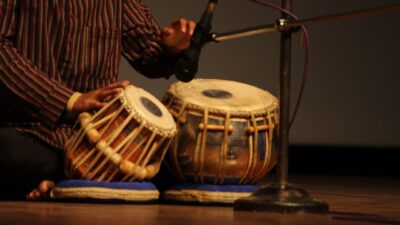
| वाद्य | piano · violin · tabla · harmonium |
| भाव | तीव्र · उदास · Passionate · रोमांटिक |
| लोकप्रियता | Very_popular |
| बोल-स्थिति | केवल झलक |
जुड़े हुए पन्ने
Connected Plates · The Graph Made Visibleअटलस में कोई पन्ना अकेला नहीं — इस गीत से जुड़े गीत, कलाकार, फ़िल्म, राग-ताल-विधा, सब यहाँ से खुलते हैं।
मिलते-जुलते गीत · Related Songs
कलाकार · The Artists
युग · The Era
साझा कीजिए · Share this Plate
यह पन्ना आगे बढ़ाइए
शंकर-जयकिशन ने हिंदी फ़िल्म संगीत को उसकी सबसे वैश्विक आवाज़ दी — यह गीत उसका प्रमाण है।
Shankar-Jaikishan gave Hindi film music its most cosmopolitan voice — this song is the proof.
— Lata Mangeshkar
सवाल-जवाब
Questions & Answers'यह मेरा दीवानापन है' किस फ़िल्म का गीत है? · What film is 'Yeh Mera Deewanapan Hai' from?
यह बिमल रॉय निर्देशित ऐतिहासिक नाटक 'यहूदी' (1958) का गीत है जिसमें दिलीप कुमार हैं। संगीत शंकर-जयकिशन का और गायन मुकेश का है।
It is from Yahudi (1958), a historical drama directed by Bimal Roy, starring Dilip Kumar. It was composed by Shankar-Jaikishan and sung by Mukesh.
'दीवानापन' का क्या अर्थ है? · What does 'deewanapan' mean?
'दीवानापन' का अर्थ पागलपन है — विशेष रूप से प्रेम का पागलपन। गीत पूछता है: यह तीव्र भाव अपनी दीवानगी है या मोहब्बत का सुरूर? और उत्तर है: परवाह नहीं, दिल को सब मंज़ूर है।
Deewanapan means madness — specifically the madness or frenzy of love. The song questions whether the intense feeling the lover has is his own madness or love's intoxication, and concludes it doesn't matter — the heart accepts whatever comes.