गीत विंग · गीत-पट्टिका · Song Plate
है अपना दिल तो आवारा
Hai Apna Dil To Aawara
जो दिल कभी टिकता नहीं, कहीं पहुँचता नहीं — और इसी बेचैनी में दुनिया की सबसे रोमांटिक बात है — यही यह गीत है।
भावमीठा-कड़वा · उदास · पुरानी यादें · दार्शनिक
भाषाHindi · Urdu गतिधीमी स्वरूपएकल पुरुष
श्रेय
The Creditsबोल · The Lyrics
बोल — झलक · Lyrics Preview
न जाने किस पर आएगा
यह दिल है एक बंजारा
न जाने किस पे आएगा
Na jaane kis par aayega
Yeh dil hai ek banjara
Na jaane kis pe aayega
कॉपीराइट के कारण केवल झलक — पूरे बोल आधिकारिक मंचों पर।
शब्दकोश
Word Meaningsसूत्र-वाक्य · The Hook
सूत्र-वाक्य
जो दिल कभी टिकता नहीं, कहीं पहुँचता नहीं — और इसी बेचैनी में दुनिया की सबसे रोमांटिक बात है — यही यह गीत है।
In EnglishThe heart that never settles, never arrives, and somehow that restlessness is the most romantic thing in the world — that is this song.
पट्टिका-लेख
The Monographपरिचय Overview
हिंदी सिनेमा में एकाकी बंजारे का परिभाषित गीत, राज खोसला की 'सोलवाँ साल' (1958) का 'है अपना दिल तो आवारा' — देव आनंद का सबसे प्रतिष्ठित व्यक्तित्व-गीत। हेमन्त कुमार की गहरी, गर्म, थोड़ी उदास आवाज़ और एस.डी. बर्मन की काफ़ी-रंगी रचना दिल के भटकाव को एक साथ रोमांटिक और दुखद बनाती है। शैलेन्द्र की प्रतिभा 'बंजारा' (खानाबदोश व्यापारी) की छवि को एक साथ स्वतंत्र और अकेला महसूस कराने में है। HMV इंडिया पर जारी यह गीत फ़िल्म से कहीं बड़ा हो गया।
अंग्रेज़ी में पढ़ें · Read in English
The defining song of the lonely wanderer archetype in Hindi cinema, 'Hai Apna Dil To Aawara' from Raj Khosla's Solva Saal (1958) gave Dev Anand his most iconic persona-song. Hemant Kumar's deep, warm, slightly melancholic voice — with S.D. Burman's Kafi-inflected composition — makes the heart's wandering feel both romantic and sad. Shailendra's genius was to make the 'banjara' (nomadic trader) image feel simultaneously free and lonely. Released on HMV India, this song has outlived the film enormously and is now considered one of the greatest Hindi film songs about the human condition of restlessness.
संगीत The Music
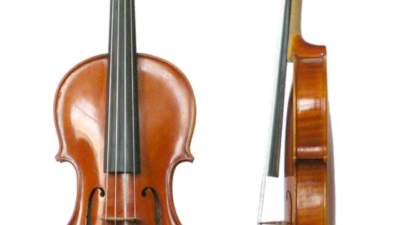
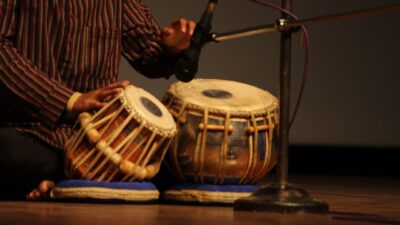
एस.डी. बर्मन ने इस गीत के लिए काफ़ी राग चुना — तरसन, बदलते मौसम, और हिंदुस्तानी संगीत में अकेले भटकने वाले की करुण आवाज़ का राग। संयोजन जानबूझकर सरल है: वायलिन की तारें धुन को शहर की गलियों में चलने जैसी हौले-हौले हिलती लय में लेती हैं, हारमोनियम आधार-स्वर देता है और तबला हल्की-सी धड़कन। हेमन्त कुमार की आवाज़ — गहरी, गूँजती, विशिष्ट बंगाली रंग लिए — इस गीत को भावनात्मक गुरुत्व देती है। रफ़ी के अलंकरण या मुकेश की काँपती कमज़ोरी से अलग, हेमन्त की आवाज़ में एक ठहरा हुआ, गूँजता विषाद है।
अंग्रेज़ी में पढ़ें · Read in English
S.D. Burman chose a Kafi raag framework for this song — a raag associated with longing, the changing seasons, and the plaintive voice of the solitary wanderer in Hindustani music. The arrangement is intentionally simple: violin strings carry the melody with a sense of gentle swaying — imitating the physical motion of walking through city streets — while harmonium provides the drone and tabla the soft heartbeat. Hemant Kumar's voice, a rich bass-baritone with a distinctive Bengali quality, gives the song its emotional gravity. Unlike Rafi's ornamentation or Mukesh's trembling vulnerability, Hemant's voice has a settled, resonant sorrow — perfect for a man who has made peace with his restlessness.
काव्य The Poetry
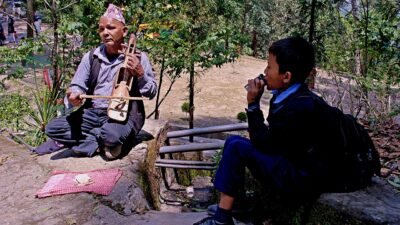
शैलेन्द्र का दिल के लिए 'बंजारा' रूपक उनकी सबसे प्रेरित कल्पनाओं में से एक है। बंजारे भारत की एक खानाबदोश जनजाति हैं — यात्री व्यापारी और गायक — जिनका जीवन एक साथ स्वतंत्रता और जड़हीनता का प्रतीक है। दिल को 'बंजारा' कहना उसे एक सांस्कृतिक विशिष्टता देता है जो कविता को सामान्य प्रेम-गीत से ऊपर उठाती है। 'न जाने किस पर आएगा' — एक विचलित करने वाला खुलापन: दिल किसी ख़ास को नहीं ढूँढ रहा, बस ढूँढ रहा है।
अंग्रेज़ी में पढ़ें · Read in English
Shailendra's 'banjara' image for the heart is one of his most inspired. The Banjara people are a nomadic community in India — travelling traders and singers — and their lifestyle represents both freedom and rootlessness simultaneously. To describe the heart as a 'banjara' is to give it a cultural specificity that elevates the poem beyond a generic love song. 'Na jaane kis par aayega' — 'on whom it will fall, who knows' — is a line of devastating emotional openness: the heart is not seeking anyone in particular, just seeking. This is a song about being human, not just about being in love.
कहानी The Story
'सोलवाँ साल' (1958) में देव आनंद और वहीदा रहमान थे, निर्देशन राज खोसला का। यह मुंबई के वास्तविक शहरी परिदृश्य का विस्तृत उपयोग करने वाली पहली हिंदी फ़िल्मों में से एक थी। 'है अपना दिल तो आवारा' देव आनंद के शहर की गलियों में चलते हुए फ़िल्माया गया और उनके परदे के व्यक्तित्व को सटीक रूप से व्यक्त करता है: स्टाइलिश, स्वतंत्र, रोमांटिक आदर्शवादी। एस.डी. बर्मन और हेमन्त कुमार दोनों बंगाली थे और उनके बीच एक सहज संगीत-समझ थी।
अंग्रेज़ी में पढ़ें · Read in English
Solva Saal (The Sixteenth Year, 1958) starred Dev Anand and Waheeda Rehman in a romantic thriller directed by Raj Khosla. The film was one of the first Hindi films to use Bombay's actual urban landscape extensively — street shots, real locations — giving it a neo-realistic texture. 'Hai Apna Dil To Aawara' is filmed with Dev Anand walking through these city streets, and the song perfectly encapsulates his screen persona: stylish, footloose, romantically idealistic. S.D. Burman and Hemant Kumar were both Bengalis who had an intuitive musical understanding — their collaboration on this film produced two of 1958's finest songs.
विरासत The Legacy
यह गीत हिंदी सिनेमा के 'आवारा' व्यक्तित्व का परिभाषित गान बन गया है — वह मुक्त आत्मा जो बँधना नहीं चाहती। देव आनंद स्वयं इसे अपना सबसे पसंदीदा व्यक्तिगत गीत बताते थे। देव आनंद का शहर की गलियों में चलना और हेमन्त कुमार की आवाज़ — हिंदी सिनेमा के सबसे प्रतिष्ठित संयोजनों में से एक। 'सर्वश्रेष्ठ हिंदी गीत' सूचियों में यह नियमित आता है।
अंग्रेज़ी में पढ़ें · Read in English
This song has become the defining anthem of what Hindi cinema calls the 'awaara' persona — the free-spirited wanderer who refuses to be tied down. It influenced countless similar songs over the decades. Dev Anand himself cited it as his favourite personal song. The image of Dev Anand walking through city streets with Hemant Kumar's voice on the soundtrack has become one of Hindi cinema's most iconic conjunctions of star, song, and setting. It is regularly featured in 'greatest Hindi songs' lists and continues to stream strongly.
वर्गीकरण
Classification- Tempo
- Slow
Genre
अन्य विवरण
More Details- Hindi Film Geet Kosh Vol. 4 (1958), Harmandir Singh Hamraz
- Wikipedia: Solva Saal (film) — en.wikipedia.org/wiki/Solva_Saal
- Wikipedia: Hemant Kumar — en.wikipedia.org/wiki/Hemant_Kumar
- Dev Anand autobiography 'Romancing with Life', Penguin Books India
References
रोचक तथ्य
Margin Notesदेव आनंद ने इस गीत को अपने पूरे फ़िल्मी करियर का निजी पसंदीदा गीत बताया था।
अंग्रेज़ी में पढ़ें · Read in English
Dev Anand called this song his personal favourite from his entire filmography.
एस.डी. बर्मन और हेमंत कुमार दोनों बंगाली थे और बॉम्बे व कलकत्ता, दोनों फ़िल्म उद्योगों में अक्सर साथ काम करते थे।
अंग्रेज़ी में पढ़ें · Read in English
S.D. Burman and Hemant Kumar were fellow Bengalis who collaborated frequently in both Bombay and Calcutta film industries.
सोलवां साल (1958) को स्टूडियो सेट के बजाय बॉम्बे की वास्तविक सड़कों पर व्यापक रूप से फ़िल्माई गई शुरुआती हिंदी फ़िल्मों में से एक माना जाता है।
अंग्रेज़ी में पढ़ें · Read in English
Solva Saal (1958) is credited as one of the first Hindi films to extensively use actual Bombay street locations rather than studio sets.
गीत में 'बंजारा' की छवि वास्तविक बंजारा घुमंतू समुदाय से ली गई है — शैलेंद्र अपनी कल्पना को वास्तविक सामाजिक समूहों में आधार देने के लिए जाने जाते थे।
अंग्रेज़ी में पढ़ें · Read in English
The 'banjara' image in the song is drawn from the actual Banjara nomadic community — Shailendra was known for grounding his imagery in real social groups.
इस गीत का काफ़ी राग पर आधारित होना किसी 'चलते हुए गीत' के लिए असामान्य है — ऐसे अधिकांश गीत तेज़ रागों का प्रयोग करते हैं; काफ़ी की धीमी, विषादपूर्ण प्रकृति गीत में दार्शनिक गहराई जोड़ती है।
अंग्रेज़ी में पढ़ें · Read in English
The song's Kafi raag base is unusual for a 'walking song' — most such songs use faster raags; Kafi's slower, plaintive quality adds philosophical depth.
नमूना-पट्टी
The Specimen Table| शीर्षक | है अपना दिल तो आवारा · Hai Apna Dil To Aawara |
|---|---|
| वर्ष · युग | 1958 — Golden Era |
| गायक | Hemant Kumar |
| गीतकार | Shailendra |
| संगीतकार | S.D. Burman |
| स्वरूप | एकल पुरुष |
| गति | धीमी |
| अवधि | 4:05 |
| भाषा | Hindi · Urdu |
| वाद्य | violin · harmonium · tabla |
| भाव | मीठा-कड़वा · उदास · पुरानी यादें · दार्शनिक |
| लोकप्रियता | Legendary |
| बोल-स्थिति | केवल झलक |
जुड़े हुए पन्ने
Connected Plates · The Graph Made Visibleअटलस में कोई पन्ना अकेला नहीं — इस गीत से जुड़े गीत, कलाकार, फ़िल्म, राग-ताल-विधा, सब यहाँ से खुलते हैं।
मिलते-जुलते गीत · Related Songs
कलाकार · The Artists
युग · The Era
साझा कीजिए · Share this Plate
यह पन्ना आगे बढ़ाइए
जब हेमन्त ने 'है अपना दिल तो आवारा' गाया, हर श्रोता तीन मिनट के लिए बंजारा बन गया।
When Hemant sang 'Hai Apna Dil To Aawara', every listener became a wanderer for three minutes.
— Dev Anand (actor)
सवाल-जवाब
Questions & Answers'है अपना दिल तो आवारा' किसने गाया? · Who sang 'Hai Apna Dil To Aawara'?
हेमन्त कुमार ने 'सोलवाँ साल' (1958) में देव आनंद के लिए पार्श्व गायन किया। संगीत एस.डी. बर्मन का था।
Hemant Kumar sang this song from Solva Saal (1958) as playback for Dev Anand. The music was composed by S.D. Burman.
गीत में 'बंजारा' का क्या अर्थ है? · What does 'banjara' mean in the song?
'बंजारा' भारत की एक खानाबदोश जनजाति है जो घूमते-फिरते रहने के लिए जानी जाती है। शैलेन्द्र ने इसे उस बेचैन दिल के लिए रूपक के रूप में इस्तेमाल किया जो कहीं टिकता नहीं।
Banjara refers to a nomadic community in India known for their wandering lifestyle. Shailendra used it as a metaphor for the restless heart that never settles in one place.