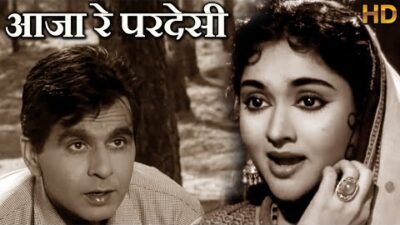
गीत विंग · गीत-पट्टिका · Song Plate
चाँद फिर निकला
Chand Phir Nikla
दिल ने रोया पर आँसू न आए — कभी-कभी दर्द आँसुओं से भी गहरा होता है, और यह गीत उस एहसास को ठीक-ठीक जानता है।
भावविरह · उदास · पुरानी यादें
भाषाHindi · Urdu गतिधीमी स्वरूपएकल पुरुष
श्रेय
The Creditsबोल · The Lyrics
बोल — झलक · Lyrics Preview
दिल ने रोया पर आँसू न आए
बड़ी देर की मेहरबाँ आते आते
Dil ne roya par aansu na aaye
Badi der ki mehraban aate aate
कॉपीराइट के कारण केवल झलक — पूरे बोल आधिकारिक मंचों पर।
शब्दकोश
Word Meaningsसूत्र-वाक्य · The Hook
सूत्र-वाक्य
दिल ने रोया पर आँसू न आए — कभी-कभी दर्द आँसुओं से भी गहरा होता है, और यह गीत उस एहसास को ठीक-ठीक जानता है।
In EnglishThe heart wept but the tears wouldn't come — sometimes grief is too deep even for tears, and this song knows exactly what that feels like.
पट्टिका-लेख
The Monographपरिचय Overview
राज खोसला की 'सोलवाँ साल' (1958) से, 'चाँद फिर निकला' हेमन्त कुमार और एस.डी. बर्मन की उसी फ़िल्म की दूसरी उत्कृष्ट रचना है — एक रात का विलाप जो चाँद की पुनरावृत्ति को आशा के निरंतर टलने के प्रतीक के रूप में इस्तेमाल करता है। शैलेन्द्र की तीसरी पंक्ति — 'दिल ने रोया पर आँसू न आए' — वह दर्द वर्णित करती है जो इतना गहरा है कि साधारण आँसुओं से परे है; यह हिंदी सिनेमा में हृदयशूल का सबसे सटीक वर्णन है।
अंग्रेज़ी में पढ़ें · Read in English
From Raj Khosla's Solva Saal (1958), 'Chand Phir Nikla' is Hemant Kumar and S.D. Burman's second masterpiece from the same film — a nocturnal lament that uses the moon's recurrence as a symbol of hope perpetually deferred. Shailendra's devastating third line — 'dil ne roya par aansu na aaye' (the heart wept but the tears wouldn't come) — describes grief too deep for ordinary tears, making this one of Hindi cinema's most emotionally precise descriptions of heartbreak. The Bihag-inflected night melody has a moonlit quality that makes the song inseparable from its imagery.
संगीत The Music
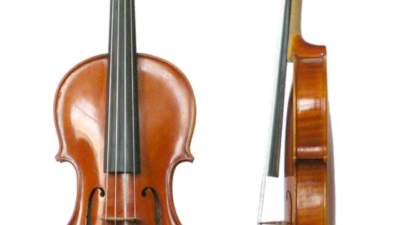
एस.डी. बर्मन ने 'चाँद फिर निकला' को बिहाग-जैसे रात्रि-रूप में रचा — बिहाग देर रात, चाँदनी आकाश, और रोमांटिक तड़प का हिंदुस्तानी राग है। रचना में एक विशिष्ट झूलती लय है जो उस व्यक्ति की हरकत सुझाती है जो तड़प से सो नहीं सकता। एकल वायलिन धुन में बुनता है — कभी आवाज़ के साथ चलता है, कभी अलग हो जाता है — जैसे वाद्य वह बातचीत कर रहा हो जो गायक अनुपस्थित प्रिय से नहीं कर सकता।
अंग्रेज़ी में पढ़ें · Read in English
S.D. Burman set 'Chand Phir Nikla' in a Bihag-like nocturnal mode — Bihag is a Hindustani raag associated with late night, moonlit skies, and romantic yearning. The composition has a distinctive swaying quality that suggests the rocking movement of someone unable to sleep, kept awake by longing. The harmonium drone grounds the melody while solo violin lines weave through the spaces, occasionally doubling the vocal line and then diverging — as if the instrument is having the conversation that the singer cannot have with the absent beloved. Hemant Kumar's voice here is at its most concentrated: no excess ornamentation, just a single sustained line of feeling.
काव्य The Poetry
'दिल ने रोया पर आँसू न आए' — यह पंक्ति हिंदी फ़िल्म कविता की श्रेष्ठ पंक्तियों में से एक है। यह उस दुख के विच्छेद को वर्णित करती है जो इतना गहरा है कि साधारण भावनात्मक अभिव्यक्ति से परे है — दिल दर्द महसूस करता है, पर शरीर की सामान्य प्रतिक्रिया (आँसू) थक चुकी या अभिभूत हो चुकी है। यह मनोवैज्ञानिक रूप से गहरे नुकसान की सटीक अभिव्यक्ति है।
अंग्रेज़ी में पढ़ें · Read in English
The central paradox — 'dil ne roya par aansu na aaye' — is one of the finest lines in Hindi film poetry. It describes the dissociation of grief that is too severe for ordinary emotional expression: the heart feels the sorrow, but the body's normal response (tears) has been overwhelmed or exhausted. This is psychologically accurate to deep loss. The moon's recurrence as time's marker (it keeps rising, but you haven't come) gives the song its mathematical quality of grief accumulating.
कहानी The Story
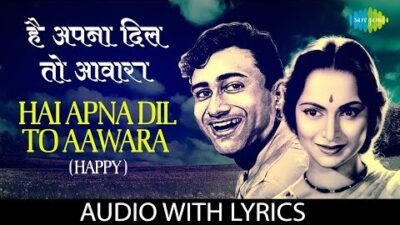
'सोलवाँ साल' में देव आनंद दो बिल्कुल अलग भावनात्मक स्थितियों में हैं — 'है अपना दिल तो आवारा' की स्वतंत्र भटकन और 'चाँद फिर निकला' का प्रतीक्षारत हृदयशूल। दोनों एक ही HMV सत्र में रिकॉर्ड हुए। एस.डी. बर्मन ने हेमन्त कुमार की आवाज़ को ध्यान में रखकर दोनों बनाए। चाँदनी रात का दृश्य स्टूडियो में फ़िल्माया गया, पर V.K. मूर्थी के प्रकाश-संयोजन ने असली चाँदनी का एहसास दिया।
अंग्रेज़ी में पढ़ें · Read in English
Solva Saal featured Dev Anand in two very different emotional registers — the wandering freedom of 'Hai Apna Dil To Aawara' and the waiting heartbreak of 'Chand Phir Nikla'. Both were recorded in the same HMV sessions. S.D. Burman composed both with Hemant Kumar's voice in mind, understanding that Hemant's baritone could carry both the philosophical detachment of the wandering song and the settled grief of this nocturne. The moonlit night sequence in the film was shot in a studio but used lighting by V.K. Murthy — the great cinematographer of the era — to create a sense of real moonlight.
विरासत The Legacy
यह गीत शास्त्रीय संगीत समारोहों में सबसे अधिक प्रदर्शित हिंदी फ़िल्म गीतों में से एक है जहाँ गायक इसे राग-आधारित फ़िल्म रचना के उदाहरण के रूप में प्रस्तुत करते हैं। गुलाम अली, पंकज उधास, और अनेक ग़ज़ल गायकों ने इसे कवर किया। 'दिल ने रोया पर आँसू न आए' हिंदुस्तानी संस्कृति में आँसुओं से परे दर्द के लिए एक जानी-पहचानी अभिव्यक्ति बन गई है।
अंग्रेज़ी में पढ़ें · Read in English
This song is one of the most frequently played Hindi film songs at classical music festivals, where singers use it to demonstrate raag-based film composition. It has been covered by Ghulam Ali, Pankaj Udhas, and numerous other ghazal singers who were drawn to its emotional architecture. The line 'dil ne roya par aansu na aaye' has become a widely used expression in Hindustani-speaking culture for grief beyond tears.
वर्गीकरण
Classification- Tempo
- Slow
Genre
अन्य विवरण
More Details- Hindi Film Geet Kosh Vol. 4 (1958)
- Wikipedia: Solva Saal
- Wikipedia: Hemant Kumar
- Wikipedia: V.K. Murthy (cinematographer)
References
रोचक तथ्य
Margin Notes'सोलहवां साल' (1958) के दोनों लोकप्रिय गीत हेमंत कुमार ने गाए थे — यह उस फिल्म के लिए असामान्य था जिसके मुख्य कलाकार देव आनंद थे, जिनकी नियमित आवाज़ रफ़ी हुआ करती थी।
अंग्रेज़ी में पढ़ें · Read in English
Both hit songs from Solva Saal (1958) were sung by Hemant Kumar — unusual for a film primarily headlined by Dev Anand, whose regular voice was Rafi.
छायाकार वी.के. मूर्ति ने चांदनी वाले इस दृश्य को एक तेज़ बैकलाइट से रोशन किया था — इसी से वह छाया-चित्र (सिल्हूट) प्रभाव बना जो देव आनंद की फिल्मों की पहचान बन गया।
अंग्रेज़ी में पढ़ें · Read in English
The cinematographer V.K. Murthy lit the moonlit sequence with a single strong backlight — creating the silhouette effect iconic in Dev Anand films.
ग़ुलाम अली की इस गीत की प्रस्तुति (1980 के दशक में) को कई ग़ज़ल प्रेमी भावनात्मक गहराई में मूल गीत से भी बेहतर मानते हैं।
अंग्रेज़ी में पढ़ें · Read in English
Ghulam Ali's rendition of this song (1980s) is considered by many ghazal connoisseurs to surpass the original in emotional depth.
पंक्ति 'दिल ने रोया पर आंसू न आए' को कई हिंदी लेखकों और कवियों ने फ़िल्मी गीत में सटीक भावनात्मक अभिव्यक्ति के उदाहरण के रूप में उद्धृत किया है।
अंग्रेज़ी में पढ़ें · Read in English
The line 'dil ne roya par aansu na aaye' has been quoted by numerous Hindi writers and poets as an example of precise emotional description in film lyric.
नमूना-पट्टी
The Specimen Table| शीर्षक | चाँद फिर निकला · Chand Phir Nikla |
|---|---|
| वर्ष · युग | 1958 — Golden Era |
| गायक | Hemant Kumar |
| गीतकार | Shailendra |
| संगीतकार | S.D. Burman |
| स्वरूप | एकल पुरुष |
| गति | धीमी |
| अवधि | 4:15 |
| भाषा | Hindi · Urdu |
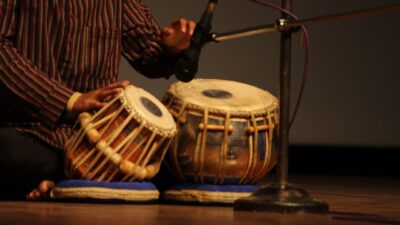
| वाद्य | violin · harmonium · tabla |
| भाव | विरह · उदास · पुरानी यादें |
| लोकप्रियता | Very_popular |
| बोल-स्थिति | केवल झलक |
जुड़े हुए पन्ने
Connected Plates · The Graph Made Visibleअटलस में कोई पन्ना अकेला नहीं — इस गीत से जुड़े गीत, कलाकार, फ़िल्म, राग-ताल-विधा, सब यहाँ से खुलते हैं।
मिलते-जुलते गीत · Related Songs
कलाकार · The Artists
युग · The Era
साझा कीजिए · Share this Plate
यह पन्ना आगे बढ़ाइए
दिल ने रोया पर आँसू न आए — शैलेन्द्र ही इतने सटीक दर्द को शब्द दे सकते थे।
Dil ne roya par aansu na aaye — only Shailendra could write grief this precisely.
— Gulzar
सवाल-जवाब
Questions & Answers'चाँद फिर निकला' किस बारे में है? · What is 'Chand Phir Nikla' about?
यह गीत एक प्रेमी की रात-भर प्रतीक्षा का वर्णन करता है जो कभी पूरी नहीं होती — चाँद उगता रहता है, समय बीतता रहता है, पर प्रिय नहीं आता। मुख्य पंक्ति है 'दिल ने रोया पर आँसू न आए' — साधारण आँसुओं से परे का दर्द।
The song describes a lover waiting through the night for someone who never comes — the moon keeps rising, time keeps passing, but the beloved does not arrive. The key line is 'the heart wept but the tears wouldn't come', describing grief too deep for ordinary tears.