गीत विंग · गीत-पट्टिका · Song Plate
आजा रे परदेसी
Aaja Re Pardesi
धुंध और पहाड़ों के पार एक स्त्री की पुकार — और उस आवाज़ में इतना दर्द है कि रूह काँप जाए।
भावअविस्मरणीय · विरह · उदास
भाषाHindi · Braj गतिधीमी स्वरूपएकल महिला
श्रेय
The Creditsबोल · The Lyrics
बोल — झलक · Lyrics Preview
आजा रे आजा रे ओ मेरे बालम
तुझे नींद न आए, तुझे चैन न पड़े
आजा रे आजा मेरे सपनों में
Aaja re aaja re o mere balam
Tujhe neend na aaye, tujhe chain na pade
Aaja re aaja mere sapno mein
कॉपीराइट के कारण केवल झलक — पूरे बोल आधिकारिक मंचों पर।
शब्दकोश
Word Meaningsसूत्र-वाक्य · The Hook
सूत्र-वाक्य
धुंध और पहाड़ों के पार एक स्त्री की पुकार — और उस आवाज़ में इतना दर्द है कि रूह काँप जाए।
In EnglishAcross mist and mountain, a woman's voice calls out to a beloved who may never return — and you feel every syllable in your bones.
पट्टिका-लेख
The Monographपरिचय Overview
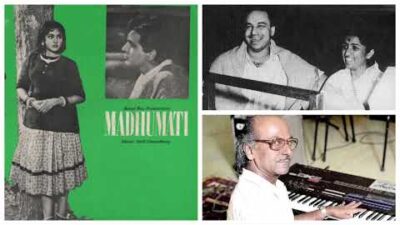
बिमल रॉय की अलौकिक प्रेम-कहानी 'मधुमती' (1958) के लिए रचा गया 'आजा रे परदेसी' वह गीत है जिसने लता मंगेशकर की प्रतिभा को उसके शुद्धतम रूप में सामने रखा। सलिल चौधरी ने इसे पहाड़ी लोक-धुन के ढाँचे पर बनाया और शैलेन्द्र ने ऐसे बोल दिए जो एक पहाड़ी स्त्री के हृदय की पुकार बन गए। HMV इंडिया पर जारी इस गीत ने लता जी को फ़िल्मफेयर सर्वश्रेष्ठ पार्श्व गायिका पुरस्कार दिलाया। व्यजयंतीमाला के अभिनय और मानसून-भीगे जंगल की पृष्ठभूमि पर यह गीत एक ऐसी विरह-चीख बन जाता है जो दशकों बाद भी श्रोता के हृदय को भेद देती है।
अंग्रेज़ी में पढ़ें · Read in English
Recorded for Bimal Roy's Madhumati (1958) — one of the greatest supernatural love stories in Hindi cinema — 'Aaja Re Pardesi' is the song that distilled Lata Mangeshkar's genius into its purest form. Composed by Salil Chowdhury on a Pahadi folk framework and set to words by Shailendra, the song unfolds as a mountain woman's cry for her absent beloved. Released on HMV India, it earned Lata the Filmfare Award for Best Female Playback Singer. Heard over Vyjayanthimala's luminous performance against the backdrop of a monsoon-touched forest, the song's haunting simplicity conceals extraordinary compositional and vocal craft. Sixty-six years later it remains the definitive evocation of separation in Hindi film music.
संगीत The Music
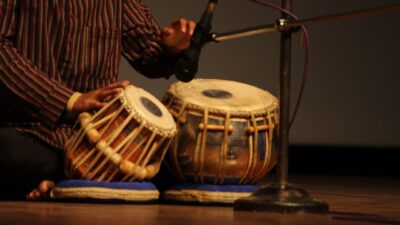
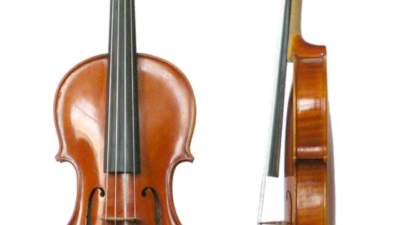
सलिल चौधरी ने 'आजा रे परदेसी' को पहाड़ी राग की एक लोक-धुन पर बनाया — वह राग जो उत्तर भारत के पहाड़ी इलाकों की हवाओं और खुले आकाश की करुणा को अपने में समेटे है। संगीत-संयोजन में संयम ही सबसे बड़ी ताकत है: एक अकेली बाँसुरी आवाज़ को दूर से जवाब देती है, तबला कहरवे की ताल पर हौले-हौले चलता है बिना गीत की साँस रोके, और वायलिन लहरों की तरह आती-जाती है जैसे हवा उस स्त्री की पुकार पहाड़ियों के पार ले जा रही हो। कोई औपचारिक प्रस्तावना नहीं — गीत शुरू होता है लता जी की आवाज़ से, लगभग अकेले, और श्रोता सीधे उस एकांत में खींचा चला जाता है। लता जी ने पहाड़ी राग के चौड़े स्वर-विस्तार को जिस सहजता से गाया वह उनकी असाधारण तकनीकी महारत का प्रमाण है।
अंग्रेज़ी में पढ़ें · Read in English
Salil Chowdhury constructed 'Aaja Re Pardesi' on a Pahadi folk melody — a raag associated with the mountainous regions of North India and known for its plaintive, open-air quality. The arrangement is masterly in its restraint: a lone flute echoes the vocal line like a distant answer from the hills, sparse tabla marks the Keherwa cycle without crowding the song's breathing space, and string violins enter in waves, like the wind carrying the woman's voice across the valley. There is no formal instrumental prelude; the song begins with Lata's voice almost unaccompanied, plunging the listener immediately into her solitude. Salil's genius was in trusting the folk source completely — he did not over-orchestrate or Westernize it, allowing the raw emotional core to remain exposed. Lata navigates the wide melodic leaps of Pahadi raag with an ease that sounds effortless but reflects immense technical command: the sustained notes, the delicate meends (glides), the catching of the breath before 'aaja re' — each is precisely calibrated to maximize anguish.
काव्य The Poetry
शैलेन्द्र के बोल ऊपर से सरल दिखते हैं, पर भीतर से बड़े गहरे हैं। 'आजा रे' की पुनरावृत्ति एक कमज़ोरी नहीं — यही गीत की संरचना है। यह दोहराव एक जाप बन जाता है, एक बुलावे का अनुष्ठान। 'तुझे नींद न आए, तुझे चैन न पड़े' — यह प्रेम में श्राप और प्रार्थना एक साथ है, कि प्रिय को बेचैनी हो ताकि वह लौट आए। यह लोक-काव्य की प्राचीन युक्ति है। पूरे गीत में प्रकृति की भाषा है — सपने, नींद, रात की टीस; शहर या दरबारी काव्य का कोई उधार नहीं।
अंग्रेज़ी में पढ़ें · Read in English
Shailendra's lyrics for this song are among his finest achievements — deceptively simple on the surface, profound in their emotional logic. The repetition of 'aaja re' is not a lyrical weakness but its entire architecture: the refrain becomes a mantra, a ritual of summoning. 'Tujhe neend na aaye, tujhe chain na pade' — the lover's curse-as-prayer, wishing the beloved restlessness so that he is compelled to return — is a device of ancient folk poetry. The imagery is entirely of the natural world: dreams, sleep, the ache of night. There are no metaphors borrowed from the city or from courtly poetry; this is the language of a hillside woman whose world is forests, seasons, and waiting.
कहानी The Story
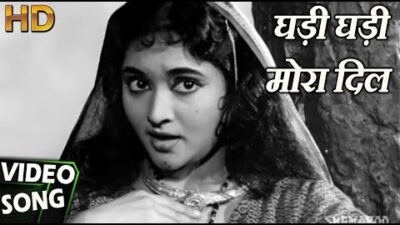
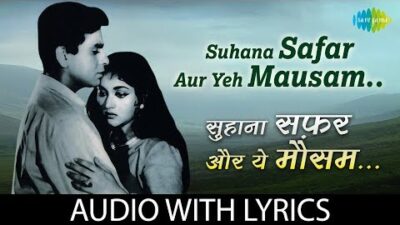
बिमल रॉय की 'मधुमती' (1958) में व्यजयंतीमाला एक आदिवासी लड़की मधुमती की भूमिका में हैं जो एक जमींदार के प्रतिनिधि (दिलीप कुमार) से प्यार करती है। 'आजा रे परदेसी' पहाड़ियों में फ़िल्माया गया है जहाँ मधुमती अपने प्रिय को पुकारती है। फ़िल्म स्वयं एक पुनर्जन्म रहस्य है और यह गीत उसका लेटमोटिफ़ बन जाता है — मृत्यु से परे प्रेम का प्रतीक। सलिल चौधरी ने यह धुन बंगाल और पूर्वोत्तर की लोक-परंपरा से ली — वह संगीत जो उन्होंने IPTA के दिनों में आत्मसात किया था। लता जी के अनुसार उन्होंने यह गीत एक-दो रिकॉर्डिंग में गा लिया क्योंकि वे पात्र में इतनी खो गई थीं कि तकनीक अपने आप पारदर्शी हो गई।
अंग्रेज़ी में पढ़ें · Read in English
In Bimal Roy's Madhumati (1958), Vyjayanthimala plays Madhumati, a tribal forest girl who falls in love with a zamindar's representative (Dilip Kumar). The song 'Aaja Re Pardesi' is filmed in the mountains as Madhumati calls out for her beloved across the forest. The film itself is structured as a reincarnation mystery — and this song, recurring at key moments, becomes the leitmotif of a love that transcends death. Salil Chowdhury drew the folk melody from the musical traditions of Bengal and the Northeast, regions he knew intimately from his childhood and his involvement with the Indian People's Theatre Association (IPTA). Lata Mangeshkar has said in interviews that she sang this song in one or two takes, feeling so absorbed in the character that technique became invisible.
विरासत The Legacy
'आजा रे परदेसी' ने लता मंगेशकर को फ़िल्मफेयर सर्वश्रेष्ठ पार्श्व गायिका पुरस्कार (1958) दिलाया। यह गीत आलोचकों के सर्वकालिक शीर्ष दस हिंदी फ़िल्म गीतों की सूचियों में नियमित रूप से आता है। बंगाली से तमिल और मलयालम तक दर्जनों आवरण संस्करण इसके बने। ए.आर. रहमान ने सलिल चौधरी की लोक-शास्त्रीय संश्लेषण-पद्धति को अपनी प्रेरणा बताया है। 1959 के बर्लिन अंतर्राष्ट्रीय फ़िल्म महोत्सव में 'मधुमती' ने सर्वश्रेष्ठ निर्देशक का सिल्वर बेयर जीता — इस फ़िल्म के साथ यह गीत भी दुनिया के सामने गया।
अंग्रेज़ी में पढ़ें · Read in English
'Aaja Re Pardesi' won Lata Mangeshkar the Filmfare Award for Best Female Playback Singer (1958). The song is regularly ranked among the top ten Hindi film songs of all time in critics' polls. It inspired dozens of cover versions across languages — from Bengali to Tamil to Malayalam. A.R. Rahman has cited Salil Chowdhury's folk-classical synthesis as a formative influence. The song was featured in India's representation at the 1959 Berlin International Film Festival, where Madhumati won the Silver Bear for Best Director (Bimal Roy). In 2013, the song was included in the BBC's 'World's Greatest Songs' special for South Asia. It continues to be the go-to emotional reference in countless Hindi film tributes and reality show performances.
वर्गीकरण
Classification- Tempo
- Slow
Genre
अन्य विवरण
More Details- Hindi Film Geet Kosh, Vol. 4 (1958), compiled by Harmandir Singh Hamraz
- Wikipedia: Madhumati (film) — en.wikipedia.org/wiki/Madhumati_(film)
- Wikipedia: Salil Chowdhury — en.wikipedia.org/wiki/Salil_Chowdhury
- Wikipedia: Lata Mangeshkar — en.wikipedia.org/wiki/Lata_Mangeshkar
- Filmfare Awards 1959 — Wikipedia en.wikipedia.org/wiki/7th_Filmfare_Awards
- Bimal Roy biography, Rinki Roy Bhattacharya, HarperCollins India
References
रोचक तथ्य
Margin Notesलता मंगेशकर ने इस गीत के लिए 1958 में सर्वश्रेष्ठ पार्श्वगायिका का फ़िल्मफेयर पुरस्कार जीता था।
अंग्रेज़ी में पढ़ें · Read in English
Lata Mangeshkar won the Filmfare Award for Best Female Playback Singer for this song in 1958.
यह धुन बंगाल/पूर्वोत्तर क्षेत्र की पहाड़ी संगीत परंपरा के एक लोकगीत पर आधारित है — जो सलिल चौधरी की इप्टा (IPTA) से जुड़ी जड़ों को दर्शाती है।
अंग्रेज़ी में पढ़ें · Read in English
The melody is based on a folk tune from the Pahadi musical tradition of the Bengal/Northeast region — Salil Chowdhury's IPTA roots.
'मधुमती' (1958) ने 1959 के बर्लिन अंतरराष्ट्रीय फ़िल्म समारोह में सिल्वर बियर पुरस्कार जीता, जिससे यह गीत अंतरराष्ट्रीय दर्शकों तक पहुंचा।
अंग्रेज़ी में पढ़ें · Read in English
Madhumati (1958) won the Silver Bear at the 1959 Berlin International Film Festival, bringing this song to an international audience.
कहा जाता है कि सलिल चौधरी ने यह धुन एक ही शाम में रच दी थी, जो उन्होंने बंगाल के किसी गांव में सुने एक लोकगीत से प्रेरित होकर बनाई थी।
अंग्रेज़ी में पढ़ें · Read in English
Salil Chowdhury reportedly composed the melody in a single evening, inspired by a folk song he had heard in a village in Bengal.
इस गीत के कम से कम 12 भारतीय भाषाओं में संस्करण बन चुके हैं, जो इसे 1950 के दशक के सबसे अधिक अनुवादित फ़िल्मी गीतों में से एक बनाता है।
अंग्रेज़ी में पढ़ें · Read in English
The song has been covered in at least 12 Indian languages, making it one of the most translated film songs of the 1950s.
बिमल रॉय ने पहाड़ों की विशालता और खुलेपन का एहसास दिलाने के लिए इस गीत के दृश्य को तीन अलग-अलग पहाड़ी स्थानों पर फिल्माया था।
अंग्रेज़ी में पढ़ें · Read in English
Bimal Roy shot the song sequence across three different hill locations to achieve the sense of vast, open mountain space.
पुरस्कार
The Honoursनमूना-पट्टी
The Specimen Table| शीर्षक | आजा रे परदेसी · Aaja Re Pardesi |
|---|---|
| वर्ष · युग | 1958 — Golden Era |
| गायक | Lata Mangeshkar |
| गीतकार | Shailendra |
| संगीतकार | Salil Chowdhury |
| स्वरूप | एकल महिला |
| गति | धीमी |
| अवधि | 5:10 |
| भाषा | Hindi · Braj |
| वाद्य | instrument-flute · tabla · violin · harmonium |
| भाव | अविस्मरणीय · विरह · उदास |
| लोकप्रियता | Legendary |
| बोल-स्थिति | केवल झलक |
जुड़े हुए पन्ने
Connected Plates · The Graph Made Visibleअटलस में कोई पन्ना अकेला नहीं — इस गीत से जुड़े गीत, कलाकार, फ़िल्म, राग-ताल-विधा, सब यहाँ से खुलते हैं।
मिलते-जुलते गीत · Related Songs
कलाकार · The Artists
युग · The Era
साझा कीजिए · Share this Plate
यह पन्ना आगे बढ़ाइए
जब लता ने 'आजा रे परदेसी' गाया, पहाड़ भी रुककर सुनने लगे।
When Lata sang 'Aaja Re Pardesi', even the mountains stopped to listen.
— Bimal Roy (director, Madhumati)
सवाल-जवाब
Questions & Answers'आजा रे परदेसी' किस फ़िल्म का गीत है? · What film is 'Aaja Re Pardesi' from?
यह बिमल रॉय की 'मधुमती' (1958) का गीत है — एक अलौकिक प्रेम-कथा जिसमें दिलीप कुमार और व्यजयंतीमाला हैं। इस गीत ने लता मंगेशकर को फ़िल्मफेयर पुरस्कार दिलाया।
It is from Bimal Roy's Madhumati (1958), a supernatural love story starring Dilip Kumar and Vyjayanthimala. The song won Lata Mangeshkar a Filmfare Award.
'आजा रे परदेसी' का संगीत किसने दिया? · Who composed the music for 'Aaja Re Pardesi'?
संगीत सलिल चौधरी ने दिया, पहाड़ी लोक-परंपरा से प्रेरणा लेकर। बोल शैलेन्द्र ने लिखे।
Salil Chowdhury composed the music, drawing from Pahadi folk traditions. The lyrics were written by Shailendra.
क्या 'आजा रे परदेसी' किसी शास्त्रीय राग पर आधारित है? · Is 'Aaja Re Pardesi' based on a classical raag?
यह गीत मुख्यतः पहाड़ी राग पर आधारित है — उत्तर भारत के पहाड़ी क्षेत्रों का एक पंचस्वरी लोक राग। सलिल चौधरी ने इसे अपनी लोक जड़ों के क़रीब रखा।
The song is primarily based on Pahadi raag, a pentatonic scale associated with mountain folk music of North India. Salil Chowdhury kept it close to its folk roots rather than formalising it into a rigorous classical treatment.
क्या 'आजा रे परदेसी' को कोई पुरस्कार मिला? · Did 'Aaja Re Pardesi' win any awards?
हाँ — लता मंगेशकर को इस गीत के लिए फ़िल्मफेयर सर्वश्रेष्ठ पार्श्व गायिका पुरस्कार (1959 समारोह) मिला। 'मधुमती' फ़िल्म ने 1959 के बर्लिन फ़िल्म महोत्सव में सिल्वर बेयर भी जीता।
Yes — Lata Mangeshkar won the Filmfare Award for Best Female Playback Singer (1959 ceremony, for 1958 films) for this song. The parent film Madhumati also won the Silver Bear at the 1959 Berlin Film Festival.
'आजा रे परदेसी' कहाँ सुन सकते हैं? · Where can I listen to 'Aaja Re Pardesi'?
यह गीत JioSaavn, Gaana, Spotify और YouTube पर उपलब्ध है। ध्वनि-अभिलेख के अधिकार Saregama के पास हैं।
The song is available on JioSaavn, Gaana, Spotify and YouTube. Saregama holds the rights to the sound recording.