गीत विंग · गीत-पट्टिका · Song Plate
दिल तड़प तड़प के
Dil Tadap Tadap Ke
दो आवाज़ें, एक दर्द — हिंदी सिनेमा के सबसे महान दशक का सबसे हृदयभेदी युगलगीत।
भावमीठा-कड़वा · विरह · उदास
भाषाHindi · Urdu गतिधीमी स्वरूपयुगल
श्रेय
The Creditsबोल · The Lyrics
बोल — झलक · Lyrics Preview
रात दिन बेचैन रहना छोड़ दे
Raat din bechain rehna chhod de
कॉपीराइट के कारण केवल झलक — पूरे बोल आधिकारिक मंचों पर।
शब्दकोश
Word Meaningsसूत्र-वाक्य · The Hook
सूत्र-वाक्य
दो आवाज़ें, एक दर्द — हिंदी सिनेमा के सबसे महान दशक का सबसे हृदयभेदी युगलगीत।
In EnglishTwo voices, one ache — the most heartrending duet Hindi cinema produced in its greatest decade.
पट्टिका-लेख
The Monographपरिचय Overview
विरह के शारीरिक दर्द को इतनी मार्मिकता से शायद ही कोई गीत व्यक्त कर पाया हो जितना बिमल रॉय की 'मधुमती' (1958) का 'दिल तड़प तड़प के'। मुकेश और लता मंगेशकर की विपरीत आवाज़ों का यह युगलगीत सलिल चौधरी की भैरवी-आधारित रचना में ढला है — वह राग जिसे भारतीय शास्त्रीय संगीत विदाई और विषाद के लिए सुरक्षित रखता है। शैलेन्द्र के बोल तड़प को शरीर में उतार देते हैं: दिल बार-बार धड़कता है, रात-दिन चैन नहीं। HMV इंडिया पर जारी यह गीत स्वर्ण युग के सर्वश्रेष्ठ युगलगीतों में गिना जाता है।
अंग्रेज़ी में पढ़ें · Read in English
A slow-burn duet of devastating emotional power, 'Dil Tadap Tadap Ke' from Bimal Roy's Madhumati (1958) captures separation's physical ache through the contrasting voices of Mukesh and Lata Mangeshkar. Salil Chowdhury's composition — rooted in the Bhairavi raag that Indian classical music reserves for pathos and ending — moves in gentle waves against a minimal string and tabla arrangement. Shailendra's lyrics give physical form to longing: the heart repeatedly throbs, the body finds no rest by day or night. Released on HMV India, the song is considered one of the finest romantic duets of the Golden Era and a masterclass in restrained sorrow.
संगीत The Music
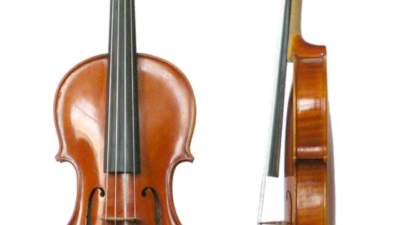
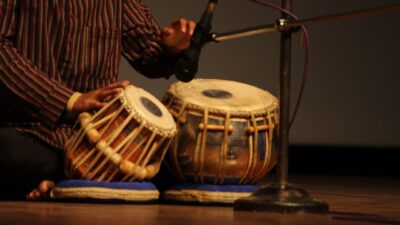
सलिल चौधरी का भैरवी राग का चुनाव — विदाई, विषाद और गहरे दर्द का राग — फ़िल्म के भावनात्मक क्रम में बिल्कुल सटीक है। संयोजन जानबूझकर न्यूनतम है: हारमोनियम का आधार स्वर, ऊँचे सुर में रोता एकल वायलिन, और धीमे कहरवे पर हल्का तबला। कौशल है युगलगीत की गतिशीलता में — मुकेश और लता पारंपरिक तरीके से स्वर-संधान नहीं करते; वे एक-दूसरे को जवाब देते हैं, एक-दूसरे के वाक्य पूरे करते हैं। 'आ भी जा' से पहले की वह चुप्पी — किसी भी वाद्य-संयोजन से अधिक प्रभावशाली है।
अंग्रेज़ी में पढ़ें · Read in English
Salil Chowdhury's choice of Bhairavi — the raag of endings, farewells, and deep pathos — is exactly right for this moment in the film's emotional arc. The arrangement is intentionally sparse: a harmonium drone anchors the piece, a solo violin weeps in the upper register, and sparse tabla marks the slow Keherwa. The mastery lies in how Chowdhury handles the duet dynamics: Mukesh and Lata do not harmonize conventionally — they answer each other, complete each other's phrases, and at moments both voices are set against silence. This interstitial silence — the pause before 'aa bhi ja' — is more powerful than any orchestration. Mukesh's lower register grounds the sorrow while Lata's piercing upper notes represent the transcendent aspect of the longing.
काव्य The Poetry
शैलेन्द्र ने 'तड़प तड़प' की पुनरावृत्ति को धड़कन की लयात्मक नकल के रूप में इस्तेमाल किया — शब्द स्वयं एक व्याकुल हृदय की ध्वनि जैसा है। आज्ञा-मुद्रा ('आ भी जा', 'बेचैन रहना छोड़ दे') अनुपस्थिति को प्रियतम की चुनी हुई अवस्था के रूप में प्रस्तुत करती है — जिससे विरह में एक हल्की शिकायत भी घुल जाती है। यह परिष्कृत गीत-लेखन है: प्रेमी बिना आरोप लगाए आरोप लगाता है, बिना दीनता दिखाए विनती करता है।
अंग्रेज़ी में पढ़ें · Read in English
Shailendra uses the repetition of 'tadap tadap' as a rhythmic mimicry of the heartbeat — the word itself sounds like a pulse in distress. The song's imperative mood ('aa bhi ja', 'raat din bechain rehna chhod de') frames absence as something the beloved is choosing rather than suffering — which creates a gentle resentment within the longing. This is sophisticated lyric writing: the lover accuses without accusing, pleads without self-abasement.
कहानी The Story
यह युगलगीत 1958 की तकनीकी दृष्टि से सबसे चुनौतीपूर्ण रिकॉर्डिंग्स में से एक था क्योंकि सलिल चौधरी चाहते थे कि दोनों आवाज़ें एक-दूसरे से दूर बुलाते हुए प्रेमियों का एहसास जगाएँ। मुकेश और लता ने पहले अलग-अलग और फिर साथ में रिकॉर्ड किया। बिमल रॉय ने इसे आंशिक रोशनी वाले कमरे में न्यूनतम साज-सज्जा के साथ फ़िल्माया — संगीत पर पूरा भरोसा करते हुए।
अंग्रेज़ी में पढ़ें · Read in English
The duet was one of the most technically challenging recordings of 1958 because Salil Chowdhury wanted the two voices to create the effect of a conversation happening across physical space — as if the lovers were not in the same room but calling out to each other. Mukesh and Lata recorded separately and then together to achieve the layering. Bimal Roy filmed the song in a partially lit interior with minimal props, trusting the music entirely. The song appears at a critical narrative juncture when the lovers are together but both aware of the doom approaching.
विरासत The Legacy
'दिल तड़प तड़प के' दशकों में अनेक बार कवर और संदर्भित हुआ है। भैरवी राग के प्रयोग के कारण यह फ़िल्म संगीत कार्यशालाओं में एक शिक्षण-उदाहरण बन गया। 'सर्वकालिक श्रेष्ठ हिंदी युगलगीत' की सूचियों में यह नियमित रूप से आता है।
अंग्रेज़ी में पढ़ें · Read in English
This song has been covered and referenced countless times in Hindi film music over the decades. The Bhairavi treatment made it a teaching example in film music workshops. A.R. Rahman has cited Salil Chowdhury's duet arrangements as a key influence. The song features in many 'greatest Hindi duets of all time' lists and continues to be performed at classical music festivals as an example of raag-based film composition.
वर्गीकरण
Classification- Tempo
- Slow
Genre
अन्य विवरण
More Details- Hindi Film Geet Kosh Vol. 4 (1958), Harmandir Singh Hamraz
- Wikipedia: Madhumati (film)
- Wikipedia: Salil Chowdhury
- Wikipedia: Mukesh (singer)
References
रोचक तथ्य
Margin Notesमुकेश और लता की आवाज़ों में एक साझा उदासी का पूरक गुण था, जो उनके युगल गीतों को विशेष रूप से मार्मिक बना देता था — इसे उनकी सबसे उत्कृष्ट जोड़ी माना जाता है।
अंग्रेज़ी में पढ़ें · Read in English
Mukesh and Lata's voices had a complementary quality of shared sadness that made their duets particularly affecting — this is considered their finest collaboration.
भैरवी राग का आधार सलिल चौधरी का सोचा-समझा चुनाव था, ताकि यह संकेत मिल सके कि इस प्रेम कहानी का सुखद अंत नहीं होगा।
अंग्रेज़ी में पढ़ें · Read in English
The Bhairavi raag-base was Salil Chowdhury's deliberate choice to signal that this love story would not have a happy ending.
बिमल रॉय ने इस गीत को बेहद कम रोशनी में — केवल एक दीये के सहारे — फिल्माया था, ताकि प्रेमियों की दुनिया के सिमटते जाने का एहसास बन सके।
अंग्रेज़ी में पढ़ें · Read in English
Bimal Roy filmed the song with minimal lighting — a single lamp — to create the sense of the lovers' world contracting around them.
इस गीत को अक्सर फ़िल्म संगीत सराहना पाठ्यक्रमों में इस उदाहरण के रूप में पढ़ाया जाता है कि किस तरह संगीत-व्यवस्था में मौन और रिक्त स्थान, भरपूर वाद्यवृंद से भी अधिक अभिव्यंजक हो सकते हैं।
अंग्रेज़ी में पढ़ें · Read in English
The song is often taught in film music appreciation courses as an example of how silence and space in arrangement can be more expressive than orchestration.
नमूना-पट्टी
The Specimen Table| शीर्षक | दिल तड़प तड़प के · Dil Tadap Tadap Ke |
|---|---|
| वर्ष · युग | 1958 — Golden Era |
| गायक | Mukesh, Lata Mangeshkar |
| गीतकार | Shailendra |
| संगीतकार | Salil Chowdhury |
| स्वरूप | युगल |
| गति | धीमी |
| अवधि | 4:50 |
| भाषा | Hindi · Urdu |
| वाद्य | violin · tabla · harmonium · sarangi |
| भाव | मीठा-कड़वा · विरह · उदास |
| लोकप्रियता | Very_popular |
| बोल-स्थिति | केवल झलक |
जुड़े हुए पन्ने
Connected Plates · The Graph Made Visibleअटलस में कोई पन्ना अकेला नहीं — इस गीत से जुड़े गीत, कलाकार, फ़िल्म, राग-ताल-विधा, सब यहाँ से खुलते हैं।
मिलते-जुलते गीत · Related Songs
कलाकार · The Artists
युग · The Era
साझा कीजिए · Share this Plate
यह पन्ना आगे बढ़ाइए
मुकेश और लता का 'दिल तड़प तड़प के' — दो ज़ख्म जो एक-दूसरे को सहलाते हैं।
Mukesh and Lata in Dil Tadap Tadap Ke — two wounds that somehow make each other feel better.
— Gulzar
सवाल-जवाब
Questions & Answers'दिल तड़प तड़प के' किसने गाया? · Who sang 'Dil Tadap Tadap Ke'?
यह मुकेश और लता मंगेशकर का युगलगीत है, संगीत सलिल चौधरी का, बोल शैलेन्द्र के, 'मधुमती' (1958) से।
The song is a duet between Mukesh and Lata Mangeshkar, with music by Salil Chowdhury and lyrics by Shailendra, from Madhumati (1958).
'दिल तड़प तड़प के' किस राग पर आधारित है? · What raag is 'Dil Tadap Tadap Ke' based on?
यह गीत राग भैरवी पर आधारित है — भारतीय शास्त्रीय संगीत में भैरवी विषाद, विदाई और गहरे दुख का राग है।
The song is based on Raag Bhairavi, which Indian classical tradition associates with pathos, farewell, and deep sadness — perfectly suited to its themes of separation.