कहानियाँ विंग · कहानी · संस्कृति
हिंदू भजन, मुस्लिम गायक: भारतीय संगीत की सांस्कृतिक आत्मा
Hindu Bhajans, Muslim Singers: The Syncretic Soul of Indian Music
कैसे गौहर जान (मुस्लिम) जैसे कलाकारों ने हिंदू भक्ति संगीत गाया, और हिंदू कलाकारों ने सूफ़ी क़व्वालियाँ गाईं। गंगा-जमुनी तहज़ीब। यह परंपरा विभाजन के बाद कैसे ख़तरे में पड़ गई।
प्रकाशित31 March 2026 पाठ१० मिनट का पाठ
आमुख
असंभव जो सामान्य था
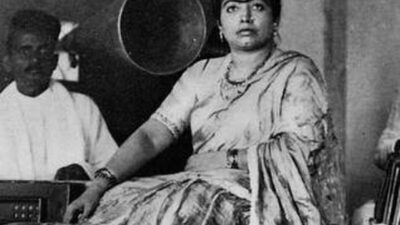
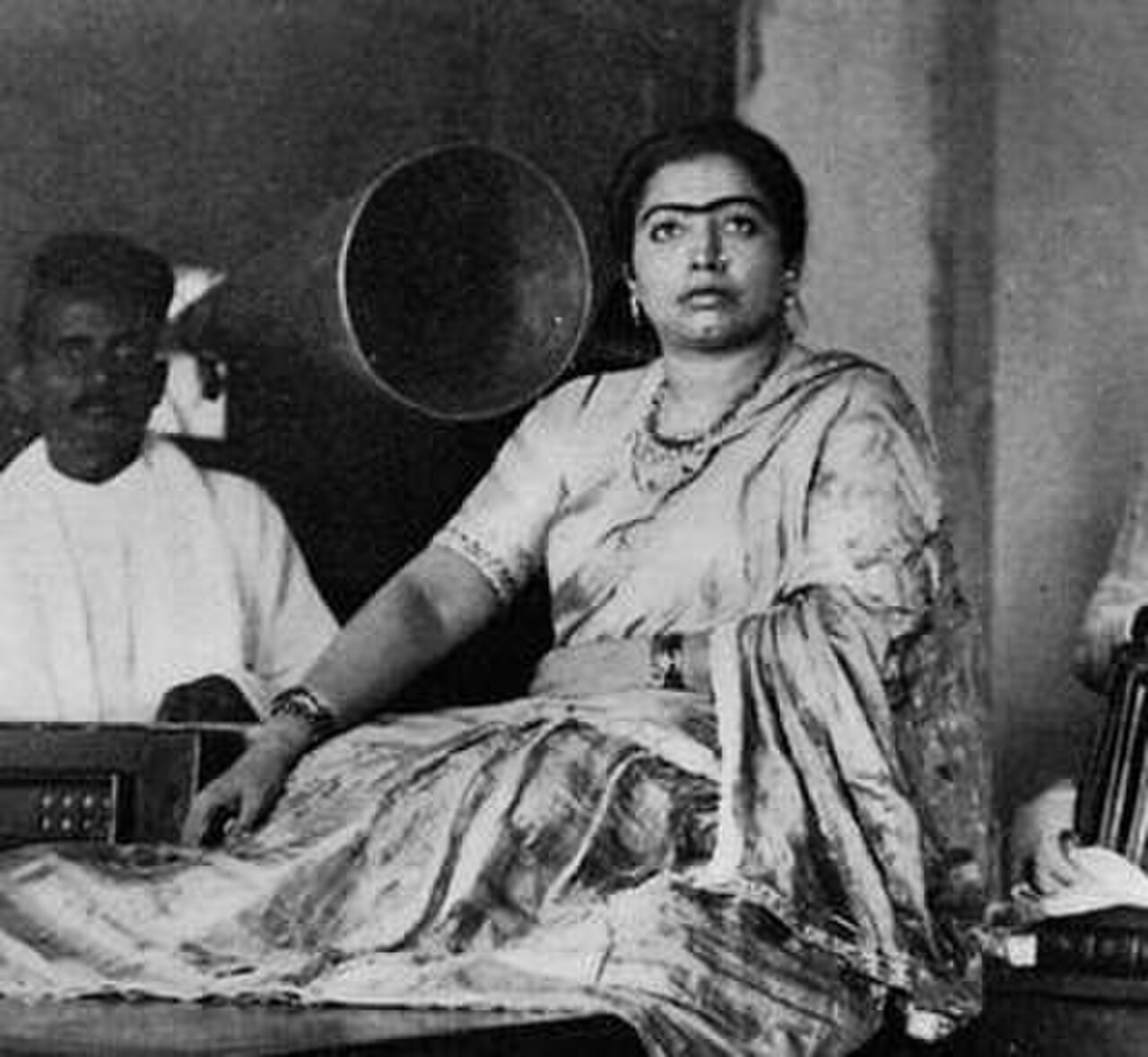
The Impossibility That Was Normal1903 के कलकत्ता में, गौहर जान — एक मुस्लिम पृष्ठभूमि की महिला, इस्लामिक दरबारी परंपराओं में प्रशिक्षित — नियमित रूप से हिंदू व्यापारियों और धनी नागरिकों के दर्शकों के लिए हिंदू भक्ति गीत (भजन) प्रदर्शन करती थीं। यह उल्लेखनीय या उल्लंघनकारी नहीं माना जाता था। यह बस सामान्य था। यह विचार कि एक हिंदू पवित्र गीत को एक हिंदू गायक की आवश्यकता है, या कि एक मुस्लिम भक्ति रूप को एक मुस्लिम दर्शकों की आवश्यकता है, उस युग के संगीतकारों को बेतुका लगता होगा। यह सांस्कृतिक पारिस्थितिकी सदियों के सांस्कृतिक संलयन का परिणाम था। 800 से अधिक वर्षों के लिए, हिंदू और मुस्लिम संगीतकार एक साथ काम कर रहे थे, एक दूसरे से सीख रहे थे, राग साझा कर रहे थे, रचनाओं पर सहयोग कर रहे थे। हिंदू संगीतकारों ने मुस्लिम मास्टर्स से फ़ारसी-प्रभावित संगीत सिद्धांत के बेहतर बिंदु सीखे थे। मुस्लिम गायकों ने हिंदू भक्ति परंपराओं की आध्यात्मिक गहराई को आत्मसात किया था। परिणाम सतही अर्थ में सांस्कृतिक नहीं था — तत्वों का मात्र मिश्रण नहीं — बल्कि एक गहरा, जैविक संलयन जहाँ हिंदू और मुस्लिम संगीत परंपराएँ वास्तविक रूप से अविभाज्य हो गई थीं।
अंग्रेज़ी में पढ़ें · Read in English
In 1903 Calcutta, Gauhar Jaan — a woman of Muslim background, trained in Islamic court traditions — regularly performed Hindu devotional songs (bhajans) to audiences of Hindu merchants and wealthy citizens. This was not considered remarkable or transgressive. It was simply normal. The idea that a Hindu sacred song required a Hindu singer, or that a Muslim devotional form required a Muslim audience, would have seemed absurd to musicians of that era.
This syncretic ecosystem was the result of centuries of cultural fusion. For over 800 years, Hindu and Muslim musicians had worked together, learned from each other, shared raags, collaborated on compositions. Hindu musicians had learned the finer points of Persian-influenced musical theory from Muslim maestros. Muslim singers had absorbed the spiritual depth of Hindu devotional traditions. The result was not syncretism in the superficial sense — not a mere mixing of elements — but a deep, organic fusion where Hindu and Muslim musical traditions had become genuinely inseparable.
गंगा-जमुनी तहज़ीब
The Ganga-Jamuni Tehzeeb'गंगा-जमुनी तहज़ीब' (गंगा-यमुना संस्कृति) शब्द 19वीं सदी में इस सांस्कृतिक उत्तर भारतीय सभ्यता का वर्णन करने के लिए उभरा। दोनों नदियाँ — एक हिंदुओं के लिए पवित्र, एक मुस्लिमों के लिए — एक साथ बहती है, एक ऐसी संस्कृति का प्रतीक है जहाँ हिंदू और मुस्लिम परंपराएँ वास्तविक रूप से बुनी हुई थीं। संगीत में, इसका मतलब था कि घराने (संगीत वंश) अक्सर मिश्रित होते थे। एक हिंदू बच्चा एक मुस्लिम मास्टर से ख़्याल का अध्ययन कर सकता है; एक मुस्लिम बच्चा एक हिंदू गुरु से भजन सीख सकता है। संगीत पाठ — राग, रचना, गीत — किसी भी एकल धार्मिक परंपरा का नहीं था। यह कई रूपों में सच था। क़व्वाली, सूफ़ी भक्ति रूप, मुस्लिम क़व्वाल और हिंदू संगीतकार दोनों द्वारा गाया जाता था। हिंदू राग मुस्लिम गायकों द्वारा गाए जाते थे। कुछ हिंदू भक्ति गीतों के सबसे प्रसिद्ध प्रदर्शनकारी मुस्लिम गायक थे, और इसके विपरीत। इसमें से कोई भी समस्याग्रस्त या यहाँ तक कि उल्लेखनीय नहीं माना जाता था — यह एक साझा संगीत संस्कृति का सामान्य कामकाज था।
अंग्रेज़ी में पढ़ें · Read in English
The term 'Ganga-Jamuni Tehzeeb' (Ganges-Yamuna Culture) emerged in the 19th century to describe this syncretic North Indian civilization. The two rivers — one sacred to Hindus, one to Muslims — flowing together symbolized a culture where Hindu and Muslim traditions were genuinely interwoven. In music, this meant that gharanas (musical lineages) were often mixed. A Hindu child might study khayal from a Muslim maestro; a Muslim child might study bhajan from a Hindu guru. The musical text — the raag, the composition, the lyric — belonged to no single religious tradition.
This was true across multiple forms. Qawwali, the Sufi devotional form, was sung by both Muslim qawwals and Hindu musicians. Hindu ragas were sung by Muslim vocalists. The most famous performers of certain Hindu devotional songs were Muslim singers, and vice versa. None of this was seen as problematic or even noteworthy — it was the normal functioning of a shared musical culture.

रिकॉर्डेड साक्ष्य
The Recorded Evidence1902-1903 की ग्रामोफ़ोन रिकॉर्डिंग इस सांस्कृतिक परंपरा की एक असाधारण झलक प्रदान करती है। गौहर जान की रिकॉर्डिंग कृष्ण और शिव को समर्पित भजन शामिल करती हैं — हिंदू देवता — गहरी भक्ति और आध्यात्मिक तीव्रता के साथ गाया जाता है। ये गैर-हिंदू दर्शकों के लिए प्रदर्शन नहीं थे; वे पूरे भारत के हिंदू श्रोताओं को बेचने के लिए की गई रिकॉर्डिंग थीं। गौहर जान, एक मुस्लिम महिला, हिंदू दर्शकों द्वारा उनके विश्वास के पवित्र संगीत के साथ विश्वसनीय थी, क्योंकि वह, काफ़ी बस, उनके समय की सबसे महान गायकों में से एक थीं, और उनकी कलात्मकता धार्मिक सीमाओं को पार करती थी। इसके विपरीत, उस समय के हिंदू गायक नियमित रूप से ग़ज़लें, क़व्वालियाँ और अन्य सूफ़ी-प्रभावित रूप गाते थे। रिकॉर्डिंग कोई बाधा नहीं दिखाती — कोई भावना नहीं कि कुछ संगीत कुछ लोगों का था। एकमात्र मानदंड कलात्मकता थी। कौन सबसे अच्छा गा सकता है? वह व्यक्ति गाना चाहिए।
अंग्रेज़ी में पढ़ें · Read in English
The gramophone recordings of 1902-1903 provide an extraordinary window into this syncretic tradition. Gauhar Jaan's recordings include bhajans dedicated to Krishna and Shiva — Hindu deities — sung with profound devotion and spiritual intensity. These were not performances for non-Hindu audiences; they were recordings made for sale to Hindu listeners throughout India. Gauhar Jaan, a Muslim woman, was entrusted by Hindu audiences with the sacred music of their faith because she was, quite simply, one of the greatest singers of her time, and her artistry transcended religious boundaries.
Conversely, Hindu singers of the era regularly sang ghazals, qawwalis, and other Sufi-influenced forms. The recordings show no barrier — no sense that certain music belonged to certain people. The only criterion was artistry. Who could sing best? That person should sing.
रिकॉर्ड के बाद: टूटती परंपरा
After the Records: The Fracturing Tradition1903 की ग्रामोफ़ोन रिकॉर्डिंग एक ऐसी दुनिया को कैप्चर करती है जो 20वीं सदी में जीवित नहीं रहेगी। रिकॉर्डिंग माध्यम स्वयं, परंपरा को संरक्षित करने का इरादा रखते हुए, विरोधाभास के रूप से इसके विखंडन में योगदान देगा। एक बार संगीत को एक वस्तु के रूप में खरीदा, बेचा और खपत किया जा सकता था, संगीत को धार्मिक और सामुदायिक लाइनों के साथ विपणन करना संभव हो गया। एक भजन हिंदू श्रोताओं के लिए विपणन किया जा सकता है; एक क़व्वाली मुस्लिम श्रोताओं के लिए। सांस्कृतिक चरित्र जिसने भारतीय संगीत को इतना समृद्ध बनाया था, एक तेजी से सामुदायिक समाज में एक दायित्व बन गया। अंतिम प्रहार 1947 में विभाजन के साथ आया। सांस्कृतिक घराने जिन्होंने धार्मिक लाइनों के पार संगीतकारों को प्रशिक्षित किया था, अब दो देशों के बीच विभाजित थे। हिंदू संगीतकार जिन्हें मुस्लिम गुरुओं द्वारा इस्लामिक संगीत परंपराओं में प्रशिक्षित किया गया था — या इसके विपरीत — अचानक ऐसी स्थिति में पाया गया जहाँ उनकी विरासत परंपराओं पर सवाल उठाया जा रहा था। गंगा-जमुनी तहज़ीब, जो सदियों तक चली थी, लगभग रातोंरात टूट गई। 1950 के दशक तक, कुछ संगीत रूपों को 'हिंदुकरण' या 'इस्लामीकरण' करने के लिए बढ़ता दबाव था। गौहर जान जैसे कलाकार, जिन्होंने सभी रूपों का समान दक्षता के साथ प्रदर्शन किया था, अनुभवहीन हो गए। आज, वह सांस्कृतिक परंपरा मुख्य रूप से अलग-थलग जेबों में जीवित है — कुछ परिवारों में जिन्होंने पुरानी घराना प्रणाली को बनाए रखा था, रिकॉर्डिंग में, और स्मृति में। लेकिन आदर्श जो इसके अंतर्निहित है — कि महान कला सामुदायिक पहचान को पार करती है — 1903 में जितनी कट्टरपंथी थी।
अंग्रेज़ी में पढ़ें · Read in English
The 1903 gramophone recordings capture a world that would not survive the 20th century. The recording medium itself, meant to preserve tradition, would paradoxically contribute to its fragmentation. Once music could be bought, sold, and consumed as a commodity, it became possible to market music along religious and communal lines. A bhajan could be marketed to Hindu listeners; a qawwali to Muslim listeners. The syncretic character that had made Indian music so rich became a liability in an increasingly communalized society.
The final blow came with Partition in 1947. The syncretic gharanas that had trained musicians across religious lines were now split between two nations. Hindu musicians who had been trained in Islamic musical traditions by Muslim gurus — or vice versa — suddenly found themselves in a position where their inherited traditions were being questioned. The Ganga-Jamuni Tehzeeb, which had lasted for centuries, fractured almost overnight. By the 1950s, there was increasing pressure to 'Hinduize' or 'Islamicize' certain musical forms. Artists like Gauhar Jaan, who had performed all forms with equal mastery, became anachronistic.
Today, that syncretic tradition survives mainly in isolated pockets — in a few families that maintained the old gharana system, in recordings, and in memory. But the ideal that underlies it — that great art transcends communal identity — remains as radical as it was in 1903.
परिचय
IdentityEpithet
कैसे गौहर जान (मुस्लिम) जैसे कलाकारों ने हिंदू भक्ति संगीत गाया, और हिंदू कलाकारों ने सूफ़ी क़व्वालियाँ गाईं। गंगा-जमुनी तहज़ीब। यह परंपरा विभाजन के बाद कैसे ख़तरे में पड़ गई।
How artists like Gauhar Jaan (Muslim) sang Hindu devotional music, and Hindu artists sang Sufi qawwalis. The Ganga-Jamuni tehzeeb. How this tradition became endangered after Partition.
कहानी-नमूना
The Story Specimen| शीर्षक | हिंदू भजन, मुस्लिम गायक: भारतीय संगीत की सांस्कृतिक आत्मा · Hindu Bhajans, Muslim Singers: The Syncretic Soul of Indian Music |
|---|---|
| श्रेणी | संस्कृति |
| प्रकार | निबंध |
| पाठ-समय | १० मिनट का पाठ |
| प्रकाशित | 31 March 2026 — admin |
| टैग | 1903 · syncretic · ganga_jamuni · bhajan · qawwali · muslim_singers · hindu_devotional · partition |
इस कहानी में
In This Story · The Cast & Its Platesकहानी में आए नामों के अटलस में अपने पन्ने हैं — यहीं से यात्रा जारी रखिए।
विधाएँ-सूत्र · Vidhas
और कहानियाँ
More Stories from the Atlas

साझा कीजिए · Share this Plate