कहानियाँ विंग · कहानी · Music History · 1935
धूप छाँव: जिस दिन गायक परदे से बाहर चला गया
Dhoop Chhaon: The Day the Singer Left the Screen
धूप छाँव: जिस दिन गायक परदे से बाहर चला गया
प्रकाशित18 June 2026 पाठ५ मिनट का पाठ
आमुख
भारत के आरंभिक सवाक् सिनेमा में — 'आलम आरा' (1931) और 1935 के बीच के वर्षों में — परदे पर हर अभिनेता जो भी नज़र आता था, कैमरा चलते हुए माइक्रोफ़ोन के सामने लाइव अपने गाने खुद गाता था। यह एक क्रूर बाधा थी।
अंग्रेज़ी में पढ़ें · Read in English
In the early sound cinema of India — the years between Alam Ara (1931) and 1935 — every actor who appeared on screen sang their own songs, live, in front of the microphone, while the camera rolled. This was a brutal constraint.
धूप छाँव: जिस दिन गायक परदे से बाहर चला गया
Dhoop Chhaon: The Day the Singer Left the Screenभारत के आरंभिक सवाक् सिनेमा में — 'आलम आरा' (1931) और 1935 के बीच के वर्षों में — परदे पर हर अभिनेता जो भी नज़र आता था, कैमरा चलते हुए माइक्रोफ़ोन के सामने लाइव अपने गाने खुद गाता था। यह एक क्रूर बाधा थी। अच्छे अभिनेता जो गायक नहीं थे, बाहर हो गए; निर्देशकों ने बेसुरे नोटों और फटी आवाज़ों से टेक गँवाए; माइक्रोफ़ोन की भौतिक व्यवस्था ने कैमरा-कोण को मजबूर किया। उस दौर के सबसे सक्षम कलाकार — के.एल. सहगल, कानन देवी, के.सी. डे — संयोग से पहले गायक थे, जिसने समस्या को छुपाया पर हल नहीं किया। नितिन बोस ने समस्या स्पष्ट देखी। वे 1935 में कलकत्ता के न्यू थिएटर्स में 'धूप छाँव' निर्देशित कर रहे थे — एक संयुक्त परिवार के बारे में सामाजिक नाटक — जैसी फ़िल्म के लिए भावनात्मक रेंज वाले पात्रों की ज़रूरत थी। उन सभी को निपुण गायक के रूप में कास्ट करने की व्यावहारिक असंभवता ने उनका हाथ मजबूर किया। बोस का समाधान उतना ही सरल था जितना क्रांतिकारी: गाने पहले से, एक नियंत्रित स्टूडियो सत्र में, अलग से रिकॉर्ड करो। फिर, फ़िल्मांकन के दौरान, अभिनेता के प्रदर्शन के दौरान रिकॉर्डिंग एक स्पीकर के ज़रिए बजाओ। अभिनेता अपनी (या किसी और की) पहले से रिकॉर्ड की हुई आवाज़ के साथ लिप-सिंक करे। तकनीकी चुनौती सिंक्रनाइज़ेशन थी। प्लेबैक मशीन को एक स्थिर गति से चलना था; कैमरे को मेल खाती गति से चलना था; अभिनेता को गाना और उसका सटीक वाक्यांशण इतनी अच्छी तरह जानना था कि वे अपने होंठों की हरकत को शब्दांशों से मिला सकें। न्यू थिएटर्स के इंजीनियरों ने — डायरेक्ट-साउंड रिकॉर्डिंग की समस्याओं से परिचित — इस उद्देश्य के लिए ग्रामोफ़ोन प्लेबैक उपकरण को अनुकूलित किया। 'धूप छाँव' के गीतों के लिए, गायकों में के.सी. डे शामिल थे जो अपने पर्दे पर मौजूद चरित्र के लिए गाए — एक प्रथा जो अभिनेता-गायक परंपरा में जारी रहेगी — और महिला पात्रों के लिए महिला आवाज़ें। स्रोत इस फ़िल्म में पारुल घोष, सुप्रोवा सरकार, और हरिमती को प्लेबैक गायिकाओं में बताते हैं; व्यक्तिगत गानों का व्यक्तिगत गायिकाओं से सटीक संबंध उपलब्ध अभिलेखागार अभिलेखों में पूरी तरह स्थापित नहीं है और इसे अनंतिम माना जाना चाहिए। फ़िल्म 1935 में रिलीज़ हुई और तकनीक काम कर गई। कुछ दर्शकों ने ध्यान दिया — जो ठीक यही बात थी। एक गाते हुए अभिनेता का भ्रम पूर्ण था। वे नहीं जानते थे कि परदे के पीछे एक नया पेशा बन चुका था: प्लेबैक गायक, अदृश्य, अनाम, और अगले आधी सदी में भारत की सबसे प्रिय संगीत-आवाज़ बनने वाला। पारुल घोष — यदि श्रेय सही है — भारतीय फ़िल्म में प्लेबैक गाने वाली पहली महिलाओं में थीं। उनके पति पन्नालाल घोष एक प्रसिद्ध बाँसुरी-वादक थे, और उनके भाई संगीतकार अनिल बिस्वास ने उन्हें प्लेबैक गायन से परिचित कराया; उन्होंने 1935 से 1951 तक हिंदी और बांग्ला फ़िल्मों के लिए गाया। 'धूप छाँव' की अनाम महिला आवाज़ों से 1940 के दशक के अंत में लता मंगेशकर के हिंदी फ़िल्मों में पदार्पण तक की रेखा प्रत्यक्ष और अनुरेखणीय है।
अंग्रेज़ी में पढ़ें · Read in English
In the early sound cinema of India — the years between Alam Ara (1931) and 1935 — every actor who appeared on screen sang their own songs, live, in front of the microphone, while the camera rolled. This was a brutal constraint. Good actors who were not singers were shut out; directors lost takes to flat notes and cracked voices; the physical logistics of microphone placement forced camera angles. The most capable artists of the period — K.L. Saigal, Kanan Devi, K.C. Dey — happened to be singers first, which disguised the problem but did not solve it.
Nitin Bose saw the problem clearly. He was directing Dhoop Chhaon (Sun and Shadow) at New Theatres in Calcutta in 1935, a social drama about a joint family — the kind of film that required a range of characters with range of emotional registers. The practical impossibility of casting all of them as accomplished singers forced his hand.
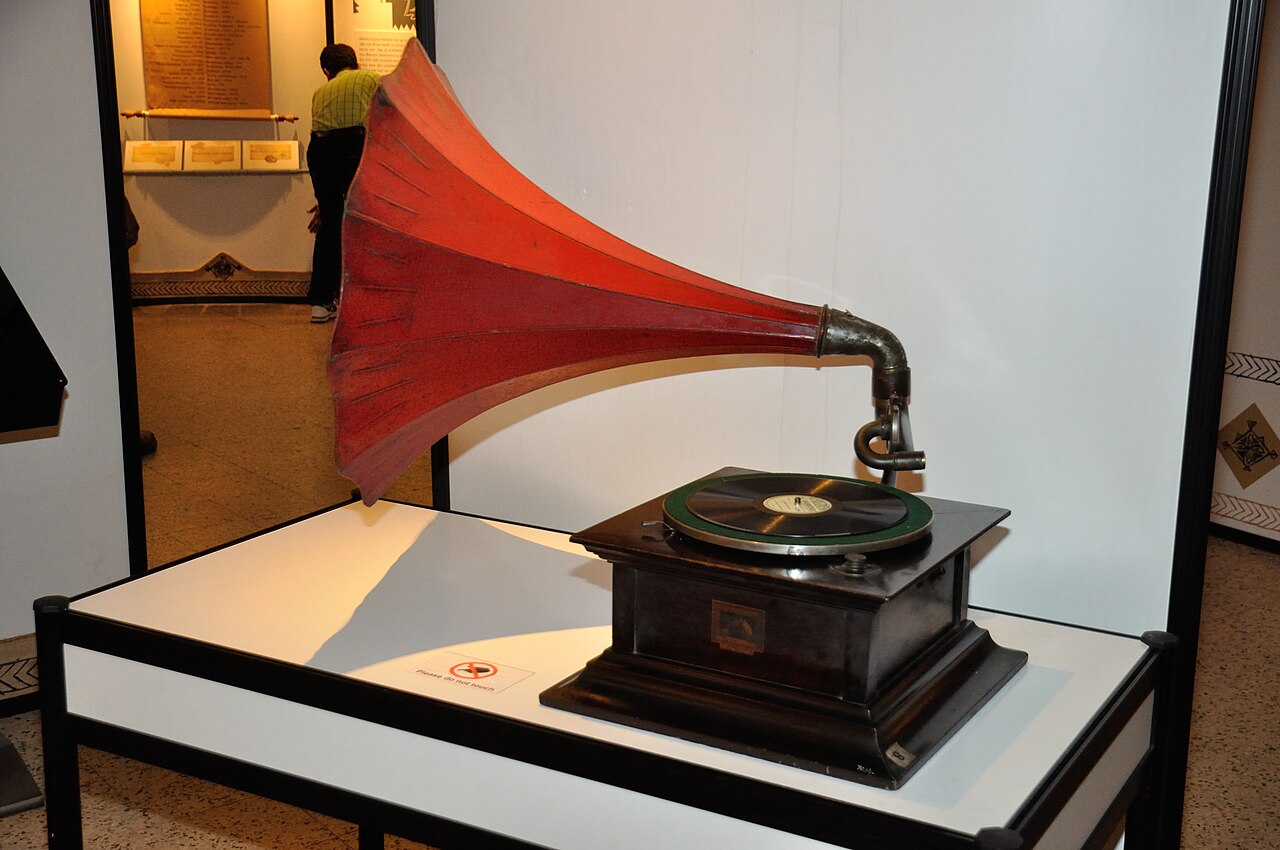
Bose's solution was as simple as it was revolutionary: record the songs separately, in advance, in a controlled studio session. Then, during the filming itself, play the recording back through a speaker while the actor performed. The actor lip-synced to their own (or another's) pre-recorded voice.
The technical challenge was synchronisation. The playback machine had to run at a consistent speed; the camera had to roll at a matching speed; the actor had to know the song and its exact phrasing well enough to match their lip movements to the syllables. New Theatres' engineers — accustomed to the problems of direct-sound recording — adapted gramophone playback equipment for the purpose.
For Dhoop Chhaon's songs, the singers included K.C. Dey singing for his own on-screen character — a practice that would persist in the actor-singer tradition — and female voices for the female characters. Sources cite Parul Ghosh, Suprova Sarkar, and Harimati as among the playback singers on this film; the precise attribution of individual songs to individual singers is not fully established in available archival records and should be treated as provisional.
The film was released in 1935 and the technique worked. Few audiences noticed — which was precisely the point. The illusion of a singing actor was complete. What they did not know was that behind the screen, a new profession had been created: the playback singer, invisible, anonymous, and over the next half-century to become India's most beloved musical voice.
Parul Ghosh — if the attribution is correct — was among the first women to sing playback in an Indian film. Her husband, Pannalal Ghosh, was a celebrated flautist, and her brother, the music director Anil Biswas, introduced her to playback singing; she sang for Hindi and Bengali films from 1935 to 1951. The line from Dhoop Chhaon's unnamed female voices to Lata Mangeshkar's arrival in Hindi films in the late 1940s is direct and traceable.
परिचय
Identity- Epithet
- धूप छाँव: जिस दिन गायक परदे से बाहर चला गया · Dhoop Chhaon: The Day the Singer Left the Screen
अन्य विवरण
More DetailsKey Figures
कहानी-नमूना
The Story Specimen| शीर्षक | धूप छाँव: जिस दिन गायक परदे से बाहर चला गया · Dhoop Chhaon: The Day the Singer Left the Screen |
|---|---|
| श्रेणी | Music History |
| प्रकार | Historical Milestone |
| पाठ-समय | ५ मिनट का पाठ |
| प्रकाशित | 18 June 2026 — admin |
| वर्ष | 1935 |
| टैग | playback-history · dhoop-chhaon · nitin-bose · parul-ghosh · k-c-dey · new-theatres · 1935 · technical-milestone |
इस कहानी में
In This Story · The Cast & Its Platesकहानी में आए नामों के अटलस में अपने पन्ने हैं — यहीं से यात्रा जारी रखिए।
फ़िल्में-सूत्र · Films
कलाकार-सूत्र · Artists
और कहानियाँ
More Stories from the Atlas
साझा कीजिए · Share this Plate
यह पन्ना आगे बढ़ाइए
सवाल-जवाब
Questions & Answersधूप छाँव: जिस दिन गायक परदे से बाहर चला गया — यह कथा किस बारे में है? · What is this story about?
भारत के आरंभिक सवाक् सिनेमा में — 'आलम आरा' (1931) और 1935 के बीच के वर्षों में — परदे पर हर अभिनेता जो भी नज़र आता था, कैमरा चलते हुए माइक्रोफ़ोन के सामने लाइव अपने गाने खुद गाता था। यह एक क्रूर बाधा थी।
In the early sound cinema of India — the years between Alam Ara (1931) and 1935 — every actor who appeared on screen sang their own songs, live, in front of the microphone, while the camera rolled. This was a brutal constraint.