कहानियाँ विंग · कहानी · Music History · 1936
पहाड़ी पर पाठशाला: बॉम्बे टॉकीज़ और हिंदी फ़िल्म के पहले सितारों का निर्माण
The School on the Hill: Bombay Talkies and the Making of Hindi Film's First Stars
पहाड़ी पर पाठशाला: बॉम्बे टॉकीज़ और हिंदी फ़िल्म के पहले सितारों का निर्माण
प्रकाशित18 June 2026 पाठ५ मिनट का पाठ
आमुख
मालाड में, बम्बई की उत्तरी सीमा पर, एक स्टूडियो परिसर था जो कारखाने की जगह एक आवासीय पाठशाला जैसा काम करता था। बॉम्बे टॉकीज़ — 1934 में हिमांशु राय और उनकी पत्नी देविका रानी द्वारा स्थापित — जर्मनी के यूएफए स्टूडियोज़ की तर्ज़ पर बना था, जहाँ दोनों ने प्रशिक्षण लिया था और जहाँ राय ने अपनी मूक प्रतिष्ठित फ़िल्में बनाई थ
अंग्रेज़ी में पढ़ें · Read in English
In Malad, on the northern outskirts of Bombay, stood a studio compound that functioned less like a factory and more like a finishing school. Bombay Talkies — founded in 1934 by Himanshu Rai and his wife Devika Rani — was modelled on Germany's UFA studios, where both had trained and where Rai had shot his silent prestig
पहाड़ी पर पाठशाला: बॉम्बे टॉकीज़ और हिंदी फ़िल्म के पहले सितारों का निर्माण
मालाड में, बम्बई की उत्तरी सीमा पर, एक स्टूडियो परिसर था जो कारखाने की जगह एक आवासीय पाठशाला जैसा काम करता था। बॉम्बे टॉकीज़ — 1934 में हिमांशु राय और उनकी पत्नी देविका रानी द्वारा स्थापित — जर्मनी के यूएफए स्टूडियोज़ की तर्ज़ पर बना था, जहाँ दोनों ने प्रशिक्षण लिया था और जहाँ राय ने अपनी मूक प्रतिष्ठित फ़िल्में बनाई थीं। उपकरण जर्मन था, निर्देशक जर्मन था (फ़्रांज़ ओस्टेन, जिन्होंने 1925 में 'द लाइट ऑफ़ एशिया' बनाई थी), और महत्त्वाकांक्षा यूरोपीय थी: ऐसी भारतीय फ़िल्में बनाना जो सफ़र कर सकें। लेकिन जो चीज़ बॉम्बे टॉकीज़ को अलग बनाती थी वह उसका जर्मन उपकरण नहीं था — वह वह अनुबंध-प्रणाली थी जो अनिश्चित प्रतिभा को परिष्कृत सितारों में बदल देती थी। अशोक कुमार 1934 में प्रयोगशाला सहायक के रूप में आए। कुमुदलाल कुंजीलाल गांगुली उनका बंगाली जन्म-नाम था; उन्होंने क़ानून पढ़ा, करियर नहीं मिला, और अपने बहनोई शशधर मुखर्जी के सूत्र से बॉम्बे टॉकीज़ पहुँचे। फिर 'जीवन नैया' (1936) की शूटिंग के दौरान नायक नजमुल हसन देविका रानी के साथ चले गए; हिमांशु राय को नायक की जगह भरनी थी, और उन्होंने पीछे कमरे में रील धोते लैब-असिस्टेंट को नायक के रूप में परदे पर खड़ा कर दिया। 'मैं तो गाना ही नहीं जानता' — अशोक कुमार बाद में हमेशा यही कहते थे। कोई फ़र्क़ नहीं पड़ा। उनके पास वह था जिसे कैमरा अप्रतिरोध्य पाता था: एक सोचता हुआ चेहरा। देविका रानी हर जीवनी में उनके विपरीत थीं पर परदे पर उनकी पूरक। जहाँ वे संयोगवश थे, वे प्रशिक्षित थीं — लंदन में रेडा, बर्लिन में यूएफए, रवींद्रनाथ टैगोर की पड़पोती जिन्होंने संस्कृति को अपनी आरंभिक वर्णमाला के साथ सोखा था। वे गाती थीं, अभिनय करती थीं, सौंदर्य-सम्बन्धी राय रखती थीं। 'अछूत कन्या' पर वे प्रभावी रूप से रचनात्मक निर्देशक थीं, फ़्रांज़ ओस्टेन की जर्मन एक्सप्रेशनिस्ट प्रवृत्तियों के आसपास और कभी-कभी उनके माध्यम से काम करते हुए एक ऐसी फ़िल्म बनाती थीं जो अपनी गहराई में भारतीय लगती थी — गाँव की लय, जाति की सच्चाई, ग़रीबी और प्यार की बनावट। और उन दोनों के पीछे, वह स्कोर रचती हुई जो सब कुछ एक साथ थामे रखता था, सरस्वती देवी थीं। बम्बई के एक सम्मानित पारसी परिवार में ख़ुर्शीद मिनोचर-होमजी के रूप में जन्मीं, उन्होंने स्टूडियो में प्रवेश के लिए अपना नाम बदल लिया। पारसी समुदाय में उनके फ़िल्मों में काम करने पर विरोध उठा — और हिमांशु राय ने उन्हें इसी विरोध से बचाने के लिए 'सरस्वती देवी' नाम दिया। 1930 के दशक की बम्बई में, अच्छे पारसी परिवार की लड़की का फ़िल्म-संगीत रचना विवाद का विषय था। उन्होंने हिंदुस्तानी शास्त्रीय संगीत में तालीम ली थी और वह अनुशासन बॉम्बे टॉकीज़ की ध्वनि में लेकर आईं — लोक-सरल सतहों के नीचे राग-ढाँचा, 'मैं बन की चिड़िया' के नीचे प्रातःकालीन भैरवी, ताकि दर्शक जो आकर्षक गाँव का गीत सुनें वह असल में, भीतर से, एक काफ़ी कुशल शास्त्रीय रचना हो। उनका नाम प्रचार में शायद ही कभी प्रमुखता से आया। उन्हें अन्य स्टूडियो के पुरुष संगीतकारों से कम मिलता था। वे जारी रहीं। 'अछूत कन्या' (1936) इस पाठशाला का परिणाम थी: संयोगवश आया अभिनेता, प्रशिक्षित कलाकार, अदृश्य संगीतकार — और एक जर्मन निर्देशक जिसकी भारतीय जाति-वास्तविकता से दूरी शायद एक आशीर्वाद थी, उस भारीपन को रोकती हुई जो एक अधिक राजनीतिक रूप से संलग्न निर्देशक ला सकता था। छुआछूत के विरुद्ध अपने कथानक के कारण यह फ़िल्म हिंदी सिनेमा की आरंभिक सुपरहिट और सामाजिक टिप्पणी की मिसाल बन गई।
अंग्रेज़ी में पढ़ें · Read in English
In Malad, on the northern outskirts of Bombay, stood a studio compound that functioned less like a factory and more like a finishing school. Bombay Talkies — founded in 1934 by Himanshu Rai and his wife Devika Rani — was modelled on Germany's UFA studios, where both had trained and where Rai had shot his silent prestige films. The equipment was German, the director was German (Franz Osten, who had made The Light of Asia in 1925), and the ambition was European: to make Indian films that could travel.
But what made Bombay Talkies singular was not its German equipment — it was the contract system that turned uncertain talent into polished stars. Ashok Kumar arrived as a laboratory assistant in 1934. Kumudlal Kunjilal Ganguly was his Bengali birth name; he had studied law, failed to find a career, and reached Bombay Talkies through his brother-in-law Sashadhar Mukherjee. Then, during the shooting of Jeevan Naiya (1936), the leading man Najmul Hasan left with Devika Rani; Himanshu Rai needed to fill the lead, and put the lab assistant developing reels in the back room in front of the camera as the hero. 'Main to gaana hi nahin jaanta' — I don't even know how to sing, Ashok Kumar always said afterward. It did not matter. He had what the camera found irresistible: a face that thought.
Devika Rani was his opposite in every biography but his complement on screen. Where he was accidental, she was trained — RADA in London, UFA in Berlin, a grandniece of Rabindranath Tagore who had absorbed culture with her nursery alphabet. She sang, she acted, she had aesthetic opinions. On Achhut Kanya she was effectively the creative director, working around and sometimes through Franz Osten's German expressionist instincts to make a film that felt Indian at its deepest — village rhythms, caste reality, the texture of poverty and love.
And behind both of them, composing the score that held it all together, was Saraswati Devi. Born Khurshid Minocher-Homji into a respectable Parsi family in Bombay, she had changed her name to enter the studio. The Parsi community objected to her working in films — and it was to shield her from that opposition that Himanshu Rai gave her the name 'Saraswati Devi'. In 1930s Bombay, a Parsi girl of good family writing film music was a matter of controversy. She had trained in Hindustani classical music and brought that discipline to the Bombay Talkies sound — raga structure under folk-simple surfaces, the morning Bhairavi under 'Main Ban Ki Chidiya', so that what the audience heard as charming village song was, underneath, a classical composition of considerable craft. Her name rarely appeared prominently in publicity. She was paid less than the male composers at other studios. She continued.
Achhut Kanya (1936) was the product of this school: the accidental actor, the trained artist, the invisible composer — and a German director whose distance from Indian caste reality was perhaps a blessing, preventing the heavy-handedness that a more politically engaged director might have brought. With its anti-untouchability theme, the film became one of Hindi cinema's earliest blockbusters and a model of socially reformist storytelling.
परिचय
IdentityEpithet
पहाड़ी पर पाठशाला: बॉम्बे टॉकीज़ और हिंदी फ़िल्म के पहले सितारों का निर्माण
The School on the Hill: Bombay Talkies and the Making of Hindi Film's First Star
कहानी-नमूना
The Story Specimen| शीर्षक | पहाड़ी पर पाठशाला: बॉम्बे टॉकीज़ और हिंदी फ़िल्म के पहले सितारों का निर्माण · The School on the Hill: Bombay Talkies and the Making of Hindi Film's First Stars |
|---|---|
| श्रेणी | Music History |
| प्रकार | विशेष लेख |
| पाठ-समय | ५ मिनट का पाठ |
| प्रकाशित | 18 June 2026 — admin |
| वर्ष | 1936 |
| टैग | bombay-talkies · studio-system · ashok-kumar · devika-rani · saraswati-devi · 1930s · hindi-cinema-origins |
इस कहानी में
In This Story · The Cast & Its Platesकहानी में आए नामों के अटलस में अपने पन्ने हैं — यहीं से यात्रा जारी रखिए।
कलाकार-सूत्र · Artists
और कहानियाँ
More Stories from the Atlas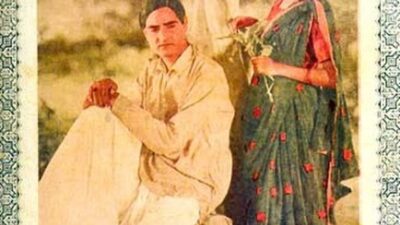
साझा कीजिए · Share this Plate
यह पन्ना आगे बढ़ाइए
सवाल-जवाब
Questions & Answersपहाड़ी पर पाठशाला: बॉम्बे टॉकीज़ और हिंदी फ़िल्म के पहले सितारों का निर्माण — यह कथा किस बारे में है? · What is this story about?
मालाड में, बम्बई की उत्तरी सीमा पर, एक स्टूडियो परिसर था जो कारखाने की जगह एक आवासीय पाठशाला जैसा काम करता था। बॉम्बे टॉकीज़ — 1934 में हिमांशु राय और उनकी पत्नी देविका रानी द्वारा स्थापित — जर्मनी के यूएफए स्टूडियोज़ की तर्ज़ पर बना था, जहाँ दोनों ने प्रशिक्षण लिया था और जहाँ राय ने अपनी मूक प्रतिष्ठित फ़िल्में बनाई थ
In Malad, on the northern outskirts of Bombay, stood a studio compound that functioned less like a factory and more like a finishing school. Bombay Talkies — founded in 1934 by Himanshu Rai and his wife Devika Rani — was modelled on Germany's UFA studios, where both had trained and where Rai had shot his silent prestig