कहानियाँ विंग · कहानी · Film Music · 1954
जब क्लैवियोलीन बन गई बीन: नागिन (1954) के संगीत की जादुई दास्तान
When a Clavioline Became a Been: The Magic Behind Nagin (1954)'s Iconic Score
1954 में हेमंत कुमार ने एक यूरोपीय इलेक्ट्रॉनिक कीबोर्ड से वह आवाज़ निकाली जो हमेशा के लिए हिंदी सिनेमा की बीन बन गई।
प्रकाशित3 July 2026 पाठ७ मिनट का पाठ
आमुख
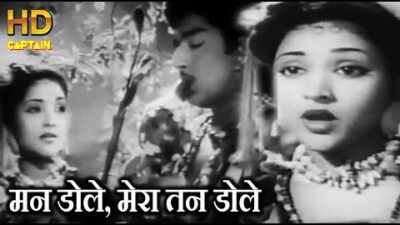
1954 में फ़िल्म 'नागिन' के लिए हेमंत कुमार ने एक अद्भुत प्रयोग किया: सपेरे की असली बीन की जगह उन्होंने 'क्लैवियोलीन' — एक यूरोपीय इलेक्ट्रॉनिक कीबोर्ड — पर वह आवाज़ उत्पन्न की जो आज तक साँप और जादू का पर्याय बनी हुई है। लता मंगेशकर की आवाज़ और वैजयंतीमाला के नृत्य के साथ मिलकर इस इलेक्ट्रॉनिक बीन ने हिंदी सिनेमा को उसकी सबसे पहचानी ध्वनि दी।
अंग्रेज़ी में पढ़ें · Read in English
For Nagin (1954), Hemant Kumar made a daring substitution: instead of a real snake-charmer's been, he used a Clavioline — a portable European electronic keyboard — to create that haunting serpentine timbre. Combined with Lata Mangeshkar's voice and Vyjayanthimala's dance, this accidental electronic innovation became one of the most recognisable sounds in all of Hindi film music.
बम्बई के स्टूडियो में एक असाधारण रात
An Extraordinary Night in a Bombay Studioक्लैवियोलीन: यूरोप से बम्बई तक का सफ़र
The Clavioline: From Europe to Bombayलता मंगेशकर की आवाज़ और वैजयंतीमाला का नृत्य
Lata Mangeshkar's Voice and Vyjayanthimala's Danceएक इलेक्ट्रॉनिक प्रयोग की अमर विरासत
The Immortal Legacy of an Electronic Experimentपरिचय
IdentityEpithet
1954 में हेमंत कुमार ने एक यूरोपीय इलेक्ट्रॉनिक कीबोर्ड से वह आवाज़ निकाली जो हमेशा के लिए हिंदी सिनेमा की बीन बन गई।
In 1954, Hemant Kumar coaxed a European electronic keyboard into producing the sound that became Hindi cinema's definitive been — and nothing in film music was ever quite the same.
अन्य विवरण
More Details- Hemant Kumar found a way to make an electronic keyboard sound like the oldest instrument in the world.
- हेमंत कुमार
- लता मंगेशकर
- वैजयंतीमाला
- राजेंद्र कृष्ण
- 1947 — Clavioline invented in France by Constant Martin — कॉन्स्टेंटिन मार्टिन द्वारा फ्रांस में क्लैवियोलीन का आविष्कार
- 1953 — Nagin enters production under director Nandlal Jaswantlal — 'नागिन' का निर्माण शुरू — निर्देशक नंदलाल जसवंतलाल
- 1954 (circa mid-year) — Hemant Kumar uses Clavioline to create been sound in HMV studio, Bombay — HMV स्टूडियो, बम्बई में हेमंत कुमार ने क्लैवियोलीन से बीन की ध्वनि तैयार की
- 1954 — Nagin releases to massive commercial success; songs dominate Binaca Geetmala — 'नागिन' रिलीज़ — भारी व्यावसायिक सफलता; बिनाका गीतमाला में छा गए गाने
- 1954 onwards — Electronic been timbre becomes permanent sonic shorthand for snakes in Indian film/TV — इलेक्ट्रॉनिक बीन की ध्वनि हिंदी फ़िल्म और टीवी में साँप की पहचान बन गई
- Wikipedia: Nagin (1954 film) — https://en.wikipedia.org/wiki/Nagin_(1954_film)
- Wikipedia: Hemant Kumar — https://en.wikipedia.org/wiki/Hemant_Kumar
- Wikipedia: Clavioline — https://en.wikipedia.org/wiki/Clavioline
- Wikipedia: Vyjayanthimala — https://en.wikipedia.org/wiki/Vyjayanthimala
- Hindi Film Geet Kosh Vol. 3 — Har Mandir Singh 'Hamraaz'
Pull Quotes
Key Figures
Timeline Within Story
References
कहानी-नमूना
The Story Specimen| शीर्षक | जब क्लैवियोलीन बन गई बीन: नागिन (1954) के संगीत की जादुई दास्तान · When a Clavioline Became a Been: The Magic Behind Nagin (1954)'s Iconic Score |
|---|---|
| श्रेणी | Film Music |
| प्रकार | विशेष लेख |
| पाठ-समय | ७ मिनट का पाठ |
| प्रकाशित | 3 July 2026 — admin |
| वर्ष | 1954 |
| टैग | Nagin · Hemant Kumar · Clavioline · been · 1954 · Golden Era · Lata Mangeshkar · Vyjayanthimala · electronic music · snake music |
इस कहानी में
In This Story · The Cast & Its Platesकहानी में आए नामों के अटलस में अपने पन्ने हैं — यहीं से यात्रा जारी रखिए।
कलाकार-सूत्र · Artists
वाद्य-सूत्र · Instruments
युग-सूत्र · Eras
और कहानियाँ
More Stories from the Atlas
साझा कीजिए · Share this Plate
यह पन्ना आगे बढ़ाइए
सवाल-जवाब
Questions & Answersक्या 'नागिन' (1954) में बीन की आवाज़ असली बीन से बनाई गई थी? · Was the been sound in Nagin (1954) made with a real been?
संगीत इतिहासकारों के अनुसार, हेमंत कुमार ने 'नागिन' की वह मशहूर ध्वनि एक 'क्लैवियोलीन' — यूरोपीय इलेक्ट्रॉनिक कीबोर्ड — से बनाई थी, न कि असली सपेरे की बीन (पुंगी) से।
According to music historians, Hemant Kumar used a Clavioline — a European electronic keyboard instrument — rather than a real snake charmer's been (pungi) to create the iconic sound. The Clavioline's nasal, reedy tone proved perfect for evoking the been's hypnotic quality while recording cleanly with an orchestra.
'नागिन' (1954) का संगीत किसने दिया? · Who composed the music for Nagin (1954)?
हेमंत कुमार ने 'नागिन' (1954) का संगीत दिया। वे प्रसिद्ध गायक और संगीतकार दोनों थे, और 'नागिन' उनकी सबसे अभिनव उपलब्धियों में से एक मानी जाती है।
Hemant Kumar composed the music for Nagin (1954). He was both a celebrated singer and a composer, and Nagin remains one of his most innovative achievements as a music director.
हिंदी फ़िल्म और टीवी में हर साँप के साथ एक जैसी बीन क्यों बजती है? · Why does every snake in Hindi film/TV have the same been music?
यह परंपरा 'नागिन' (1954) ने शुरू की। फ़िल्म की भारी सफलता के बाद, इसकी इलेक्ट्रॉनिक बीन हर साँप-दृश्य का साँचा बन गई। पीढ़ियों के संगीतकारों ने इसे अपनाया और यह भारतीय संस्कृति में स्थायी हो गई।
The tradition was set by Nagin (1954). The film was such a massive commercial hit that its electronic been sound became the sonic template for every snake scene that followed. Generations of composers copied it, making it a permanent fixture of Indian popular culture.