कहानियाँ विंग · कहानी · Recording Technology · 1908
गुणवत्ता में छलांग — 1908 ने रिकॉर्डिंग को कैसे बदला
The Quality Leap — How 1908 Changed Recording Forever
1908 तक, इंजीनियरों ने शुरुआती रिकॉर्डिंग की तकनीकी समस्याओं को हल कर दिया था।
प्रकाशित31 March 2026 पाठ६ मिनट का पाठ
आमुख
छह वर्षों की वृद्धिशील प्रगति
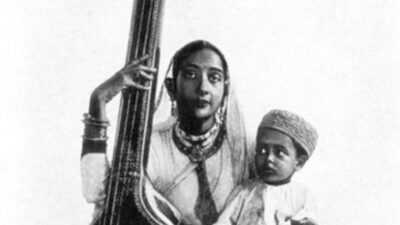
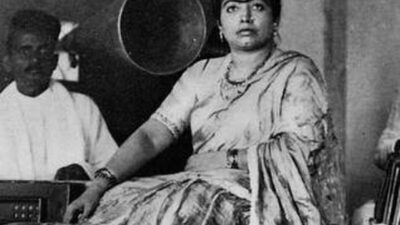
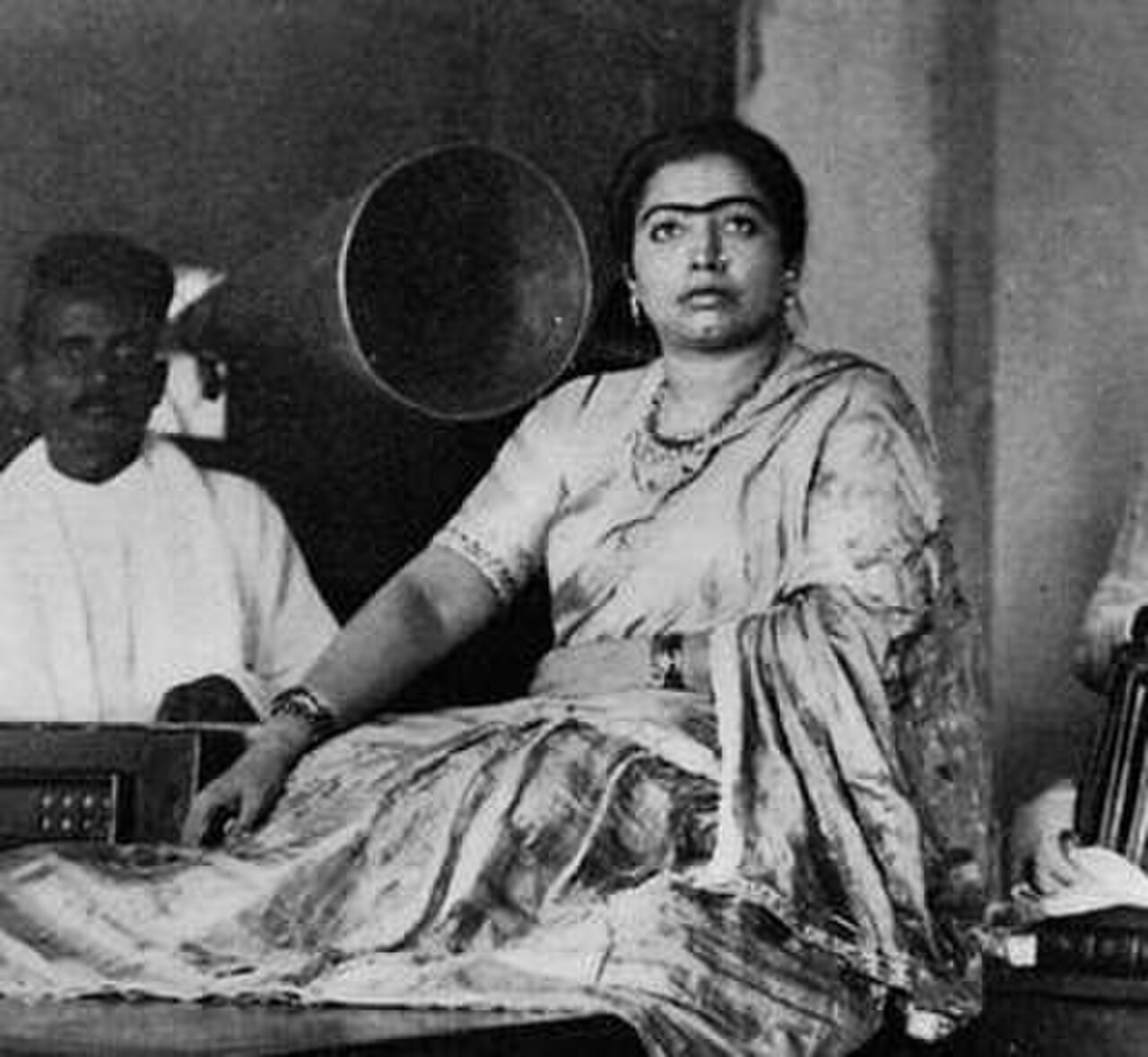
Six Years of Incremental Progressजब फ्रेड गेसबर्ग ने नवंबर 1902 में गौहर जान की रिकॉर्डिंग की, तकनीक अभी कच्ची थी। ध्वनिक रिकॉर्डिंग हॉर्न एक बहुत संवेदनशील उपकरण था जो किसी भी आवाज़ की भिन्नता को पकड़ सकता था। गायक को सटीक दूरी पर हॉर्न के सामने खड़ा होना पड़ता था।
अंग्रेज़ी में पढ़ें · Read in English
When Fred Gaisberg first recorded Gauhar Jaan in November 1902, the technology was crude. The acoustic recording horn — a conical device that channeled vibrations to a needle that etched grooves into wax — was sensitive to the slightest variations in sound, performer position, and room acoustics. A singer would have to stand at precisely the right distance from the horn, and any movement could cause sound distortion. Surface noise was inevitable and permanent.
1908 का सफलता
The 1908 Breakthrough1908 तक, छह साल के प्रयोग सफल रहे। 1908 की रिकॉर्डिंग 1902 के समान बहुत साफ थीं। आप विब्रेटो की सूक्ष्मता को सुन सकते हैं, सजावटी नोट्स की सटीक पिच, और तबला की लय की बारीकियाँ।
अंग्रेज़ी में पढ़ें · Read in English
By 1908, six years of experimentation had paid off. Engineers understood horn acoustics better. They had developed improved wax formulations that reduced surface crackle. Most importantly, they had learned to position microphones (acoustic horns) in new ways that captured better frequency response. The 1908 recordings of Abdul Karim Khan, Zohra Bai, and Gauhar Jaan are noticeably cleaner than their 1902 counterparts. You can hear the nuance of vibrato, the exact pitch of ornamental notes, the fine details of tabla rhythms — details that were murky in earlier recordings.
इसने कलाकारों को कैसे सशक्त बनाया
How This Empowered Artistsबेहतर रिकॉर्डिंग गुणवत्ता का मतलब था कि कलाकार अधिक नुकसानदायक तरीके से प्रदर्शन कर सकते थे। उन्हें अब स्पष्ट होने के लिए आवश्यकता को अतिशयोक्तिपूर्ण करने की आवश्यकता नहीं थी। किसी गायक की विशेष विशेषता — उनकी आवाज़ का विशेष रंग, विब्रेटो का उनका व्यक्तिगत दृष्टिकोण — ये अब कब्जा और प्रसारित किए जा सकते थे।
अंग्रेज़ी में पढ़ें · Read in English
Better recording quality meant artists could perform with greater nuance. They no longer had to exaggerate articulation to be heard clearly. The tonal subtleties that made a performer special — the particular color of someone's voice, their individual approach to vibrato, the delicate touch of a sarangi player — these could now be captured and transmitted. This shift was crucial: it made recording into a legitimate artistic medium rather than merely a technical novelty. Artists who had previously viewed the gramophone with suspicion began to see it as a vehicle for serious artistic expression.
परिचय
IdentityEpithet
1908 तक, इंजीनियरों ने शुरुआती रिकॉर्डिंग की तकनीकी समस्याओं को हल कर दिया था।
By 1908, engineers had solved the technical challenges that plagued early recordings. Surface noise decreased, tonal fidelity increased, and artists began to master the medium itself.
कहानी-नमूना
The Story Specimen| शीर्षक | गुणवत्ता में छलांग — 1908 ने रिकॉर्डिंग को कैसे बदला · The Quality Leap — How 1908 Changed Recording Forever |
|---|---|
| श्रेणी | Recording Technology |
| प्रकार | Technical History |
| पाठ-समय | ६ मिनट का पाठ |
| प्रकाशित | 31 March 2026 — admin |
| वर्ष | 1908 |
| टैग | technology · quality · gramophone · 1908 · innovation |
और कहानियाँ
More Stories from the Atlas

साझा कीजिए · Share this Plate