
कहानियाँ विंग · कहानी · Recording Technology · 1908
स्टूडियो क्रांति: समर्पित रिकॉर्डिंग सुविधाएं भारतीय संगीत कैप्चर को बदलती हैं
The Studio Revolution: Dedicated Recording Facilities Transform Indian Music Capture
कैसे भारत में विशेष रूप से निर्मित रिकॉर्डिंग स्टूडियो ने बेहतर ध्वनि गुणवत्ता और कलात्मक नियंत्रण को सक्षम बनाया
प्रकाशित31 March 2026
आमुख
1908 तक भारत में पहले समर्पित रिकॉर्डिंग स्टूडियो बनने लगे — होटल के कमरों और कॉन्सर्ट हॉल की जगह नियंत्रित ध्वनिक वातावरण ने ले ली। इस स्टूडियो क्रांति ने न केवल ध्वनि गुणवत्ता बेहतर की, बल्कि क्षेत्रीय कलाकारों को भी अपने शहर में पेशेवर रिकॉर्डिंग का अवसर दिया।
अंग्रेज़ी में पढ़ें · Read in English
By 1908 the first dedicated recording studios were being built in India — controlled acoustic environments replacing hotel rooms and concert halls. This studio revolution improved sound quality and also gave regional artists the chance to record professionally in their own cities.
होटल कमरों से विशेष रूप से निर्मित स्टूडियो तक
From Hotel Rooms to Purpose-Built Studiosभारतीय रिकॉर्डिंग के शुरुआती वर्षों (1902-1906) में, ग्रामोफोन कंपनियों ने जो भी स्थान उपलब्ध थे, उसमें रिकॉर्डिंग की: होटल के कमरे, कॉन्सर्ट हॉल, संगीत शिक्षकों के स्टूडियो। ये स्थान अक्सर रिकॉर्डिंग के लिए ध्वनिकी से अनुपयुक्त थे।
अंग्रेज़ी में पढ़ें · Read in English
In the early years of Indian recording (1902-1906), gramophone companies had recorded in whatever spaces were available: hotel rooms, concert halls, the studios of music teachers. These spaces were often acoustically unsuitable for recording. A hotel room would have hard walls that created echoes, uneven sound distribution, and acoustic reflections that muddied the recorded sound. A concert hall, designed for live performance, had acoustic characteristics that worked against the demands of gramophone recording.
The recording engineers of the period had to work around these acoustic limitations. They positioned the recording horn carefully, asked singers to stand at precise distances, used various experimental techniques to minimize echoes and optimize sound capture. It was a constant struggle against the acoustic environment.
By 1908, however, major recording labels in India began constructing purpose-built recording studios. These were carefully designed spaces, with attention to acoustic isolation, wall materials, ceiling height, and reverberation characteristics. A proper recording studio was a controlled acoustic environment where engineers could achieve consistent, high-quality recordings without fighting against the space itself.
ध्वनिक इंजीनियरिंग और कलात्मक संभावना
Acoustic Engineering and Artistic Possibilityविशेष रूप से निर्मित स्टूडियो के विकास ने नई कलात्मक संभावनाएं खोलीं। जब इंजीनियरों को ध्वनिक वातावरण पर पूर्ण नियंत्रण था, वे विशिष्ट प्रकार के संगीत और आवाज़ों के लिए रिकॉर्डिंग को अनुकूलित कर सकते थे।
अंग्रेज़ी में पढ़ें · Read in English
The development of purpose-built studios opened new artistic possibilities. When engineers had full control over the acoustic environment, they could optimize recording for specific types of music and voices. The acoustic treatment that worked best for recording male voices might be different from that for female voices. A vocal recording might require different acoustic treatment than instrumental music. Dedicated studios allowed for this kind of specialization and optimization.
Moreover, dedicated studios gave artists more control over their performances. A singer no longer had to worry about the acoustic idiosyncrasies of a hotel room or concert hall. They could focus entirely on their artistic expression, knowing that the physical space was optimized for capturing their voice. The acoustic environment became a neutral, controlled space that served the music rather than competing with it.
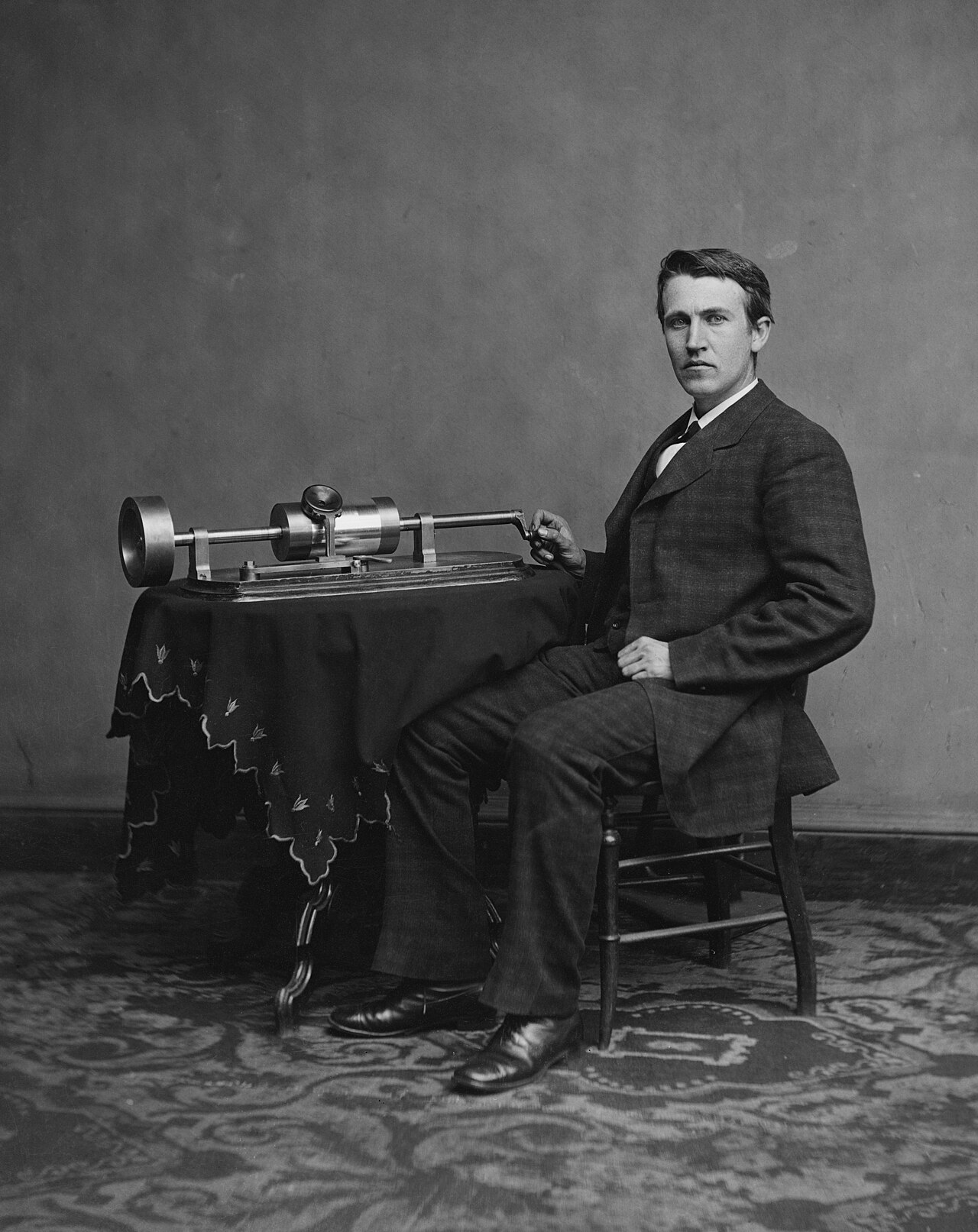
भारतीय स्टूडियो और स्थानीय विशेषज्ञता
Indian Studios and Local Expertise1908 में भारत में स्टूडियो क्रांति का एक महत्वपूर्ण पहलू यह था कि भारतीय शहरों ने अपनी रिकॉर्डिंग विशेषज्ञता विकसित की। रिकॉर्डिंग पूरी तरह से यूरोप से आयातित विदेशी इंजीनियरों पर निर्भर रहने के बजाय, भारतीय ध्वनि इंजीनियर रिकॉर्डिंग स्टूडियो बनाने और संचालित करने का ज्ञान विकसित करने लगे।
अंग्रेज़ी में पढ़ें · Read in English
A significant aspect of the 1908 studio revolution in India was that Indian cities developed their own recording expertise. Rather than recordings being entirely dependent on foreign engineers imported from Europe, Indian sound engineers developed knowledge of how to build and operate recording studios. These engineers understood the specific acoustic demands of Indian instruments and vocal styles. They could optimize studios for recording raag-based music, which had different acoustic characteristics than Western classical music.
This development of local expertise was particularly important for the long-term viability of the recording industry in India. It meant that recording capability was no longer entirely dependent on European expertise or technology. Indians were becoming the specialists in their own music documentation.
गुणवत्ता रिकॉर्डिंग का लोकतंत्रीकरण
Democratization of Quality Recording1908 में भारत भर में समर्पित रिकॉर्डिंग स्टूडियो की स्थापना का एक और महत्वपूर्ण परिणाम था: यह गुणवत्ता रिकॉर्डिंग के प्रति पहुंच का लोकतंत्रीकरण था। पहले, छोटे शहरों के कलाकारों के पास सीमित रिकॉर्डिंग अवसर थे क्योंकि कोई उचित स्टूडियो नहीं थे।
अंग्रेज़ी में पढ़ें · Read in English
The establishment of dedicated recording studios throughout India in 1908 had another important consequence: it democratized access to quality recording. Previously, artists in smaller cities had limited recording opportunities because there were no proper studios. With the multiplication of studios across India's major cities, more artists could access professional recording facilities.
A talented vocalist in Bangalore no longer had to travel to Calcutta or Bombay to find a studio. If a proper recording facility existed locally, they could record at home. This geographic distribution of studios meant that regional musical traditions, previously underrepresented in the recording catalog, could now access the same level of technical quality as Calcutta-based artists.
The 1908 studio revolution was therefore not merely a technical upgrade. It was a fundamental democratization of the recording industry. It expanded the physical and economic infrastructure that enabled artists to document their music professionally. By creating specialized spaces for recording, the industry was also creating more pathways for diverse artists to participate in the gramophone medium.
परिचय
IdentityEpithet
कैसे भारत में विशेष रूप से निर्मित रिकॉर्डिंग स्टूडियो ने बेहतर ध्वनि गुणवत्ता और कलात्मक नियंत्रण को सक्षम बनाया
How purpose-built recording studios in India enabled better sound quality and artistic control
अन्य विवरण
More Details- फ्रेड गेसबर्ग · Fred Gaisberg
Key Figures
कहानी-नमूना
The Story Specimen| शीर्षक | स्टूडियो क्रांति: समर्पित रिकॉर्डिंग सुविधाएं भारतीय संगीत कैप्चर को बदलती हैं · The Studio Revolution: Dedicated Recording Facilities Transform Indian Music Capture |
|---|---|
| श्रेणी | Recording Technology |
| प्रकार | Technical History |
| प्रकाशित | 31 March 2026 — admin |
| वर्ष | 1908 |
और कहानियाँ
More Stories from the Atlas


साझा कीजिए · Share this Plate
यह पन्ना आगे बढ़ाइए
सवाल-जवाब
Questions & Answers1908 से पहले रिकॉर्डिंग किन स्थानों पर होती थी? · Where did recordings take place before 1908?
होटल के कमरों, कॉन्सर्ट हॉल, संगीत शिक्षकों के स्टूडियो में — जो भी उपलब्ध हो। ये स्थान ध्वनिक रूप से अनुपयुक्त थे और इंजीनियरों को गूँज और अनियमित ध्वनि वितरण से जूझना पड़ता था।
In hotel rooms, concert halls, music teachers' studios — whatever was available. These spaces were acoustically unsuitable and engineers had to battle echo and uneven sound distribution.
समर्पित स्टूडियो का निर्माण भारतीय संगीत उद्योग के लिए क्यों महत्वपूर्ण था? · Why was the construction of dedicated studios important for the Indian music industry?
इसने स्थानीय ध्वनि इंजीनियरिंग विशेषज्ञता विकसित की, रिकॉर्डिंग गुणवत्ता में सुधार हुआ, और क्षेत्रीय कलाकारों को अपने शहर में पेशेवर स्टूडियो का लाभ मिला। उद्योग अब यूरोपीय इंजीनियरों पर पूरी तरह निर्भर नहीं रहा।
It developed local sound engineering expertise, improved recording quality, and gave regional artists access to professional studios in their own cities. The industry was no longer entirely dependent on European engineers.