कहानियाँ विंग · कहानी · Music Theory
नाग-मोहिनी: तीन कोमल स्वरों में करुणा
The Snake Charmer: Pathos in Three Flat Notes
दुःख और छाया में मुग्ध करने वाली थाट
प्रकाशित31 March 2026 पाठ७ मिनट का पाठ
आमुख
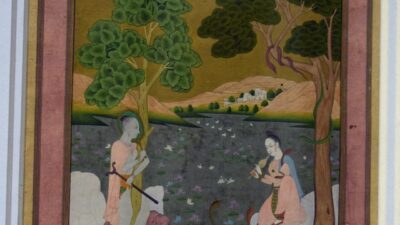
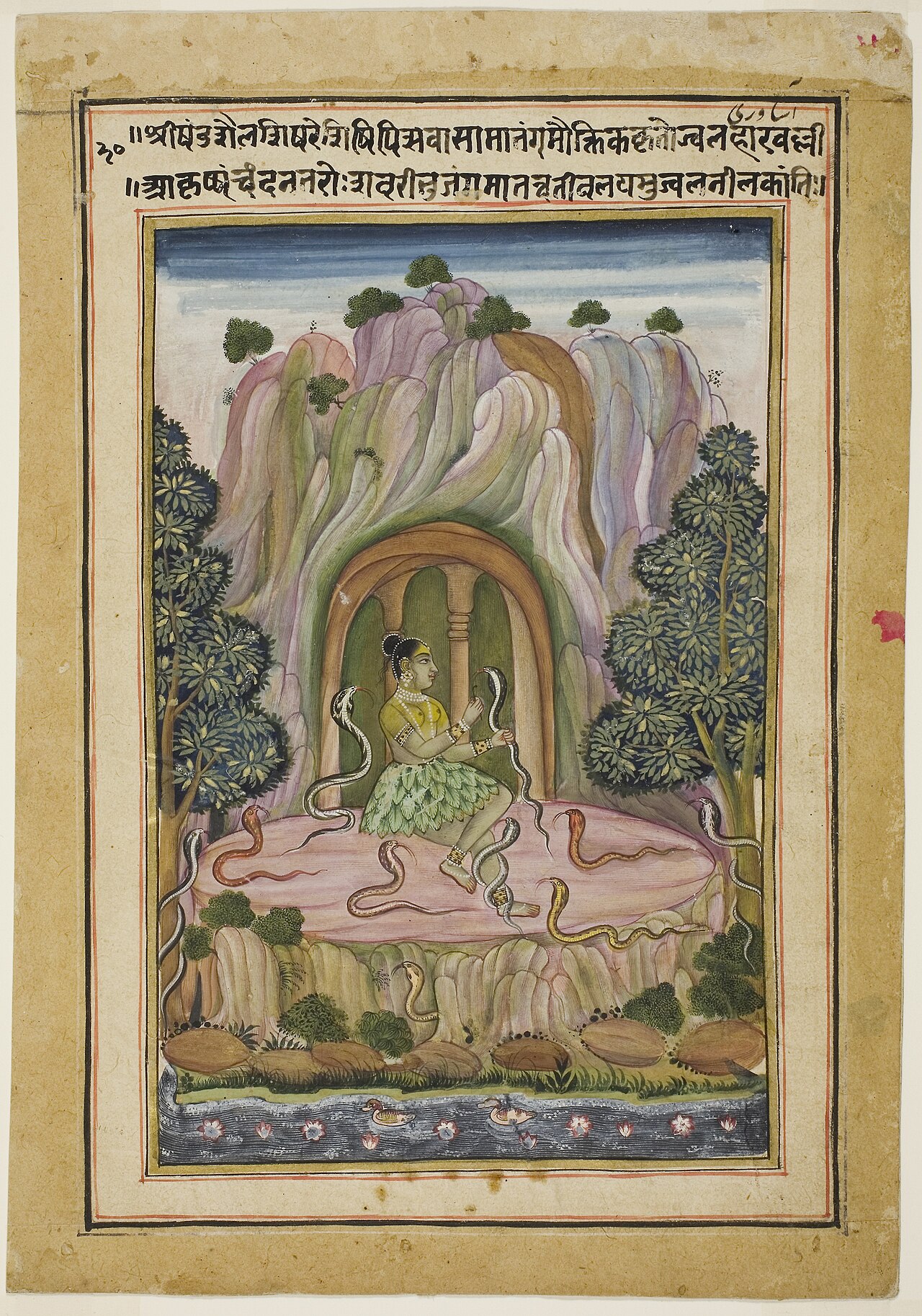
रागमाला चित्रों में, असावरी थाट को एक रहस्यमय योगिनी के रूप में दर्शाया जाता है, जो अक्सर ध्यान की मुद्रा में होती है, सांपों से घिरी हुई होती है—नाग जो उसके संगीत से मुग्ध होकर सम्मोहक तरीकों से लहराते हैं। तोड़ी की हिरणमोहिनी अपनी नाजुक वीणा के साथ विपरीत है; असावरी की छवि गहरी, आंतरिक, अधिक शक्तिशाली है।
योगिनी और उसके नाग: रागमाला कला में असावरी
The Yogini and Her Serpents: Asavari in Ragamala Artरागमाला चित्रों में, असावरी थाट को एक रहस्यमय योगिनी के रूप में दर्शाया जाता है, जो अक्सर ध्यान की मुद्रा में होती है, सांपों से घिरी हुई होती है—नाग जो उसके संगीत से मुग्ध होकर सम्मोहक तरीकों से लहराते हैं। तोड़ी की हिरणमोहिनी अपनी नाजुक वीणा के साथ विपरीत है; असावरी की छवि गहरी, आंतरिक, अधिक शक्तिशाली है। यह योगिनी मिठास के माध्यम से आकर्षक नहीं करती; बल्कि वह अपने पैमाने की आदिम शक्ति के माध्यम से आदेश देती है, एक ऐसी ध्वनि जो खतरे और अनुभूति दोनों को धारण करती है। यह दृश्य रूपक असावरी के सोनिक सारमर्म को पूरी तरह से पकड़ता है। थाट तीन प्रमुख समतल स्वरों द्वारा परिभाषित है: कोमल ग (समतल तीसरा), कोमल ध (समतल छठा), और कोमल नी (समतल सातवां)। जब शुद्ध रे (प्राकृतिक दूसरा) और शुद्ध म (प्राकृतिक चौथा) के साथ संयुक्त किया जाता है, तो ये एक पैमाना बनाते हैं जो मौलिक रूप से अंधकारपूर्ण, आत्मविश्लेषणात्मक, और भावनात्मक वजन से भरा हुआ महसूस होता है। कोई भी उज्ज्वल, तीक्ष्ण स्वर नहीं है जो मनोदशा को ऊपर उठाए; इसके बजाय, असावरी अंधकार में बैठ जाता है, जैसे कोई कलाकार गहरी ध्यान अवस्था में प्रवेश कर रहा हो जहाँ बाहरी दुनिया गायब हो जाती है। योगिनी की कल्पना उन्नत आध्यात्मिक साधना—तपस्या (अनुशासन), योगिक नियंत्रण, और कुछ आदिम और प्राचीन के साथ संयोग को सुझाती है। भारतीय शास्त्रीय परंपरा में, सांपों का प्रतीकवाद कुंडलिनी ऊर्जा और परिवर्तन का है। असावरी, जैसे वह योगिनी जो सांपों पर नियंत्रण रखती है, एक पैमाना है जो कलाकार से अनुशासन मांगता है और श्रोताओं को गहन भावनात्मक परिवर्तन के लिए खोलता है।
अंग्रेज़ी में पढ़ें · Read in English
In the Ragamala paintings, Asavari Thaat is depicted as a mystical yogini, often in meditative posture, surrounded by serpents—cobras that sway in hypnotic patterns, mesmerized by her music. Unlike Todi's deer charmer with her delicate veena, Asavari's image is darker, more inward, more powerful. The yogini does not coax or enchant through sweetness; she commands through the primal force of her scale, through a sound that carries both danger and transcendence.
This visual metaphor perfectly captures Asavari's sonic essence. The thaat is defined by three prominently flat notes: komal ga (flatted third), komal dha (flatted sixth), and komal ni (flatted seventh). When combined with shuddha re (natural second) and shuddha ma (natural fourth), these create a scale that feels fundamentally shadowed, introspective, and heavy with emotional weight. There are no bright, sharp notes to lift the mood; instead, Asavari settles into darkness, like a performer entering a deep meditative state where the external world falls away.
The yogini imagery suggests advanced spiritual practice—tapasya (discipline), yogic control, and communion with something primal and ancient. In Indian classical tradition, serpents symbolize kundalini energy and transformation. Asavari, like the yogini who commands serpents, is a scale that demands discipline from the performer and opens listeners to deep emotional transformation.
अंधकार की संरचना: कोमल ग, कोमल ध, कोमल नी
The Architecture of Darkness: Komal Ga, Komal Dha, Komal Niअसावरी थाट का सोनिक डीएनए इस प्रकार है: शुद्ध स, शुद्ध रे, कोमल ग, शुद्ध म, शुद्ध प, कोमल ध, और कोमल नी। ध्यान दें कि क्या अनुपस्थित है: कोई तीव्र म नहीं है (उत्थान जो बेचैनी जोड़ता है)। इसके बजाय, असावरी प्राकृतिक अंतराल और निरंतर समतल स्वरों के साथ काम करता है, एक ऐसा पैमाना बनाता है जो पिच में उत्थान के बावजूद भावनात्मक रूप से अवरोहण करता है। यह विदाई का पैमाना है, आंतरिक मुड़ने का, दुःख को एक आध्यात्मिक शिक्षक के रूप में स्वीकार करने का। जब एक संगीतकार असावरी बजाता है, तो कोमल ग तुरंत उदासी का संकेत देता है—तीसरा स्वर नरम है, जो मौलिक अंतराल को प्रमुख के बजाय लघु बनाता है। कोमल ध और कोमल नी इस छाया को और गहरा करते हैं। ये तीनों समतल स्वर मिलकर वह बनाते हैं जिसे भारतीय संगीत सिद्धांतकार 'रस-भाव' कहते हैं—भावनात्मक नींव—जो विशेष रूप से विलापपूर्ण, नॉस्टेल्जिक, और आत्मविश्लेषणात्मक है। यह वह पैमाना है जो आप विलाप में सुनते हैं, संध्या के समय भक्ति प्रार्थनाओं में, आध्यात्मिक खोज के संगीत में। तोड़ी के विपरीत, जो तनाव और लालसा रखता है, या खमाज, जो उज्ज्वल और उत्सवी है, असावरी अंधकार को अपनी प्राकृतिक अवस्था के रूप में स्वीकार करता है। कोई संघर्ष नहीं है, कोई बेचैनी नहीं—केवल गहरी स्वीकृति। यह असावरी को देर शाम या रात को प्रदर्शित किए जाने वाले राग के लिए आदर्श बनाता है, उन राग के लिए जो त्याग, भक्ति, और देवता के रहस्यों से जुड़े हैं। पैमाना सिखाता है कि सौंदर्य छाया में पाया जा सकता है, और अर्थ मौन में।
अंग्रेज़ी में पढ़ें · Read in English
The sonic DNA of Asavari Thaat consists of: shuddha sa, shuddha re, komal ga, shuddha ma, shuddha pa, komal dha, and komal ni. Notice what is absent: there is no tivra ma (the raised fourth that adds restlessness). Instead, Asavari works with natural intervals and consistently flat notes, creating a scale that descends emotionally even as it ascends in pitch. This is the scale of withdrawal, of turning inward, of accepting sorrow as a spiritual teacher.
When a musician plays Asavari, the komal ga immediately signals melancholy—the third note is softened, making the foundational intervals feel minor rather than major. The komal dha and komal ni further deepen this shadow. Together, these three flat notes create what Indian music theorists call 'rasa-bhav'—the emotional foundation—that is specifically mournful, nostalgic, and introspective. This is the scale you hear in laments, in devotional prayers at dusk, in the music of spiritual seeking.
Unlike Todi, which carries tension and yearning, or Kharaj, which is bright and celebratory, Asavari accepts darkness as its natural state. There is no struggle, no restlessness—only profound acceptance. This makes Asavari ideal for raags performed in late evening or night, for raags associated with renunciation, devotion, and the mysteries of the divine. The scale teaches that beauty can be found in shadow, and meaning in silence.
असावरी के प्रसिद्ध राग: दरबारी का दरबार और अदना की गहराई
Famous Raags of Asavari: Darbari's Court and Adana's Depthsअसावरी थाट परिवार के भीतर, कई राग भारतीय शास्त्रीय संगीत में अमर स्थिति को प्राप्त कर चुके हैं। राग दरबारी कानड़ा पूरी हिंदुस्तानी परंपरा में सबसे परिष्कृत और भावनात्मक रूप से गहन राग के रूप में खड़ा है। मूल रूप से दरबारों में प्रदर्शित (इसलिए 'दरबारी,' मतलब 'दरबार का'), यह असावरी थाट की अंतर्निहित अंधकार को सुविचारित, मापे गए दृष्टिकोण के साथ जोड़ता है। दरबारी कानड़ा धीमी गति और गहन अभ्यास (रियाज़) की मांग करता है; जगजीत सिंह और गिरिजा देवी जैसे महान गायकों ने इसे पूर्ण करने में पूरी जिंदगी बिताई, और प्रत्येक प्रदर्शन श्रोताओं के लिए एक आध्यात्मिक अनुभव था। राग अदना, असावरी परिवार का एक और रत्न, एक ही मूल पैमाने का उपयोग करता है लेकिन अधिक ध्यान करने वाले, भक्ति भाव की ओर झुकता है। नाम स्वयं गहराई और आत्मविश्लेषण का सुझाव देता है। प्रदर्शन में, अदना अक्सर एक संयमित संध्या राग के रूप में प्रदर्शित किया जाता है, संगीतकार को पैमाने के भीतर सूक्ष्म सूक्ष्मवर्णी भिन्नताओं की खोज करने की अनुमति देता है। प्रसिद्ध संध्या प्रदर्शन 'भज गोविंद' और कई भक्ति रचनाएं अदना की रूपरेखा का उपयोग करती हैं। राग असावरी स्वयं, थाट का समनामांक, अधिक सुलभ फिर भी समान रूप से गहन है। यह अक्सर पहला असावरी-परिवार राग है जिसका शास्त्रीय छात्रों का सामना होता है, भारतीय शास्त्रीय संगीत के अंधकारमय, अधिक आत्मविश्लेषणात्मक क्षेत्रों के लिए एक द्वार के रूप में कार्य करता है। हिंदी फिल्म संगीत में, असावरी थाट भक्ति गीतों में, त्रासद क्षणों में, और हानि और आध्यात्मिक खोज के बारे में गीतों में दिखाई देता है। 1960 के दशक में कई फिल्म संगीतकारों ने असावरी-परिवार राग का उपयोग करने वाले करुण क्षणों के लिए किया, जहाँ संवाद अकेले चरित्र भावना की गहराई को व्यक्त नहीं कर सकते थे।
अंग्रेज़ी में पढ़ें · Read in English
Within the Asavari Thaat family, several raags have achieved immortal status in Indian classical music. Raag Darbari Kanada stands as one of the most sophisticated and emotionally profound raags in the entire Hindustani tradition. Originally performed in the courts (hence 'Darbari,' meaning 'of the court'), it combines the Asavari thaat's inherent darkness with a deliberate, measured approach. Darbari Kanada demands slow tempo and profound riyaaz (practice); great singers like Jagjit Singh and Girija Devi spent lifetimes perfecting it, and each rendering was a spiritual experience for listeners.
Raag Adana, another treasure of the Asavari family, uses the same parent scale but leans into a more meditative, devotional character. The name itself suggests depth and introspection. In concert, Adana is often performed as a subdued evening raga, allowing the musician to explore the subtle microtonal variations within the scale. The famous evening concert piece 'Bhaj Govinda' and many devotional compositions use Adana's framework.
Raag Asavari itself, the thaat's namesake, is more accessible yet equally profound. It is often the first Asavari-family raag that classical students encounter, serving as a gateway to the darker, more introspective territories of Indian classical music. In Hindi film music, the Asavari thaat appears in devotional songs, in tragic moments, and in songs about loss and spiritual searching. The 1960s saw many film composers using Asavari-family raags for poignant moments, where dialogue alone could not convey the depth of character emotion.
असावरी की आध्यात्मिक शक्ति: दरबार की दीवारों से आंतरिक गर्भगृह तक
The Spiritual Power of Asavari: From Palace Walls to Inner Sanctumदरबारी संगीत से गहन भक्ति समूह तक असावरी की यात्रा एक आकर्षक है। मध्ययुगीन भारतीय दरबारों में, दरबारी कानड़ा जैसे परिष्कृत राग मनोरंजन और शाही शक्ति के प्रदर्शन के रूप में प्रदर्शित किए जाते थे—दरबार के संगीतकारों ने जटिल, भावनात्मक रूप से चुनौतीपूर्ण पैमानों पर महारत प्रदर्शित की। फिर भी सदियों में, ये ही राग मंदिरों और आश्रमों में चले गए, जहाँ वे दरबारी प्रदर्शन के बजाय आध्यात्मिक खोज के वाहन बन गए। यह परिवर्तन असावरी के बारे में कुछ गहन प्रकट करता है: पैमाना आध्यात्मिकता के लिए खुला है, शाही गरिमा और रहस्यमय लालसा दोनों को धारण करने में सक्षम है। वह योगिनी जो अपने संगीत से सांपों को मोहित करती है वह एक साथ शक्ति की मालिक (जो सांप पर नियंत्रण रखती है) और सत्य की तलाश करने वाली (जो पवित्र स्थानों में ध्यान करती है) है। असावरी मानव अनुभव के दोनों आयामों को मूर्त रूप देता है—उपलब्धि और स्थिति की बाहरी दुनिया, और त्याग और उत्थान की आंतरिक दुनिया। आधुनिक कलाकारों के लिए, असावरी एक अद्वितीय चुनौती और उपहार प्रस्तुत करता है। पैमाने की अंतर्निहित अंधकार बिना उचित समझ के भारी महसूस कर सकता है; छात्रों को अक्सर समतल स्वरों की प्रतीत होने वाली एकरूपता के साथ संघर्ष करना पड़ता है। फिर भी शिक्षकों को पता है कि असावरी सीखना एक संगीतकार के भावनात्मक परिपक्वता और व्याख्यात्मक गहराई को विकसित करता है। पैमाना सिखाता है कि अर्थ अंधकार को टालने से नहीं बल्कि इसे पूरी तरह से समझने से निकलता है। यह हमारी समकालीन दुनिया में गहराई से गूंजता है, जहाँ कई लोग कलात्मक और आध्यात्मिक अभिव्यक्ति की तलाश करते हैं जो ईमानदारी से संघर्ष और छाया को सौंदर्य और प्रकाश के साथ स्वीकार करता है। असावरी उन लोगों के लिए पैमाना है जो अपनी स्वयं की गहराई में यात्रा करने के लिए इच्छुक हैं।
अंग्रेज़ी में पढ़ें · Read in English
The journey of Asavari from court music to deeply devotional repertoire is a fascinating one. In medieval Indian courts, sophisticated ragas like Darbari Kanada were performed as entertainment and a display of imperial power—the court's musicians demonstrated mastery over complex, emotionally demanding scales. Yet over centuries, these same raags migrated into temples and ashrams, where they became vehicles for spiritual seeking rather than courtly display.
This transformation reveals something profound about Asavari itself: the scale is spiritually open, capable of holding both royal dignity and mystical longing. The yogini charming serpents with her music is simultaneously a master of power (as one who commands the serpent) and a seeker of truth (as one who meditates in sacred places). Asavari embodies both dimensions of human experience—the external world of achievement and status, and the internal world of renunciation and transcendence.
For modern performers, Asavari presents a unique challenge and gift. The scale's inherent darkness can feel heavy without proper understanding; students often struggle with the seeming uniformity of the flat notes. Yet teachers recognize that learning Asavari develops a musician's emotional maturity and interpretive depth. The scale teaches that meaning emerges not from avoiding darkness, but from understanding it fully. This resonates deeply in our contemporary world, where many seek artistic and spiritual expression that honestly acknowledges struggle and shadow alongside beauty and light. Asavari is the scale for those willing to journey into their own depths.
परिचय
Identity- Epithet
- दुःख और छाया में मुग्ध करने वाली थाट · The scale that mesmerizes with sorrow and shadow
कहानी-नमूना
The Story Specimen| शीर्षक | नाग-मोहिनी: तीन कोमल स्वरों में करुणा · The Snake Charmer: Pathos in Three Flat Notes |
|---|---|
| श्रेणी | Music Theory |
| प्रकार | विशेष लेख |
| पाठ-समय | ७ मिनट का पाठ |
| प्रकाशित | 31 March 2026 — admin |
| टैग | thaat · raag · hindustani-classical · music-theory · raga-classification · pathos |
इस कहानी में
In This Story · The Cast & Its Platesकहानी में आए नामों के अटलस में अपने पन्ने हैं — यहीं से यात्रा जारी रखिए।
शब्दकोश-सूत्र · Glossary
और कहानियाँ
More Stories from the Atlas

साझा कीजिए · Share this Plate
यह पन्ना आगे बढ़ाइए
सवाल-जवाब
Questions & Answersasavari-thaat-the-snake-charmer — यह कथा किस बारे में है? · What is this story about?
रागमाला चित्रों में, असावरी थाट को एक रहस्यमय योगिनी के रूप में दर्शाया जाता है, जो अक्सर ध्यान की मुद्रा में होती है, सांपों से घिरी हुई होती है—नाग जो उसके संगीत से मुग्ध होकर सम्मोहक तरीकों से लहराते हैं। तोड़ी की हिरणमोहिनी अपनी नाजुक वीणा के साथ विपरीत है; असावरी की छवि गहरी, आंतरिक, अधिक शक्तिशाली है।