कहानियाँ विंग · कहानी · Artist Biography · 1906
अब्दुल करीम खान की पहली रिकॉर्डिंग: किराना ध्वनि का जन्म
Abdul Karim Khan's First Recordings: Birth of the Kirana Sound
एक गायक ने शास्त्रीय संगीत सौंदर्य को सदा के लिए कैसे बदल दिया
प्रकाशित31 March 2026
आमुख
1906 में अब्दुल करीम खान ने ग्रामोफोन पर काफी ख़याल रिकॉर्ड किया और उत्तर भारतीय शास्त्रीय संगीत को हमेशा के लिए बदल दिया — सजावट और तकनीकी प्रदर्शन की जगह भावनात्मक सत्यता को स्थापित किया। किराना घराने की उनकी आवाज़ में एक ऐसी शुद्धता थी जो ग्वालियर परंपरा के विस्तृत अलंकरणों से बिल्कुल अलग थी, और यही सादगी एक नई सौंदर्य-दृष्टि की नींव बनी।
अंग्रेज़ी में पढ़ें · Read in English
In 1906, Abdul Karim Khan recorded a Kafi Khayal on gramophone and altered North Indian classical singing forever — replacing decorative virtuosity with emotional authenticity as the highest musical value. His Kirana gharana voice carried a tonal purity unlike anything the ornament-heavy Gwalior tradition had put on disc, and that very simplicity became the foundation of a new aesthetic standard.
ग्वालियर-किराना सौंदर्य
The Gwalior-Kirana Aesthetic1906 तक, उत्तर भारतीय शास्त्रीय गायन को कई दशकों से ग्वालियर घराने ने हावी किया था, जिसने विस्तृत सजावट, तकनीकी कौशल और सजावटी विस्तार पर जोर दिया था। इस परंपरा में गायक हर वाक्यांश को जटिल आवाज़ की गतिविधियों से सजाते थे। अब्दुल करीम खान एक अलग परंपरा से उभरे। किराना घराने में पैदा हुए (उनके परिवार के कर्नाटक के शहर के नाम पर), उन्होंने उन मास्टरों के तहत अध्ययन किया था जो विस्तृत सजावट की तुलना में भावनात्मक प्रामाणिकता और टोनल शुद्धता को महत्व देते थे।
अंग्रेज़ी में पढ़ें · Read in English
By 1906, North Indian classical singing had been dominated for decades by the Gwalior gharana, which emphasized elaborate ornamentation, technical virtuosity, and decorative elaboration. Singers in this tradition would embellish every phrase with intricate voice movements, layering complexity upon complexity. This style was celebrated in courts and concert halls, refined to the point where a single khayal performance could last several hours, exploring every possible variation.
Abdul Karim Khan emerged from a different tradition. Born into the Kirana gharana (named after his family's hometown in Karnataka), he had studied under masters who valued emotional authenticity and tonal purity over elaborate decoration. His approach was radical: strip away the unnecessary ornaments, simplify the melodic line, and let the rasa (emotional essence) of the raag speak directly to the listener. In the Gwalior-dominated musical world of 1905, this approach was considered crude, even heretical.
1906 की रिकॉर्डिंग: सच का एक पल
The 1906 Recording: A Moment of Truthजब अब्दुल करीम खान ने 1906 में अपनी काफी ख़याल रिकॉर्ड की, श्रोताओं को कुछ ऐसा मिला जो उन्होंने ग्रामोफोन पर शायद ही कभी सुना था: शास्त्रीय गायन का एक पूरी तरह अलग सौंदर्य। उनका प्रदर्शन समकालीन ग्वालियर रिकॉर्डिंग से उल्लेखनीय रूप से सरल है। सजावट संयमित है। विब्रेटो सूक्ष्म है, जानबूझकर, कभी सजावटी नहीं। मेलोडिक लाइन स्पष्ट और सीधी है।
अंग्रेज़ी में पढ़ें · Read in English
When Abdul Karim Khan recorded his Kafi Khayal in 1906, listeners encountered something they had rarely heard on a gramophone: a completely different aesthetic of classical singing. His performance is notably simpler than contemporary Gwalior recordings. The ornamentation is restrained. The vibrato is subtle, intentional, never decorative. The melodic line is clear and direct. Most strikingly, the emotional intensity is profound — you can hear in his voice a depth of feeling that the technical elaboration of Gwalior singers could never convey.
The gramophone, a technology that many classicists had scorned as incapable of capturing true artistry, became the vehicle for a revolutionary artistic statement. Because gramophone recordings were short (typically 2-4 minutes), they fundamentally altered the possibilities for performance. A complete khayal performance took 20-30 minutes. In a gramophone recording, Khan couldn't show off technical virtuosity through extended improvisational development. He had to compress the essence of the raag into two minutes. This constraint forced him to distill each raag to its pure emotional core.
परंपरावादी प्रतिक्रिया, संगीतकार सुनते हैं
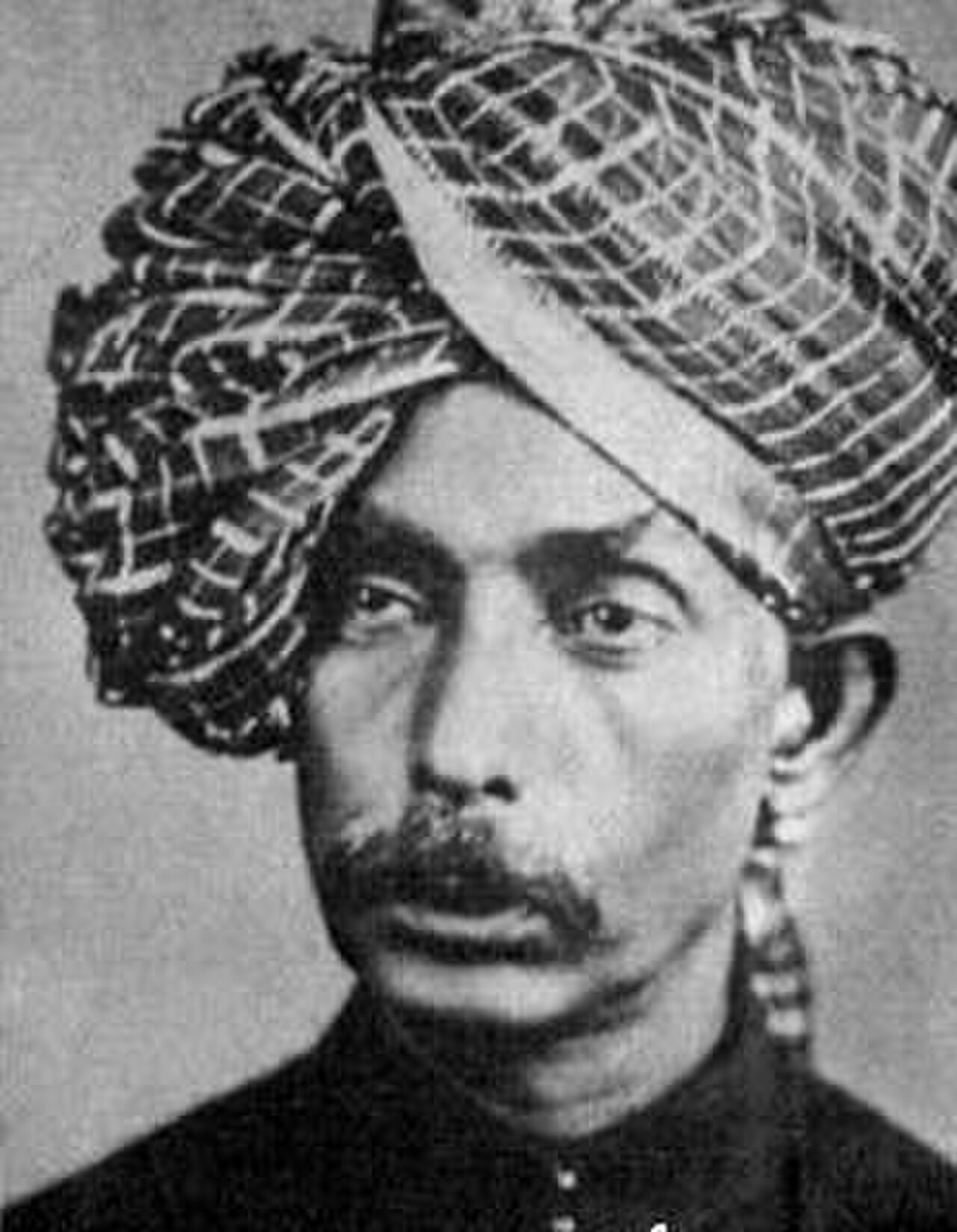
Traditionalists React, Musicians Listenअब्दुल करीम खान की रिकॉर्डिंग के प्रति प्रारंभिक प्रतिक्रिया मिश्रित थी। परंपरावादी, विशेष रूप से ग्वालियर प्रणाली में प्रशिक्षित लोग, उनके दृष्टिकोण की आलोचना अपरिष्कृत, यहां तक कि अक्षम के रूप में करते थे। लेकिन संगीतकारों को कुछ अलग समझा। खान की रिकॉर्डिंग सुनने वाले युवा गायकों को एक क्रांति की प्रगति को मान्यता दी।
अंग्रेज़ी में पढ़ें · Read in English
The initial reception to Abdul Karim Khan's recordings was mixed. Traditionalists, especially those trained in the Gwalior system, criticized his approach as unsophisticated, even incompetent. How could he record a khayal without extensive alap (the introductory, unmetered exploration)? How could he skip the technical passages that demonstrated a singer's mastery? To defenders of Gwalior aesthetics, Khan's simplification looked like simplistic.
But musicians understood something different. Younger vocalists, hearing Khan's recordings, recognized a revolution in progress. His technique was not crude — it was economical. Every phrase served the emotional content. Every ornament had a purpose. The vibrato, the slight pause, the specific tonal coloration — these were not decorative flourishes but essential elements of artistic expression. Within a few years, the most ambitious young singers of North India were studying Khan's recordings obsessively, trying to understand his approach.
गति में एक पैराडाइम शिफ्ट
A Paradigm Shift in Motionअब्दुल करीम खान की 1906 की रिकॉर्डिंग भारतीय शास्त्रीय संगीत में एक मौलिक बदलाव की शुरुआत करती है जो पूरे होने में दशकों लगेंगे। 1920 और 1930 के दशक तक, उनका प्रभाव अस्वीकार्य हो गया था। ग्वालियर परंपरा में प्रशिक्षित प्रमुख गायकों ने उनके दृष्टिकोण के तत्वों को शामिल करना शुरू कर दिया।
अंग्रेज़ी में पढ़ें · Read in English
Abdul Karim Khan's 1906 recordings mark the beginning of a fundamental shift in Indian classical music that would take decades to complete. By the 1920s and 1930s, his influence had become undeniable. Major singers who had trained in the Gwalior tradition began incorporating elements of his approach. The ornament-heavy style gradually fell out of favor. By mid-century, Khan's Kirana aesthetic would essentially become the standard for North Indian classical singing.
Yet in 1906, this transformation was invisible to most observers. Khan was simply another recording artist adding to the growing catalog. Only with hindsight do we recognize that his Kafi Khayal recording — a modest two-minute performance recorded on a thick wax disc in HMV's Calcutta studio — was a moment of profound artistic revolution. The gramophone, far from being an artistic limitation, had become the medium through which a new vision of classical music could be transmitted across the subcontinent.
परिचय
IdentityEpithet
एक गायक ने शास्त्रीय संगीत सौंदर्य को सदा के लिए कैसे बदल दिया
How one vocalist transformed classical music aesthetics forever
अन्य विवरण
More Details- अब्दुल करीम खान · Abdul Karim Khan
Key Figures
कहानी-नमूना
The Story Specimen| शीर्षक | अब्दुल करीम खान की पहली रिकॉर्डिंग: किराना ध्वनि का जन्म · Abdul Karim Khan's First Recordings: Birth of the Kirana Sound |
|---|---|
| श्रेणी | Artist Biography |
| प्रकार | Historical |
| प्रकाशित | 31 March 2026 — admin |
| वर्ष | 1906 |
और कहानियाँ
More Stories from the Atlas
साझा कीजिए · Share this Plate
यह पन्ना आगे बढ़ाइए
सवाल-जवाब
Questions & Answersअब्दुल करीम खान की शैली ग्वालियर परंपरा से किस प्रकार भिन्न थी? · How did Abdul Karim Khan's style differ from the Gwalior tradition?
ग्वालियर घराना विस्तृत अलंकरण और तकनीकी जटिलता पर जोर देता था, जबकि अब्दुल करीम खान ने भावनात्मक प्रामाणिकता और टोनल शुद्धता को प्राथमिकता दी। उन्होंने अनावश्यक सजावट हटाकर राग के मूल रस को सीधे श्रोता तक पहुँचाया।
The Gwalior gharana emphasised elaborate ornamentation and technical complexity, while Abdul Karim Khan prioritised emotional authenticity and tonal purity. He stripped away unnecessary decoration to let the core rasa of the raag reach the listener directly.
अब्दुल करीम खान की 1906 रिकॉर्डिंग का भारतीय शास्त्रीय संगीत पर क्या दीर्घकालिक प्रभाव पड़ा? · What was the long-term impact of Abdul Karim Khan's 1906 recordings on Indian classical music?
1920-30 के दशक तक उनका प्रभाव इतना व्यापक हो गया कि ग्वालियर परंपरा में प्रशिक्षित बड़े गायकों ने भी उनके दृष्टिकोण के तत्वों को अपनाना शुरू कर दिया। मध्य 20वीं सदी तक किराना सौंदर्यशास्त्र उत्तर भारतीय शास्त्रीय गायन का मानक बन गया।
By the 1920s and 1930s, his influence had spread so widely that major singers trained in the Gwalior tradition began incorporating elements of his approach. By mid-century, the Kirana aesthetic had essentially become the standard for North Indian classical singing.